Traveling Science
Peoples & Cultures Science Outreach Hub
Educator Quick Menu:
Bringing Cultures, History, and Lifeways
Directly to You
Booking Details & Logistics:
- Target Audience: Programs are custom-tailored for all age levels, from Pre-K through High School and adults. From assisted living centers to community events.
- Flexible Formats: Available as small-group classroom workshops, rotating setups, or large auditorium assemblies.
- Travel Range: Proudly serving Rockford, the surrounding Winnebago County, and regional school districts.
🦎 Our Peoples & Cultures Programs:
Click the title to jump to descriptions and standards!
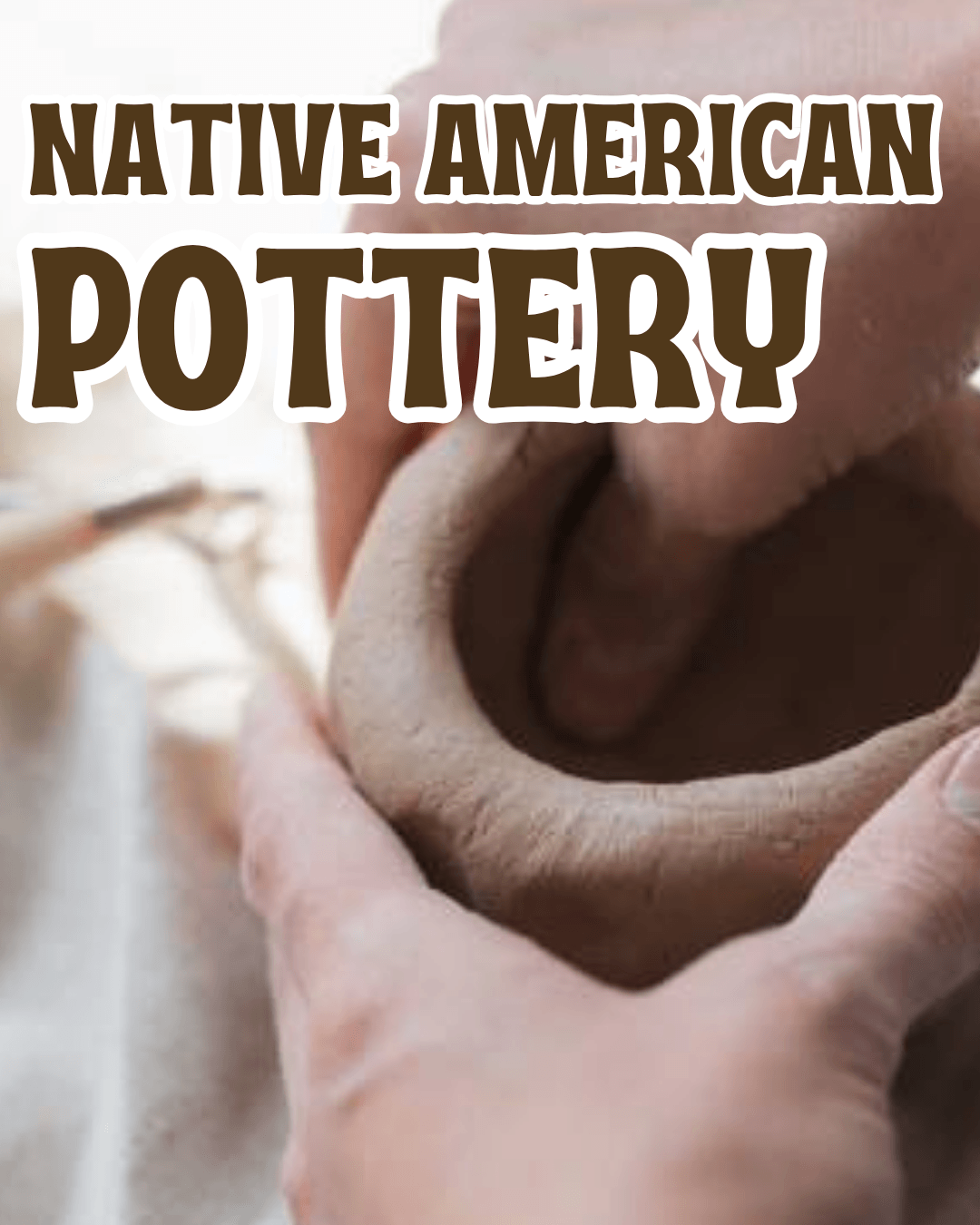
Pottery: Earth, Fire, & Artistry
Key Concepts: Material culture, regional geology (clay and temper resources), ceramic engineering, functional art, and oral traditions.
Step into the shoes of regional artisans
Uncover the advanced engineering, local geology, and deep cultural traditions behind regional Indigenous pottery using authentic museum artifacts. In this highly tactile, hands-on mobile museum experience, a Burpee educator brings the material culture of the Upper Mississippi River Valley directly to your classroom. Because this program focuses entirely on historical engineering and art, no live animals are involved. Instead, students will analyze genuine prehistoric pottery fragments, discover how native potters mixed local Illinois clay with crushed shells to prevent cracking, and use traditional techniques to craft their own clay vessels.
Tactile Specimen Station: Real museum cultural biofacts, including ancient grit-tempered and shell-tempered pottery shards, traditional carving and stamping tools, raw local clay samples, and full-scale replicas of historic regional vessels.
🎓 Curriculum Alignment Matrix (K-12 Grade Tracks)
Our curriculum adaptively shifts terminology, scientific depth, and hands-on activities based on the targeted age group to hit key standard benchmarks:
🧩 Early Learners (Grades K – 2): Shapes, Textures, & Storytelling. Young students use their senses to explore the physical properties of clay. By feeling the difference between smooth clay and rough, crushed shell “temper,” they will discover how early families used natural materials from the earth to make useful tools and beautiful artwork that tells a story.
Core Focus: Natural resources, physical properties of earth materials, functional shapes, and cultural storytelling.
Standards Unlocked & How We Do It:
- K-ESS3-1: Observing how early regional families gathered resources directly from their local environment to meet everyday physical needs.
- 1-PS1-1 / 1-LS1-1: Identifying how the physical traits of natural materials (like pliable clay vs. rigid wood) dictate how they are shaped into tools.
- 2-LS4-1: Discovering how the plants, animals, and geological resources found in local Illinois river valleys shaped the art and daily lives of the families who lived there.
🔍 Elementary Minds (Grades 3 – 5): Ceramic Engineering & Cultural Traditions. Upper-elementary students investigate the science of pottery making. They explore how adding a “temper” (like crushed rock or clam shells) changes the physical properties of clay, allowing it to survive high heat without shattering. They also analyze how unique stamped patterns helped identify different regional communities.
Core Focus: Thermal shock, properties of matter, microclimates for resource gathering, and cultural identity symbols.
Standards Unlocked & How We Do It:
- 3-5-ETS1-1: Defining a simple design problem faced by ancient potters (clay cracking in fire) and analyzing how material selection solved it.
- 4-ESS2-1: Exploring how natural weathering breaks down regional rocks into the fine minerals that create local clay beds.
- 5-PS1-3: Testing and comparing the physical properties of raw clay versus clay mixed with different regional tempering agents.
🔬 Middle & High School (Grades 6 – 12): Style Chronology, Cladistics, & Cultural Reclamation. Older students engage in advanced archaeological science and anthropology. They use stylistic chronology to trace how pottery styles shifted over thousands of years, analyze the chemistry of open-pit firing, and discuss the vital role material culture plays in modern tribal sovereignty and cultural reclamation.
Core Focus: Ceramic petrography, technological evolution, micro-stratigraphy, primary source preservation, and Indigenous material sovereignty.
Standards Unlocked & How We Do It:
- MS-PS1-2 & HS-PS1-2: Analyzing how chemical and physical properties change when raw clay and shell minerals undergo intense thermal alteration during firing.
- MS-ESS3-1: Mapping how the geographic distribution of high-quality clay and shell resources fueled expansive prehistoric trade networks.
- HS-LS2-7: Evaluating the long-term ecological and cultural impacts of resource shifts on regional communities, and exploring modern methods used by sovereign nations to preserve traditional art forms.
Outreach Booking, Pricing & Logistics
The following logistical parameters and pricing models apply uniformly to all Traveling Science Outreach programs listed above. We handle the heavy lifting, bringing the museum’s wonder directly to your location!
Multi-Session Discounts: Planning a full day of science? Booking multiple back-to-back sessions on the same day drops the classroom workshop cost.
Travel Fees: Proudly serving Rockford, the surrounding Winnebago County, and regional school districts. Programs traveling outside a 25-mile radius of the museum may be subject to a minor per-mile mileage surcharge.
How to Book Your Traveling Science Experience
Our school outreach calendar fills up rapidly, especially during spring and fall field season peaks. Ready to secure your date?
Pick Your Modules: Choose from our aligned programs
Contact Our Education Coordinator: Email Nicole Hayes (nicole.hayes@burpee.org)
Have Your Details Ready: Please provide your preferred dates, total estimated student counts, grade tracks (K–12), and physical presentation venue specs.