Field Trips & Workshops
Living Biological Science Field Trip Hub
Educator Quick Menu:
Living Science: In-Museum Expeditions
Step out of the classroom and directly into the living world! Investigate dynamic habitats, map complex food webs, and interact face-to-face with live animal ambassadors inside our exhibition halls and classrooms. Burpee’s experts guide your students through our master biology galleries and activities. By pairing guided gallery tours with hands-on STEM lab investigations, students will look nature right in the eye, litterally. They will study structural adaptations under high magnification, track energy flow through native ecosystems, and observe live reptiles, amphibians, and invertebrates up close to discover how life masterfully adapts to a changing planet.
Booking Details & Logistics:
- Target Audience: Programs are custom-tailored for all age levels, from Pre-K through High School and adults. From assisted living centers to community events.
- Flexible Formats: Available as small-group classroom workshops, rotating setups, or large auditorium assemblies.
- Travel Range: Proudly serving Rockford, the surrounding Winnebago County, and regional school districts.
🦎 Our Living Science Programs:
Click the title to jump to descriptions and standards!
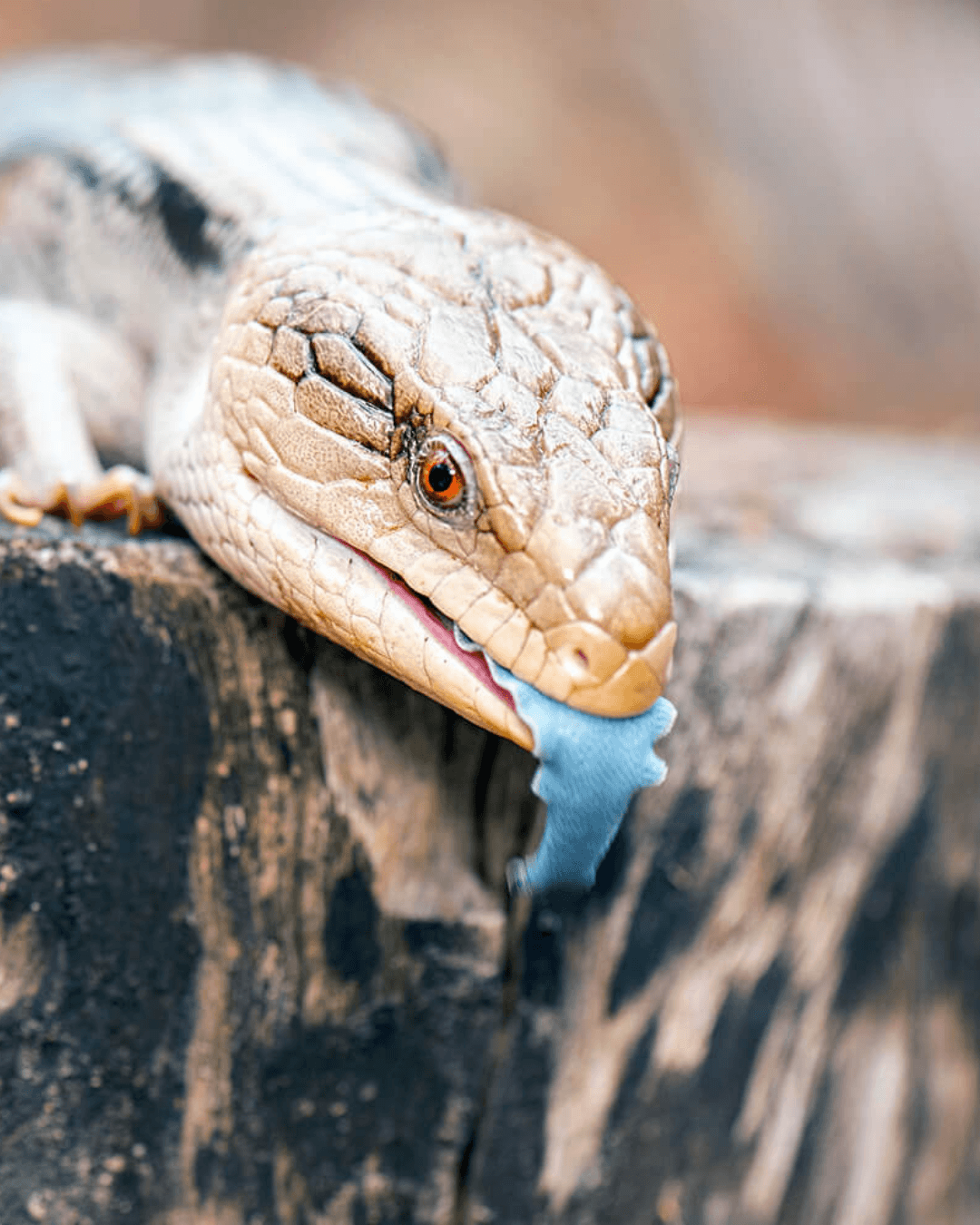
LIVE Reptiles Tour.
Meet the Ectotherms!
Key Concepts: Features of survival success, ectotherm vs. endotherm physiology, form and function engineering, and reptile classification. Biodiversity, thermoregulation (ectothermy), physical and behavioral adaptations, evolutionary traits, and wildlife conservation.
From slithering snakes to lovable lizards, bring your students face-to-face with live reptiles to investigate their cold-blooded nature, advanced physiological traits, and the unique adaptations that help them conquer the wild!Step into the fascinating world of ectotherms! In this highly interactive guided museum expedition, a Burpee educator leads your students through several orders of chordates including the order Squamata (lizards and snakes) and the order Testudines (turtles and tortoises). By analyzing the physical traits of living animal ambassadors and handling real museum specimens, students will explore how physical form dictates biological function and uncover how diverse species find success in extreme ecosystems.
🎓 Curriculum Alignment Matrix (K-12 Grade Tracks)
Our in-museum curriculum adaptively shifts terminology, scientific depth, and hands-on activities based on the targeted age group to hit key standard benchmarks:
🧩 Early Learners (Grades K – 2): Shells, Scales, & Survival Needs. Young students use their senses to observe how a reptile’s physical body parts keep it safe. By looking closely at varied turtle shells and touching shed snake skin, early learners discover how scales protect an animal from predators and keep its body hydrated.
Core Focus: Basic survival needs, protective armor coverings, sensory organs, and structural shapes.
Standards Unlocked & How We Do It:
- K-LS1-1: Observing live animal behaviors during an encounter to gather thoughts on how reptiles interact with their immediate micro-environments to meet basic needs for water, food, and shelter.
- 1-LS1-1: Comparing a box turtle’s highly rigid, closing shell to a snapping turtle’s smaller, hydrodynamic shell to identify how physical body coverings protect animals from environmental dangers.
- 2-LS4-1: Sorting a variety of physical reptile biofacts to evaluate how different external traits give species survival advantages across unique terrestrial and aquatic habitats.
🔍 Elementary Minds (Grades 3 – 5): Internal Thermostats & Form and Function. Upper-elementary students look at biological evolution, physiological traits, and internal systems to understand the complex mechanics of cold-blooded survival.
Core Focus: Ectothermic vs. endothermic metabolic budgets, structural anatomy variations, and processing environmental sensory inputs.
Standards Unlocked & How We Do It:
- 3-LS4-2 & 3-LS4-3: Evaluating biological variations within the order Squamata, analyzing how specific physical traits, like a tegu’s muscular fat-storing tail or a gecko’s specialized gripping feet, give individual species distinct survival advantages in their native environments.
- 3-LS3-2: Discussing habitats, both artificial and natural, for our live reptiles under seasonal and controlled conditions to investigate how environmental factors influence behaviors like brumation and basking cycles.
- 4-LS1-1 & 4-LS1-2: Investigating internal and external systems, such as a tegu’s forked tongue tracking chemical scent paths or a gecko’s advanced low-light vision, to describe how reptiles process sensory information to guide survival behaviors.
🔬 Middle & High School (Grades 6 – 12): Amniote Evolution, Osmoregulation, & Ecosystem Pressures. Older students engage in advanced anatomical and ecological modeling, analyzing the evolutionary divergence of reptiles from ancient amniotes, studying specialized osmoregulation methods in arid environments, and tracking the impacts of invasive reptile species on native ecosystems.
Core Focus: Amniotic egg evolutionary thresholds, physiological osmoregulation, cladogram charting, and human-wildlife conflict dynamics.
Standards Unlocked & How We Do It:
- MS-LS4-2 & HS-LS4-2: Comparing the skeletal anatomy and jaw mechanics of modern reptiles to prehistoric fossils to map homologous structures and trace evolutionary changes driven by natural selection.
- HS-LS2-7: Evaluating the ecological collapse triggered by invasive reptile species (such as the impact of Burmese pythons and Tegus in the Everglades) and proposing engineered containment solutions to stabilize regional biodiversity.
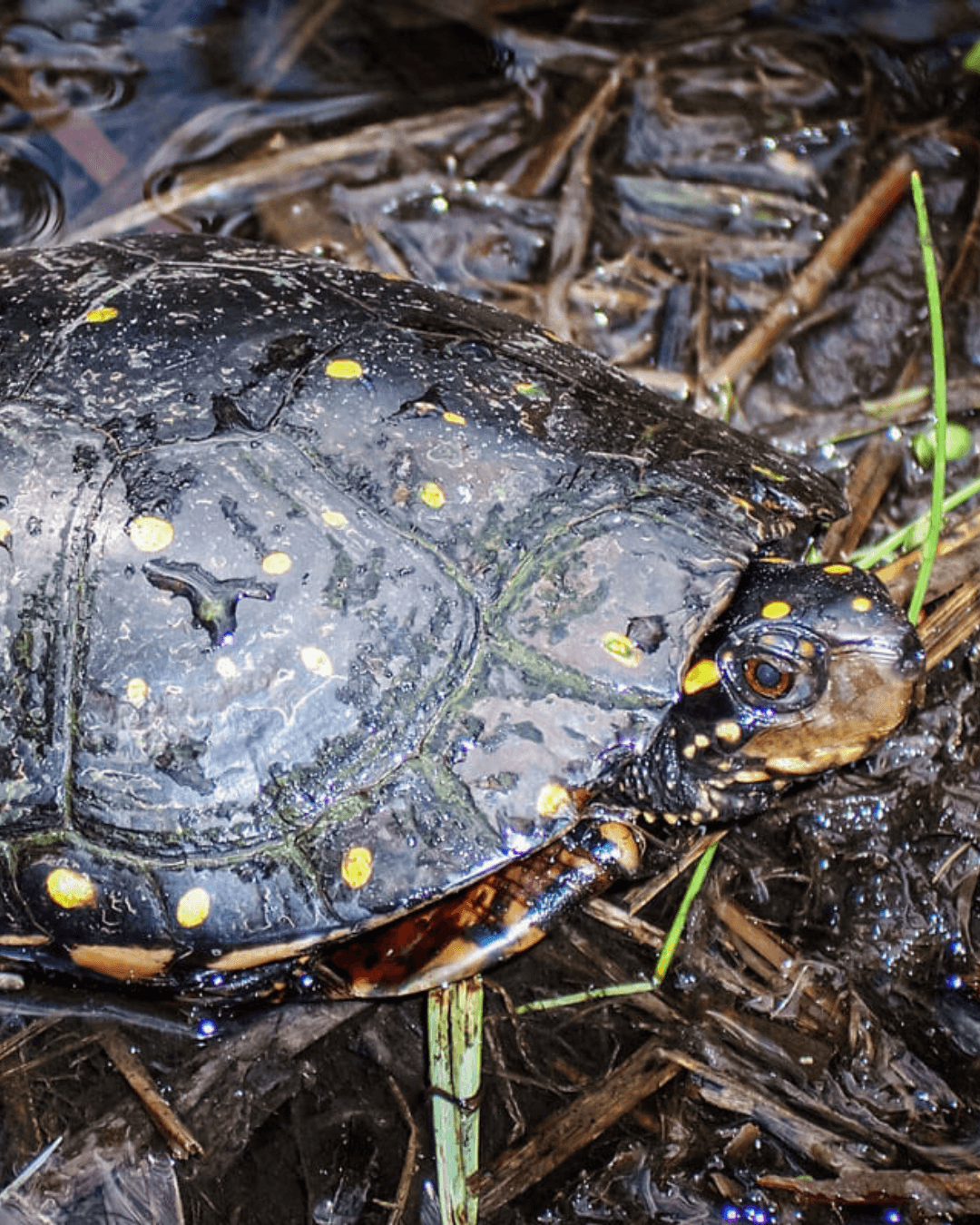
Windows to the Wilderness Tour: Illinois Biodiversity
Key Concepts: Habitats, biodiversity, local ecosystem stratification, trophic cascading, carrying capacity, endangered vs. threatened classifications, and conservation ecology.
Discover the delicate web of life across Illinois’ woodlands, prairies, and wetlands, and examine rare threatened and endangered species specimens in a tour! Step into the wild heart of the Midwest! In this highly immersive guided museum expedition, a Burpee biologist or expert educator leads your students on a trek through the rich biological history of Illinois. By observing detailed habitat diorama recreations, handling real wildlife biofacts, and studying rare specimens preserved in partnership with the Illinois Department of Natural Resources (IDNR), students will track how native species survive, how ecosystems maintain equilibrium, and what is being done locally to protect our state’s most vulnerable wildlife.
🎓 Curriculum Alignment Matrix (K-12 Grade Tracks)
🧩 Early Learners (Grades K – 2): Local Habitats & Wildlife Needs. Young students use their observational skills to identify the plants and animals that live right in their own backyards but they may have never seen. By exploring how a forest differs from a prairie and touching real animal fur, early learners discover how local wildlife uses camouflage to hide and specialized structures to build shelters.
Core Focus: Basic needs of living things, local plant/animal interactions, camouflage, and seasonal survival shelter design.
Standards Unlocked & How We Do It:
- K-LS1-1: Observing native taxidermy and models to map out what local animals need to survive, connecting prairie dogs to grasslands and wood ducks to wetlands.
- 1-LS1-1: Examining the physical traits of local wildlife (such as a beaver’s flat tail for swimming or a hawk’s sharp talons) to identify how animals use external body parts to gather resources.
- 2-LS4-1: Sorting a variety of local plant and animal biofacts to compare the diversity of life found in a damp Illinois wetland versus a dry, sunlit oak savanna prairie.
🔍 Elementary Minds (Grades 3 – 5): Interdependent Webs & Conservation Status. Upper-elementary students investigate how living organisms depend on one another and their environment to survive. Students analyze how changing a single feature of a habitat impacts entire populations, differentiate between “threatened” and “endangered” labels using IDNR parameters, and map out complex local food webs.
Core Focus: Trophic interactions, native vs. invasive species, habitat fragmentation, and state conservation classifications.
Standards Unlocked & How We Do It:
- 3-LS4-3 & 3-LS4-4: Evaluating historical data from our regional IDNR exhibit to explain how human environmental changes have caused certain native Illinois species to become threatened, while others move away or thrive.
- 4-LS1-1: Investigating the sensory structures of nocturnal local predators (like owls and bobcats) to describe how internal systems process environmental information to guide hunting behaviors.
- 5-LS2-1: Developing a localized food web model to track the movement of matter and energy from prairie grasses up to native apex mammalian predators and forest floor decomposers.
🔬 Middle & High School (Grades 6 – 12): Trophic Cascades, Biodiversity Loss, & Legislative Solutions. Older students engage in advanced ecological modeling and environmental science. They analyze data regarding carrying capacities, simulate the cascading impacts of losing a keystone species in a woodland, and critically evaluate modern land-management designs engineered to restore Illinois’ native biodiversity.
Core Focus: Keystone species dynamics, carrying capacity math, genetic bottlenecks in isolated populations, ecological restoration, and state environmental policy evaluation.
Standards Unlocked & How We Do It:
- MS-LS2-1 & HS-LS2-1: Analyzing regional population data demonstrate how resource availability and habitat fragmentation limit the carrying capacity of native Illinois wildlife.
- MS-LS2-4 & HS-LS2-2: Evaluating historical ecosystem shifts to demonstrate how the removal of key predators alters the stability of local woodland and wetland populations over time.
- HS-LS2-7: Critically examining real-world land-management solutions, such as burning regimens for native prairies or wildlife corridors, engineered to protect Illinois’ state-listed endangered species.
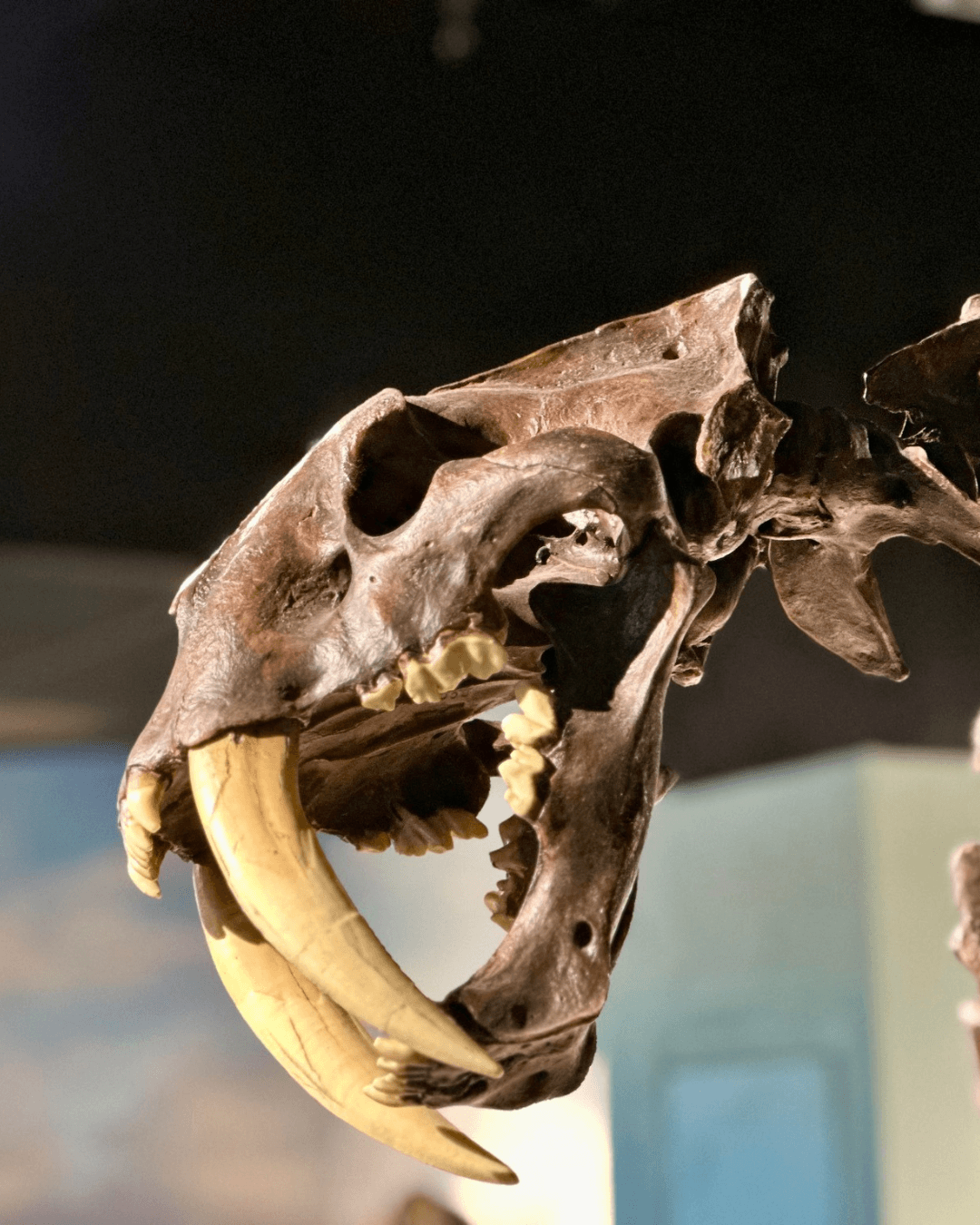
Icy Illinois Tour: The Rockford Ice Age
Key Concepts:Glacial geology, Pleistocene megafauna, survival traits, comparative skull anatomy, extinction vs. survivorship, and early human hunting dynamics.
It was freezing cold in ancient Rockford!
Burrrrr! Journey back in time to an Illinois landscape ruled by Mammoths, Saber-Tooth Cats, and Giant Beavers, and discover how massive glaciers sculpted the midwestern land we see today.Travel back to a landscape that looked radically different than it does today! In this highly interactive in-museum field trip expedition, an expert Burpee educator guides your students through the frozen Pleistocene epoch. By stepping directly into our Ice Age galleries, handling authentic megafauna teeth, examining thick insulation fur, and comparing the skeletal anatomy of extinct monsters to modern-day survivors, students will uncover how geological forces and extreme climates drive the evolution and extinction of life.
🎓 Curriculum Alignment Matrix (K-12 Grade Tracks)
Our curriculum adaptively shifts terminology, difficulty, and hands-on activities based on the targeted age group to hit key standard benchmarks:
🧩 Early Learners (Grades K – 2): Feathers, Beaks, & Nests. Young students use their senses to observe the basic external parts of a bird. By touching real feathers or bird feet, and looking at varied beak shapes, they will discover how feathers keep birds warm and dry, and how different shapes of beaks help them eat different foods.
Core Focus: Basic body parts (wings, beaks, feathers), camouflage vs. bright colors, and how birds care for their young.
Standards Unlocked & How We Do It:
- K-LS1-1: Observing and sorting museum specimens to match what different birds eat with the shape of their beaks.
- 1-LS1-1: Examining feather structures under a magnifying glass to see how they act as natural raincoats and blankets for survival.
- 2-LS4-1: Comparing taxidermy specimens of water birds (like ducks) and forest birds (like woodpeckers) to see how their traits match their homes.
🔍 Elementary Minds (Grades 3 – 5): Skeletal Engineering & Aerodynamics. Upper-elementary students investigate internal structures and the mechanics of flight. By holding real bird bones, they compare the weight of dense mammal bones to hollow avian bones. They also test how different feather shapes create lift and thrust.
Core Focus: Hollow bone structures, feather anatomy (barbs and barbules), beak specialization (the “tools” of the ecosystem), and migration patterns.
Standards Unlocked & How We Do It:
- 3-LS4-3: Analyzing data from our beak-and-tool simulation to prove how specific beak shapes give birds a survival advantage over others.
- 4-LS1-1: Investigating internal systems—like air sacs and hollow, fused skeletons—that function together to make flight physically possible.
- 5-LS2-1: Modeling how birds of prey act as consumers that transfer energy and keep rodent/insect populations balanced in food webs.
🔬 Middle & High School (Grades 6 – 12): Theropod Evolution & Functional Anatomy. Older students engage in advanced evolutionary biology and physics. They examine the skeletal similarities between modern birds and avian dinosaurs (theropods), analyze the mechanics of the avian respiratory system, and study how environmental pressures drive rapid beak evolution.
Core Focus: Avian evolution from dinosaurs, homologous structures, physics of lift/drag, ecological indicators, and population genetics.
Standards Unlocked & How We Do It:
- MS-LS4-2 & HS-LS4-2: Comparing the skeletal structures of modern birds to fossil records to find anatomical evidence of evolutionary relationships to theropod dinosaurs.
- MS-LS1-4: Using museum specimens to explain how specialized behaviors (like complex bird songs) and physical structures (like plumage) increase successful reproduction.
- HS-LS2-7: Evaluating how modern environmental challenges (like light pollution and climate-shifted migration timelines) threaten avian populations, and reviewing conservation designs.
Field Trip Pricing and Logistics
In-Person Tours:
- $7.00 per student
- $5.00 flat fee for chaperones
- All staff are free of charge
- $5.00 per class lunchroom fee
- 60 minutes per tour
- $1.00 per student for extra exploration time
- Lab/Workshops add-ons are an extra charge
- Lunchroom can be reserved (ask for details)
Virtual Tours:
- $5.00 per student (Teachers are not charged)
- About 45 minutes per tour
- PLUS FREE UNLIMITED explore time after the tour (same month, same group. Teachers are no charge)
Virtual visits can be scheduled for AM, PM, or both, AND include a Burpee guide.
Contact Us: For more important information about bringing your group to Burpee, contact us at 815-965-3433 Or By Email: nicole.hayes@burpee.org