Archaeology Club
Travel through time and uncover the stories of past civilizations!
What can a broken pot, an ancient tool, or a handful of bones tell us about the people who left them behind? In Archaeology Club, participants will explore artifacts from cultures around the world and discover how archaeologists use these clues to understand the past. Through hands-on activities, creative challenges, and artifact investigations, participants will uncover stories about how people lived, worked, created, and interacted with the world around them.
Archaeology isn’t just about uncovering pieces of the past. It’s about discovering the people, cultures, stories, and traditions behind the artifacts we find, and exploring how those histories connect to people and communities today.
When: Third Thursday of the month
Where: Burpee Museum, Rockford Illinois
Time: 6:00pm-7:00pm
Burpee Clubs: Communities of Curiosity
Pricing:
Drop In Admission – $25 (Best for First-time visitors, occasional participants, friends joining for a session)
Class pricing includes museum admission for the participant
Burpee Museum Member – $5 (Best for regular attendees who want the best value)
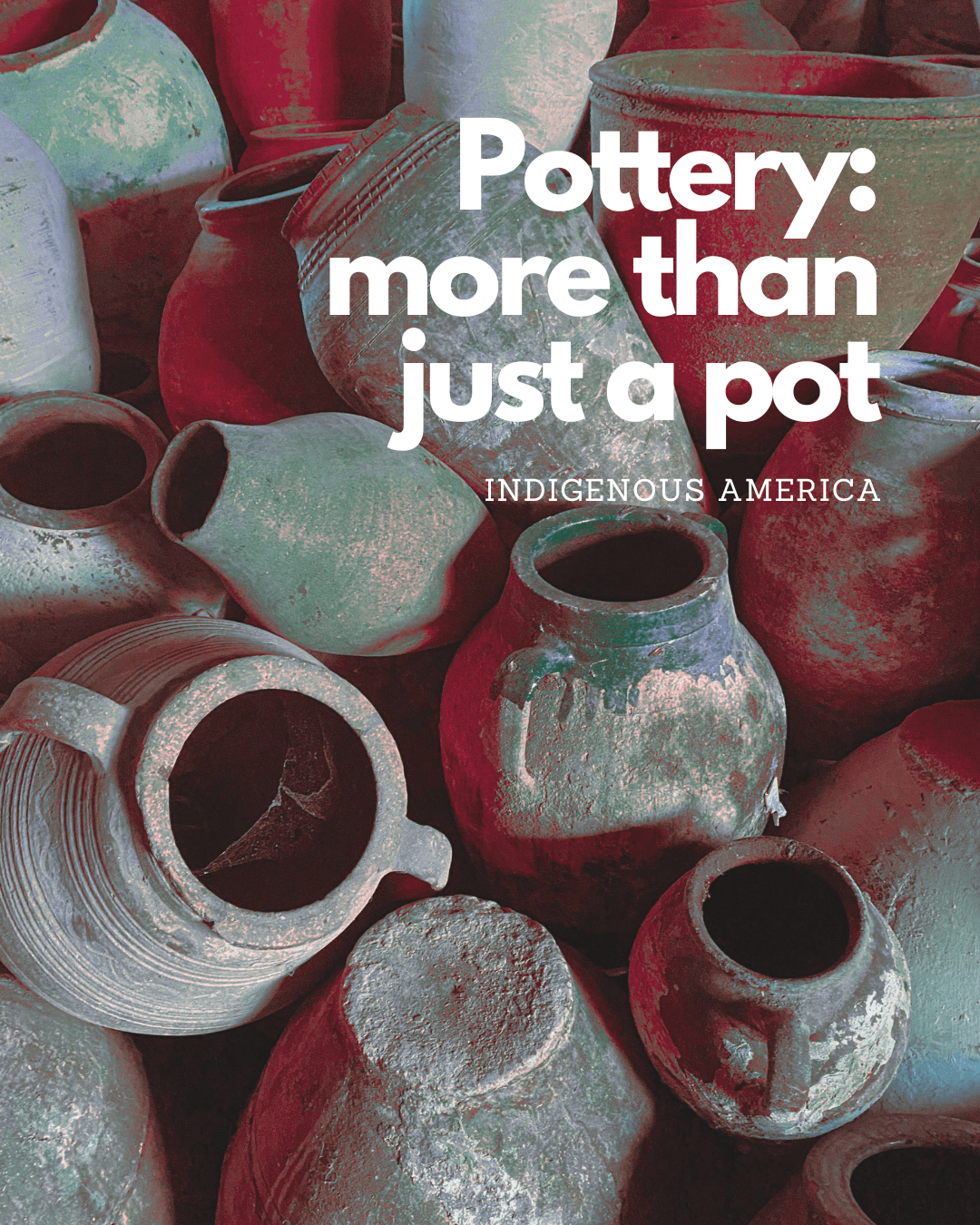
Pottery: More Than Just a Pot
September 17 at 6:00pm
Geographic Focus: Indigenous Americas
A broken piece of pottery might not look like much, but to an archaeologist, it can hold clues about the people who made and used it. In our first session, ‘Pottery: More Than Just a Pot,’ participants will explore the rich pottery traditions of regional cultures of the Americas, and discover why pottery is such an important source of evidence that archaeologists use to understand how people lived, ate, stored food, and traded. Kids will examine how pottery can help us understand people and the past, then design and shape their own pinch pot to take home.
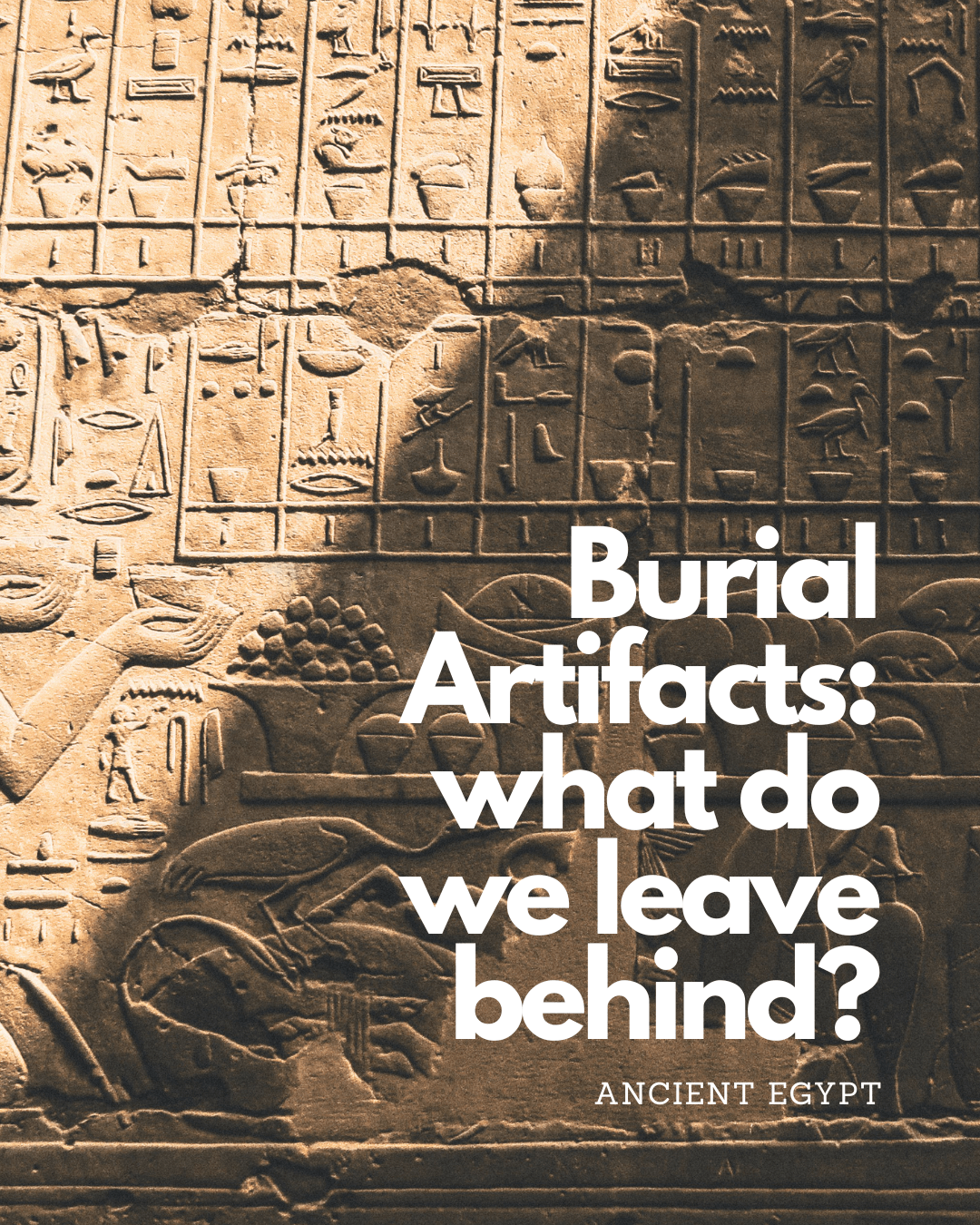
Burial Artifacts: What Do We Leave Behind?
October 15 at 6:00pm
Geographic Focus: Ancient Egypt
Imagine uncovering a tomb filled with objects from thousands of years ago. What could those artifacts tell you about the person who was buried there? Participants will explore ancient Egyptian burial practices and investigate objects such as amulets, jewelry, food offerings, figurines, and everyday items. Then, they’ll put their archaeological detective skills to work, sorting conclusions as Fact, Inference, or Speculation and discovering how archaeologists use evidence to piece together stories about beliefs, daily life, and social status.
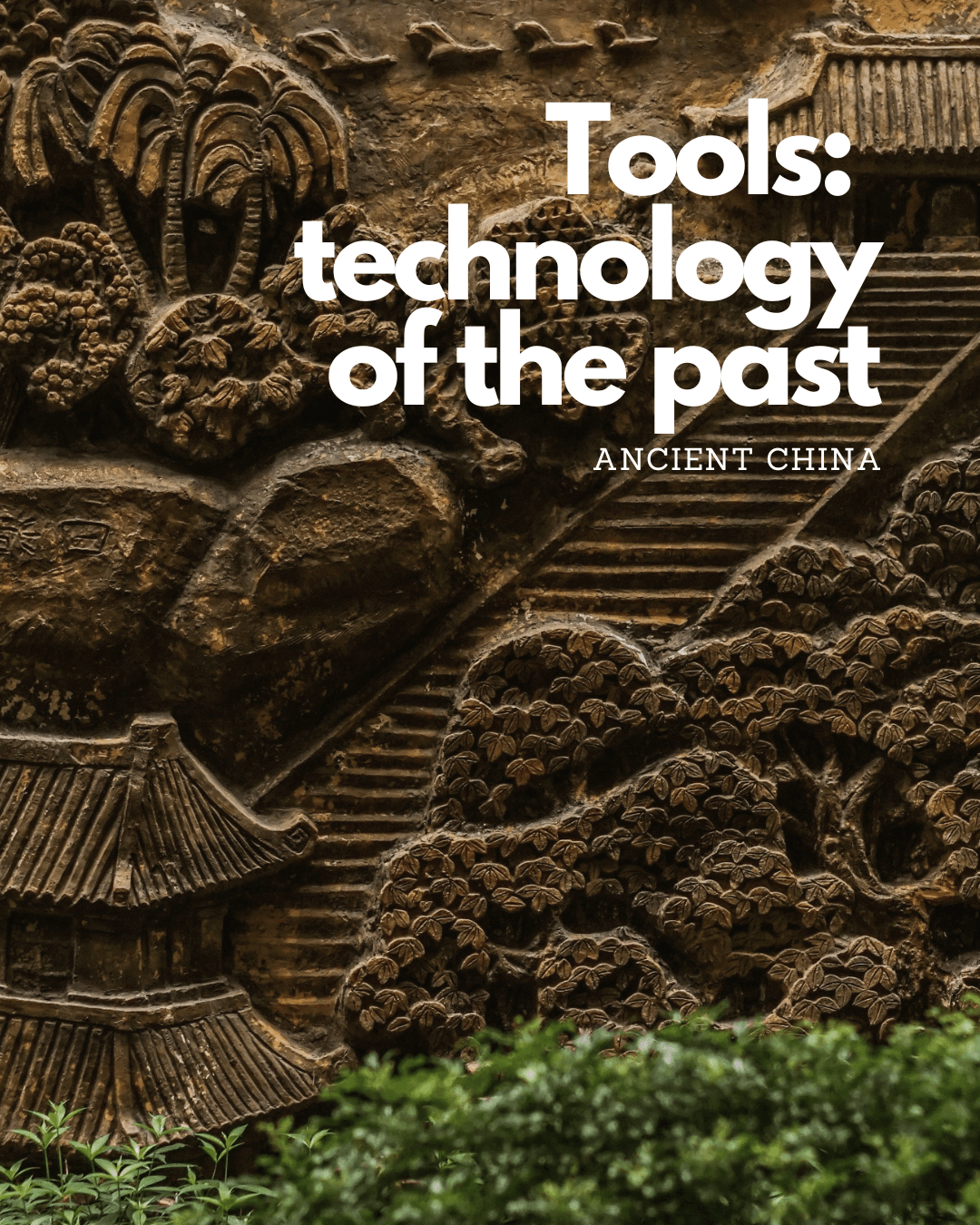
Tools: Technology of the Past
November 19 at 6:00pm
Geographic Focus: Ancient China
Long before modern technology, people were designing clever tools to make everyday life easier. In this session, participants will explore tools and technologies used in ancient China for farming, cooking, writing, crafts, and more. They’ll learn how archaeologists use these objects to understand how people worked and solved problems—and then become ancient inventors themselves! Working with limited materials, participants will design and build a tool to solve a problem faced by an ancient community before explaining how their invention works.
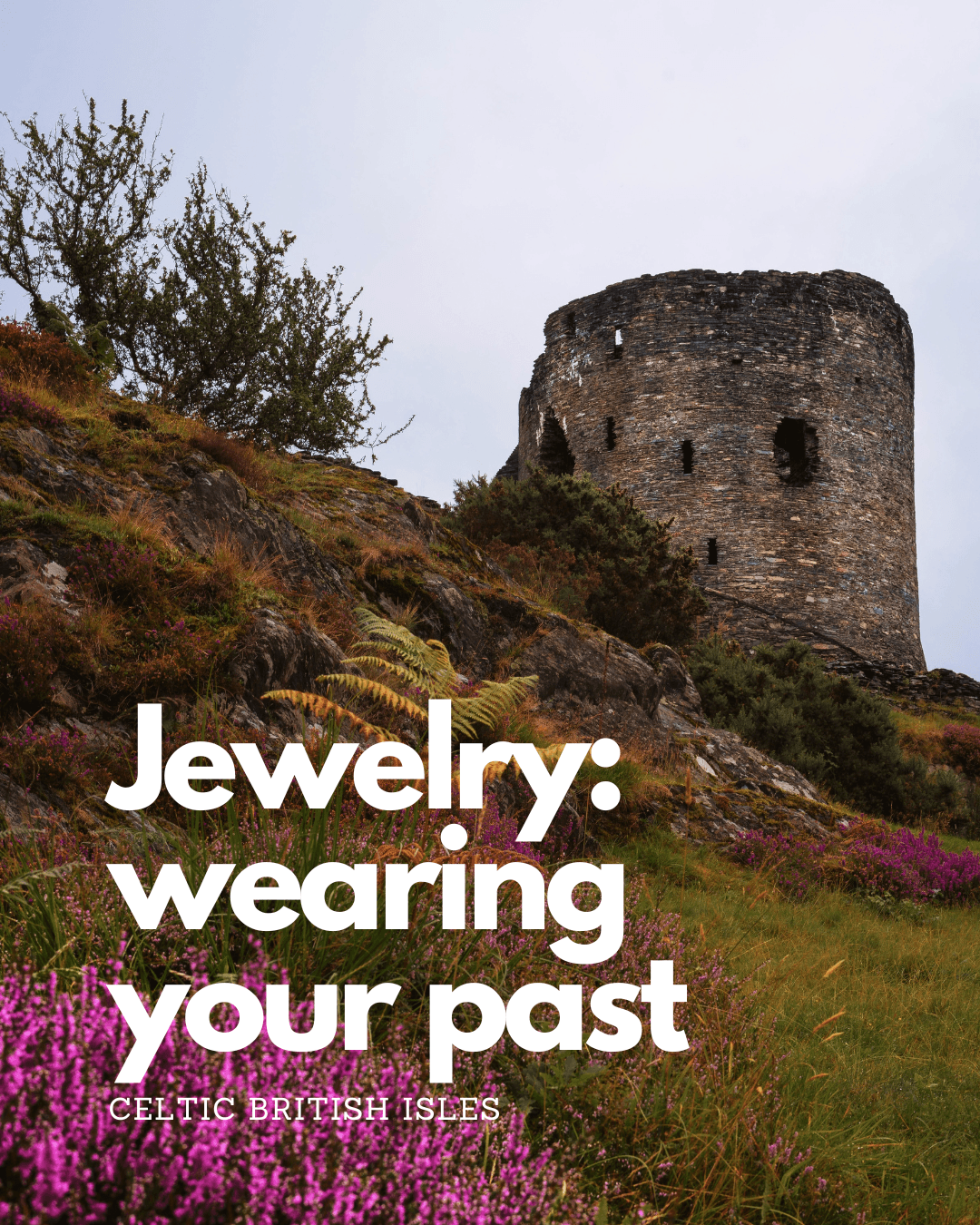
Jewelry: Wearing Your Story
December 17 at 6:00pm
Geographic Focus: Celtic British Isles
If your jewelry could tell your story, what would it say? Discover how archaeologists use ancient jewelry to uncover clues about people’s lives, identities, and social status. Jewelry can reveal much more than personal style; it can offer clues about a person’s social position, economic connections, cultural traditions, and even their role within a community. In this club session, participants will learn how archaeologists study ancient jewelry and personal objects before designing their own piece of Celtic-inspired jewelry and exploring the stories these objects can tell about the people who wore them.
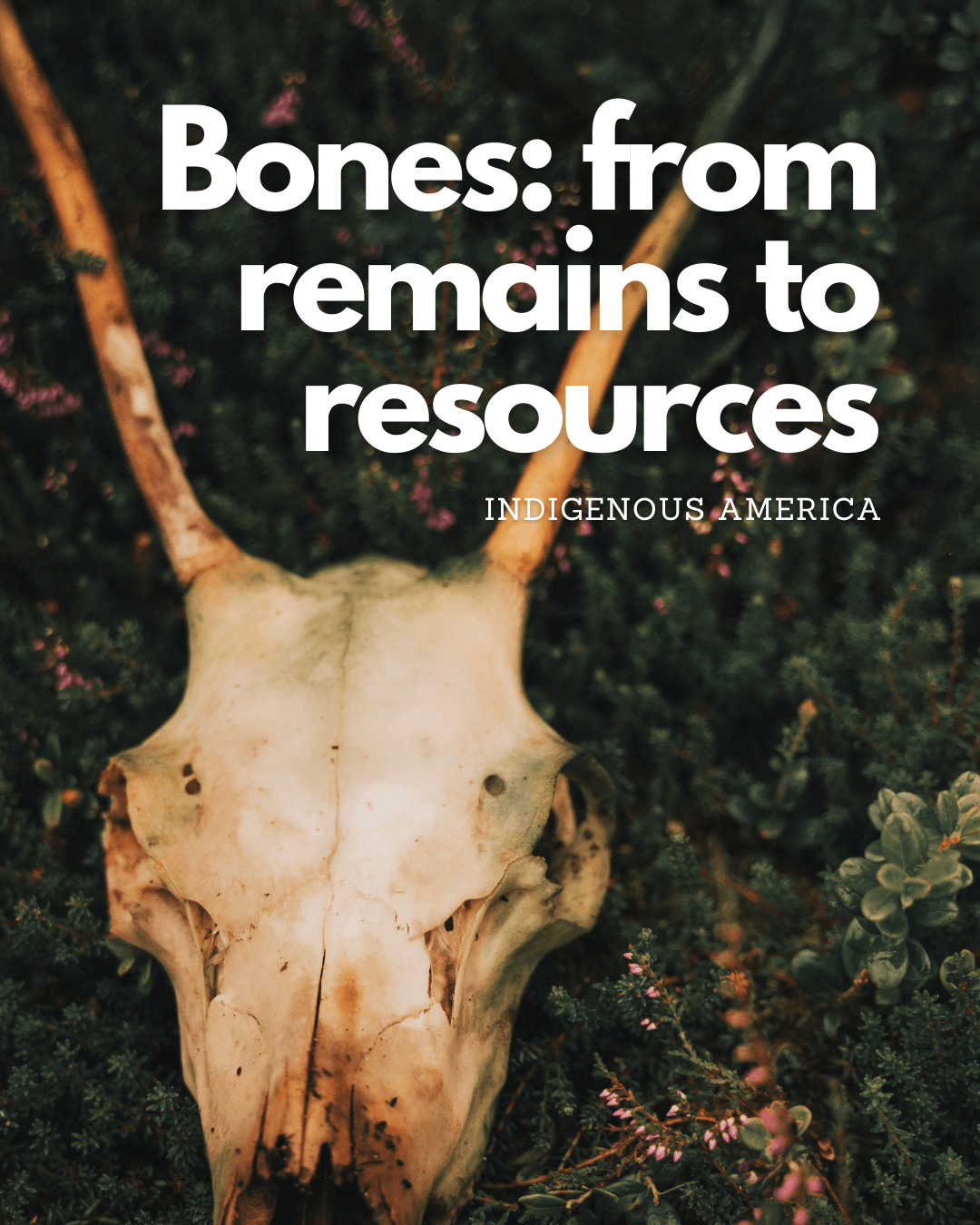
Bones: From Remains to Resources
January 21 at 6:00pm
Geographic Focus: Indigenous America
What can a bone tell you about the people who lived before us? Animal remains can provide archaeologists with important clues about how people lived, what they ate, and how they used the resources around them. Bones, teeth, pelts, and other animal remains can reveal the animals that lived nearby as well as the many ways people used them for food, tools, clothing, and everyday life. In this club session, participants will learn how archaeologists study animal remains before taking on the Bone Tool Challenge, where they will choose tools for different tasks and design their own model bone tools.
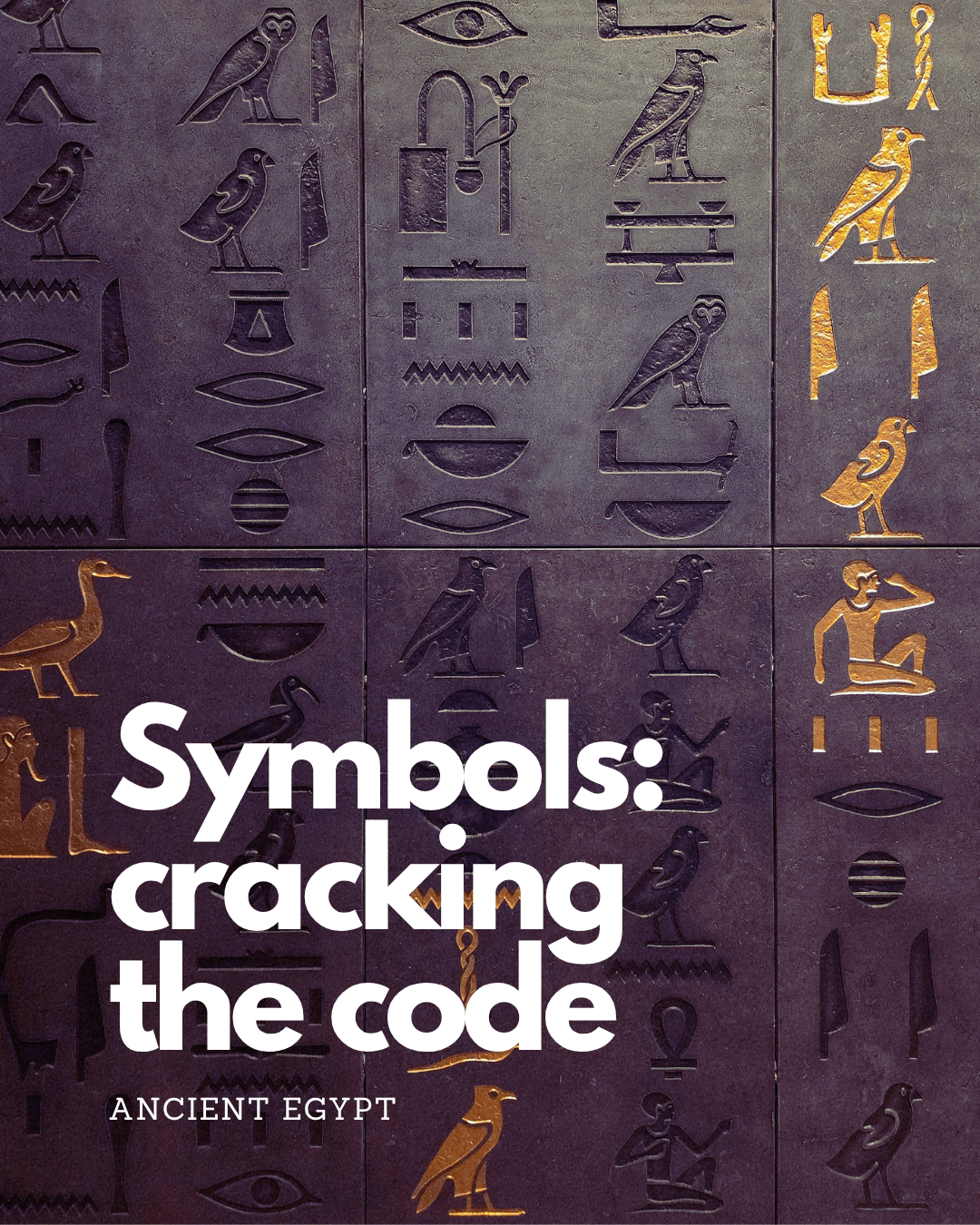
Symbols: Cracking the Code
February 18 at 6:00pm
Geographic Focus: Ancient Egypt
How do archaeologists read a language they don’t understand? Ancient Egyptian hieroglyphs were used to communicate information, record events, and represent people, objects, and ideas. When archaeologists encounter an unfamiliar writing system, they can look for patterns, repeated symbols, and connections between known and unknown words to begin uncovering its meaning. In this club session, participants will learn how archaeologists decipher ancient writing before taking on their own Crack the Code challenge, using patterns and clues to decode a series of mysterious messages and reveal a final archaeological message.
FAQ
What is the instructional level of these sessions?
Will we be looking at real research specimens?