Traveling Science
Living Biological Science Outreach Hub
Educator Quick Menu:
Bringing Live Animals, Habitats, & Ecosystems
Directly to You
Booking Details & Logistics:
- Target Audience: Programs are custom-tailored for all age levels, from Pre-K through High School and adults. From assisted living centers to community events.
- Flexible Formats: Available as small-group classroom workshops, rotating setups, or large auditorium assemblies.
- Travel Range: Proudly serving Rockford, the surrounding Winnebago County, and regional school districts.
🦎 Our Living Science Programs:
Click the title to jump to descriptions and standards!
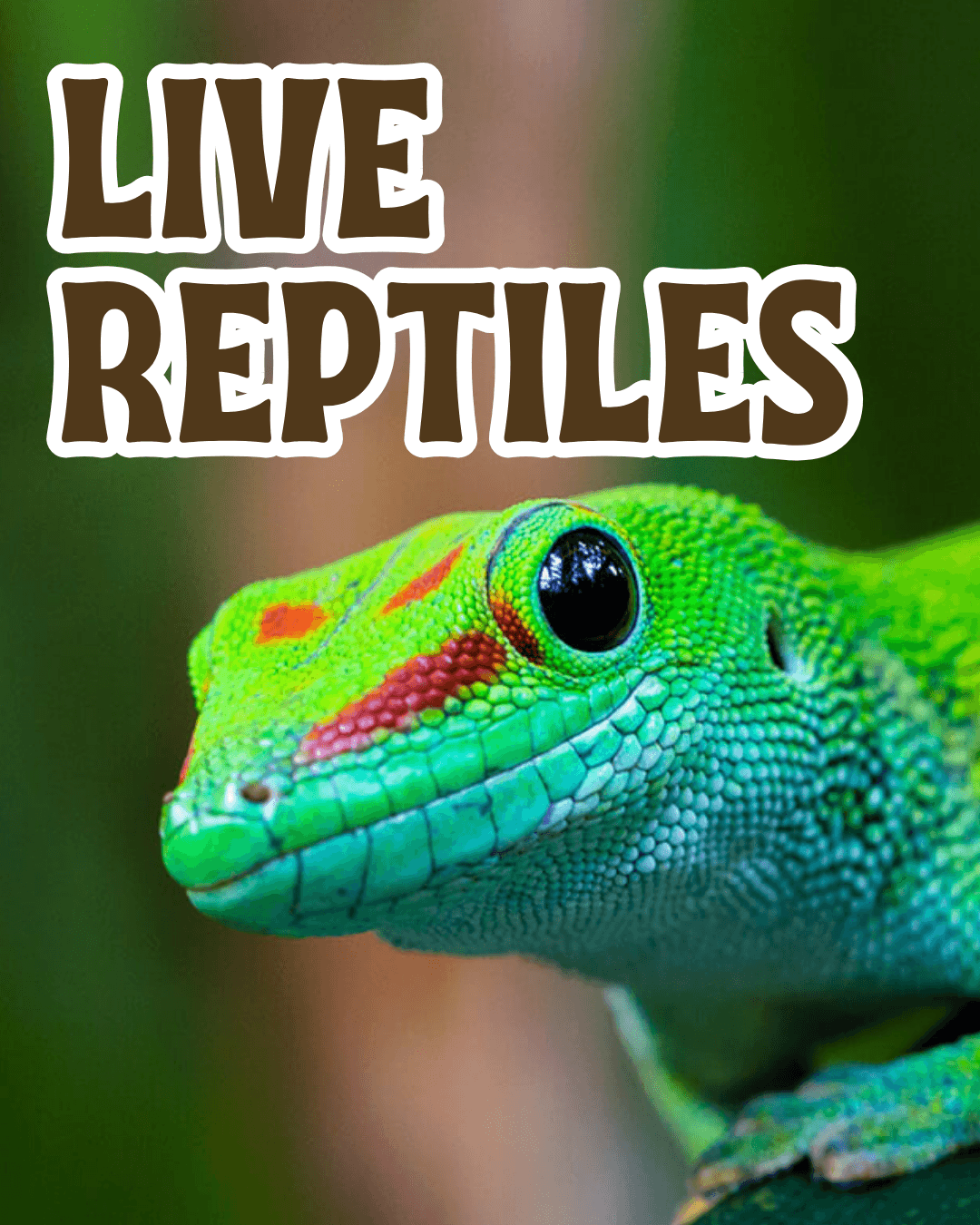
Meet the Ectotherms!
Key Concepts: Biodiversity, thermoregulation (ectothermy), physical and behavioral adaptations, evolutionary traits, and wildlife conservation.
Meet Burpee’s live reptiles up close! Discover their incredible survival adaptations and explore their unique relationships with humans.
Step into the fascinating world of cold-blooded creatures! In this highly interactive mobile museum experience, a Burpee educator introduces your students to the diverse and misunderstood world of reptiles. By observing live animal ambassadors and handling genuine museum biofacts, students will investigate the complex structural, behavioral, and physiological traits that allow these creatures to conquer diverse ecosystems across the globe.
Live Animal Ambassadors May Include: Argentine Tegus, Box Turtles, Ball Pythons, aquatic turtles, Corn Snakes, and Crested Geckos.
Tactile Specimen Station: Real rain-forest biofacts including seed pods, specialized skeletal models, and camouflage mockups.
🎓 Curriculum Alignment Matrix (K-12 Grade Tracks)
🧩 Early Learners (Grades K – 2): Form, Function, & Survival Needs. Young students focus on observing the physical features of reptiles to understand how they survive. They will identify how external body coverings (like scales and hard shells) protect reptiles from predators and harsh environments.
Core Focus: Basic needs of living things, external body parts, sensory structures, and scale protection.
Standards Unlocked & How We Do It:
- K-ESS3-1: Modeling how animals interact with their micro-habitats to meet physical needs.
- 1-LS1-1: Identifying how reptiles use specialized external traits (like a turtle’s protective shell or a lizard’s gripping claws) to stay safe and hunt.
- 2-LS4-1: Observing differences in physical animal traits across unique environments.
🔍 Elementary Minds (Grades 3 – 5): Adaptations & ThermoregulationUpper-elementary students dive deeper into physiological traits. They investigate how cold-blooded (ectothermic) animals behave differently from warm-blooded mammals to regulate their body temperature, and how specialized jaw structures dictate their place in a food chain.
Core Focus: Ectothermic vs. endothermic survival strategies, life cycles, predatory vs. defensive adaptations, and behavioral traits (brumation/basking).
Standards Unlocked & How We Do It:
- 3-LS4-3: Evaluating evidence to determine how a reptile’s physical traits give it a survival advantage in its native ecosystem.
- 4-LS1-1: Analyzing the specialized internal and external structures (like specialized vision or flexible jaw bones) that support a reptile’s growth and survival.
- 5-LS2-1: Exploring how reptiles function as vital predators or prey within localized food webs.
🔬 Middle & High School (Grades 6 – 12): Natural Selection, Ecosystem Balance, & Human ImpactsOlder students engage in advanced scientific reasoning, exploring the evolutionary lineage of reptiles from ancient amniotes, analyzing the critical role apex reptile predators play in preventing ecosystem collapse, and discussing modern conservation challenges.
Core Focus: Human-wildlife conflict, invasive reptile species impacts, evolutionary adaptations, genetic variations, and conservation strategies.
Standards Unlocked & How We Do It:
- MS-LS2-1 & HS-LS2-1: Analyzing how changes in resources and environmental factors affect regional reptile populations.
- MS-LS4-2 & HS-LS4-2: Comparing anatomical structures of modern reptiles to fossil records to trace evolutionary changes and natural selection.
- HS-LS2-7: Evaluating human impacts on native reptile habitats (such as local Illinois turtle conservation) and proposing solutions to protect biodiversity.
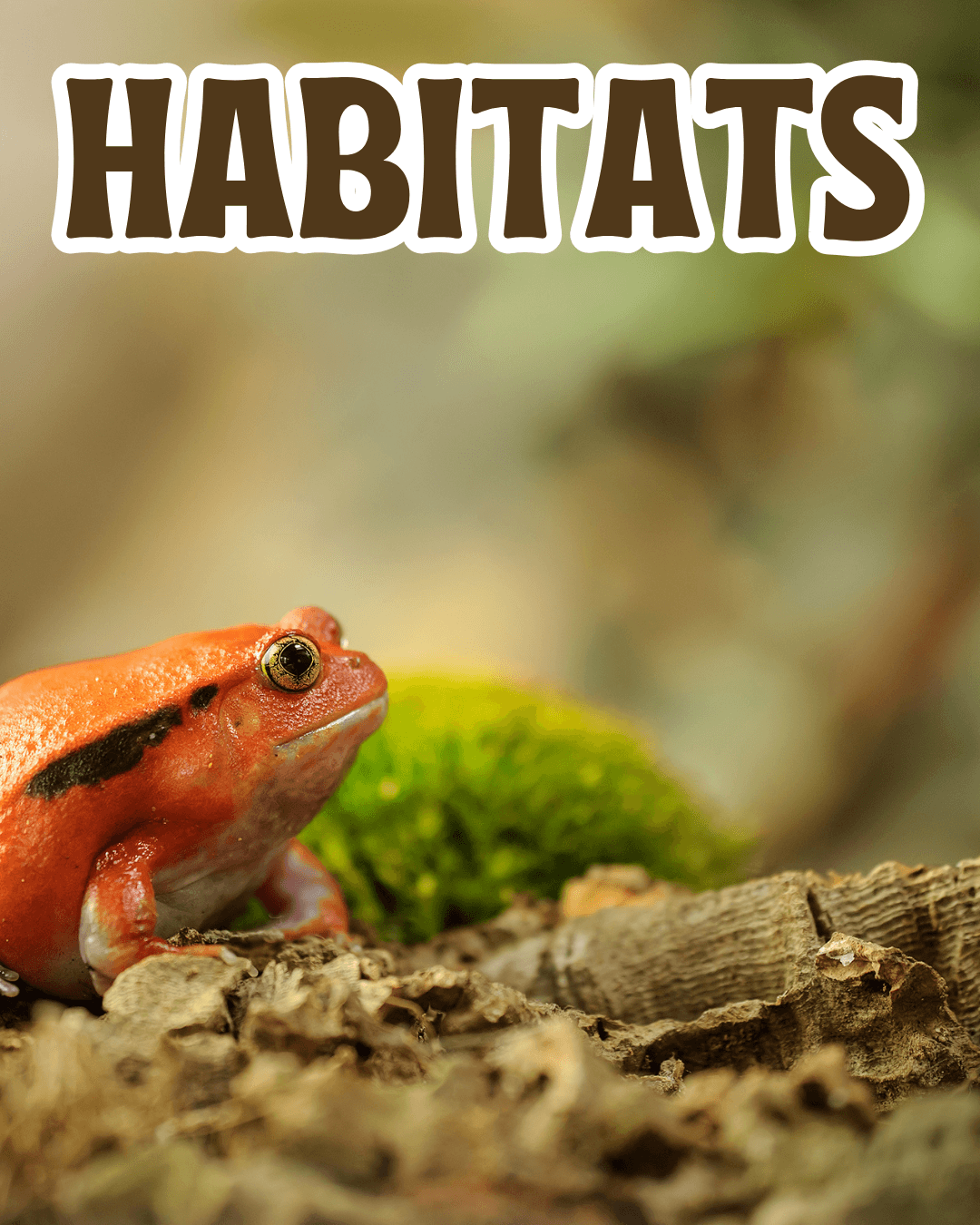
Habitats & Ecosystems: The Web of Life
Key Concepts: Ecosystem dynamics, food chains and webs, carrying capacity, biodiversity, energy transfer, and environmental conservation.
Explore how living organisms interact with their environments! Track the flow of energy, map complex food webs, and discover what makes an ecosystem thrive or collapse.
Everything in nature is connected! In this highly immersive mobile museum experience, a Burpee educator guides your students through a dynamic exploration of Earth’s diverse biomes—with a special focus on our local Illinois prairies, wetlands, and woodlands. By interacting with live animal ambassadors, examining genuine museum specimens, and participating in resource-scarcity simulations, students will discover the delicate balance that keeps ecosystems functioning.
Live Animal Ambassadors May Include: Local Illinois amphibians and reptiles that represent specific trophic levels and endangered/threatened/invasive status.
Tactile Specimen Station: Real museum biofacts, including preserved prairie elements, skull collections showing herbivore/carnivore teeth, and taxidermy specimens of local wildlife.
🎓 Curriculum Alignment Matrix (K-12 Grade Tracks)
🧩 Early Learners (Grades K – 2): Homes, Weather, & Basic NeedsYoung students focus on the immediate relationships between plants, animals, and their surroundings. They will explore what a habitat must provide (food, water, shelter, and space) for a living thing to survive and how changing seasons alter those habitats.
Core Focus: Basic needs of plants and animals, local habitats (forest vs. prairie), and how organisms change their environment.
Standards Unlocked & How We Do It:
- K-LS1-1: Observing patterns in what plants and animals need to survive in their native habitats.
- 1-LS1-1: Discovering how plants and animals use their external parts to design shelters or gather resources from their environment.
- 2-LS2-2: Modeling how animals assist in plant reproduction through seed dispersal and pollination within an ecosystem.
🔍 Elementary Minds (Grades 3 – 5): Food Webs & Environmental ShiftsUpper-elementary students investigate the movement of matter and energy. They map out complex food webs, differentiate between producers, consumers, and decomposers, and analyze what happens to wildlife when a habitat undergoes a sudden change, like a drought or wildfire.Core Focus: Trophic levels, energy pyramids, native vs. invasive species, and environmental changes.
Standards Unlocked & How We Do It:
- 3-LS4-4: Making claims about how environmental changes in a habitat affect the organisms living there (some survive, some move, some die).
- 4-LS1-1: Analyzing how internal and external structures of plants and animals function together to help them thrive within a specific biome.
- 5-LS2-1: Developing a visual model to describe the movement of matter among plants, animals, decomposers, and the environment.
🔬 Middle & High School (Grades 6 – 12): Carrying Capacity, Trophic Cascades, & Human DesignOlder students engage in advanced ecological modeling. They analyze real-world data regarding carrying capacities, simulate the devastating effects of a trophic cascade (such as removing an apex predator), and evaluate human-engineered solutions to restore disrupted ecosystems.
Core Focus: Biotic and abiotic factors, symbiotic relationships, carbon and nitrogen cycles, carrying capacity, and ecological restoration.
Standards Unlocked & How We Do It:
- MS-LS2-1 & HS-LS2-1: Using data and mathematical representations to explain how resource availability affects organisms and populations in an ecosystem.
- MS-LS2-3 & HS-LS2-4: Developing models to simulate the flow of energy and cycling of matter through anaerobic and aerobic conditions.
- HS-LS2-7: Designing, evaluating, and refining a solution for reducing the impacts of human activities on regional biodiversity and ecosystem health.
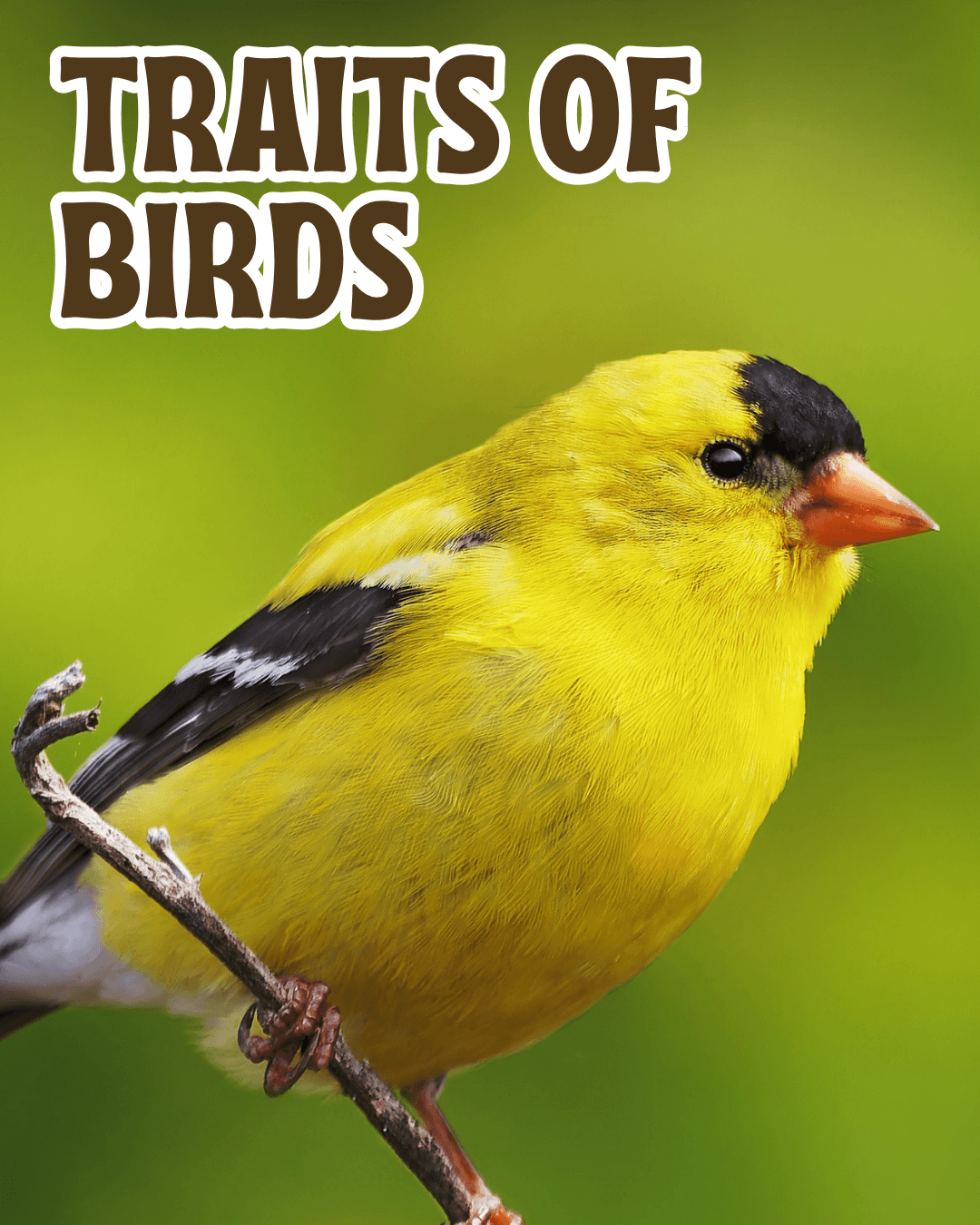
Birds: Built for Flight
Key Concepts: Avian anatomy, aerodynamics, evolutionary adaptations, hollow bone engineering, and ecological niches.
Unpack the incredible engineering of avian life!
Investigate specialized skeletal structures, aerodynamic feather designs, and diverse beak evolutions through real museum specimens.Take flight into the physics and biology of birds! In this highly tactile mobile museum experience, a Burpee educator guides students through an up-close investigation of avian anatomy. Because this program features no live animals, it relies entirely on our extensive collection of real museum biofacts. Students will handle real bird skeletons, analyze feather microstructures under magnification, and test replicated beak shapes to discover how birds conquered the skies and filled every ecological niche on Earth.
Tactile Specimen Station: An extensive collection of real museum specimens, including intact bird skeletons, hollow bone cross-sections, diverse feather types (flight, down, contour), talons, and specialized taxidermy mounts.
🎓 Curriculum Alignment Matrix (K-12 Grade Tracks)
Our curriculum adaptively shifts terminology, difficulty, and hands-on activities based on the targeted age group to hit key standard benchmarks:
🧩 Early Learners (Grades K – 2): Feathers, Beaks, & Nests. Young students use their senses to observe the basic external parts of a bird. By touching real feathers or bird feet, and looking at varied beak shapes, they will discover how feathers keep birds warm and dry, and how different shapes of beaks help them eat different foods.
Core Focus: Basic body parts (wings, beaks, feathers), camouflage vs. bright colors, and how birds care for their young.
Standards Unlocked & How We Do It:
- K-LS1-1: Observing and sorting museum specimens to match what different birds eat with the shape of their beaks.
- 1-LS1-1: Examining feather structures under a magnifying glass to see how they act as natural raincoats and blankets for survival.
- 2-LS4-1: Comparing taxidermy specimens of water birds (like ducks) and forest birds (like woodpeckers) to see how their traits match their homes.
🔍 Elementary Minds (Grades 3 – 5): Skeletal Engineering & Aerodynamics. Upper-elementary students investigate internal structures and the mechanics of flight. By holding real bird bones, they compare the weight of dense mammal bones to hollow avian bones. They also test how different feather shapes create lift and thrust.
Core Focus: Hollow bone structures, feather anatomy (barbs and barbules), beak specialization (the “tools” of the ecosystem), and migration patterns.
Standards Unlocked & How We Do It:
- 3-LS4-3: Analyzing data from our beak-and-tool simulation to prove how specific beak shapes give birds a survival advantage over others.
- 4-LS1-1: Investigating internal systems—like air sacs and hollow, fused skeletons—that function together to make flight physically possible.
- 5-LS2-1: Modeling how birds of prey act as consumers that transfer energy and keep rodent/insect populations balanced in food webs.
🔬 Middle & High School (Grades 6 – 12): Theropod Evolution & Functional Anatomy. Older students engage in advanced evolutionary biology and physics. They examine the skeletal similarities between modern birds and avian dinosaurs (theropods), analyze the mechanics of the avian respiratory system, and study how environmental pressures drive rapid beak evolution.
Core Focus: Avian evolution from dinosaurs, homologous structures, physics of lift/drag, ecological indicators, and population genetics.
Standards Unlocked & How We Do It:
- MS-LS4-2 & HS-LS4-2: Comparing the skeletal structures of modern birds to fossil records to find anatomical evidence of evolutionary relationships to theropod dinosaurs.
- MS-LS1-4: Using museum specimens to explain how specialized behaviors (like complex bird songs) and physical structures (like plumage) increase successful reproduction.
- HS-LS2-7: Evaluating how modern environmental challenges (like light pollution and climate-shifted migration timelines) threaten avian populations, and reviewing conservation designs.
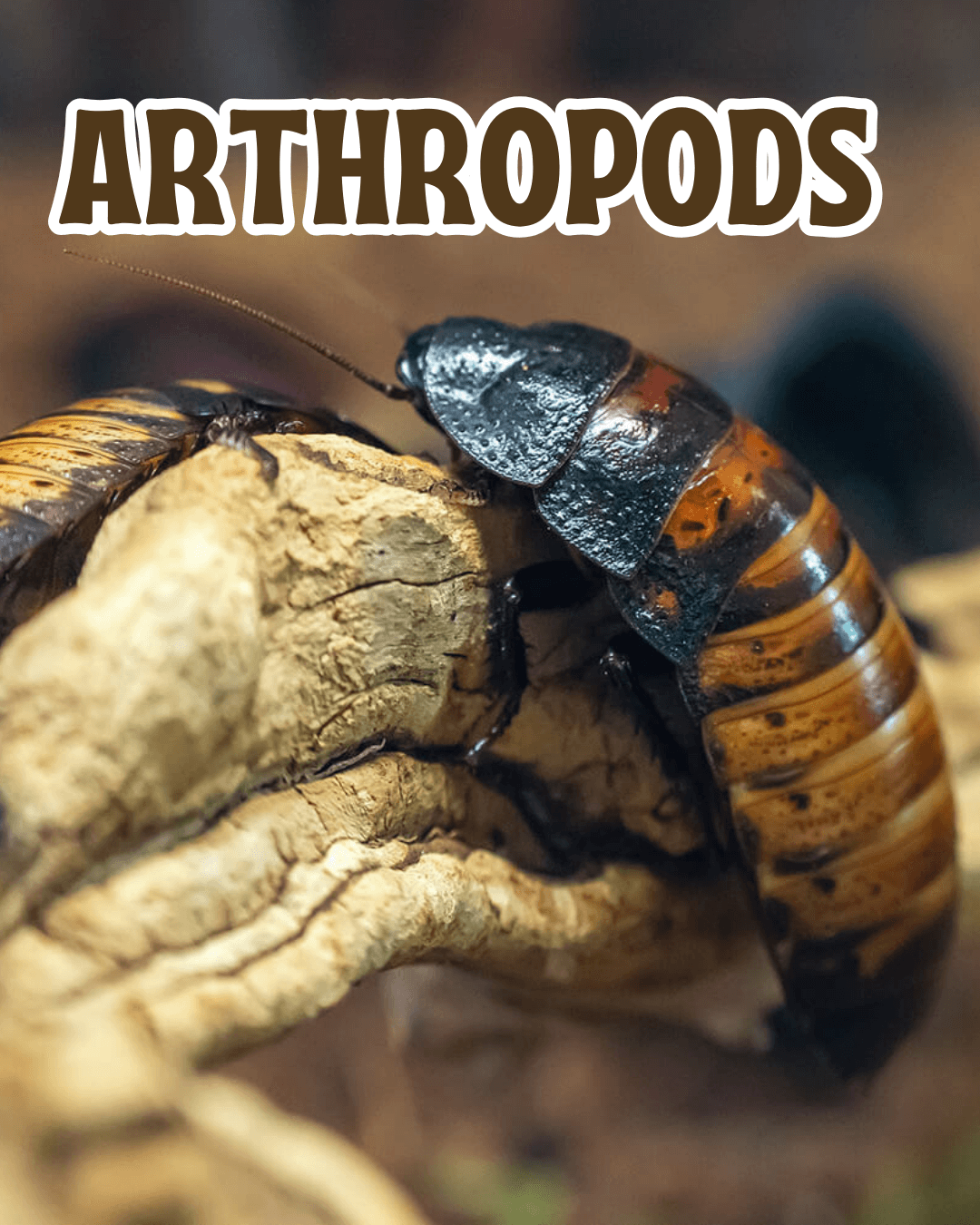
Arthropods: The Armor-Jointed Majority
Key Concepts: Exoskeleton composition (chitin), jointed appendages, metamorphosis, compound vision, and ecological roles (pollination and decomposition).
Step into the world of the planet’s most successful creatures!
Investigate jointed appendages, exoskeleton engineering, and specialized sensory organs through live animals and exotic specimens.Arthropods make up over 80% of all living animal species on Earth! In this high-energy mobile museum experience, a Burpee educator guides students through the incredible biology of insects, arachnids, crustaceans, and myriapods. By observing live ambassadors up close and handling genuine museum biofacts, students will discover how an external skeleton and jointed limbs allowed these ancient creatures to conquer land, air, and sea.
Tactile Specimen Station: Real museum arthropod biofacts, including preserved giant cicada shells, real tarantula molts, preserved exotic beetles, and fossilized trilobites.
🎓 Curriculum Alignment Matrix (K-12 Grade Tracks)
Our curriculum adaptively shifts terminology, difficulty, and hands-on activities based on the targeted age group to hit key standard benchmarks:
🧩 Early Learners (Grades K – 2): Creepy, Crawly Body Parts. Young students use their observational skills to identify the basic structural features of arthropods. They will practice counting legs and body segments to sort insects from arachnids and discover how a hard outer shell keeps these small creatures safe.
Core Focus: Sorting by physical traits (legs, wings, antennae), life cycles (caterpillar to butterfly), and protective armor.
Standards Unlocked & How We Do It:
- K-LS1-1: Observing and mapping how local insects use plants for food and shelter to meet their survival needs.
- 1-LS1-1: Identifying how arthropods use specialized external parts—like a beetle’s hard wing covers or a grasshopper’s jumping legs—to survive.
- 2-LS4-1: Comparing arthropods found in different micro-habitats (under logs vs. flying in prairies) to see how traits match their environments.
🔍 Elementary Minds (Grades 3 – 5): Metamorphosis & Sensory Systems. Upper-elementary students investigate structural and behavioral adaptations. They compare complete vs. incomplete metamorphosis, explore how compound eyes and antennae process sensory information, and simulate the physics of how an exoskeleton supports weight.
Core Focus: Complete vs. incomplete metamorphosis, chitinous exoskeletons, compound vision, and colonial behaviors (social insects).
Standards Unlocked & How We Do It:
- 3-LS1-1: Developing models to compare the unique life cycles of different arthropods, highlighting their distinct stages of growth.
- 4-LS1-1: Analyzing how specialized internal and external structures (like spiracles for breathing or specialized mouthparts) support growth and survival.
- 5-LS2-1: Modeling the critical role arthropods play as primary decomposers and pollinators within terrestrial food webs.
🔬 Middle & High School (Grades 6 – 12): Evolutionary Success & Human Impacts. Older students engage in advanced evolutionary biology and ecology. They trace the evolutionary lineage of arthropods from Cambrian marine trilobites to modern terrestrial species, analyze the genetic advantages of rapid reproductive cycles, and evaluate the impact of global insect declines.
Core Focus: Bilateral symmetry, open circulatory systems, evolutionary divergence, pesticide resistance, and ecosystem services.
Standards Unlocked & How We Do It:
- MS-LS4-2 & HS-LS4-2: Comparing modern arthropod anatomy to fossil records (like ancient sea scorpions) to trace homologous structures and natural selection.
- MS-LS2-1: Analyzing data regarding how changes in environmental factors (like pesticide use or habitat loss) affect regional pollinator populations.
- HS-LS2-7: Evaluating the structural collapse of ecosystems when keystone arthropods are removed, and designing solutions to promote insect conservation.
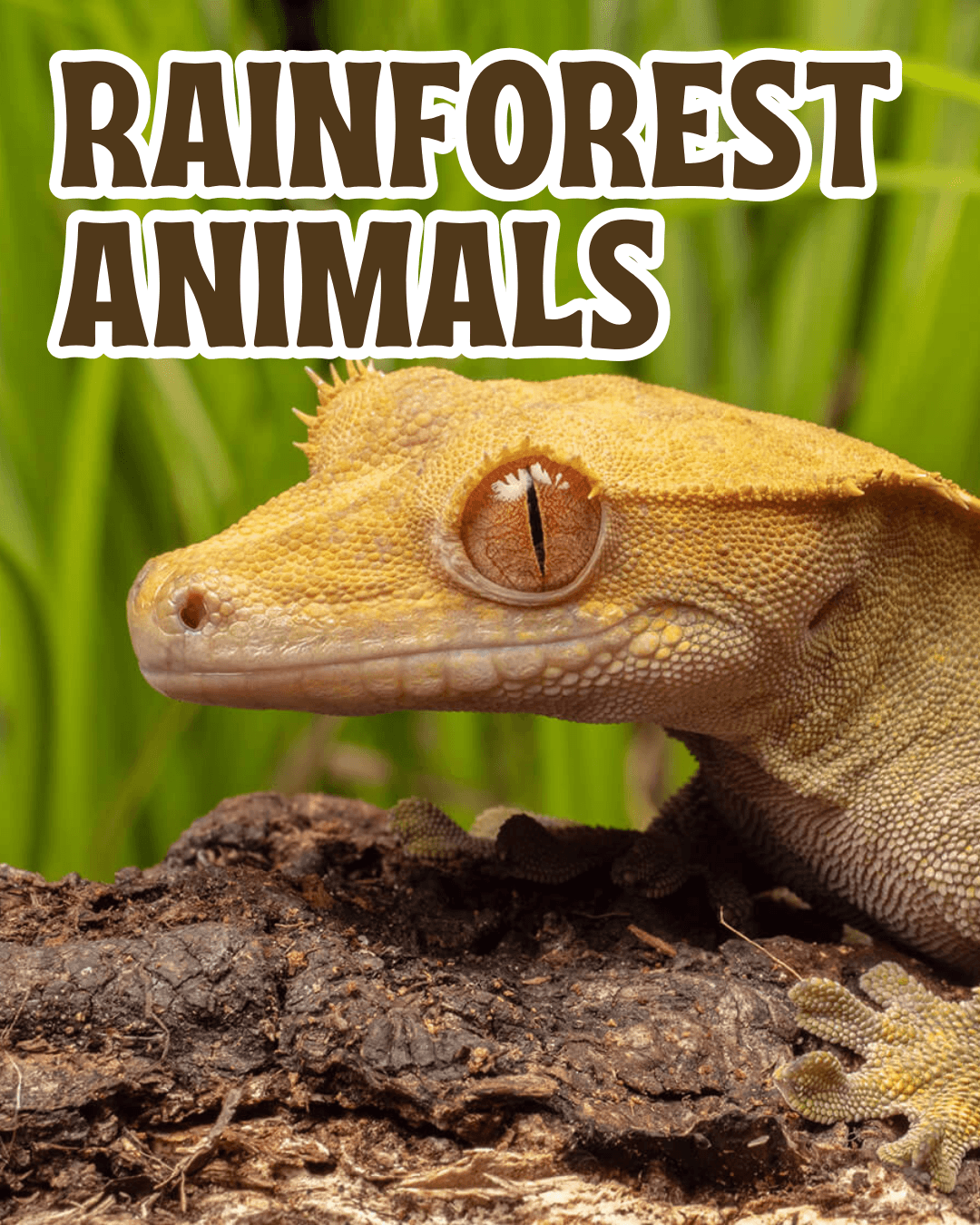
Rainforests: Layers of Life
Key Concepts: Vertical stratification (canopy layers), biodiversity hotspots, resource competition, niche specialization, camouflage, and global conservation.
Journey into the world’s most biodiverse terrestrial ecosystem!
Discover how specialized wildlife adapts to intense competition across unique forest layers using live ambassadors and exotic museum specimens.The tropical rainforest is a vertical metropolis of life, housing over half of the world’s plant and animal species! In this high-energy mobile museum experience, a Burpee educator guides students on an expedition from the dark forest floor all the way up to the sun-drenched emergent canopy. By observing live animal ambassadors up close and interacting with rare biological artifacts, students will discover the radical structural, behavioral, and physiological adaptations required to survive in this warm, crowded, and competitive environment.
Tactile Specimen Station:Real museum rainforest biofacts, including iridescent morpho butterfly displays, beak and skull replicas, feathers, skins, and more.
🎓 Curriculum Alignment Matrix (K-12 Grade Tracks)
Our curriculum adaptively shifts terminology, difficulty, and hands-on activities based on the targeted age group to hit key standard benchmarks:
🧩 Early Learners (Grades K – 2): Colors, Layers, & Finding Food. Young students use their observational skills to explore how rainforest animals use camouflage to hide from predators or bright warning colors to signal danger.
Core Focus: Basic survival needs, camouflage vs. mimicry, forest floor vs. tree dwellers, and specialized climbing traits.
Standards Unlocked & How We Do It:
- K-LS1-1: Observing and sorting animals based on how they forage for food in different vertical levels of the forest.
- 1-LS1-1: Identifying how rainforest creatures use specialized body parts (like a chameleon’s eyes or a gecko’s sticky feet) to navigate and survive in the trees.
- 2-LS4-1: Comparing the immense diversity of life found in a tropical rainforest habitat to local Illinois woodlands to explore species richness.
🔍 Elementary Minds (Grades 3 – 5): Microclimates & Niche Specialization. Upper-elementary students investigate structural and behavioral adaptations driven by resource competition. They explore how the lack of sunlight on the forest floor creates a unique microclimate for decomposers, map complex multi-tier food webs, and study how animals evolve specialized traits to exploit specific food sources.
Core Focus: Vertical stratification, microclimates, specialized diets (frugivores, insectivores), and symbiotic relationships.
Standards Unlocked & How We Do It:
- 3-LS4-3: Evaluating scientific evidence to explain how a rainforest animal’s physical traits (like a sloth’s slow metabolism or a toucan’s long beak) give it a survival advantage in its specific niche.
- 4-LS1-1: Analyzing how internal and external structures work in tandem to process sensory information in a dense, low-light understory.
- 5-LS2-1: Developing a visual model to describe the rapid movement of matter and energy from canopy producers down to floor decomposers.
🔬 Middle & High School (Grades 6 – 12): Co-Evolution, Deforestation, & Climate Regulation. Older students engage in advanced evolutionary biology and environmental science. They analyze the co-evolutionary relationships between tropical plants and specialized pollinators, evaluate the global ecological consequences of rainforest fragmentation, and study the biome’s critical role in carbon sequestration and climate stability.
Core Focus: Co-evolutionary arms races, gene pool isolation, carbon cycling, indicator species, habitat fragmentation, and sustainable biodiversity initiatives.
Standards Unlocked & How We Do It:
- MS-LS2-1 & HS-LS2-1: Using mathematical models to analyze how rapid habitat destruction and deforestation impact carrying capacities and drive species extinction.
- MS-LS4-2 & HS-LS4-2: Comparing morphological traits of geographically isolated tropical species to understand allopatric speciation and natural selection.
- HS-LS2-7: Evaluating engineered conservation solutions (such as wildlife corridors and sustainable agroforestry) designed to mitigate human impacts on global tropical biodiversity.
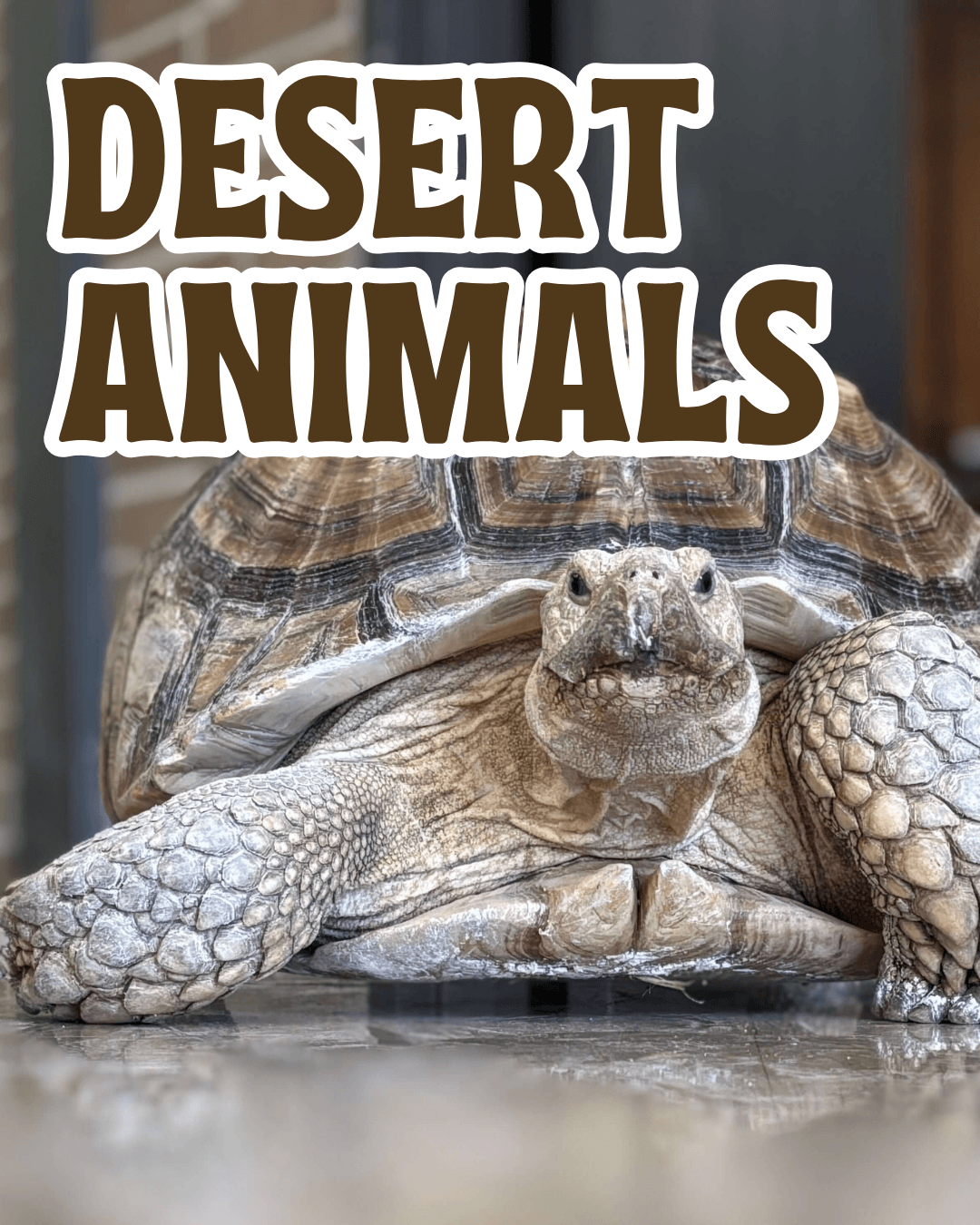
Desert: Extreme Survival
Key Concepts: Xeromorphic adaptations, thermoregulation, water conservation, nocturnal behavior, and desert food chains.
Discover how life thrives in the world’s most arid environments!
Explore radical evolutionary adaptations, water conservation strategies, and unique nocturnal behaviors. Deserts might look empty, but they are teeming with highly specialized life! In this immersive mobile museum experience, a Burpee educator introduces your students to the harsh realities of desert ecosystems. By observing live desert animals, investigating physical adaptations, and exploring how water scarcity drives evolution, students will learn how these resilient creatures turn environmental challenges into survival advantages.
Tactile Specimen Station: Real museum desert biofacts, including taxidermy specimens, specialized predator skulls, animal skin & fur samples.
🎓 Curriculum Alignment Matrix (K-12 Grade Tracks)
Our curriculum adaptively shifts terminology, difficulty, and hands-on activities based on the targeted age group to hit key standard benchmarks:
🧩 Early Learners (Grades K – 2): Hot, Cold, & Hard to Find. Young students focus on the basic needs of desert animals and how they protect themselves from extreme heat. They will observe physical traits like light-colored scales that reflect sunlight and behaviors like digging burrows to find shade.
Core Focus: Basic survival needs, hot vs. cold desert environments, camouflage, and underground shelters.
Standards Unlocked & How We Do It:
- K-ESS3-1: Modeling how desert animals use their surrounding resources (like sand and rocks) to meet their physical survival needs.
- 1-LS1-1: Identifying how animals use external body parts (like large ears for heat release or thick skin) to survive in arid zones.
- 2-LS4-1: Comparing the diversity of life in a desert habitat to a wet forest habitat to show how environments dictate animal traits.
🔍 Elementary Minds (Grades 3 – 5): Water Scarcity & Behavioral ShiftsUpper-elementary students investigate structural and behavioral adaptations. They explore how desert creatures obtain water from their food without drinking, analyze nocturnal life cycles, and study how desert predators hunt in total darkness.
Core Focus: Metabolic water production, nocturnal vs. diurnal schedules, burrow microclimates, and water retention.
Standards Unlocked & How We Do It:
- 3-LS4-3: Evaluating scientific evidence to explain how a desert animal’s specific traits (like a camel’s hump or a lizard’s specialized scales) give it a survival advantage.
- 4-LS1-1: Analyzing how internal systems (like hyper-efficient kidneys) and external structures work together to keep desert animals hydrated.
- 5-LS2-1: Developing a food web model to describe how matter and energy move through a resource-scarce desert ecosystem.
🔬 Middle & High School (Grades 6 – 12): Micro-Evolution, Osmoregulation, & Climate Pressures. Older students look at physiological modeling. They analyze how desert animals manage osmoregulation (salt and water balance), study the evolutionary pathways of desert specialists, and predict how expanding global deserts affect biodiversity.
Core Focus: Osmoregulation, evaporative cooling alternatives, desertification, evolutionary selection, and ecosystem resilience.
Standards Unlocked & How We Do It:
- MS-LS2-1 & HS-LS2-1: Using data to explain how severe water and resource limits dictate the carrying capacity of desert wildlife populations.
- MS-LS4-2 & HS-LS4-2: Comparing anatomical features of desert specialists to their temperate relatives to trace micro-evolutionary changes driven by environment.
- HS-LS2-7: Evaluating the impacts of human-driven desertification and climate shifts on arid ecosystems, and proposing stabilization strategies.
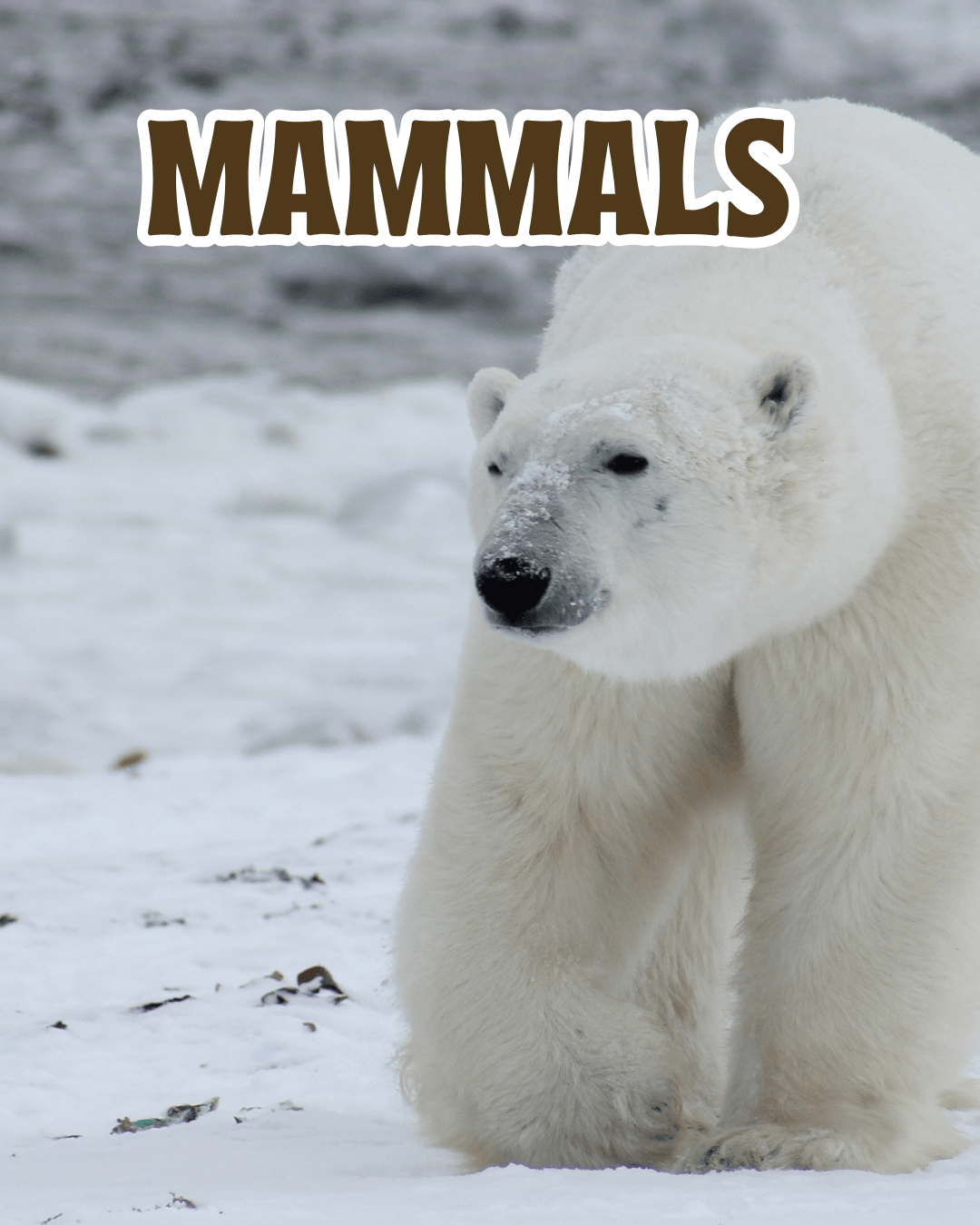
Mammals: Warm-Blooded Adaptations
Key Concepts: Endothermy (warm-bloodedness), dental specialization, mammalian hair/fur modifications, skeletal locomotion, and reproductive diversity.
Investigate the secrets behind mammalian dominance!
Explore fur insulation, diverse dental strategies, and specialized skeletal architecture using live ambassadors and incredible museum specimens.What defines a mammal? In this highly interactive mobile museum experience, a Burpee educator guides students through the remarkable biology of the animal class that conquered the planet after the age of the dinosaurs. By observing live animal ambassadors up close and handling genuine museum biofacts, students will investigate the complex structural, behavioral, and physiological traits such as endothermy, milk production, and specialized skeletons—that allow mammals to thrive in nearly every habitat on Earth.
Tactile Specimen Station: An extensive collection of real museum specimens, including real mammal pelts (insulation types), comparative skull collections (carnivore, herbivore, omnivore jaws), antler vs. horn structures, and claw/hoof biofacts.
🎓 Curriculum Alignment Matrix (K-12 Grade Tracks)
Our curriculum adaptively shifts terminology, difficulty, and hands-on activities based on the targeted age group to hit key standard benchmarks:
🧩 Early Learners (Grades K – 2): Fur, Teeth, & Family Life. Young students use their senses to observe the basic external traits of mammals. By touching real mammal pelts and looking at different teeth shapes, they will discover how fur keeps mammals warm and dry, how their teeth help them chew unique foods, and how mammal parents care for their babies.
Core Focus: Basic body coverings (hair/fur), sorting teeth (sharp vs. flat), locomotion (running, hopping, climbing), and parental care.
Standards Unlocked & How We Do It:
- K-LS1-1: Observing and sorting museum skulls to match what mammals eat (plants vs. meat) with the physical shape of their teeth.
- 1-LS1-2: Analyzing behavioral patterns of mammal parents and offspring that help the young survive (nursing, protection, and teaching).
- 2-LS4-1: Comparing mammal specimens from different local habitats (like a forest squirrel vs. a wetland beaver) to see how their traits match their homes.
🔍 Elementary Minds (Grades 3 – 5): Internal Thermostats & Specialized Skulls. Upper-elementary students investigate structural, physiological, and behavioral adaptations. They explore the physics of endothermy (how mammals convert food into body heat), analyze how specialized jaw mechanics dictate a mammal’s place in the food web, and study sensory systems like echolocation and night vision.
Core Focus: Endothermic vs. ectothermic energy budgets, dental formulas, winter survival strategies (hibernation, migration, thick winter coats), and sensory processing.
Standards Unlocked & How We Do It:
- 3-LS4-3: Evaluating scientific evidence to explain how a mammal’s specific traits (like a beaver’s flat tail or a predator’s forward-facing eyes) give it a survival advantage.
- 4-LS1-1: Investigating internal and external systems—such as high-speed nervous systems and specialized muscle structures—that function together to support survival.
- 5-LS2-1: Modeling how mammalian predators, herbivores, and scavengers move energy through terrestrial food webs.
🔬 Middle & High School (Grades 6 – 12): Homologous Structures, Speciation, & Environmental Pressures. Older students engage in more advanced evolutionary biology and ecology. They examine homologous skeletal structures across diverse mammal orders (ie: comparing a human hand, a bat wing, and a whale flipper), analyze the divergence of marsupials, monotremes, and placentals, and evaluate human impacts on modern mammal populations.
Core Focus: Homologous structures, evolutionary lineages from synapsids, mammalian reproductive branches, trophic cascades, and conservation genetics.
Standards Unlocked & How We Do It:
- MS-LS4-2 & HS-LS4-2: Analyzing the skeletal anatomy of modern mammals and fossil records to find anatomical evidence of evolutionary relationships and common ancestry.
- MS-LS2-1: Using population data to explain how the removal of a keystone mammal predator (such as wolves or cougars) triggers a trophic cascade that alters an entire ecosystem.
- HS-LS2-7: Evaluating human-driven threats to local Illinois mammal populations (such as habitat fragmentation affecting bobcats or bats) and designing wildlife corridor solutions to maintain biodiversity.
Outreach Booking, Pricing & Logistics
The following logistical parameters and pricing models apply uniformly to all Traveling Science Outreach programs listed above. We handle the heavy lifting, bringing the museum’s wonder directly to your location!
Multi-Session Discounts: Planning a full day of science? Booking multiple back-to-back sessions on the same day drops the classroom workshop cost.
Travel Fees: Proudly serving Rockford, the surrounding Winnebago County, and regional school districts. Programs traveling outside a 25-mile radius of the museum may be subject to a minor per-mile mileage surcharge.
How to Book Your Traveling Science Experience
Our school outreach calendar fills up rapidly, especially during spring and fall field season peaks. Ready to secure your date?
Pick Your Modules: Choose from our aligned programs
Contact Our Education Coordinator: Email Nicole Hayes (nicole.hayes@burpee.org)
Have Your Details Ready: Please provide your preferred dates, total estimated student counts, grade tracks (K–12), and physical presentation venue specs.