
Woodland Box Turtle
(Terrapene carolina carolina)
“Shelby”
Quick Facts:
Common Name: Woodland Box Turtle
Scientific Name: Terrapene carolina carolina
Native Range: Eastern and central United States, including parts of southern Illinois
Habitat: Deciduous forests, woodland edges, moist leaf litter, meadows, and forest clearings
Diet: Omnivorous—earthworms, insects, berries, mushrooms, carrion, and plant material
Conservation Status: Not federally listed; declining in many states due to habitat loss, road mortality, and collection. Protected in several states including parts of the Midwest.
Meet Our Resident
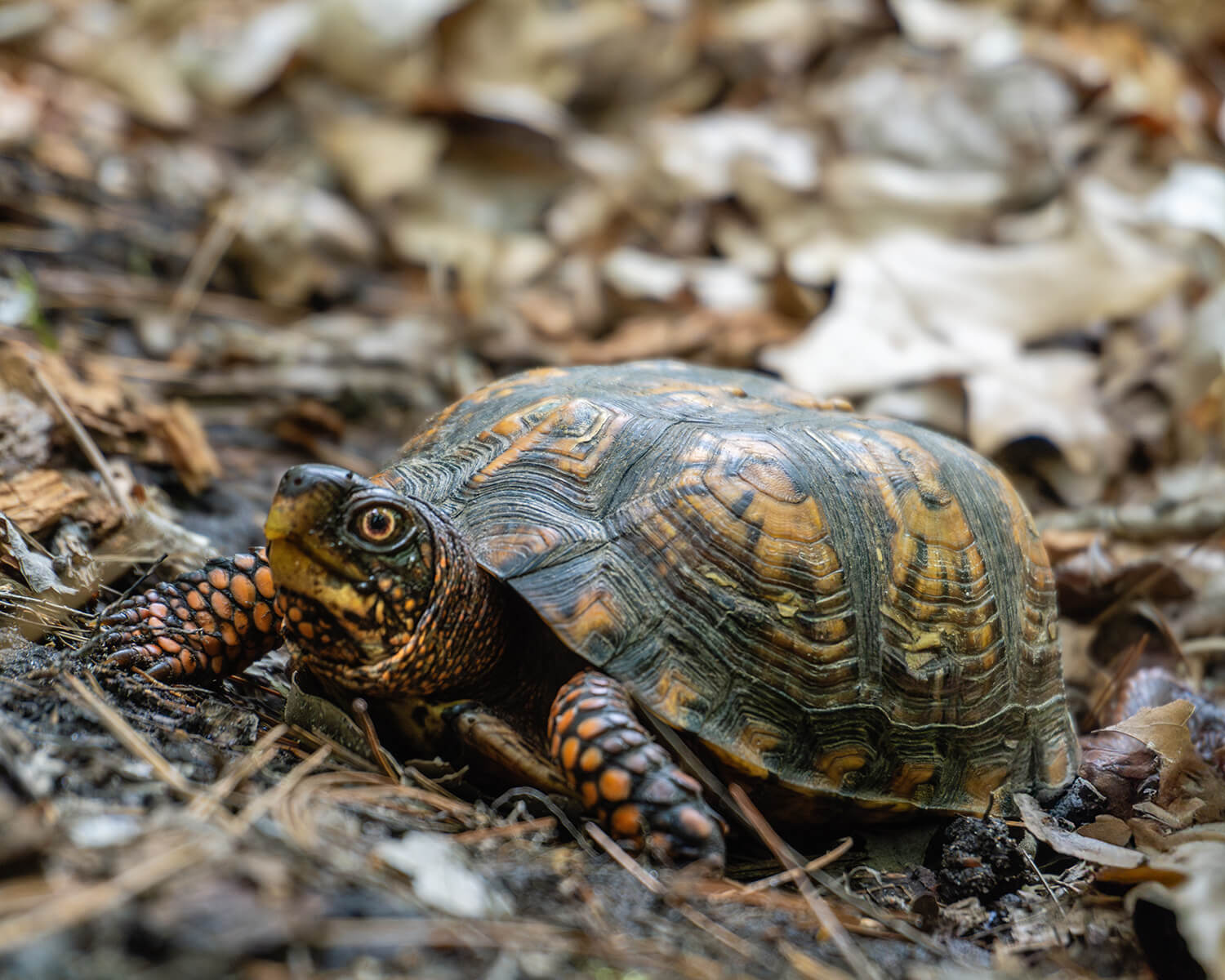
Burpee’s Woodland Box Turtle is a curious, slow-moving ambassador with an ornately patterned shell. Known for its gentle disposition and striking orange and brown markings, this turtle often explores its enclosure methodically, investigating logs and leaf litter just as it would in the forests of the eastern United States. Its hinged plastron allows it to fully close its shell—a unique trait that fascinates visitors.
Connections to the Museum
The Woodland Box Turtle helps visitors understand the delicate balance of Illinois’ forest ecosystems and the pressures facing native wildlife today. Box turtles also resemble fossilized North American turtles in Burpee’s collection, illustrating how certain shell structures have endured for millions of years.
Natural History & Behavior
Woodland Box Turtles are terrestrial turtles that spend their lives roaming forest floors. They rely on humid microhabitats, retreating into leaf litter, hollow logs, or burrows during dry periods. Highly omnivorous, they play an important ecological role by dispersing seeds and controlling insect populations. They are long-lived—often exceeding 40–60 years in the wild—and display strong site fidelity, frequently remaining within the same home range for decades. Our box turtle is in her 80’s!!
Evolutionary Connections
Members of the genus Terrapene belong to the American box turtle lineage, which has fossil roots extending into the Miocene. Their hinged lower shell (plastron) is a remarkable evolutionary adaptation that provides full protection from predators—an innovation that set them apart from many other freshwater and terrestrial turtles. Their persistence and relatively unchanged body structure highlight the success of this survival strategy over geologic time.
Wild Habitat & Distribution
Woodland Box Turtles inhabit forested regions from New England through the southeastern United States and westward into parts of the Midwest. They depend on well-shaded environments, moist soils, and access to sunny patches for thermoregulation. Declines across much of their range are linked to habitat fragmentation, road collisions, and removal from the wild.
SNAKES:

Ball Python
(Python regius)
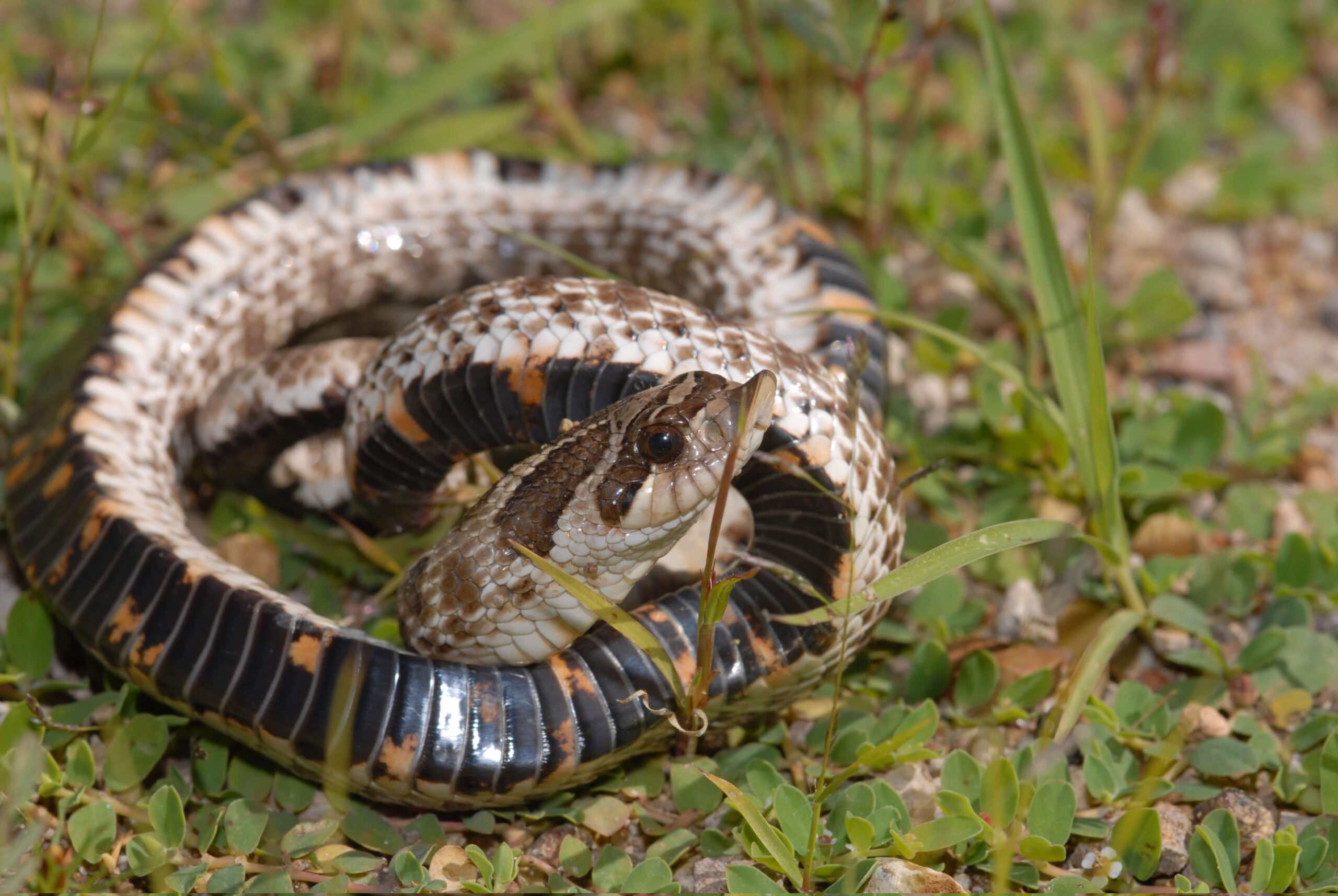
Western Hognose Snake
(Heterodon nasicus)
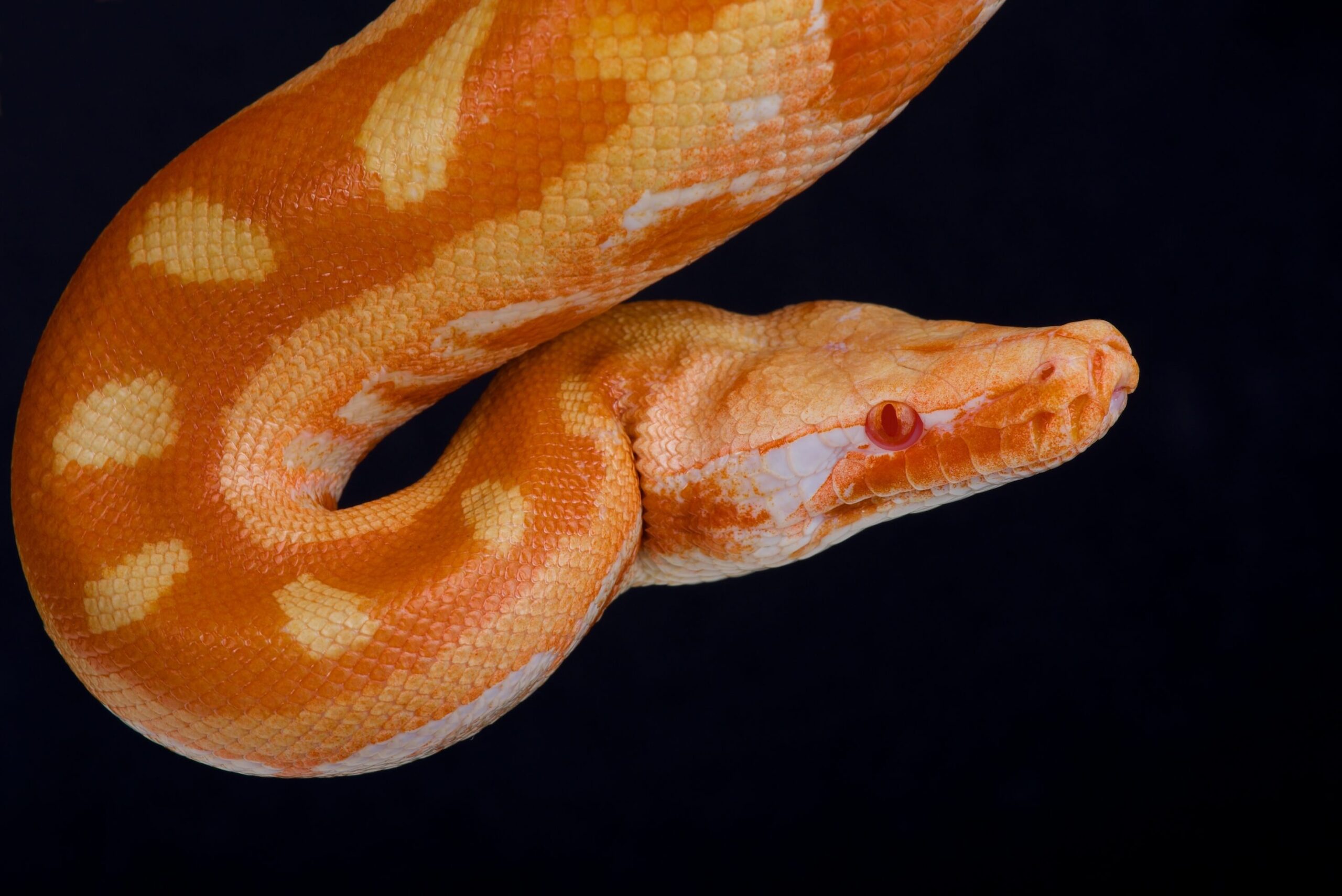
Blood Python
(Python brongersmai)
TURTLES:

Sulcata Tortoise
(Centrochelys sulcata)
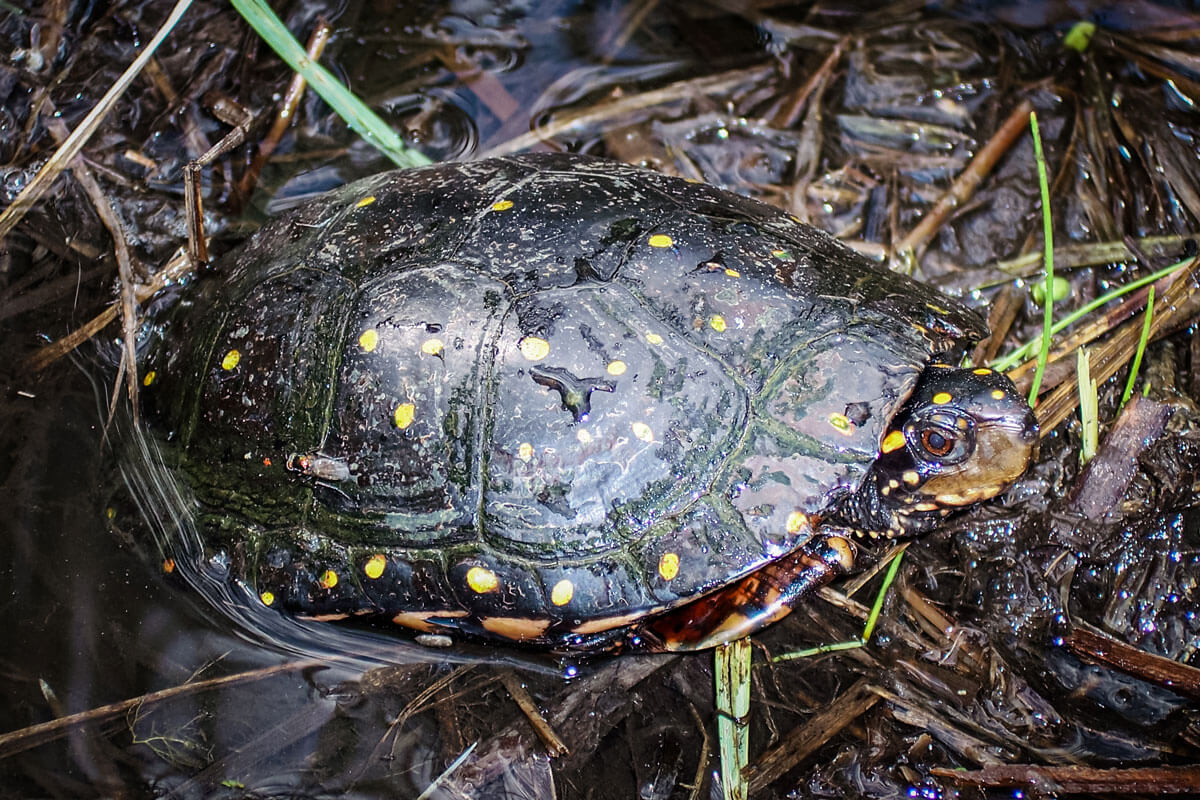
Spotted Turtle
(Clemmys guttata)

River Cooter
(Pseudemys concinna)
LIZARDS:
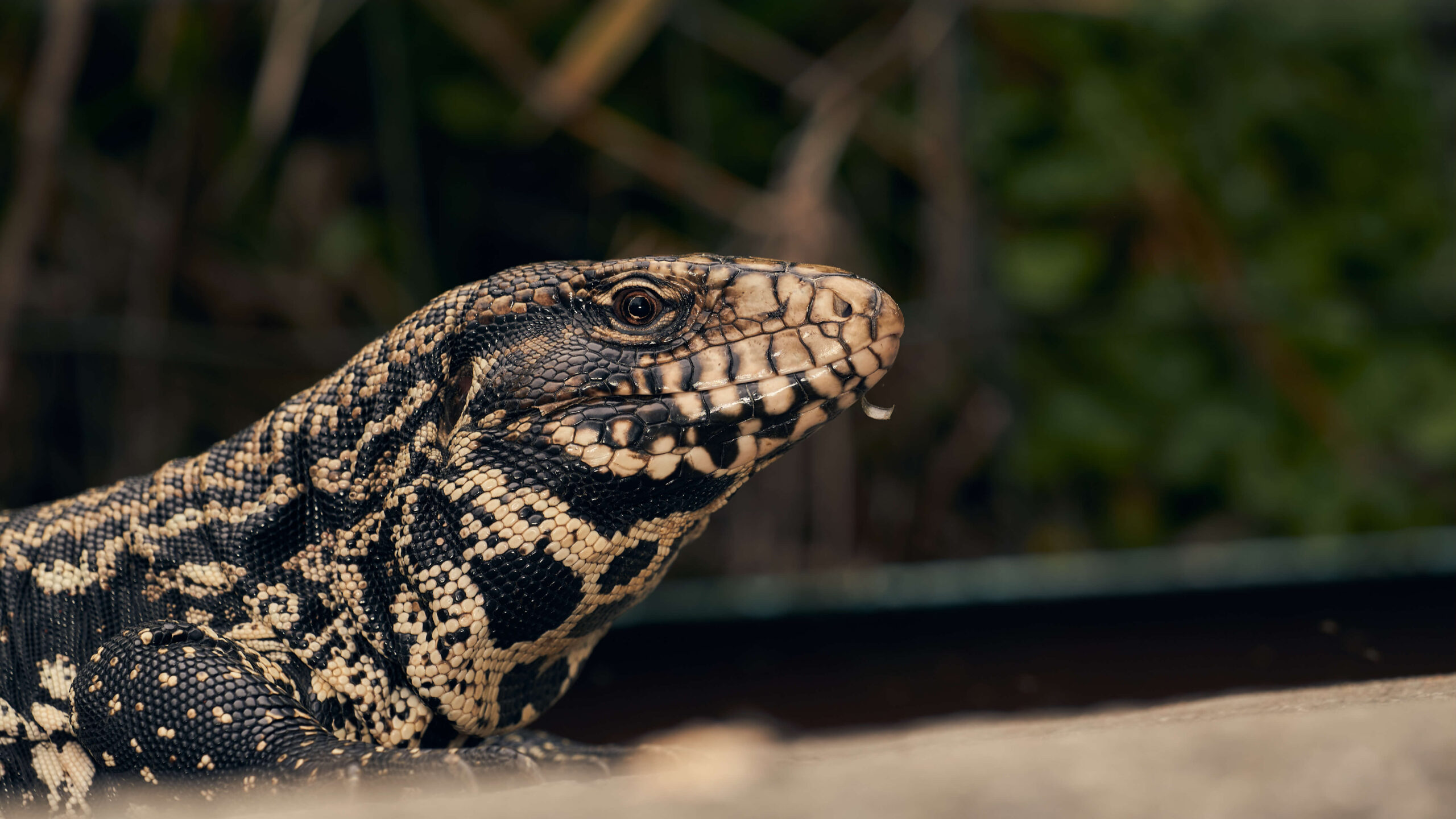
Argentine Tegu
(Salvator merianae)

Plated Lizard
(Gerrhosaurus major)
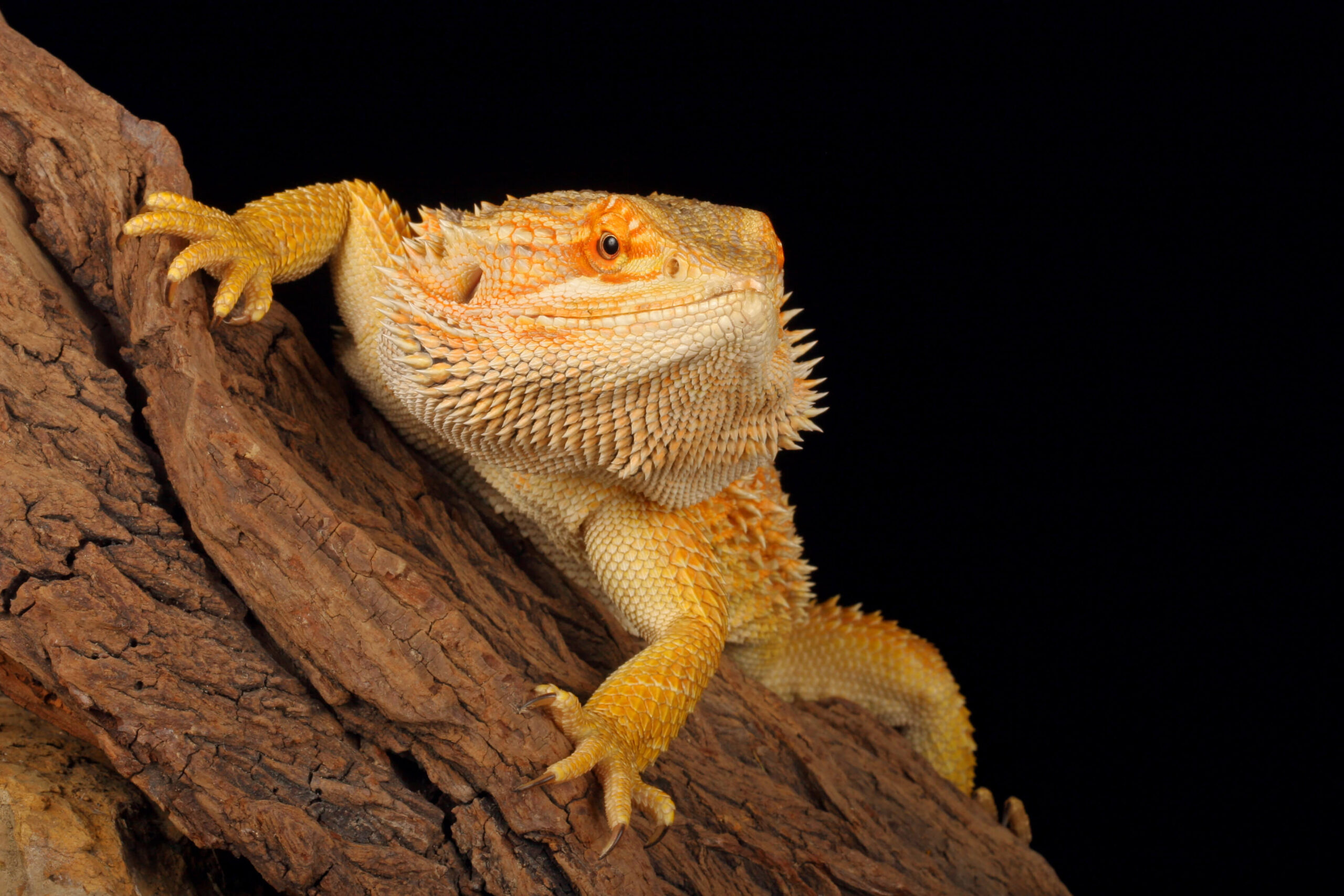
Bearded Dragon
(Pogona vitticeps)
ARTHROPODS:

Desert Millipede
(Orthoporus ornatus)
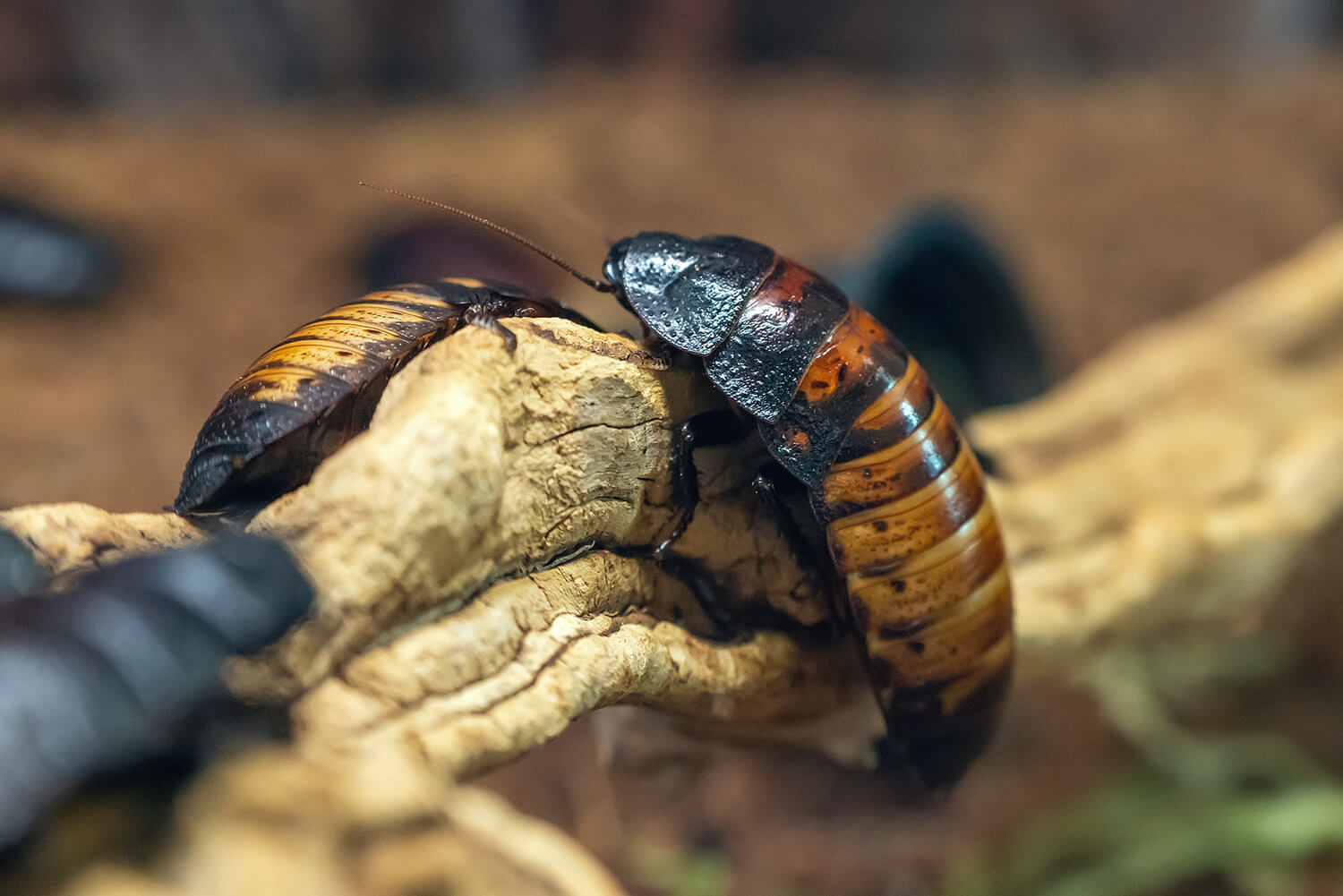
Madagascar Hissing Cockroach
(Gromphadorhina portentosa)
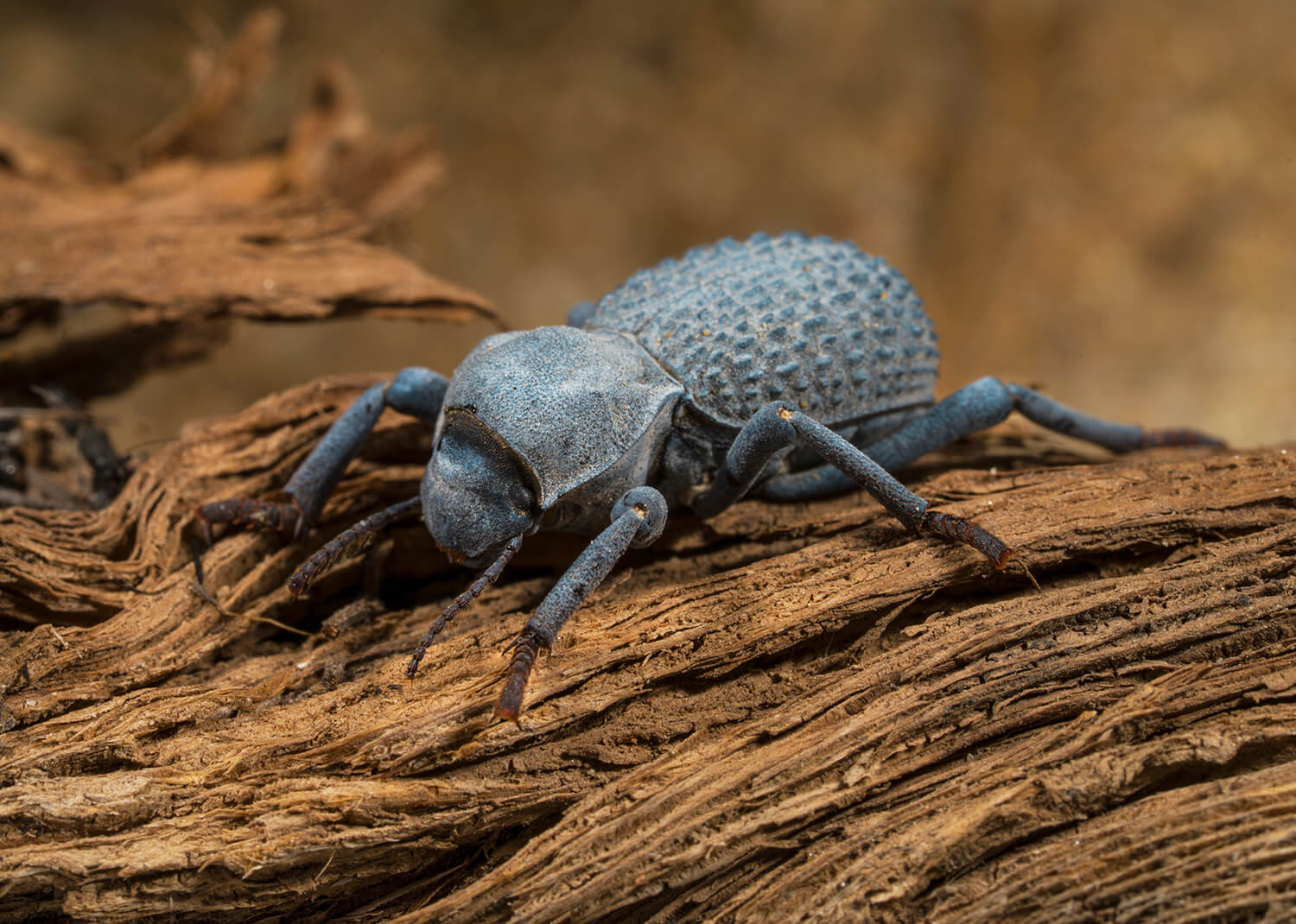
Blue Death Feigning Beetle
(Asbolus verrucosus)