
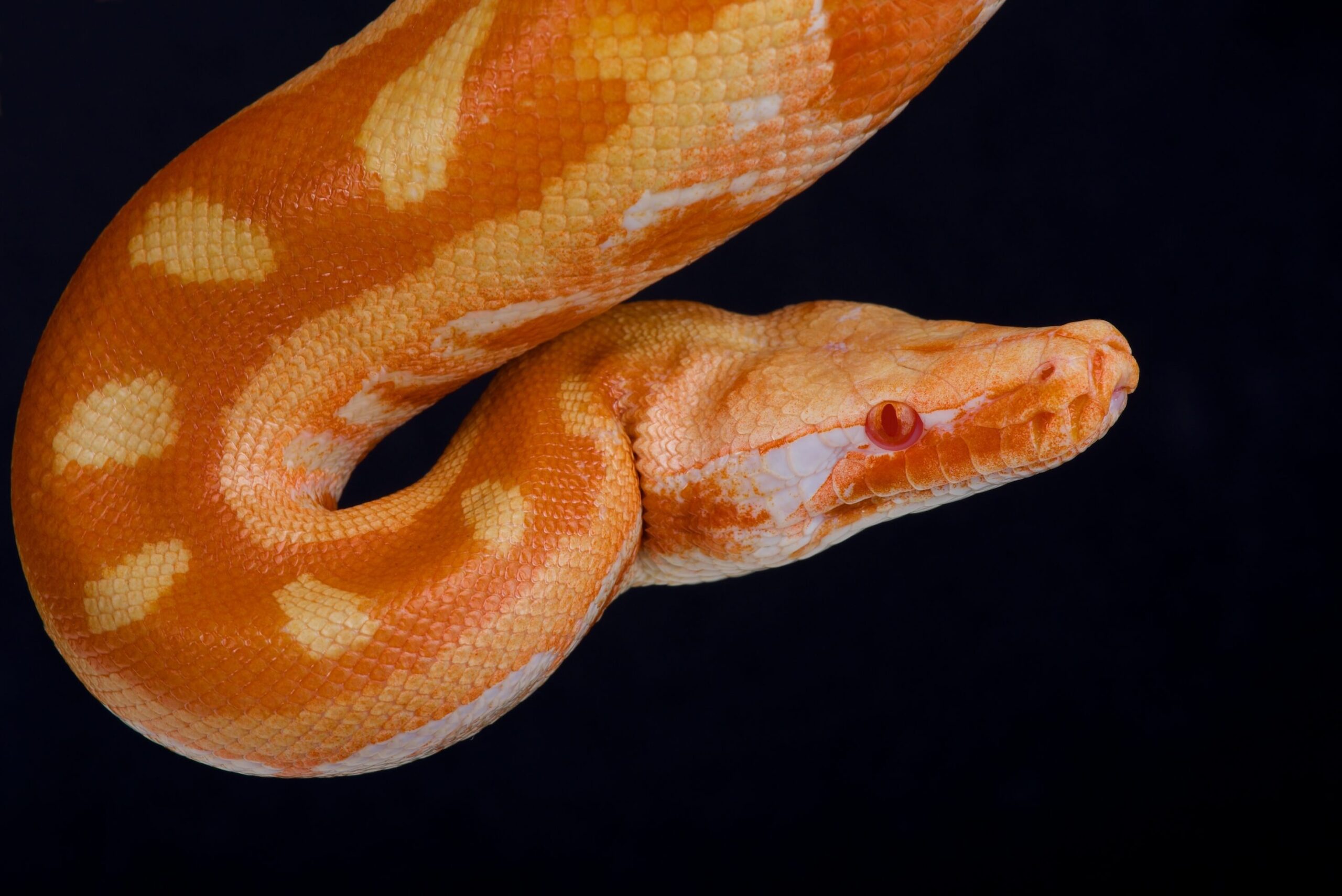
Blood Python
(Python brongersmai)
“Nagini”
Quick Facts:
Common Name: Blood Python
Scientific Name: Python brongersmai
Native Range: Peninsular Malaysia, Sumatra, and Thailand
Habitat: Tropical lowland forests, marshes, and agricultural edges
Diet: Small mammals and birds
Conservation Status: Least Concern (IUCN), though threatened by habitat loss
Meet Our Resident
A striking python, featuring deep red and brown coloration and a thick muscular body, she is an ambush predator. While less tolerant of handling, she provides a powerful visual example of tropical reptile evolution and diversity.
Natural History & Behavior
These heavy-bodied snakes prefer warm, humid environments and often hide in dense vegetation. They ambush prey using both visual and heat cues. Despite their formidable appearance, they are secretive and non-aggressive in the wild.
Evolutionary Connections
Blood Pythons represent Southeast Asia’s tropical python lineage, diverging from African ancestors millions of years ago. Fossils of early constrictors show how global snake lineages adapted to differing ecosystems after continental drift separated ancestral populations.
Wild Habitat & Distribution
Found in lowland rainforests and along river margins throughout Sumatra and the Malay Peninsula.
Conservation & Status
Though still widespread, populations are impacted by habitat clearance and the skin trade. Burpee’s specimen underscores ethical animal sourcing and the importance of sustainable captive-breeding practices.
SNAKES:

Ball Python
(Python regius)
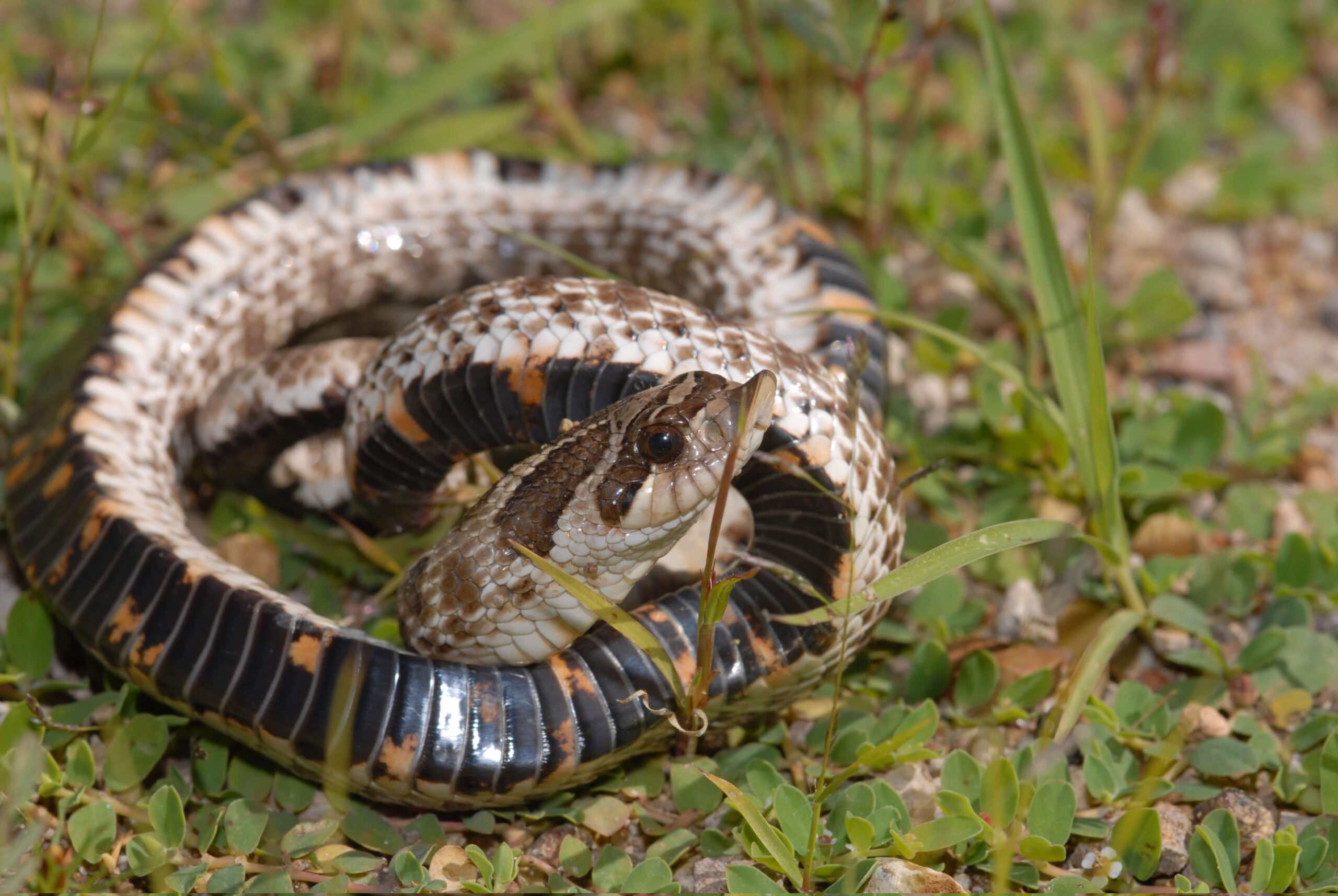
Western Hognose Snake
(Heterodon nasicus)
Blood Python
(Python brongersmai)
TURTLES:

Sulcata Tortoise
(Centrochelys sulcata)
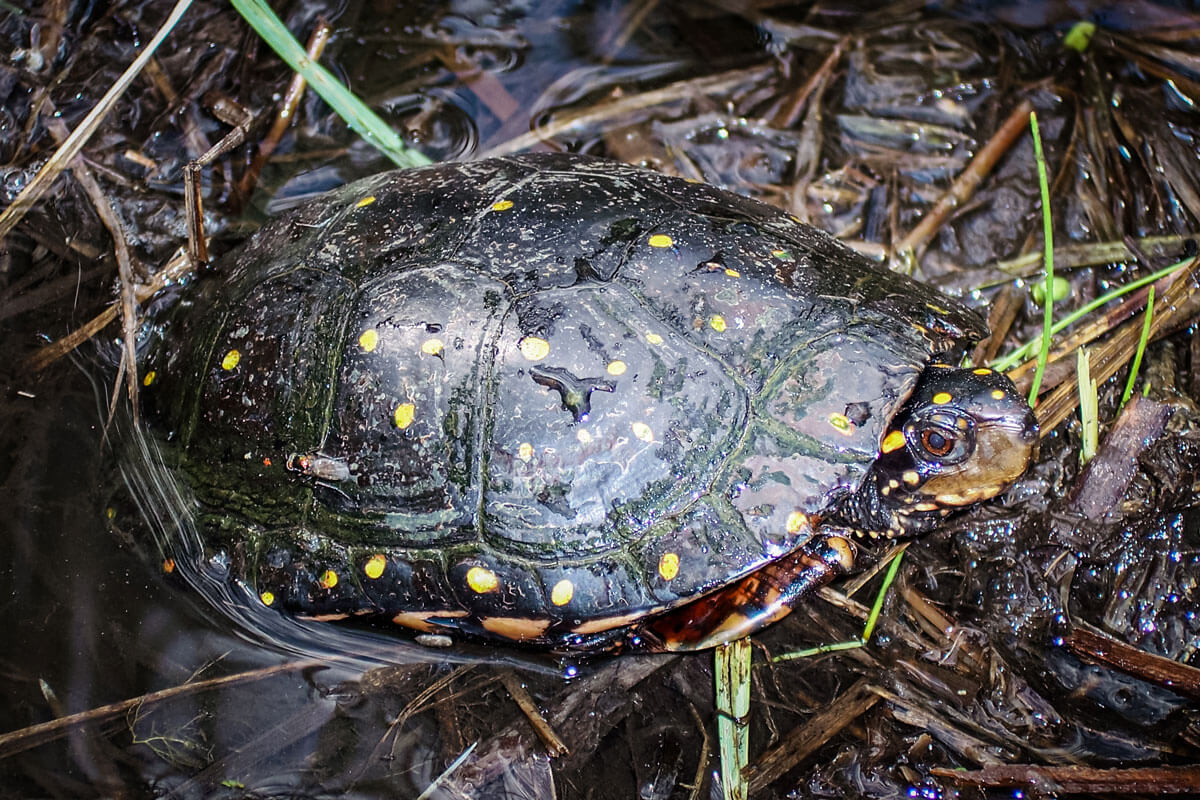
Spotted Turtle
(Clemmys guttata)

River Cooter
(Pseudemys concinna)
LIZARDS:
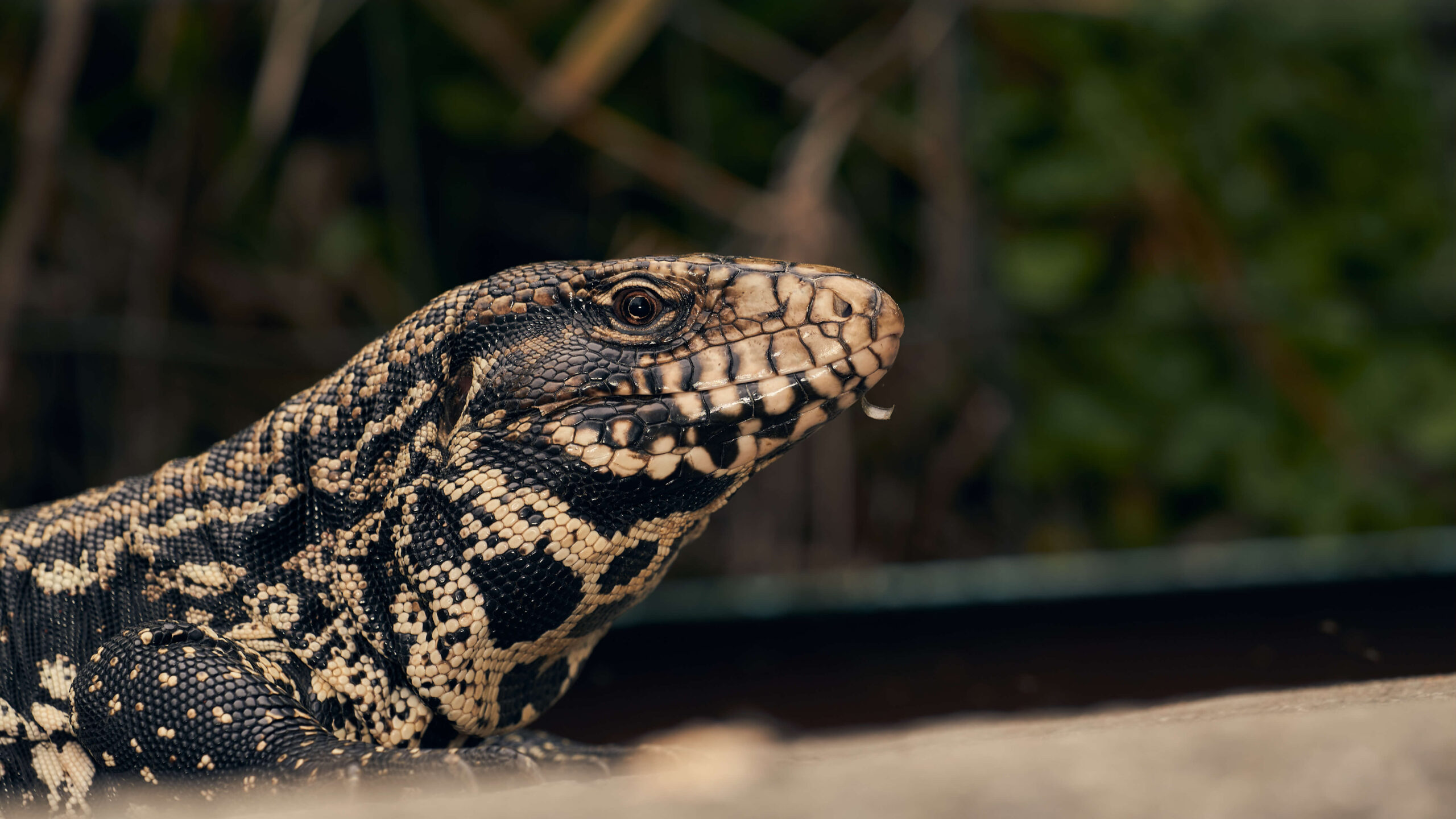
Argentine Tegu
(Salvator merianae)

Plated Lizard
(Gerrhosaurus major)
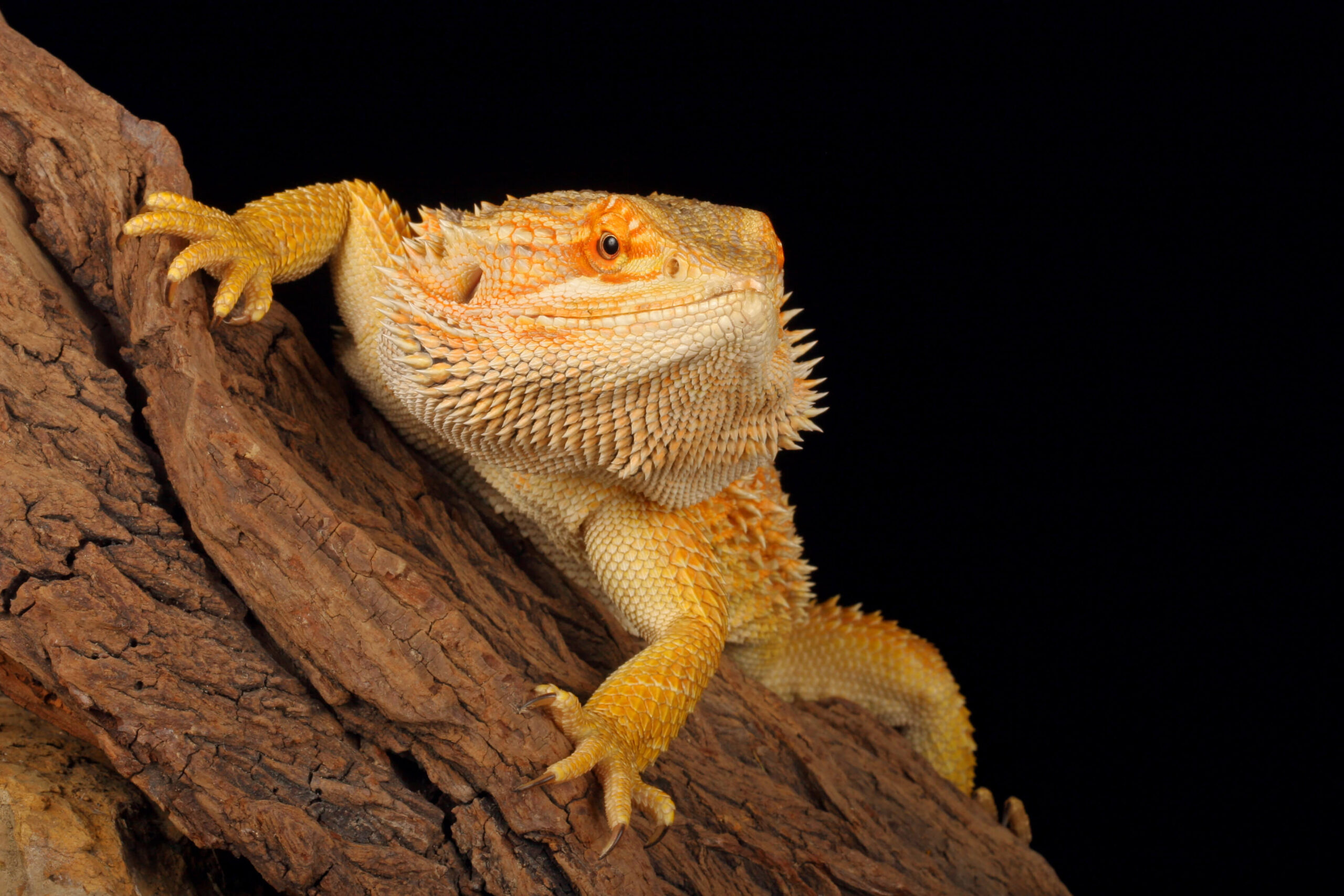
Bearded Dragon
(Pogona vitticeps)
ARTHROPODS:

Desert Millipede
(Orthoporus ornatus)
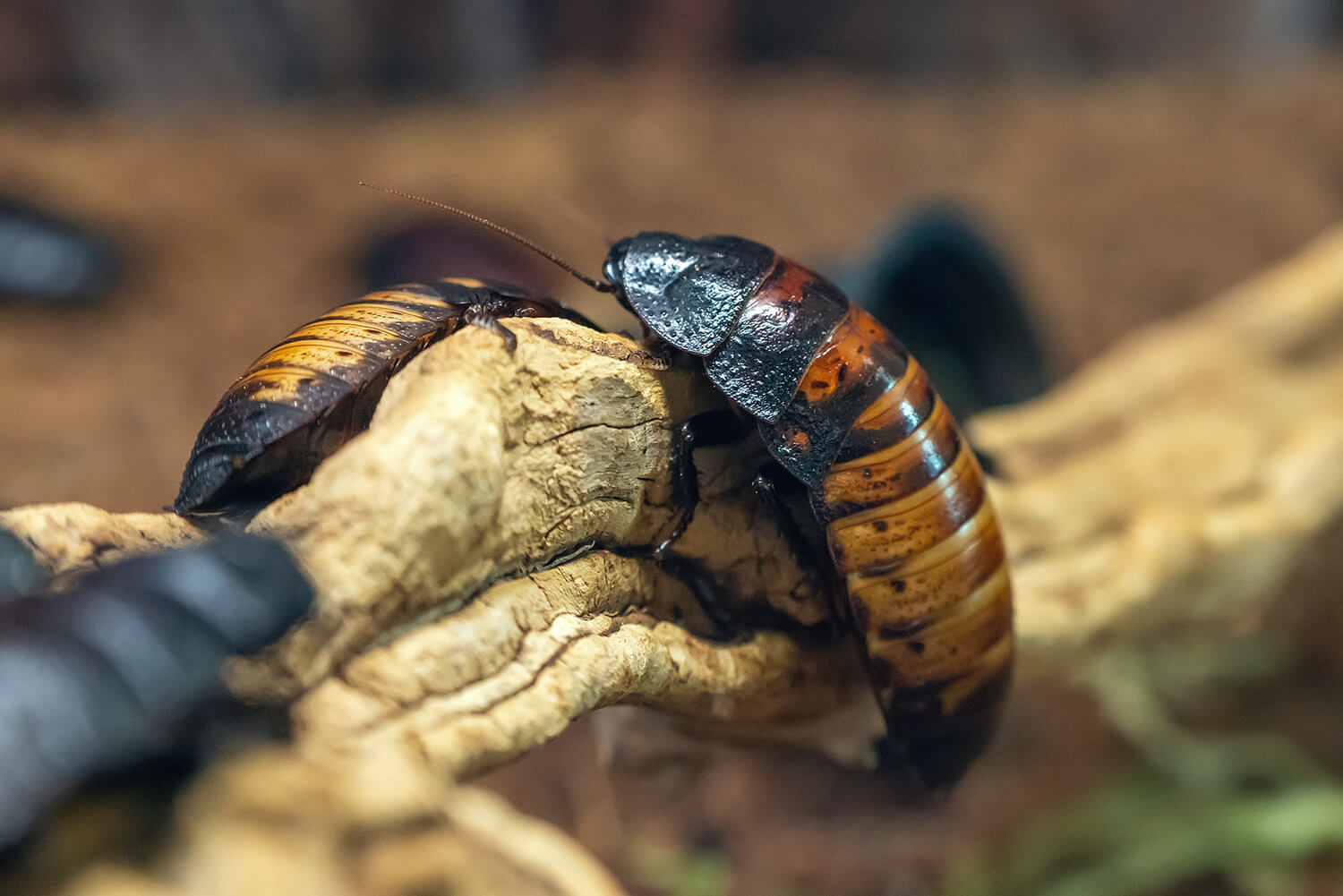
Madagascar Hissing Cockroach
(Gromphadorhina portentosa)
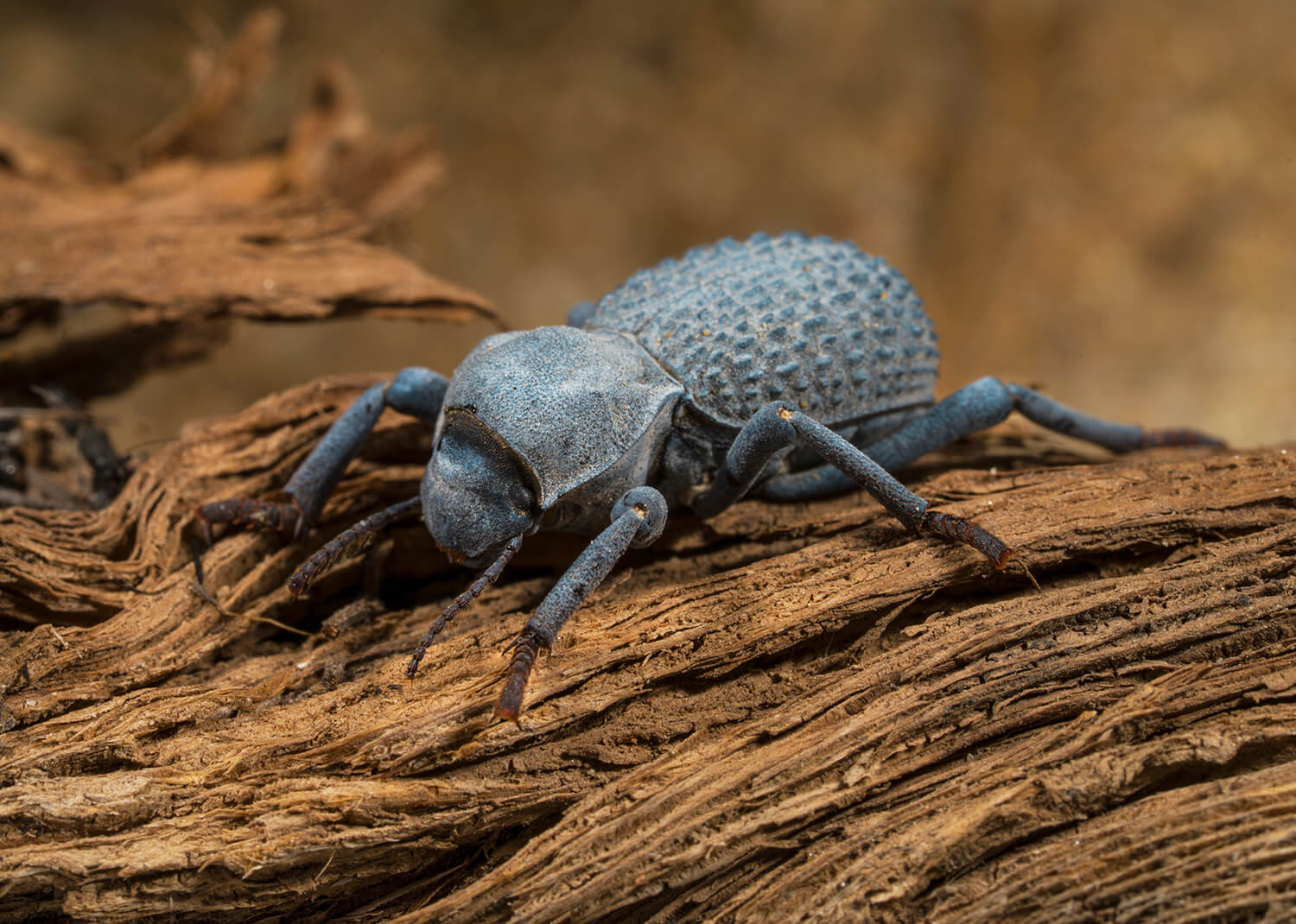
Blue Death Feigning Beetle
(Asbolus verrucosus)