
Western Hognose Snake
(Heterodon nasicus)
“Kevin Bacon” & “Miss Piggy”
Quick Facts:
Quick Facts
Common Name: Western Hognose Snake
Scientific Name: Heterodon nasicus
Native Range: Central United States and southern Canada; found throughout the Great Plains, including western Illinois
Habitat: Sandy prairies, open grasslands, and loose-soil areas ideal for burrowing
Diet: Amphibians, small rodents, and reptile eggs; known for feeding heavily on toads
Conservation Status: Listed as Threatened in Illinois under the Illinois Endangered Species Protection Board due to habitat loss and fragmentation; globally, Least Concern (IUCN).
Meet Our Residents
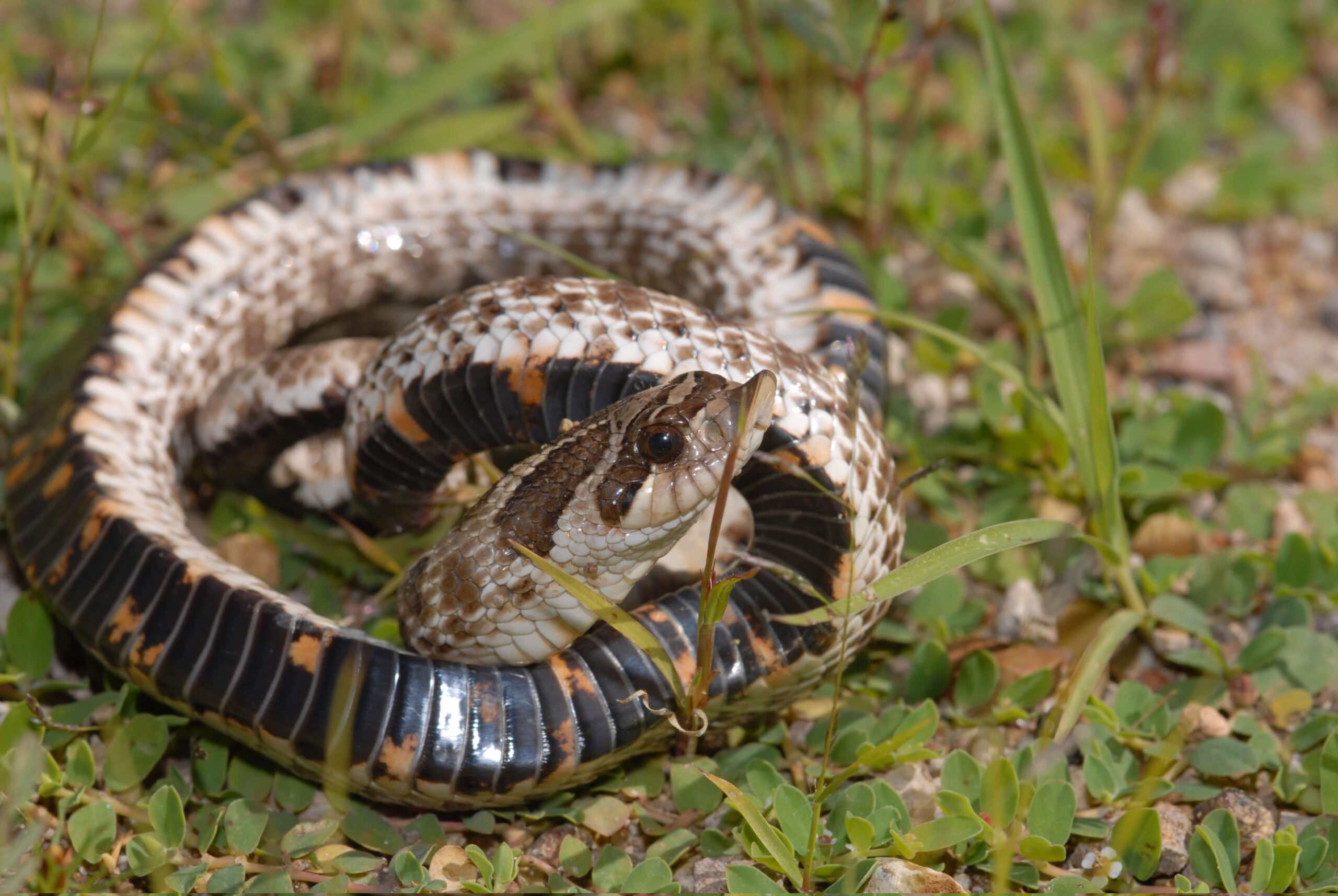
Burpee’s Western Hognose snakes are diggers, so you might not find them easily. They are known for their upturned snout and dramatic defensive displays. When startled, it may flatten its neck, hiss, and even roll onto its back with its tongue out—playing dead. This theatrical performance often deters predators. Both of our juvenile Hognose snakes were confiscated by the IDNR due to illegal trafficking of the snakes, and were turned over to Burpee for full-time care.
Natural History & Behavior
Hognose snakes are small, stout-bodied snakes with a distinctive upturned snout used for digging. They are active during the day, particularly in warm months, and often seen near sandy soils where they search for toads—their preferred prey. Unlike constrictors, they use mild venom to subdue amphibians but pose no danger to humans. Their behavior includes mock strikes and dramatic defensive postures to deter predators.
Evolutionary Connections
Modern hognose snakes belong to the colubrid family, a group with deep fossil roots extending into the Miocene epoch. Their specialized upturned snout and bluffing behaviors represent evolutionary responses to a toad-based diet and open prairie environments. These adaptations connect to broader reptile evolution themes in Burpee’s galleries, where visitors see how species morphology changes to fit ecological niches.
Wild Habitat & Distribution
The Western Hognose inhabits the Great Plains and extends eastward into Illinois’ sand prairies and river terraces. It requires loose, well-drained soil for burrowing and nesting. In Illinois, remaining populations are restricted to a few protected natural areas, primarily along the Illinois and Mississippi river systems.
Conservation & Status
Although secure across most of its range, the Western Hognose is Threatened in Illinois due to loss of sand prairie habitats through agriculture and development. It is protected under the Illinois Endangered Species Act, and collection from the wild is prohibited without a permit. Burpee’s specimen serves as an educational ambassador to raise awareness about local reptile conservation, emphasizing the importance of prairie restoration and protection of native biodiversity.
SNAKES:

Ball Python
(Python regius)
Western Hognose Snake
(Heterodon nasicus)
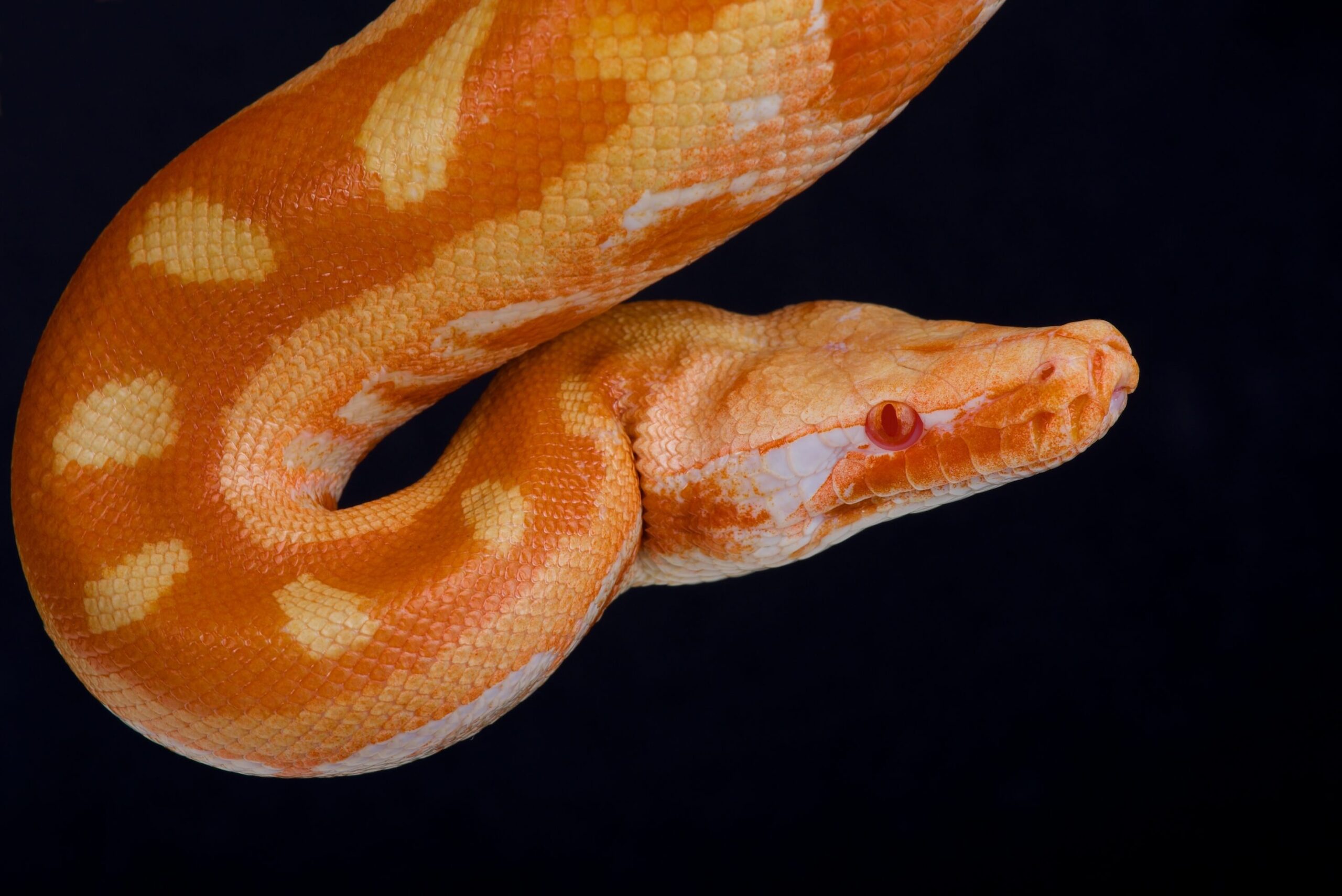
Blood Python
(Python brongersmai)
TURTLES:

Sulcata Tortoise
(Centrochelys sulcata)
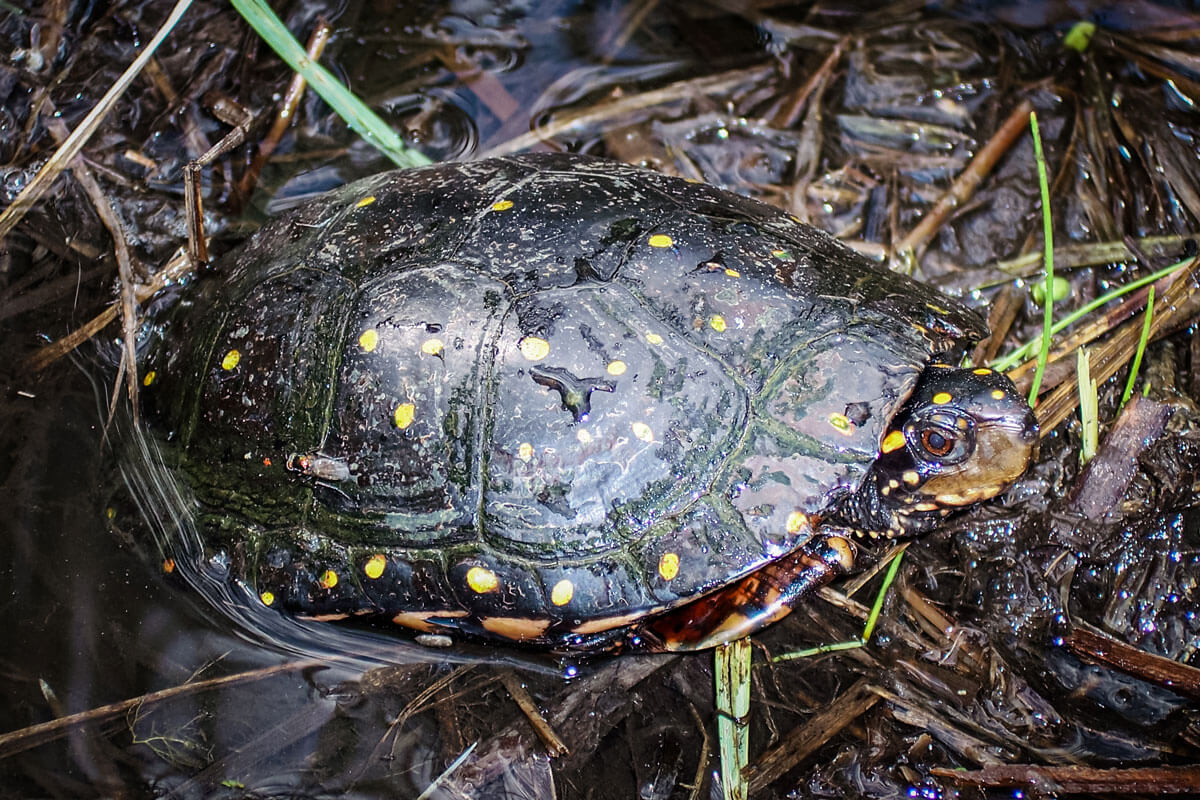
Spotted Turtle
(Clemmys guttata)

River Cooter
(Pseudemys concinna)
LIZARDS:
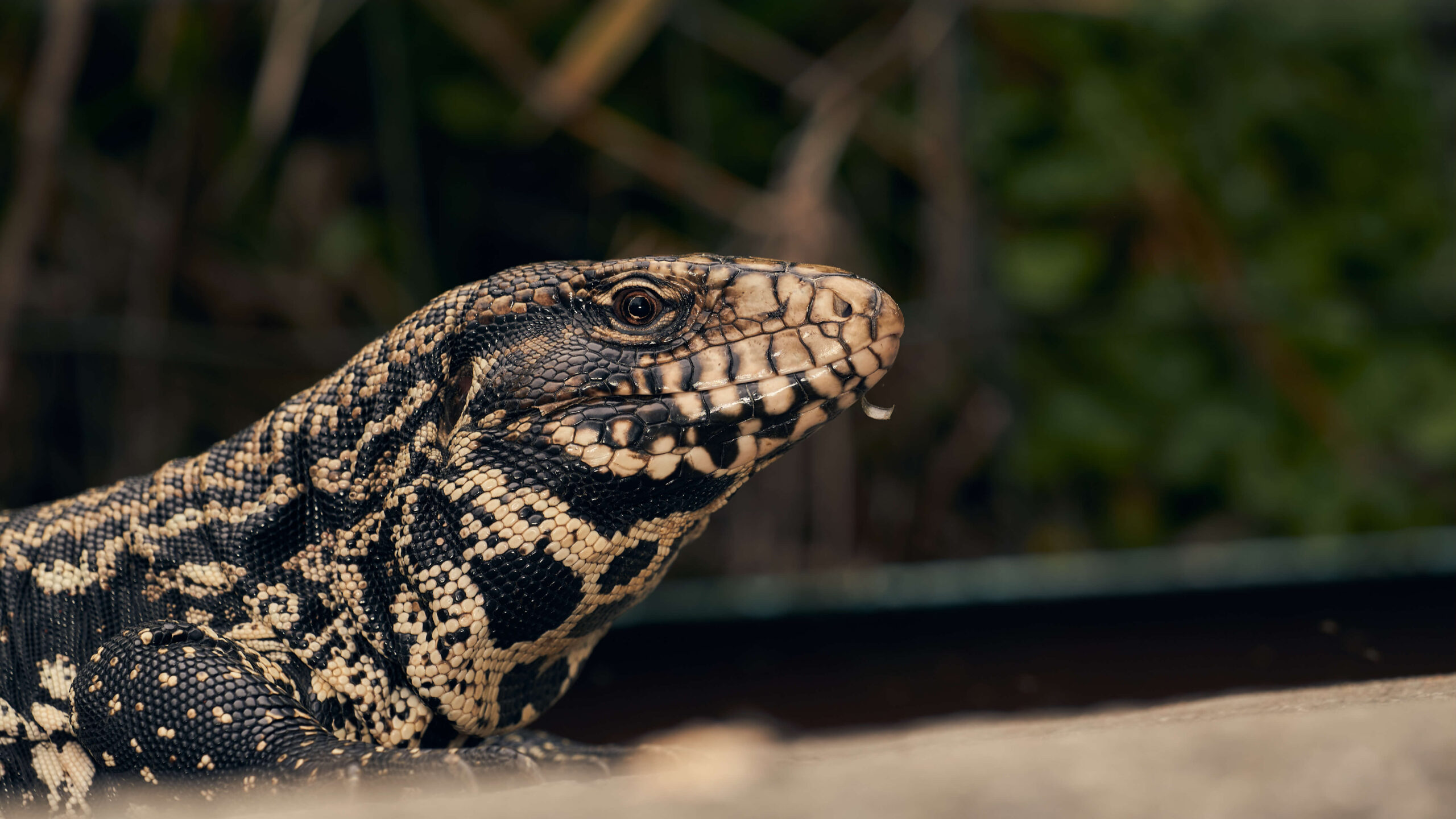
Argentine Tegu
(Salvator merianae)

Plated Lizard
(Gerrhosaurus major)
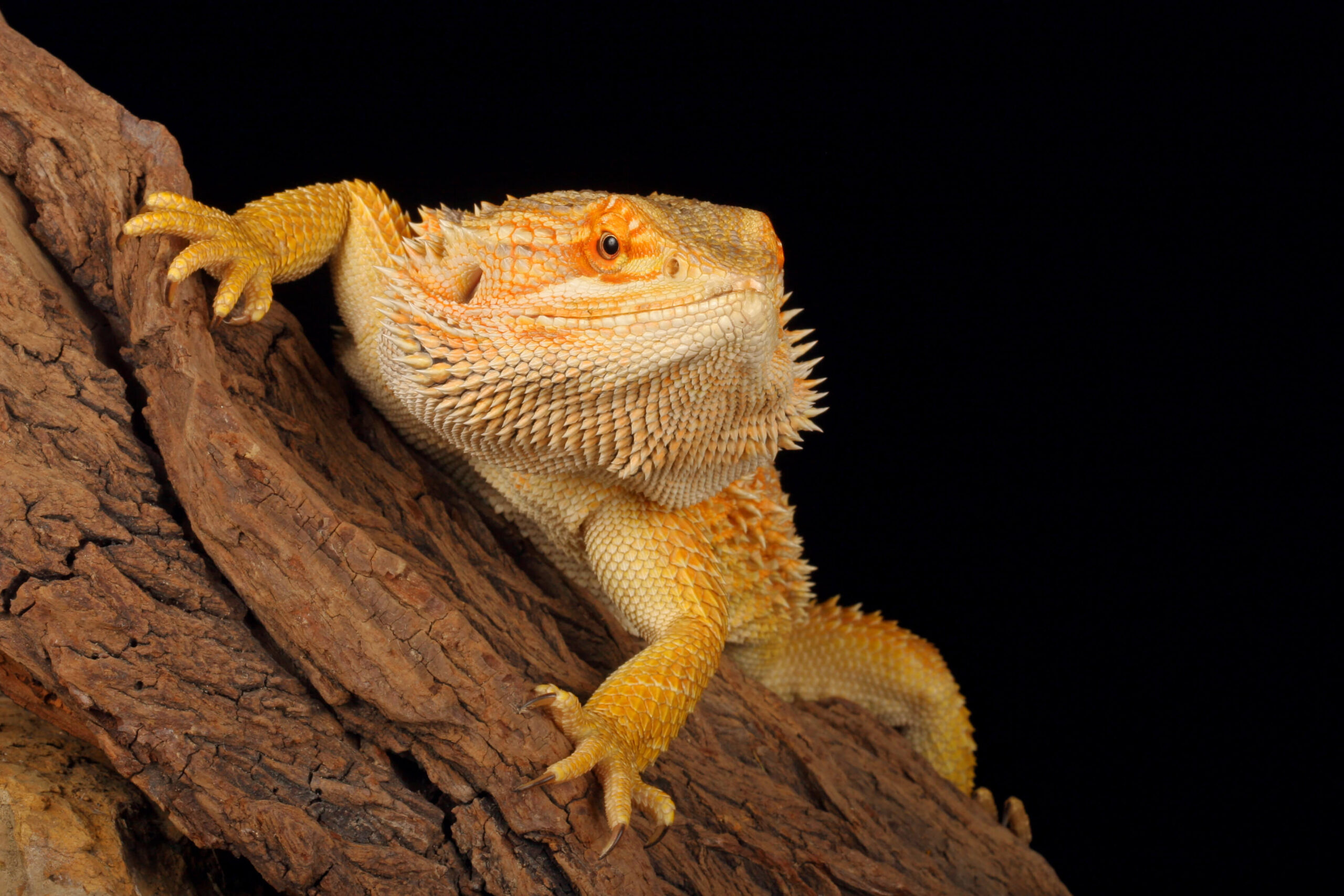
Bearded Dragon
(Pogona vitticeps)
ARTHROPODS:

Desert Millipede
(Orthoporus ornatus)
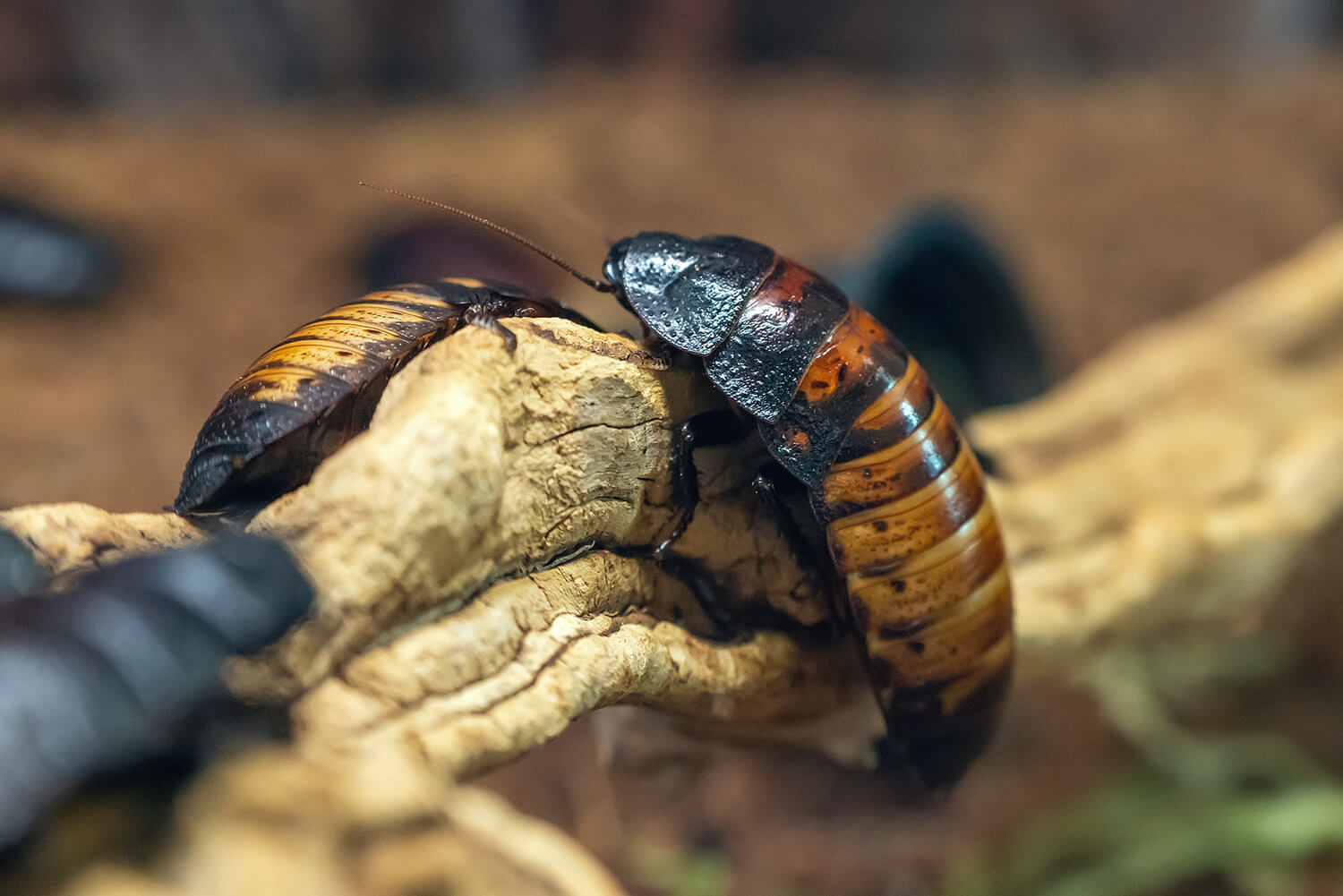
Madagascar Hissing Cockroach
(Gromphadorhina portentosa)
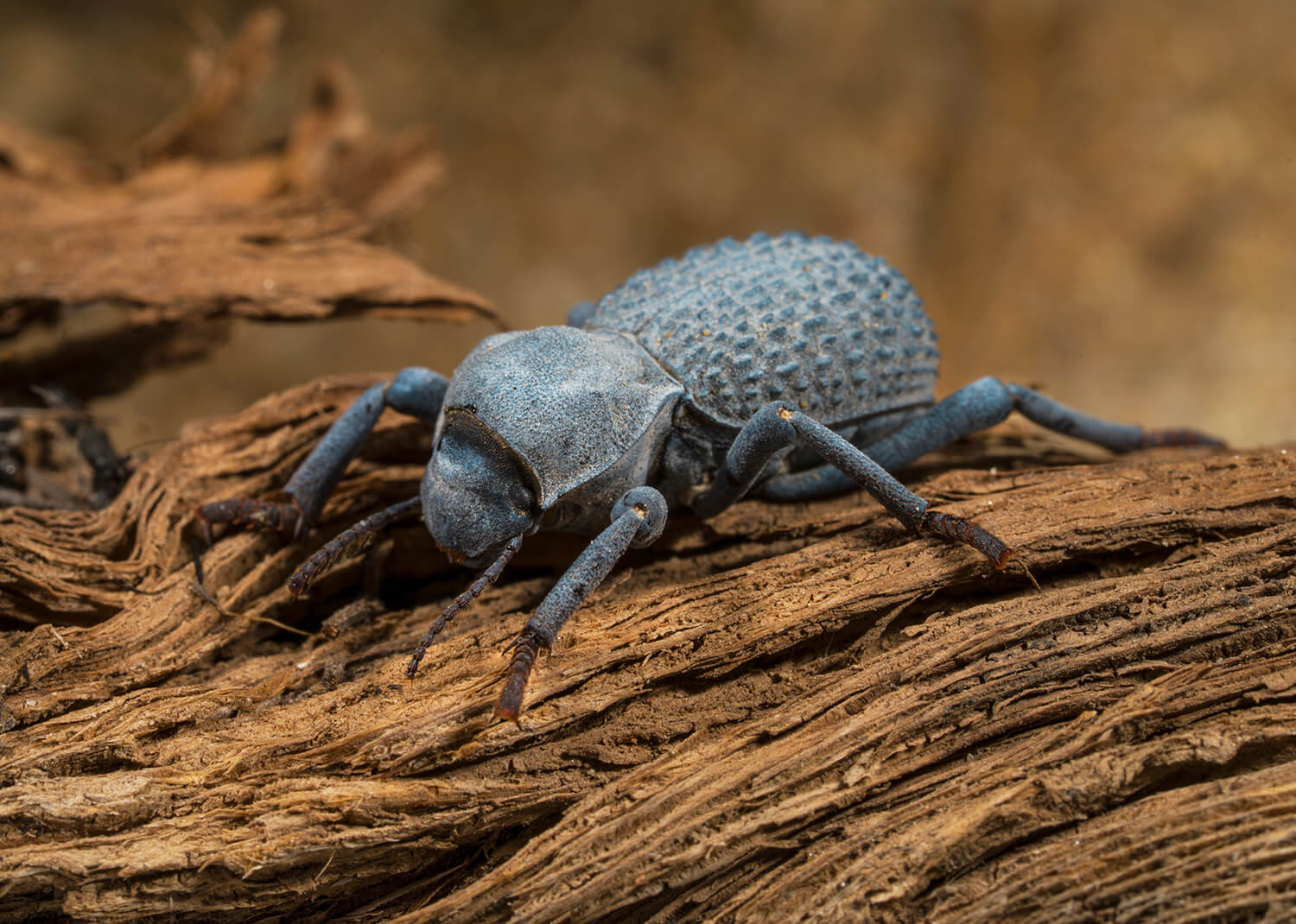
Blue Death Feigning Beetle
(Asbolus verrucosus)