
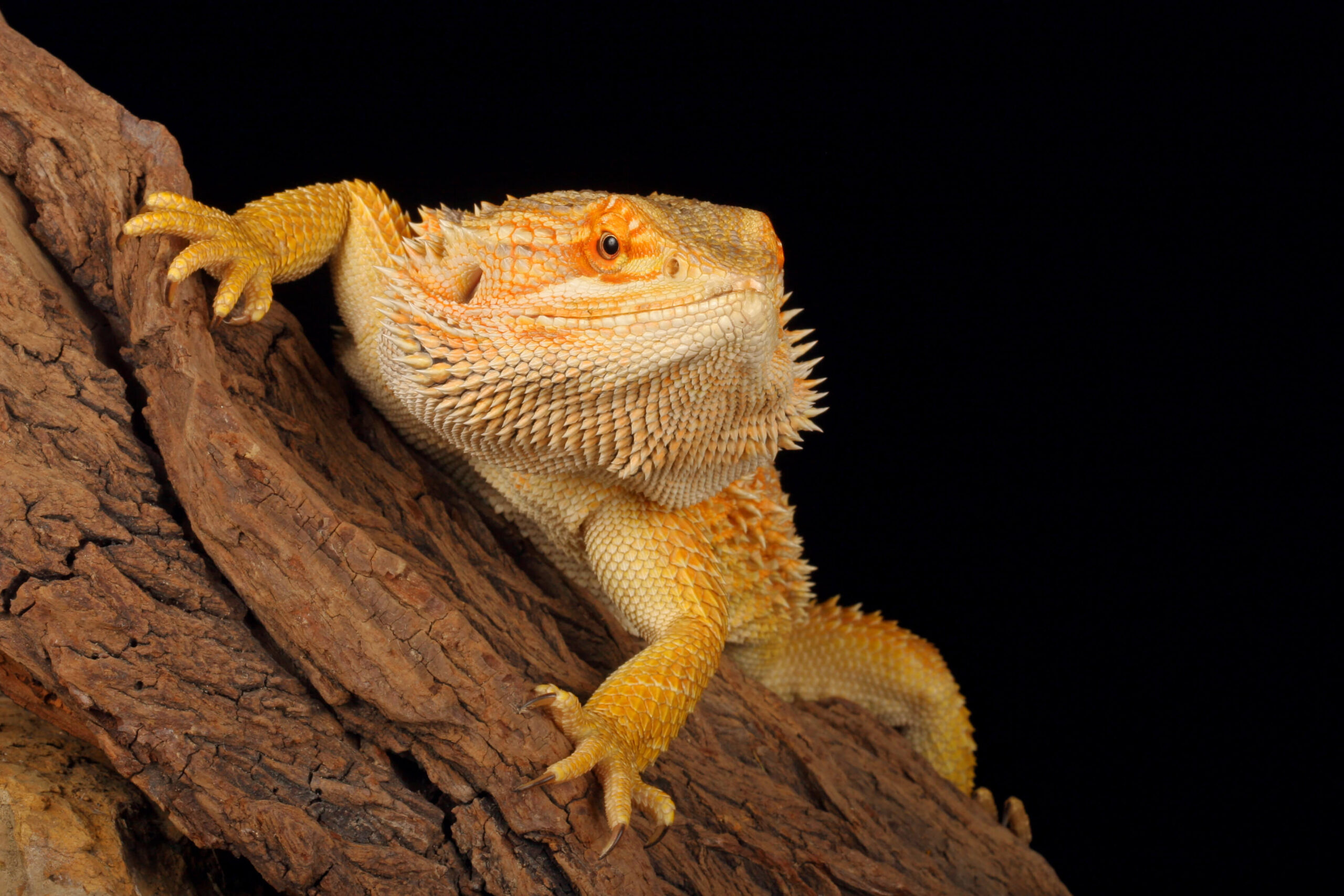
Bearded Dragon
(Pogona vitticeps)
“Stevie” & “Princess”
Quick Facts:
Common Name: Bearded Dragon
Scientific Name: Pogona vitticeps
Native Range: Arid interior regions of Australia
Habitat: Desert scrub, rocky outcrops, and dry open woodland
Diet: Omnivorous—feeds on insects, greens, flowers, and occasional fruit
Conservation Status: Not threatened; common in managed collections and educational programs
Meet Our Resident
Stevie is one of our younger lizards and full of energy. He lives in the SPROUTS room. Princess is one of our oldest lizards, and due to her age she is in a retirement home off the scenes. Known for its “beard,” a patch of expandable scales under the throat that darken during displays, this lizard helps children and adults alike overcome fear of reptiles through gentle, hands-on experiences.
Connections to the Museum
Bearded Dragons link to Burpee’s theme of evolution and adaptation. Their desert-dwelling physiology—spiny armor, temperature regulation, and omnivorous diet—illustrates survival in extreme environments. They connect to fossil lizards displayed in the “Post-Ice Age Illinois” and “Windows to the Wilderness” galleries, showing how body form and function evolve in response to shifting climates.
Natural History & Behavior
Native to Australia’s arid heartland, Bearded Dragons bask during the day and retreat to burrows at night. They regulate body temperature through behavioral thermoregulation—flattening the body to absorb heat and raising themselves to cool down. Highly visual animals, they communicate with head bobs, arm waves, and color changes.
SNAKES:

Ball Python
(Python regius)
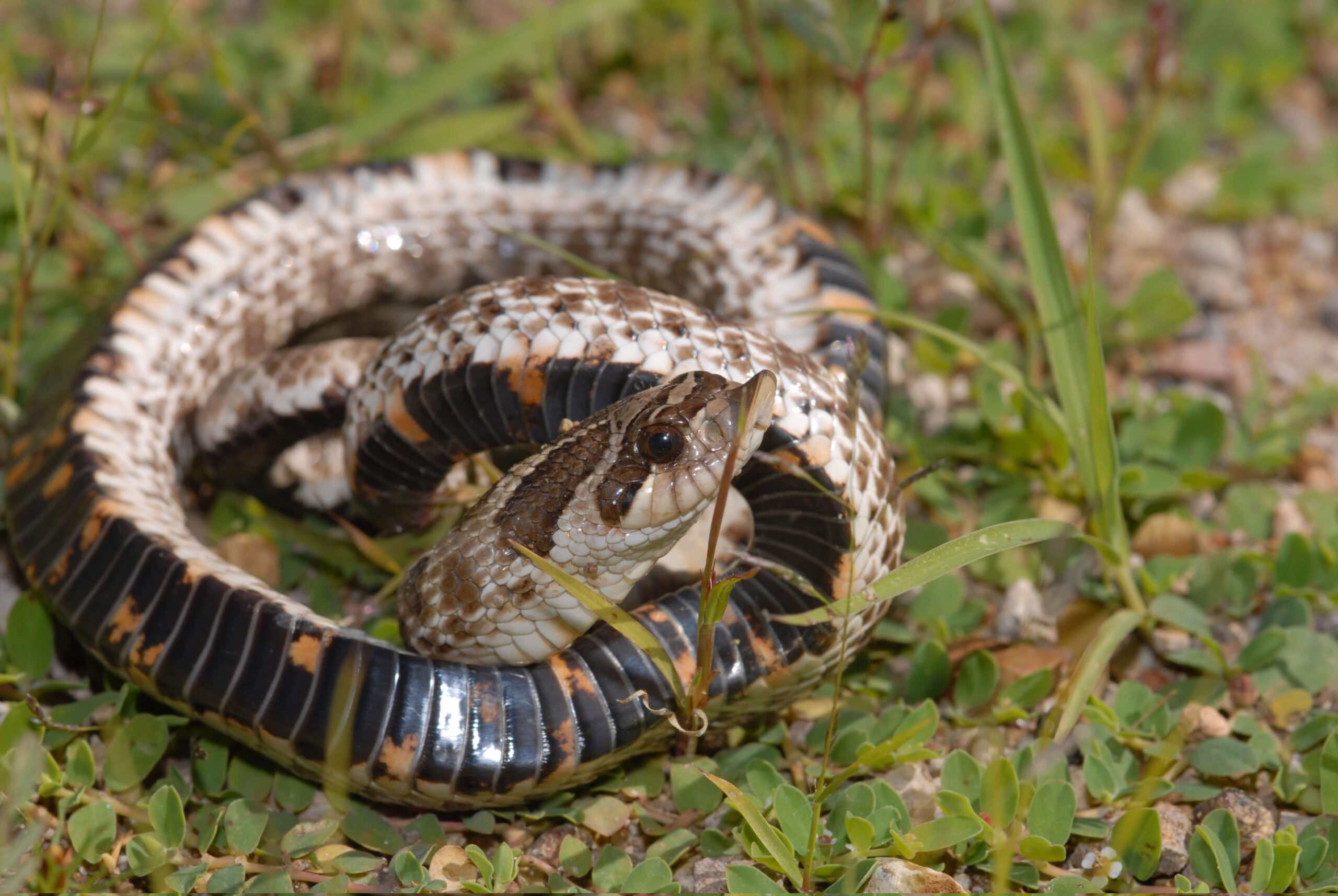
Western Hognose Snake
(Heterodon nasicus)
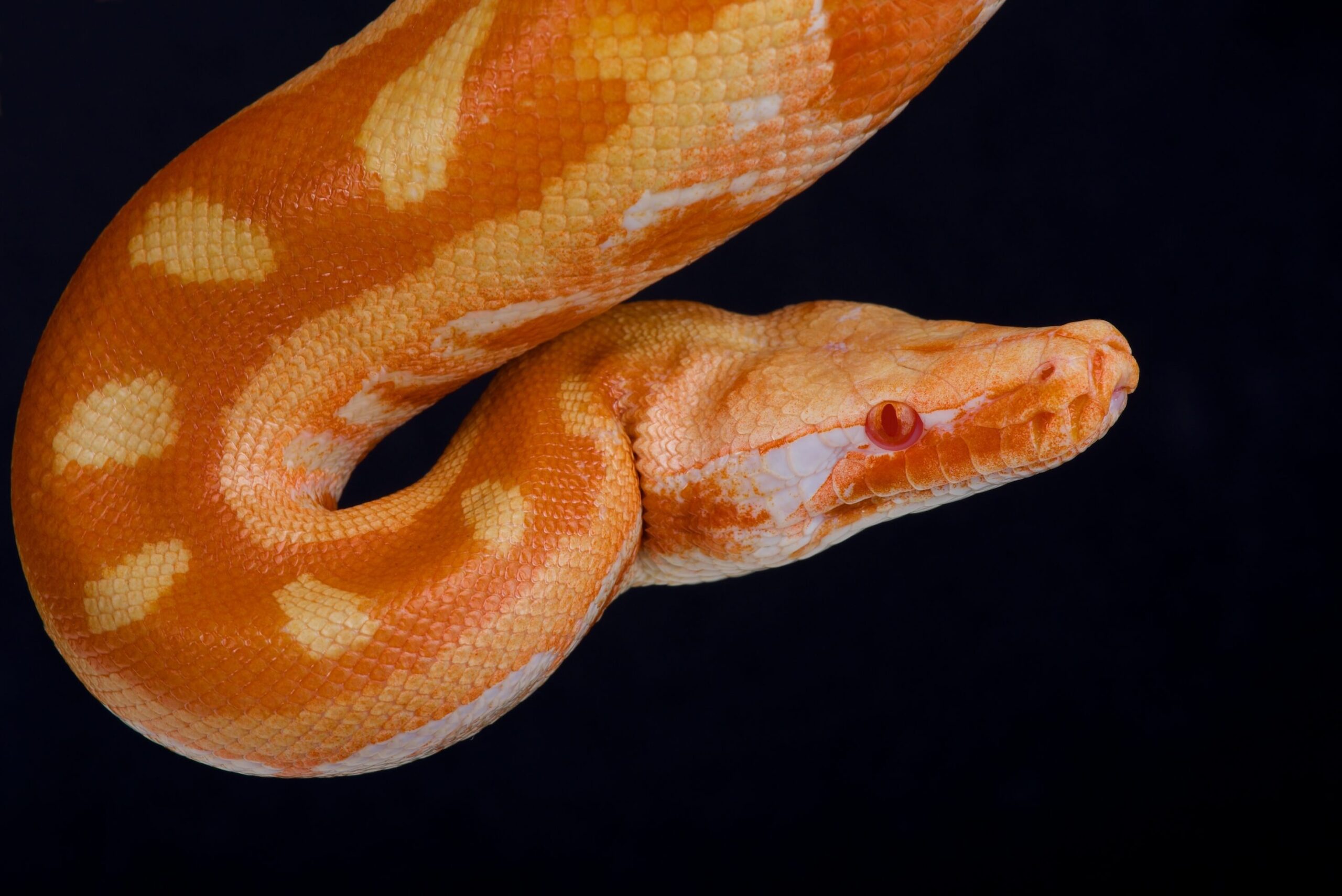
Blood Python
(Python brongersmai)
TURTLES:

Sulcata Tortoise
(Centrochelys sulcata)
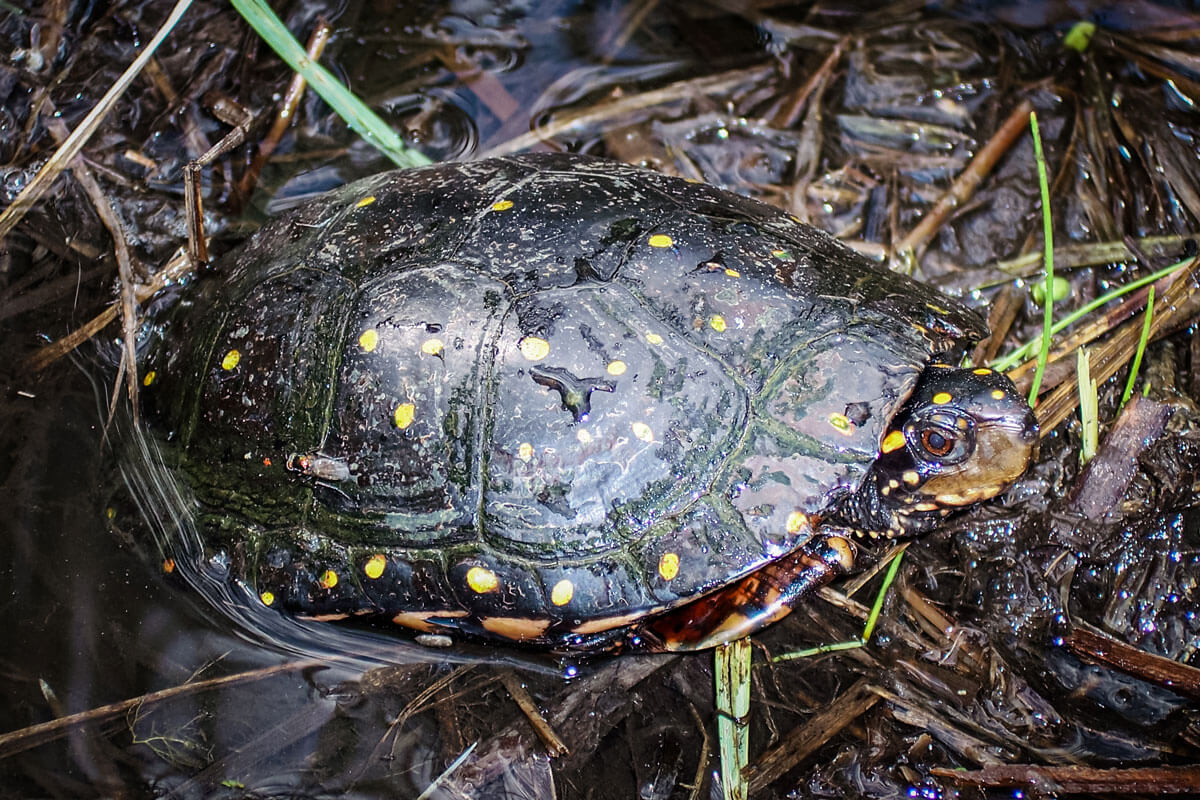
Spotted Turtle
(Clemmys guttata)

River Cooter
(Pseudemys concinna)
LIZARDS:
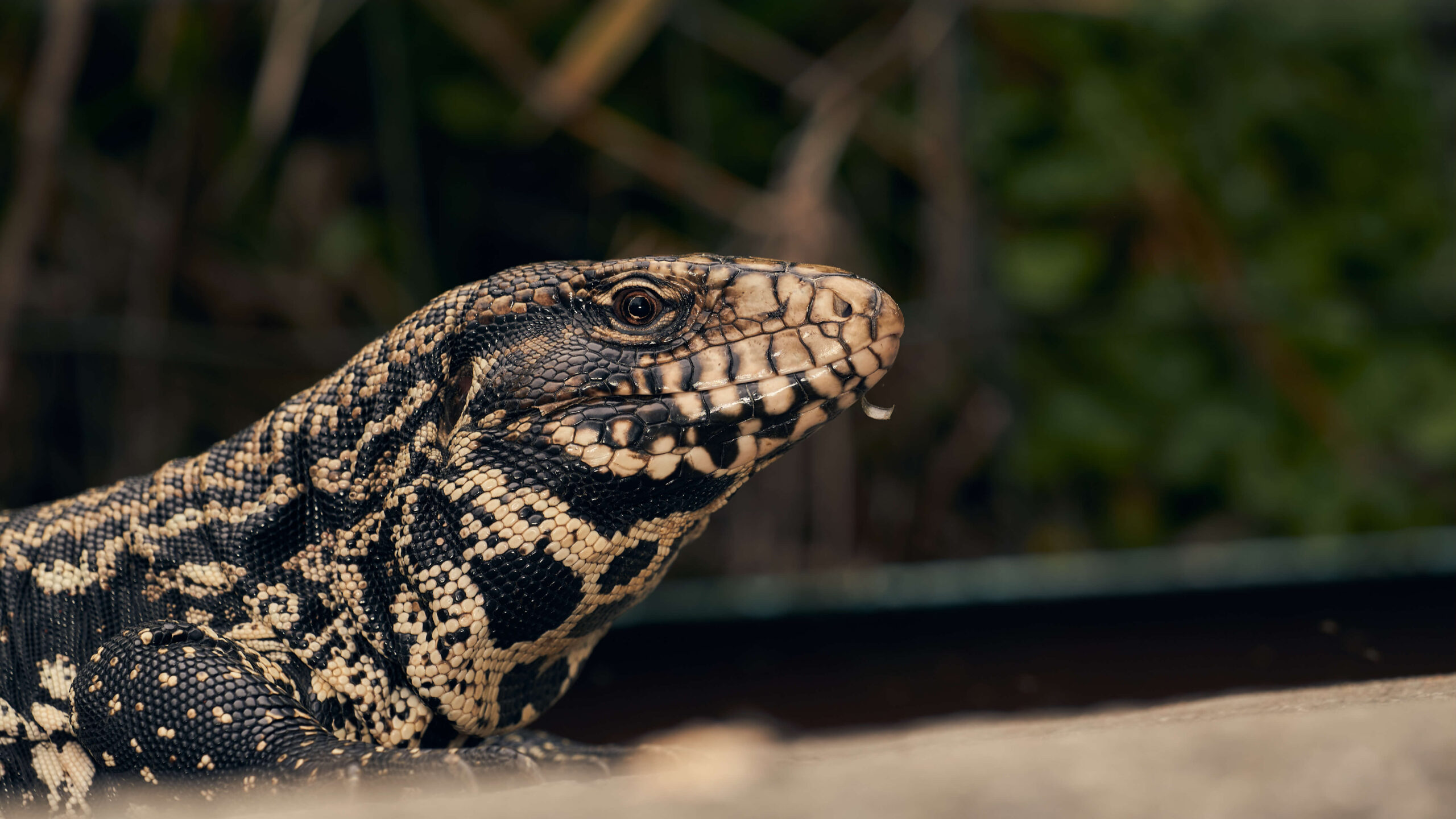
Argentine Tegu
(Salvator merianae)

Plated Lizard
(Gerrhosaurus major)
Bearded Dragon
(Pogona vitticeps)
ARTHROPODS:

Desert Millipede
(Orthoporus ornatus)
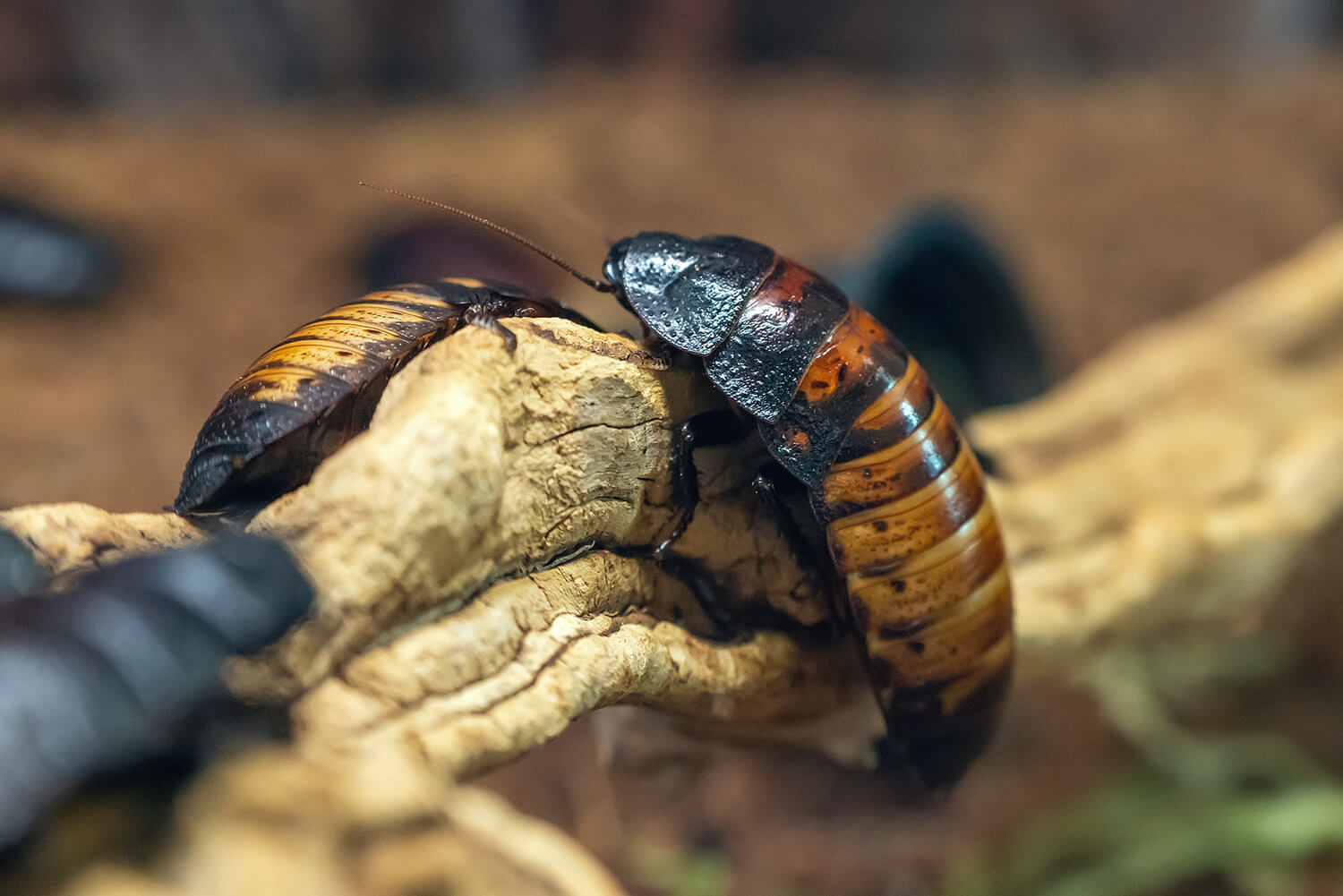
Madagascar Hissing Cockroach
(Gromphadorhina portentosa)
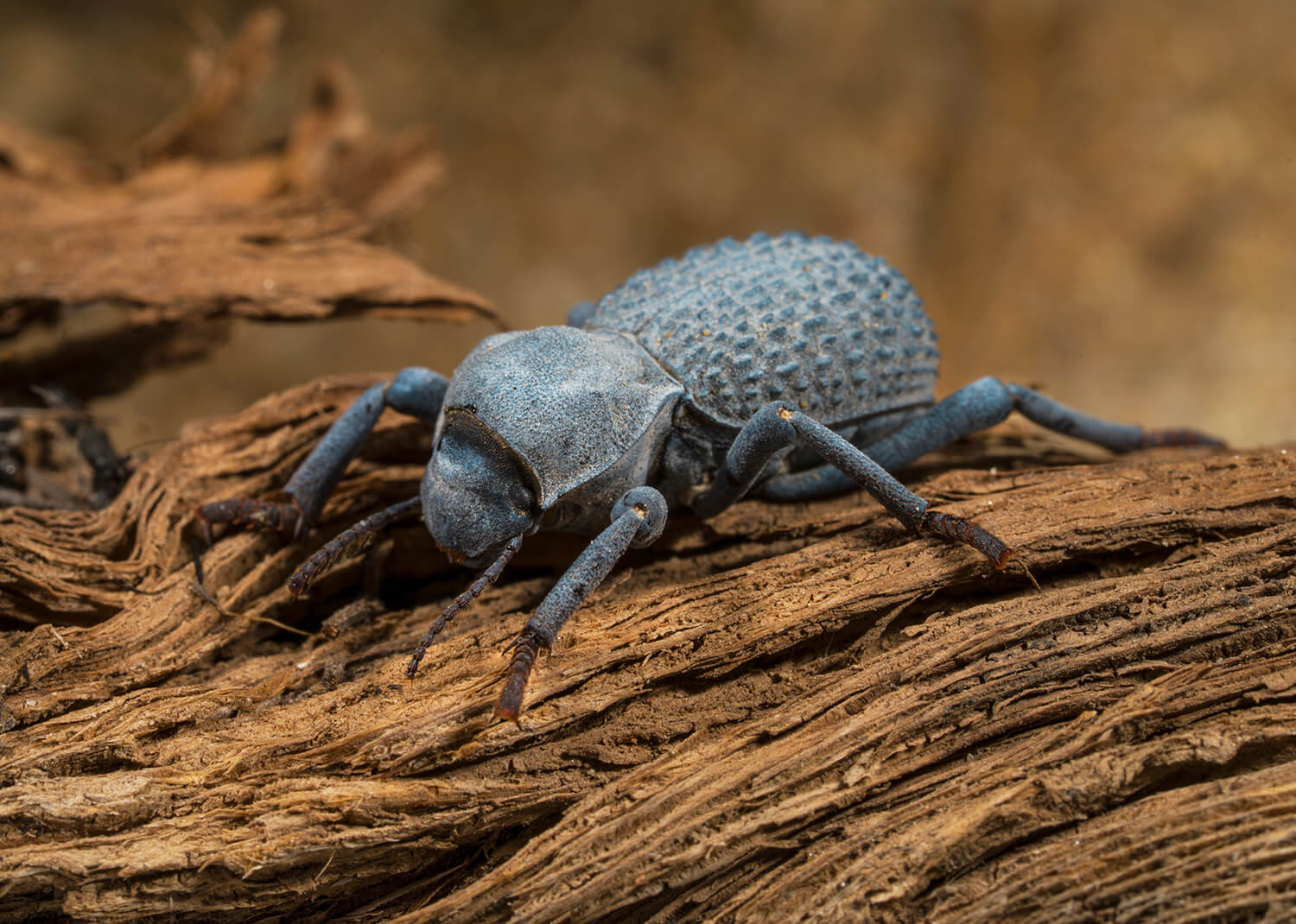
Blue Death Feigning Beetle
(Asbolus verrucosus)