
Desert Millipede
(Orthoporus ornatus)
Quick Facts:
Common Name: Desert Millipede
Scientific Name: Orthoporus ornatus
Native Range: Southwestern United States and northern Mexico
Habitat: Arid desert and scrubland soils
Diet: Detritivore—decomposing vegetation and organic matter
Conservation Status: Not Threatened

Meet Our Resident
Burpee’s Desert Millipede is often one of the most surprising and delightful encounters for visitors. Its slow, coordinated movement of hundreds of legs fascinates children, demonstrating that beauty exists even in the humblest decomposers.
Connections to the Museum
This species is a popular outreach animal teaching about amazing modern decomposers. The Carboniferous forest gallery features fossilized giant millipedes—Arthropleura—which once grew to over six feet long. The Desert Millipede represents their tiny modern descendant, living proof of evolutionary continuity.
Natural History & Behavior
Desert Millipedes spend daylight hours burrowed in moist soil, emerging at night to feed. They play a critical role in decomposition and nutrient cycling, turning plant litter into fertile soil.
Evolutionary Connections
Millipedes are among the oldest terrestrial animals, appearing over 400 million years ago during the Silurian. Their persistence demonstrates how early colonizers of land shaped ecosystems long before vertebrates emerged.
Wild Habitat & Distribution
Native to the arid regions of the southwestern United States and northern Mexico, thriving in loose, sandy soil.
Conservation & Status
Stable and widespread. Burpee’s individuals highlight the quiet yet vital work of decomposers in sustaining ecosystems—both ancient and modern.
SNAKES:

Ball Python
(Python regius)
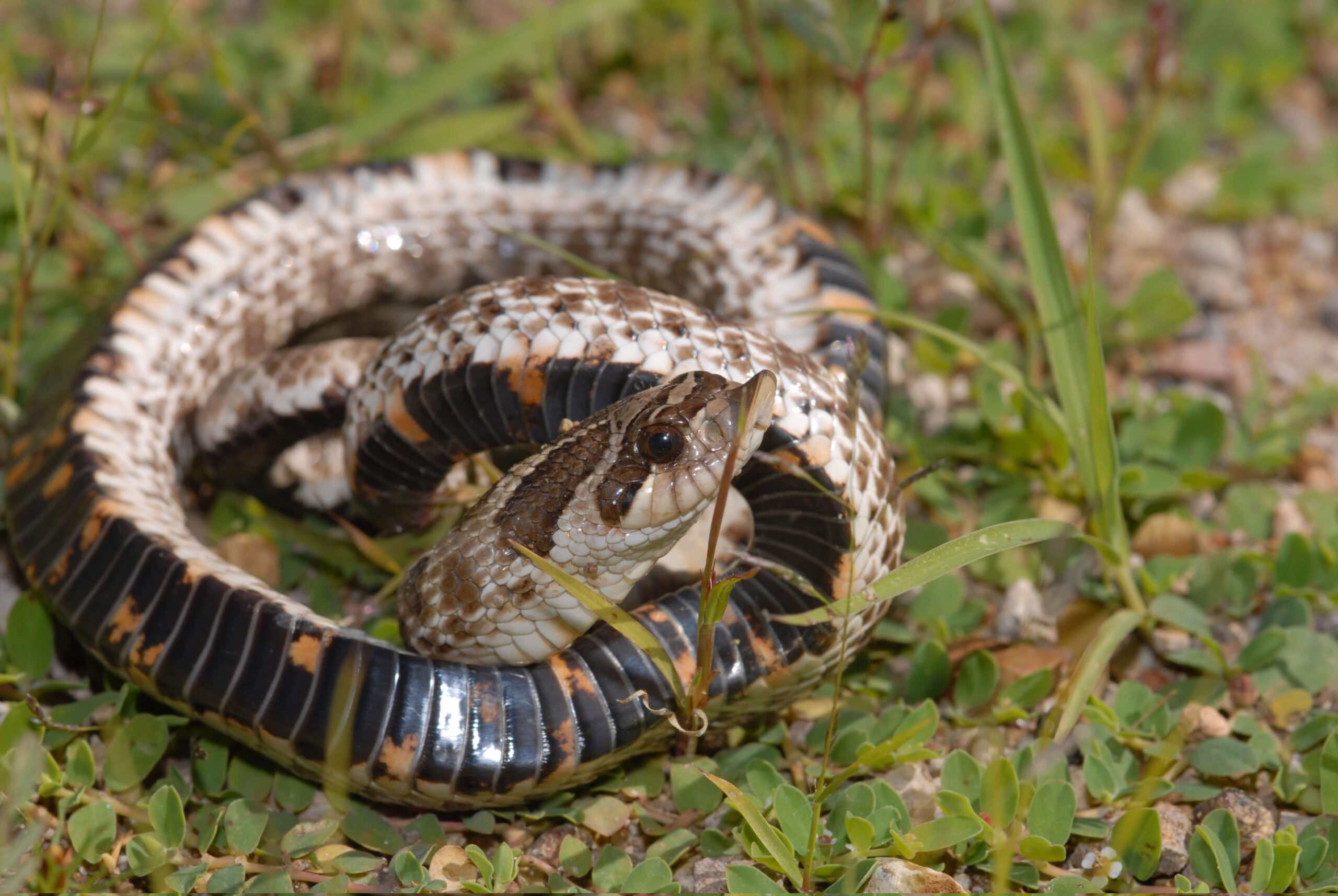
Western Hognose Snake
(Heterodon nasicus)
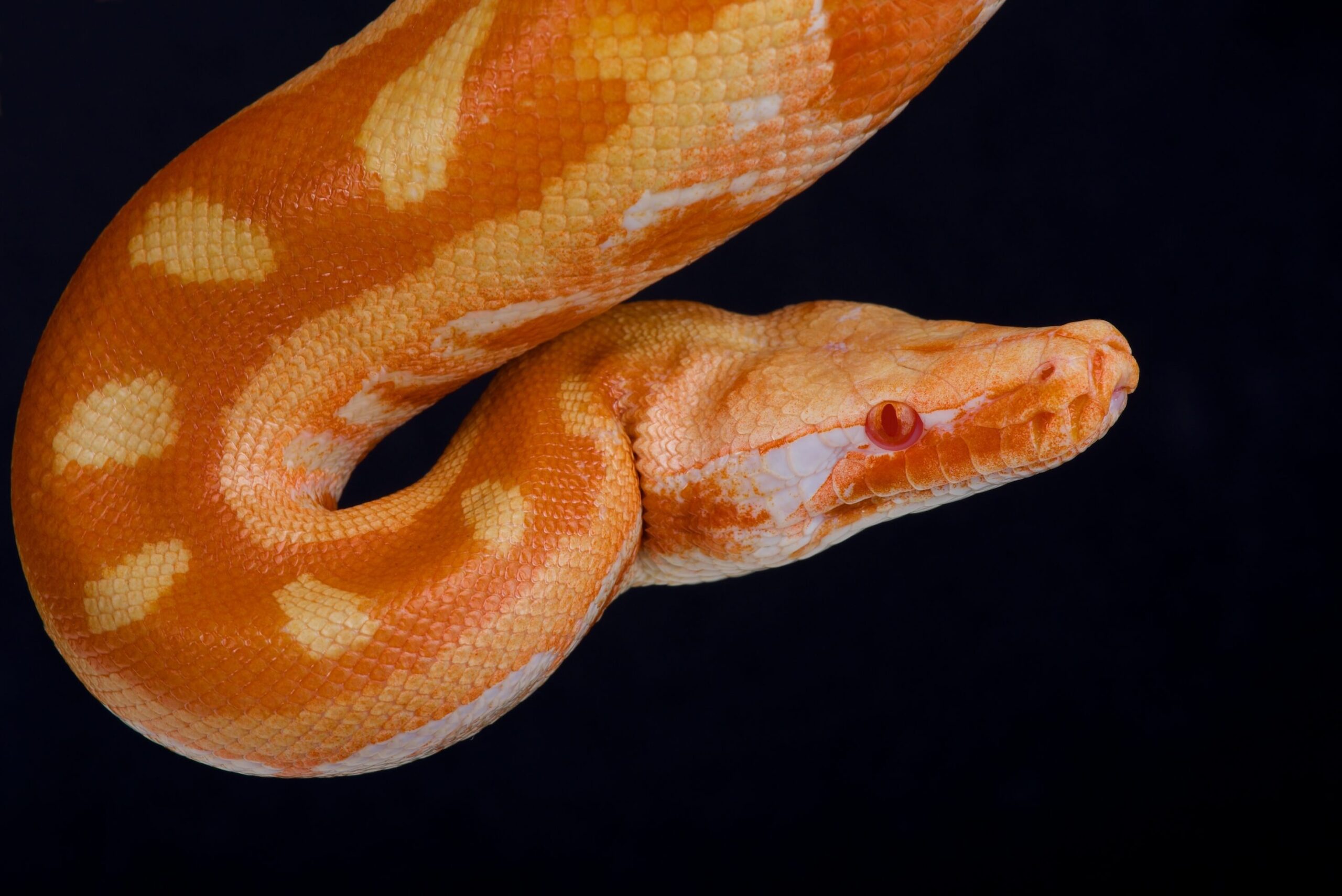
Blood Python
(Python brongersmai)
TURTLES:

Sulcata Tortoise
(Centrochelys sulcata)
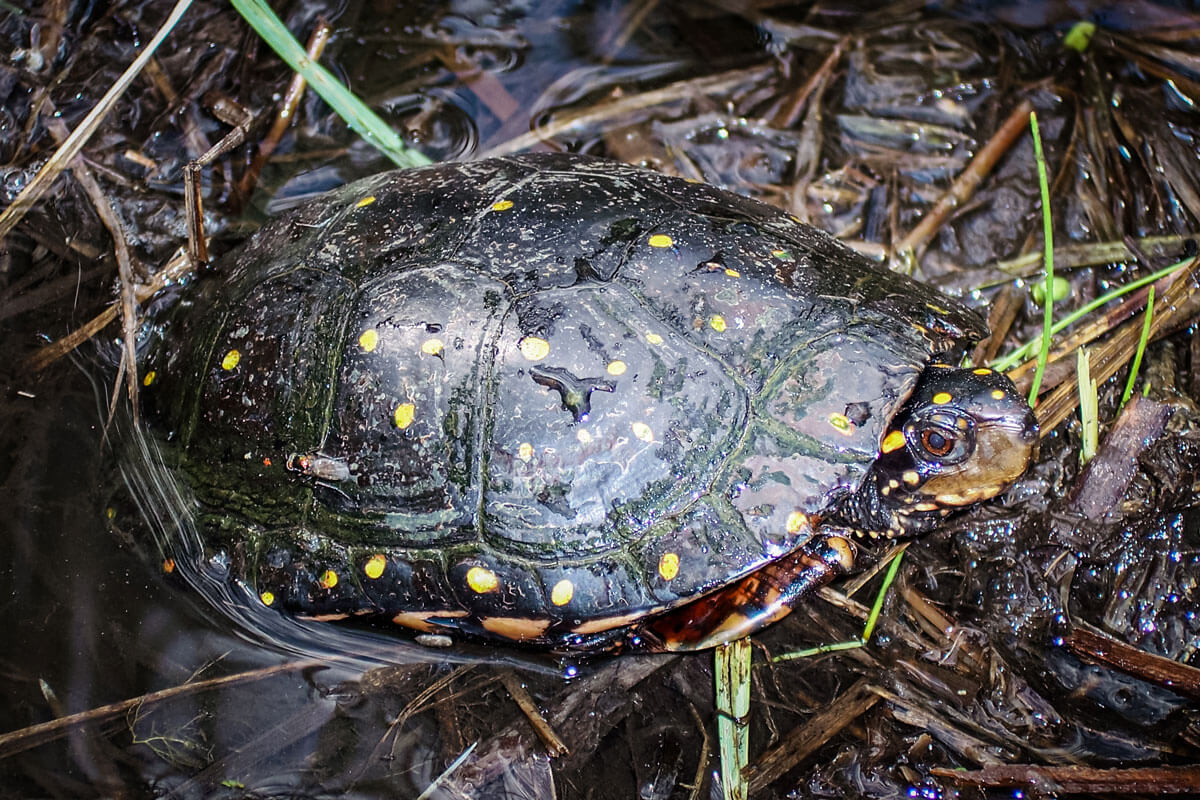
Spotted Turtle
(Clemmys guttata)

River Cooter
(Pseudemys concinna)
LIZARDS:
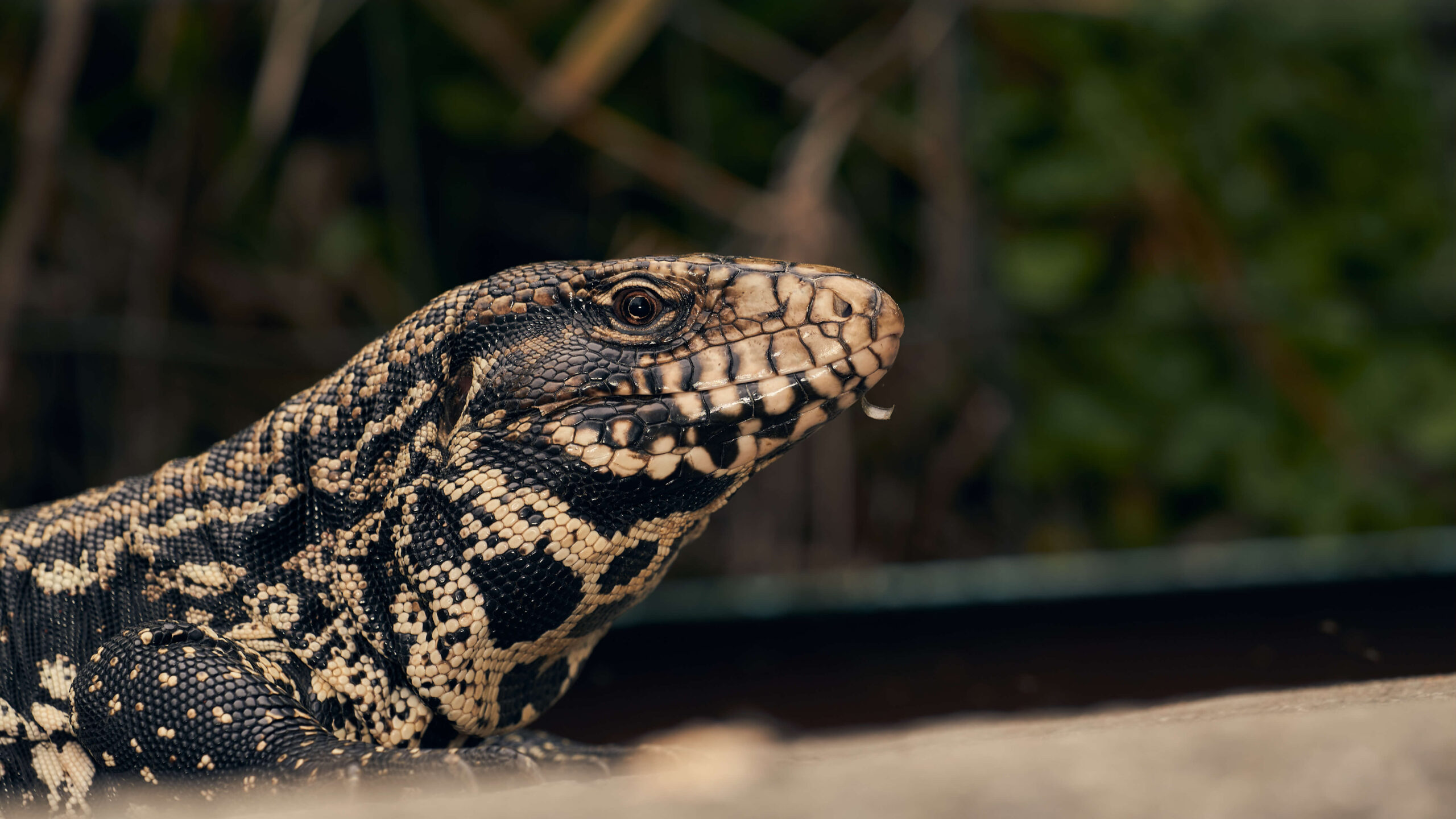
Argentine Tegu
(Salvator merianae)

Plated Lizard
(Gerrhosaurus major)
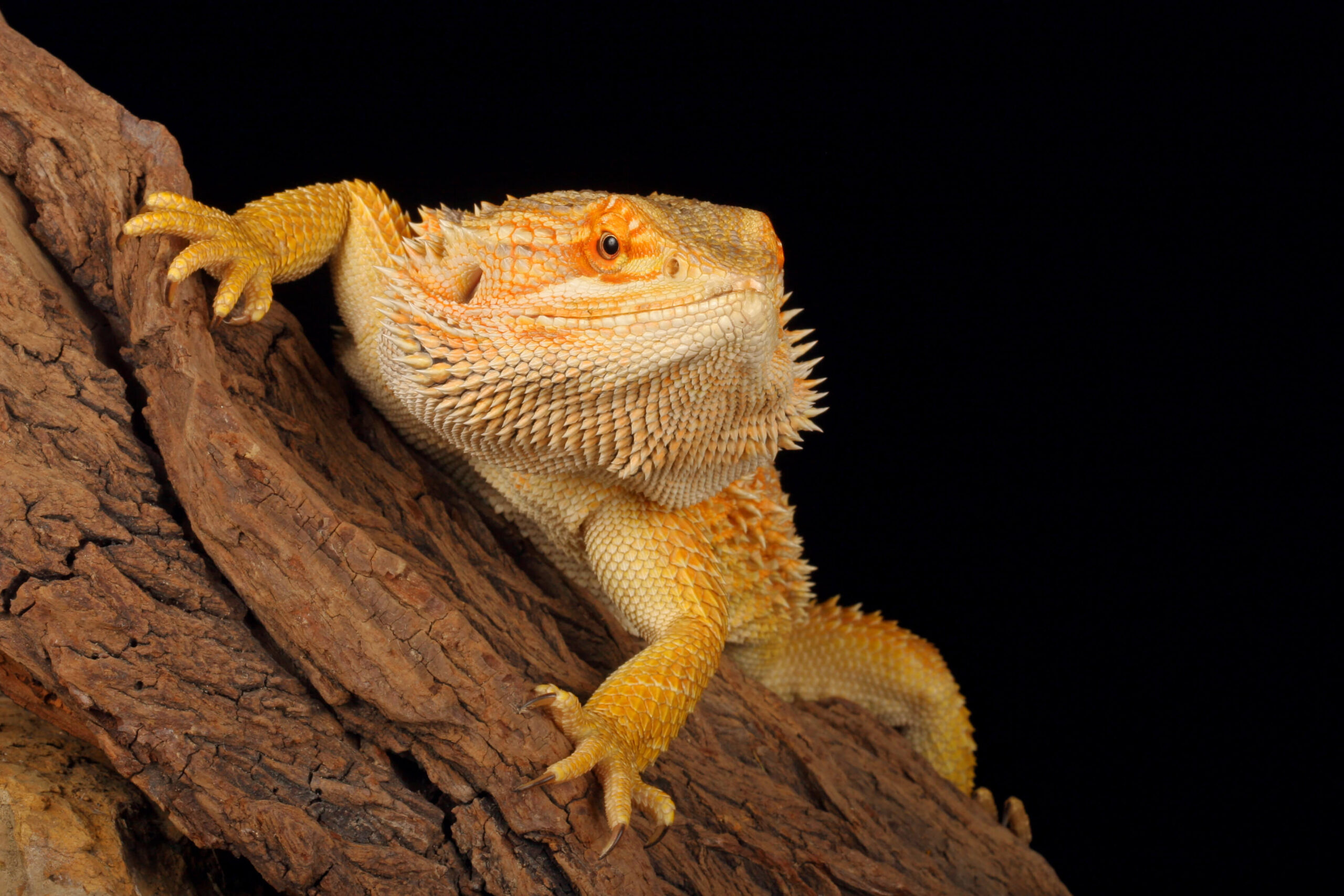
Bearded Dragon
(Pogona vitticeps)
ARTHROPODS:
Desert Millipede
(Orthoporus ornatus)
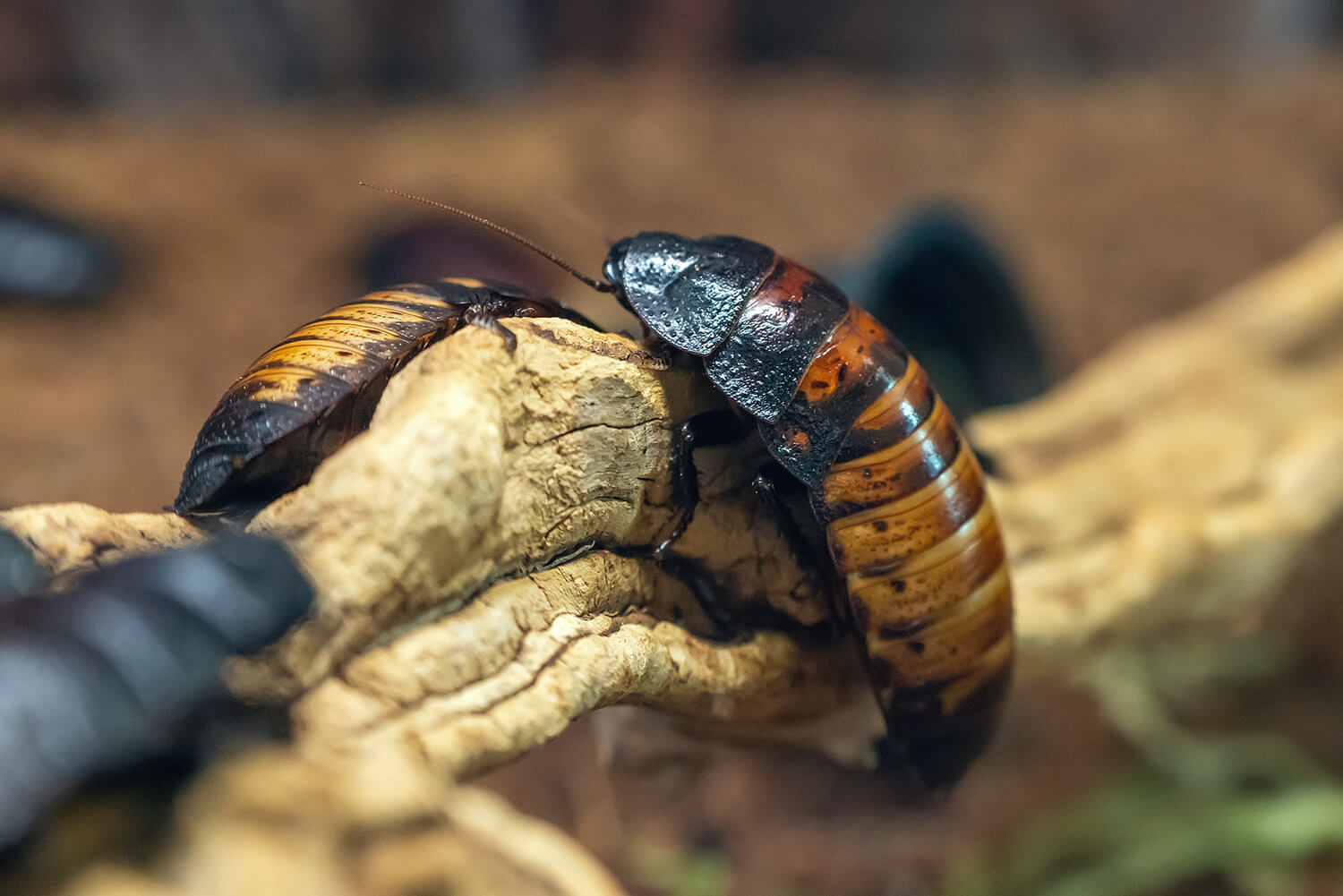
Madagascar Hissing Cockroach
(Gromphadorhina portentosa)
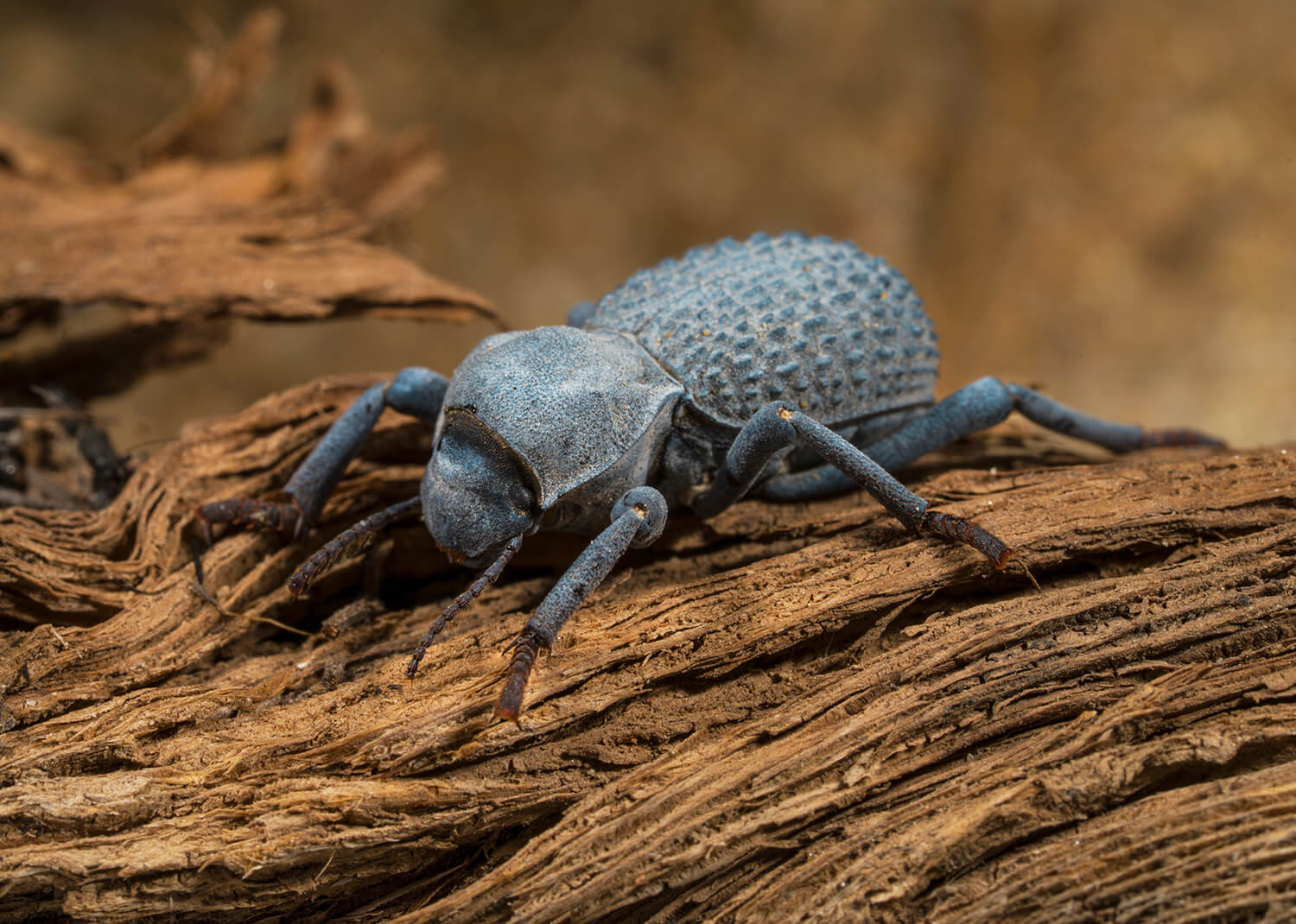
Blue Death Feigning Beetle
(Asbolus verrucosus)