
Ball Python
(Python regius)
Quick Facts:
Common Name: Ball Python
Scientific Name: Python regius
Native Range: Sub-Saharan Africa
Habitat: Dry grasslands and wooded savannas
Diet: Small mammals
Conservation Status: Near Threatened regionally

Meet Our Residents
Burpee is home to several ball pythons for many reasons. Some are surrenders, some have lived at the museum for decades, and others are great teaching tools about dominant and recessive genes
“Freckles” joined the museum as an adult male. His banana color is not natural in the wild. While he is much older than his female neighbor, Patches, he is much smaller. Male ball pythons never reach the same sizes as the females.
“Norma” was being sold as pet food at an expo when our staff first met her. She was gentle and sweet, but the owner wanted to sell her because she couldn’t be bred—she was just a “normal female.” We decided that being normal is extraordinary, and Norma deserved to live the rest of her life at Burpee, simply being her wonderful, normal self.
“Cheetle” has a warm brown and gold pattern reminiscent of its namesake snack. She is a juvenile and gentle and exploratory,
“Patches” Is a piebald ball python. Named for the irregular patterning on its scales, Patches has a calm personality and often rests coiled under its hide.
“Monty” has been at the museum for many decades. She is about 40 years old, and suffers from arthritis. Due to this, she is in her retirement home behind the scenes, living her best life. This summer she laid 6 eggs, one of which was alive! Female snakes are incredible creatures that have the ability to reproduce without the presence of a male snake. This phenomenon is known as parthenogenesis!
“Lady” is a surrender the museum accepted. She has never cared for human interaction, and is living her best life in Classroom 3, away from most humans.
Natural History & Behavior
In the wild, Ball Pythons spend most of their time hidden. They emerge at dusk to hunt and use powerful muscles to constrict prey before swallowing whole. Their slow metabolism allows them to thrive on infrequent meals. Ball Pythons are ambush predators, using stealth and constriction to capture prey. Their heavy bodies and cryptic coloration provide camouflage among dry grass. They are non-venomous and pose no threat to humans.
Evolutionary Connections
Pythons represent one of the earliest advanced snake groups. Fossil relatives show transitional forms with vestigial limbs, bridging the evolutionary gap between lizards and modern serpents. Ball Pythons belong to a lineage that emerged during the Eocene, showing how constriction as a predatory technique evolved early in snake history. Their infrared-sensing pits echo earlier reptilian sensory adaptations seen in fossilized skulls from Burpee’s prehistoric displays.
Wild Habitat & Distribution
Native to western and central Africa, especially in grasslands interspersed with burrows and termite mounds.
Conservation & Status
Cheetle was captive-bred, avoiding impact on wild populations. In West Africa, conservation programs focus on habitat preservation and sustainable local breeding to reduce wild collection pressure.
SNAKES:
Ball Python
(Python regius)
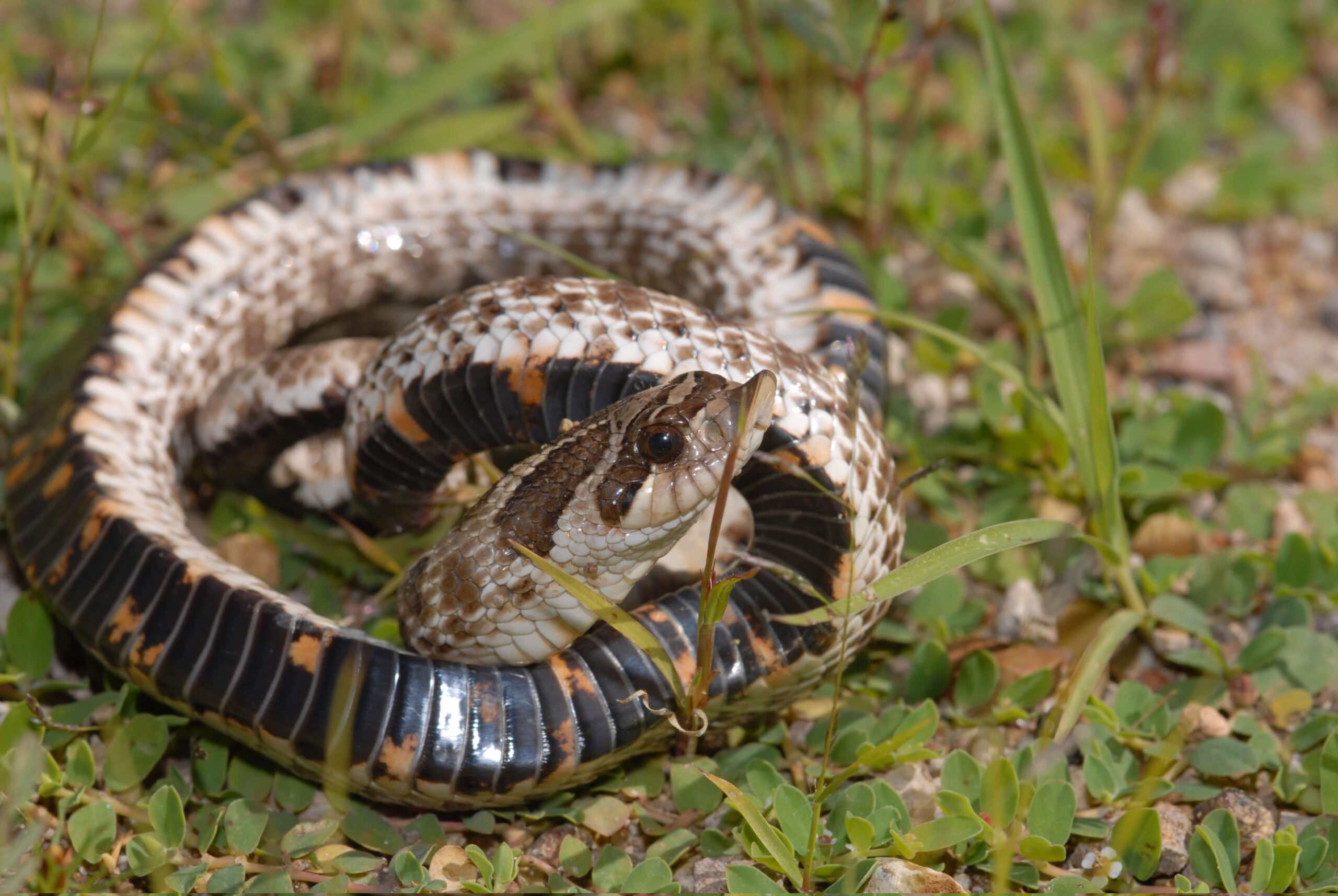
Western Hognose Snake
(Heterodon nasicus)
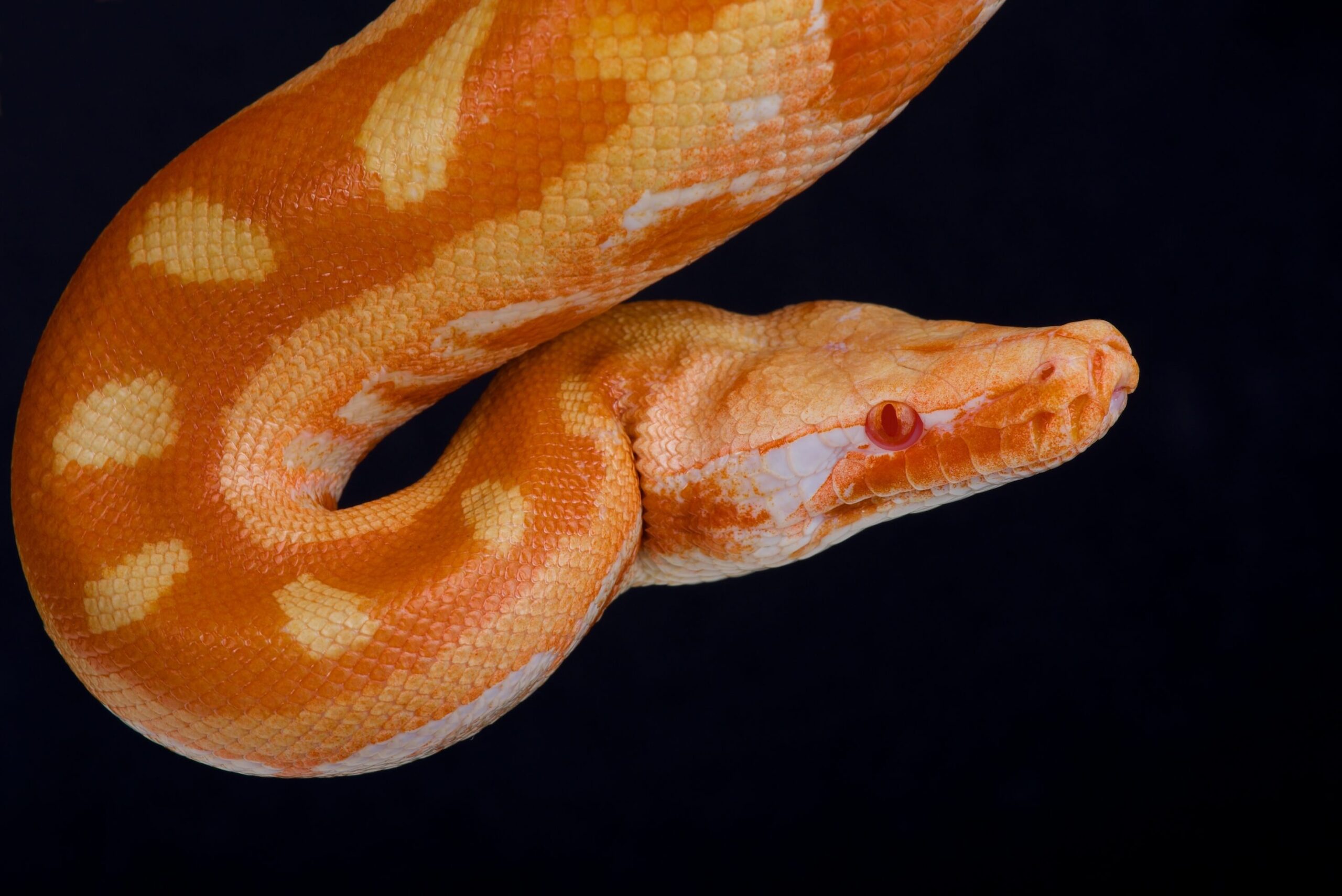
Blood Python
(Python brongersmai)
TURTLES:

Sulcata Tortoise
(Centrochelys sulcata)
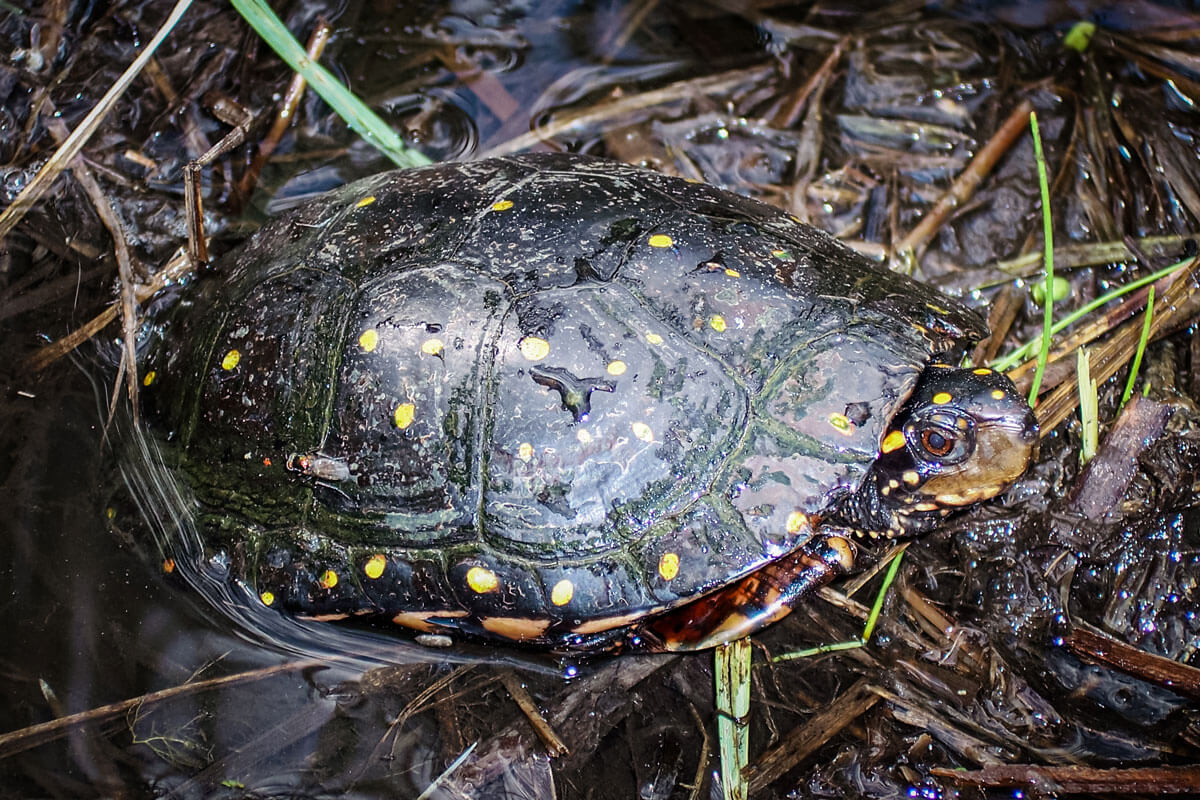
Spotted Turtle
(Clemmys guttata)

River Cooter
(Pseudemys concinna)
LIZARDS:
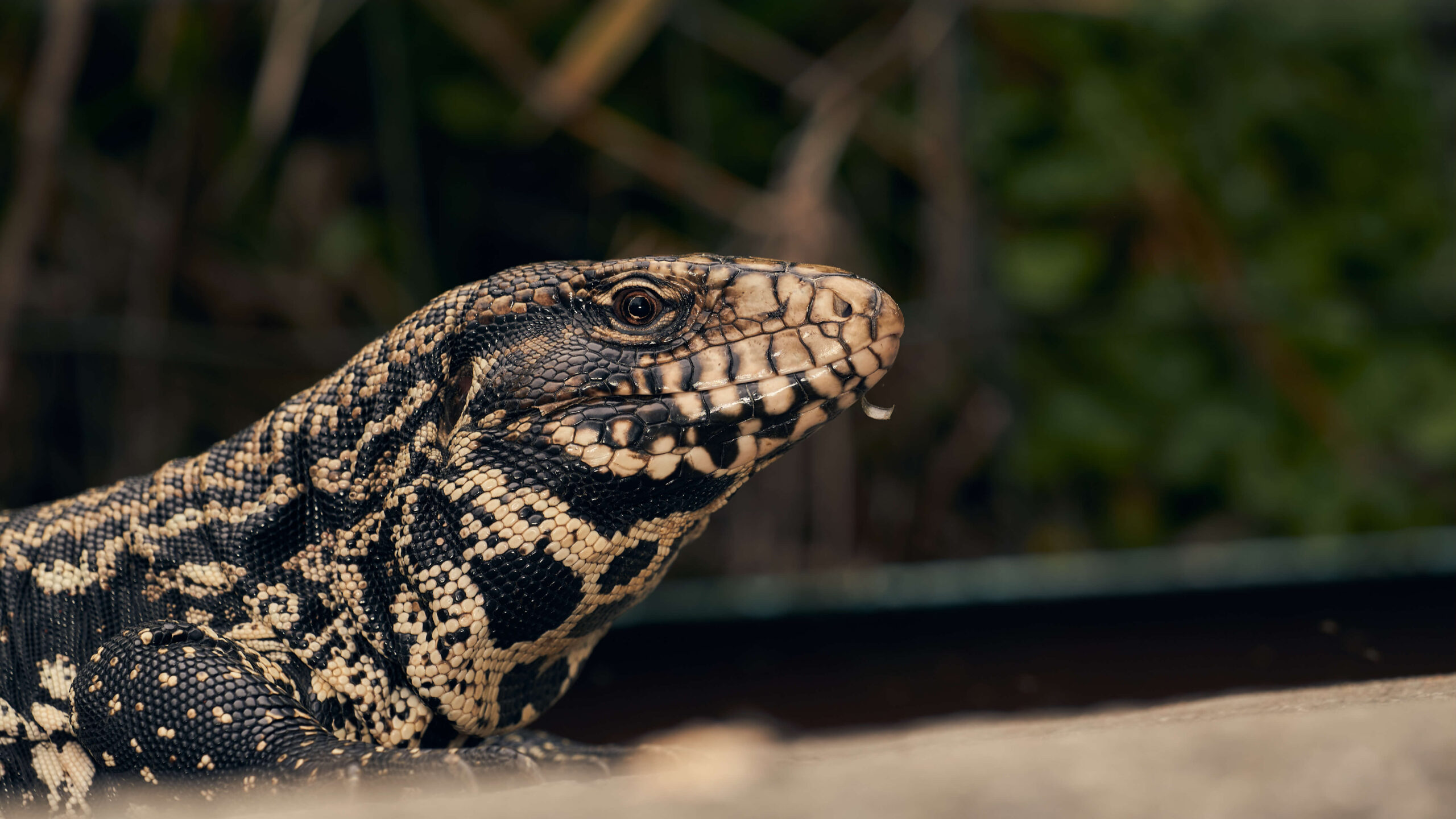
Argentine Tegu
(Salvator merianae)

Plated Lizard
(Gerrhosaurus major)
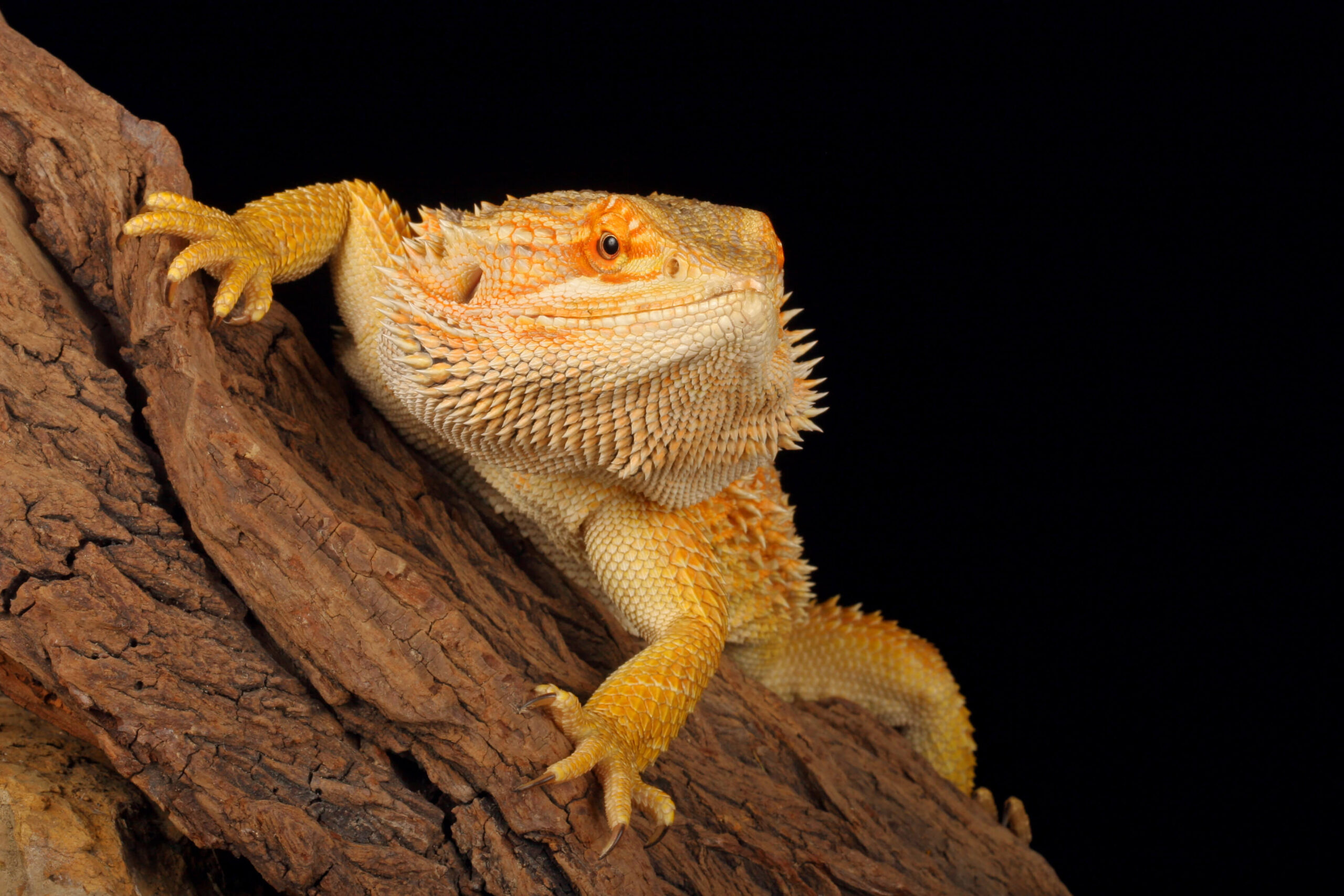
Bearded Dragon
(Pogona vitticeps)
ARTHROPODS:

Desert Millipede
(Orthoporus ornatus)
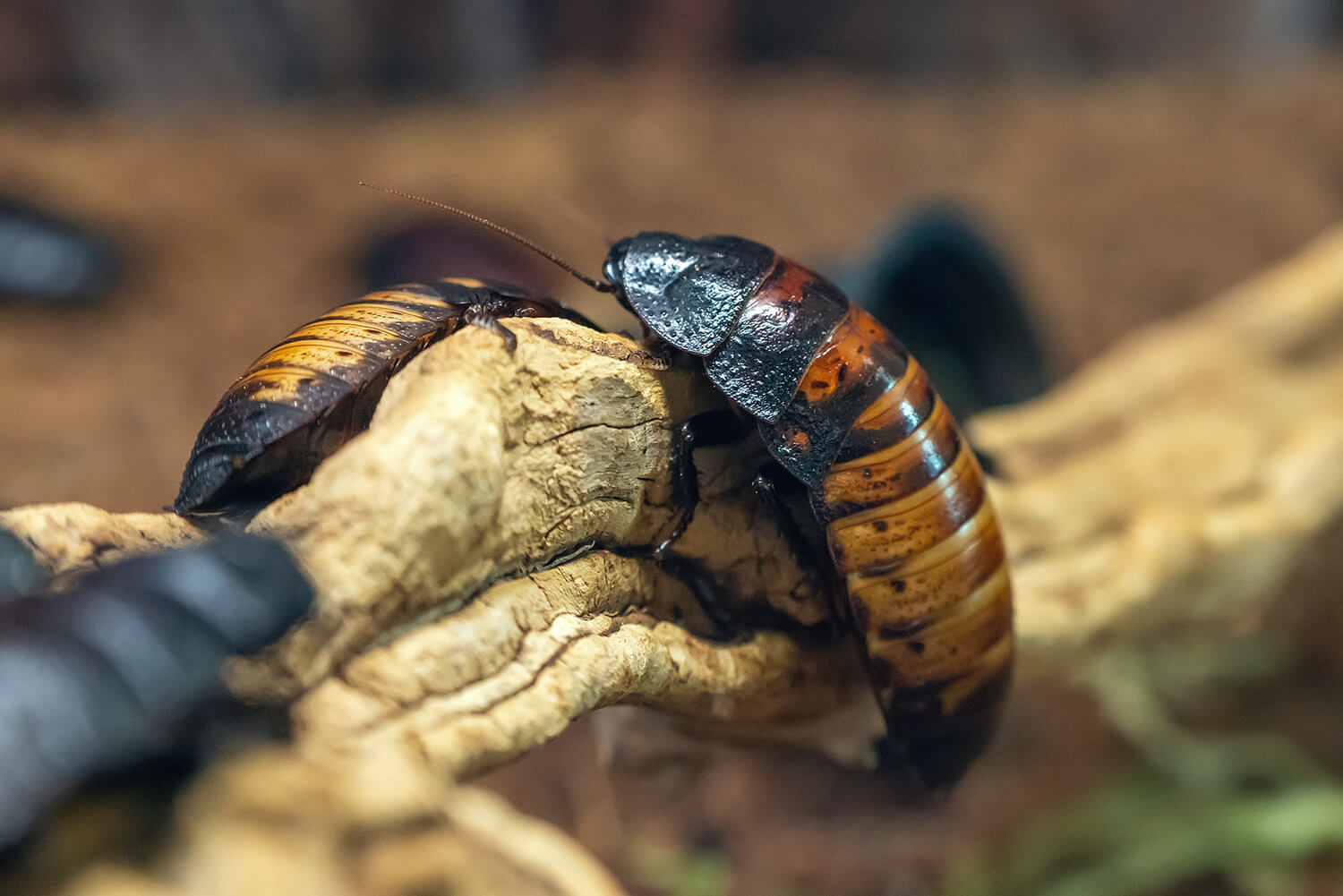
Madagascar Hissing Cockroach
(Gromphadorhina portentosa)
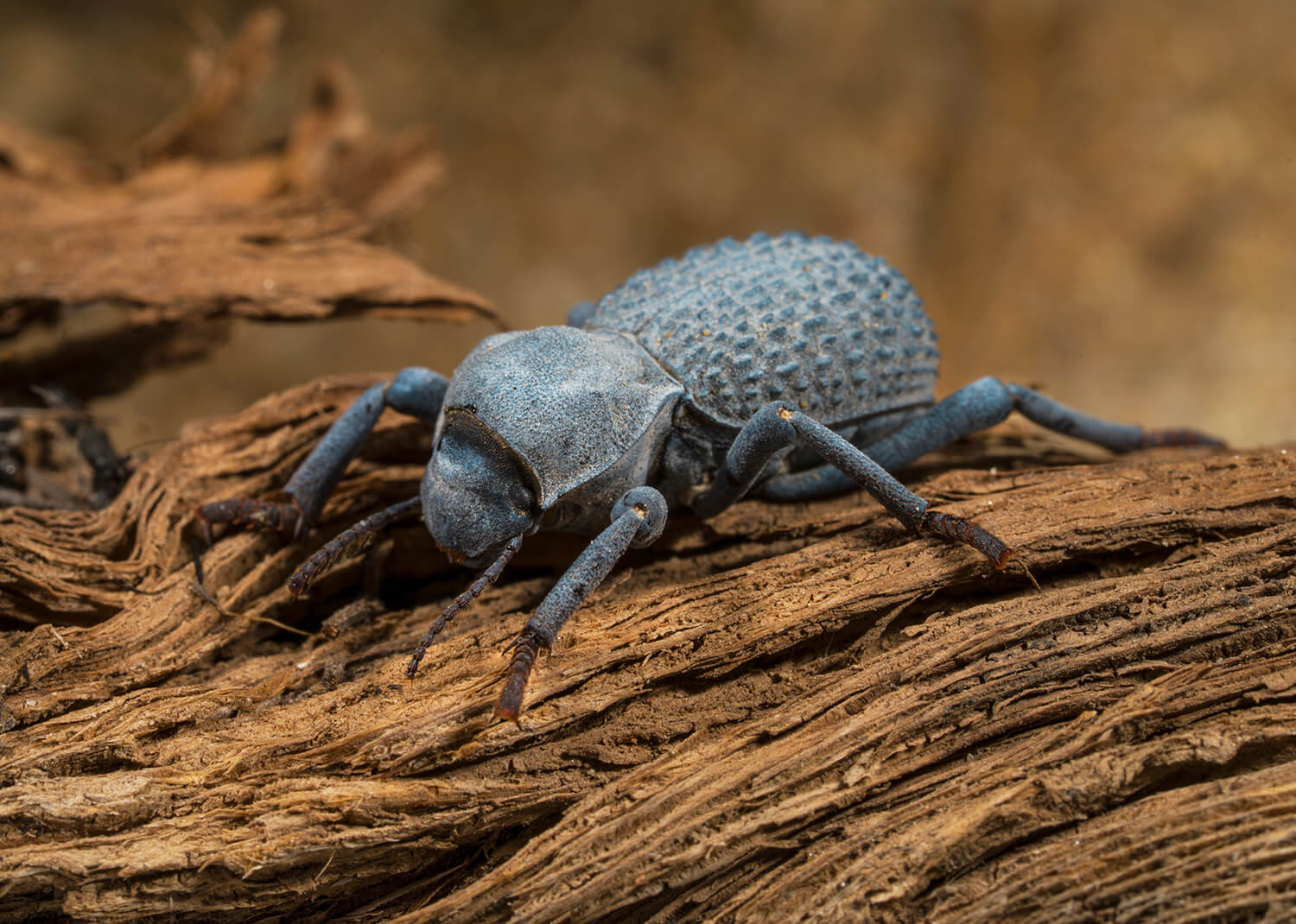
Blue Death Feigning Beetle
(Asbolus verrucosus)