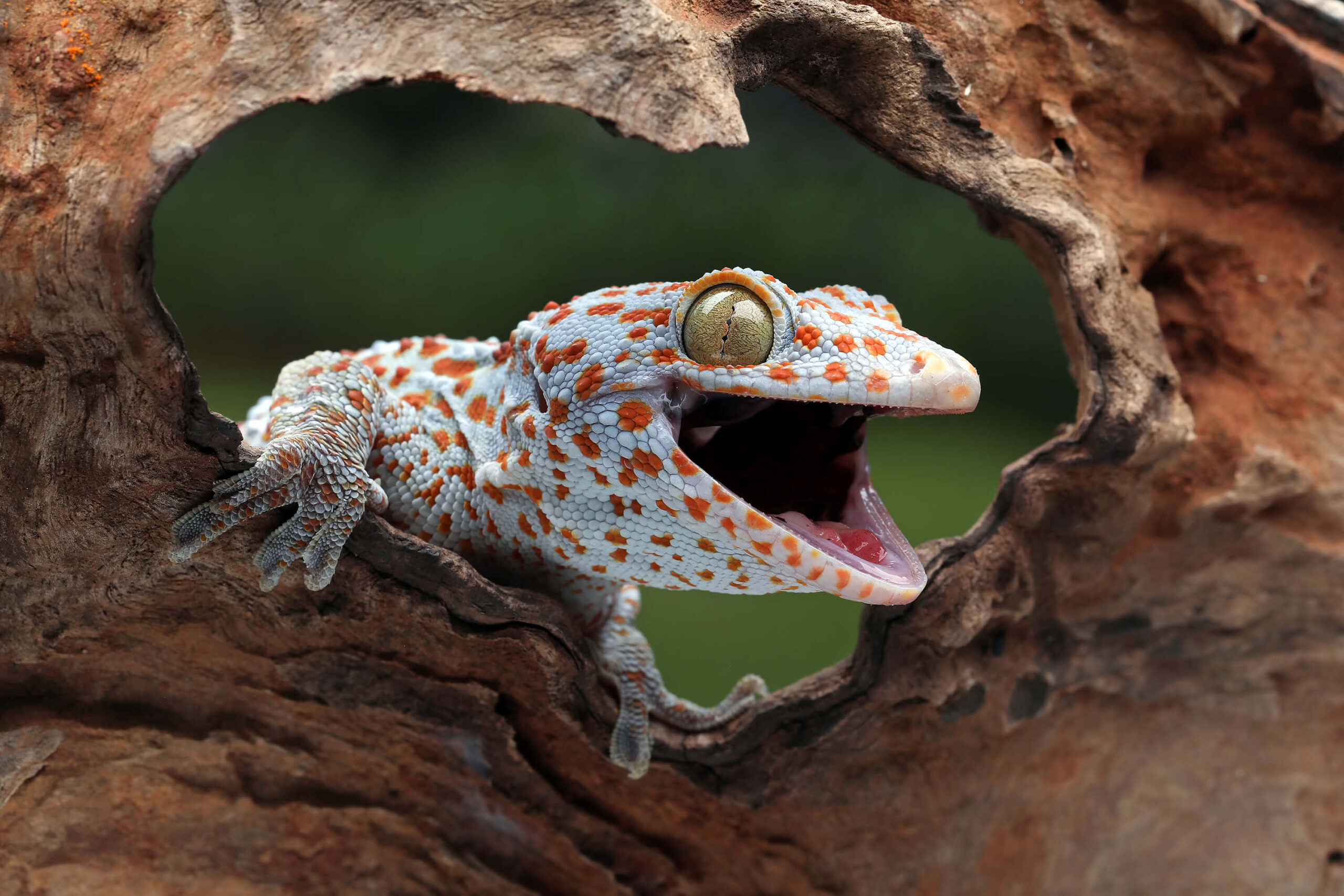
Tokay Gecko
(Gekko gecko)
“Houdini” & “Barkley”
Quick Facts:
Common Name: Tokay Gecko
Scientific Name: Gekko gecko
Native Range: Southeast Asia; introduced to parts of Florida
Habitat: Rainforests, urban areas, and tree hollows near water
Diet: Insectivorous—large insects and small vertebrates
Conservation Status: Least Concern (IUCN), though declining in some regions due to trade
Meet Our Resident
Houdini and Barkley are vibrant blue-gray geckos flecked with orange spots and known for their unmistakable call—“To-kay!” Loud, bold, and defensive, this gecko captures the attention of every visitor.
Connections to the Museum
The Tokay Gecko connects Burpee’s exhibits to the theme of behavioral adaptation. Its aggressive defense, vocalization, and territoriality are living demonstrations of evolutionary strategies in action, contrasting sharply with the quieter Crested Gecko nearby.
Natural History & Behavior
Tokays are nocturnal, powerful geckos with strong jaws and adhesive toe pads. They guard territories aggressively and communicate through loud calls. They inhabit both pristine forests and urban areas, thriving near human settlements in Asia.
Evolutionary Connections
Tokays belong to the Gekkonidae family, a lineage extending more than 100 million years. Their specialized vocal structures are rare among geckos and illustrate how communication can evolve differently in isolated populations. Fossil evidence shows early geckos already possessed adhesive toe structures—an ancient evolutionary innovation.
Wild Habitat & Distribution
Native to much of Southeast Asia, from India to Indonesia, and now found in introduced populations in Florida and the Caribbean.
Conservation & Status
While globally secure, Tokays face local declines from overcollection for the pet and traditional medicine trades. Burpee’s specimen underscores the importance of ethical sourcing and global cooperation in wildlife conservation.
SNAKES:

Ball Python
Western Hognose Snake
Blood Python
TURTLES:

Sulcata Tortoise
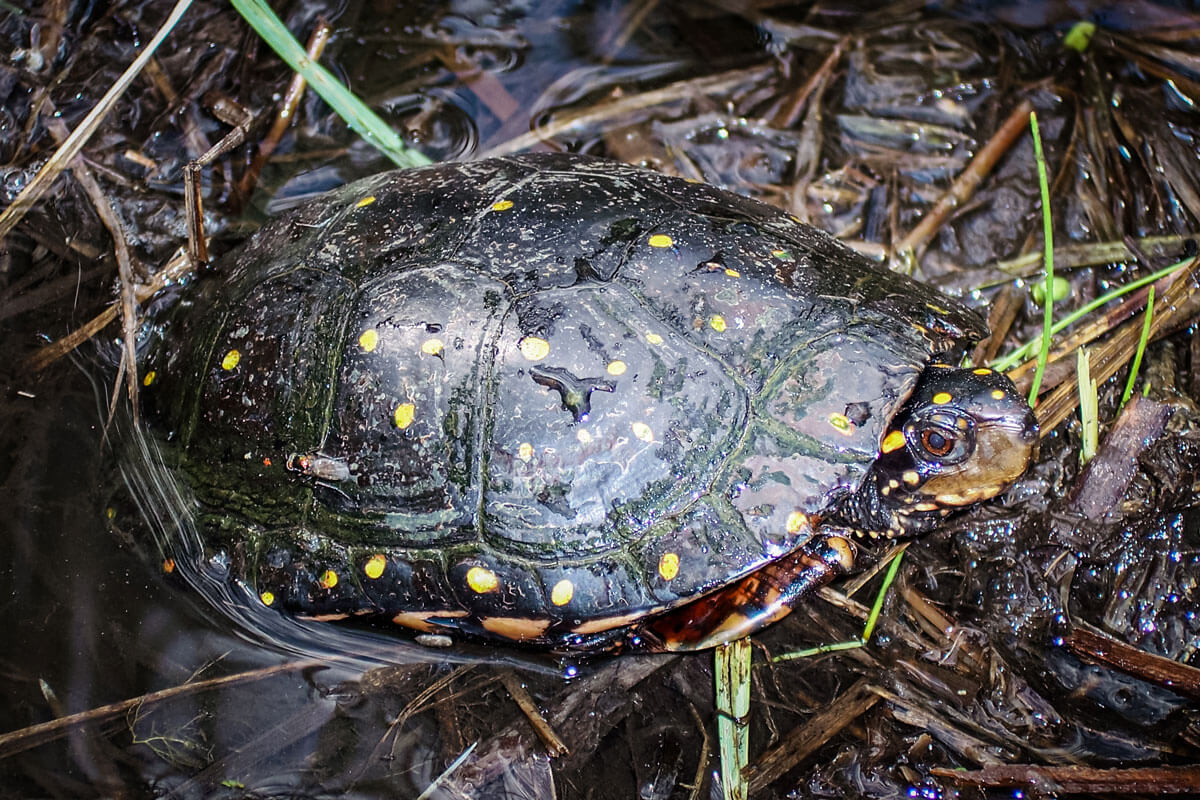
Spotted Turtle

River Cooter
LIZARDS:
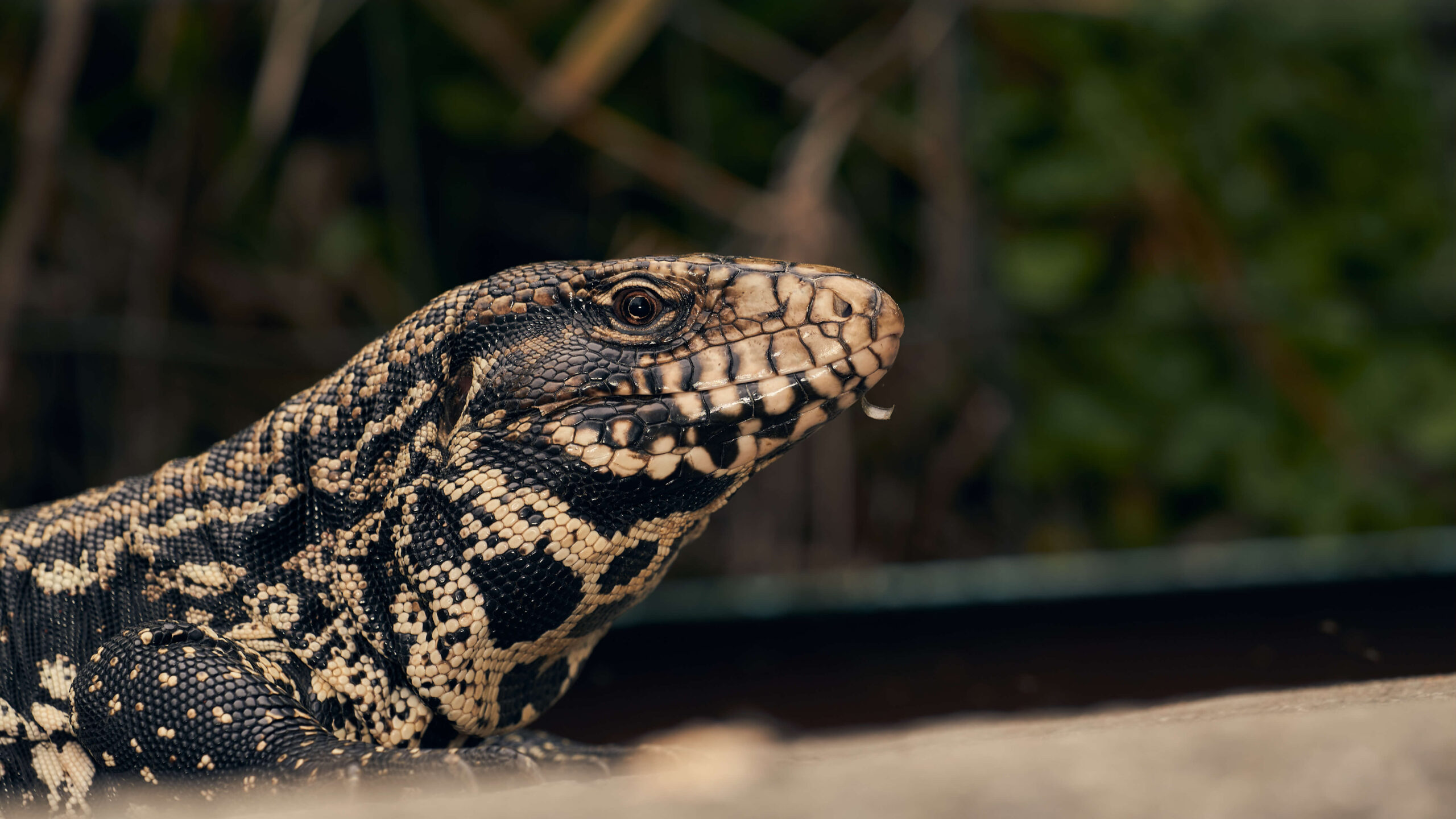
Argentine Tegu

Plated Lizard
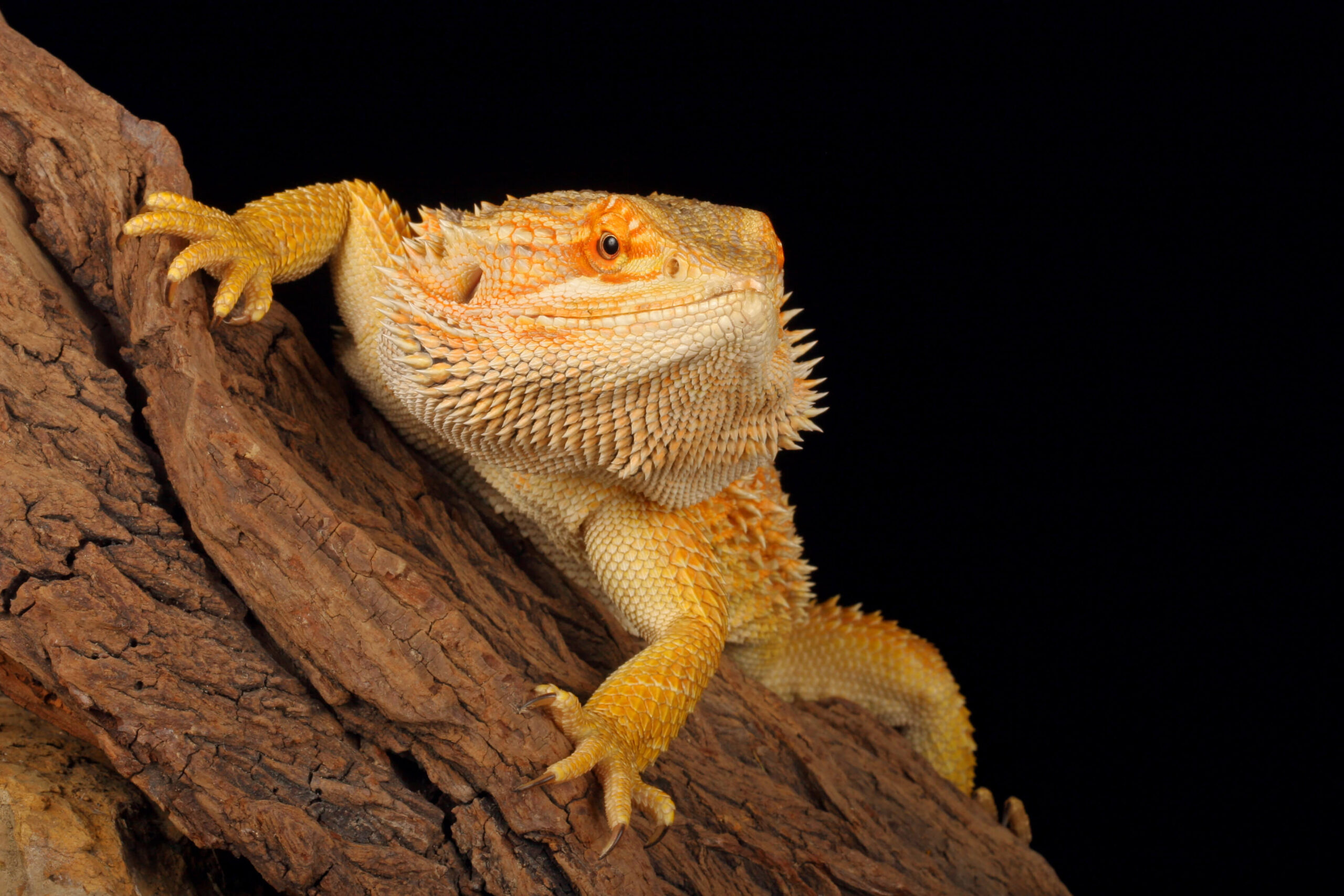
Bearded Dragon
ARTHROPODS:

Desert Millipede
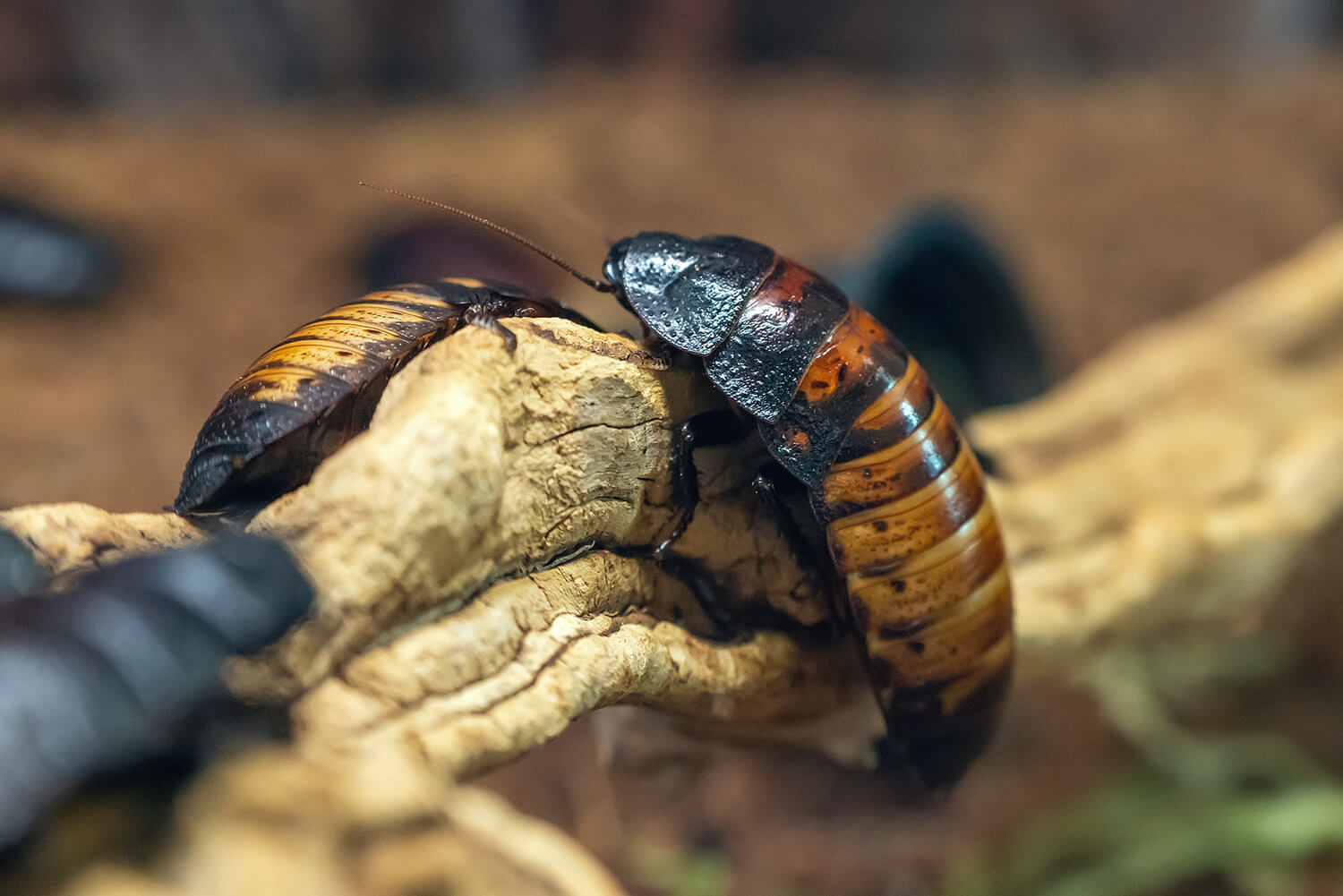
Madagascar Hissing Cockroach