
Rhinoceros Iguana
(Cyclura cornuta)
Quick Facts:
Common Name: Rhinoceros Iguana
Scientific Name: Cyclura cornuta
Native Range: Island of Hispaniola (Dominican Republic and Haiti) and surrounding coastal islands
Habitat: Dry tropical forest, rocky coastal scrub, and limestone terrain.
Conservation Status: Endangered (IUCN Red List) and protected under CITES Appendix I due to habitat loss and restricted range
Diet: Omnivorous—fruits, nectar, and insects
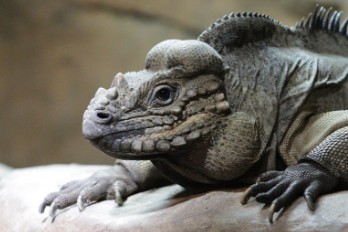
Meet Our Resident
Rhinoceros Iguanas have an incredible story to tell, evolving without predators, and now facing modern threats. Their presence here helps us explore big questions about conservation, responsible stewardship, and how we can all play a role in protecting wildlife.
Connections to the Museum
Burpee’s individuals are captive-bred, ensuring no impact on wild populations and serving as an educational model for ethical conservation practices.
Natural History & Behavior
Rhinoceros iguanas are among the most iconic Caribbean reptiles, named for the horn-like scales on their snout. They are primarily herbivorous and serve as major seed dispersers in their native dry forests.
Evolutionary Connections
A product of island gigantism, these iguanas evolved in isolation with few natural predators — an excellent example of how ecosystems shape species.
Wild Habitat & Distribution
Dry tropical forest, rocky coastal scrub, and limestone terrain.
Conservation & Status
Rhinoceros Iguanas are endangered due to habitat destruction, invasive predators, and illegal collection. They serve as powerful ambassadors for Caribbean biodiversity and island conservation.
SNAKES:

Ball Python
(Python regius)
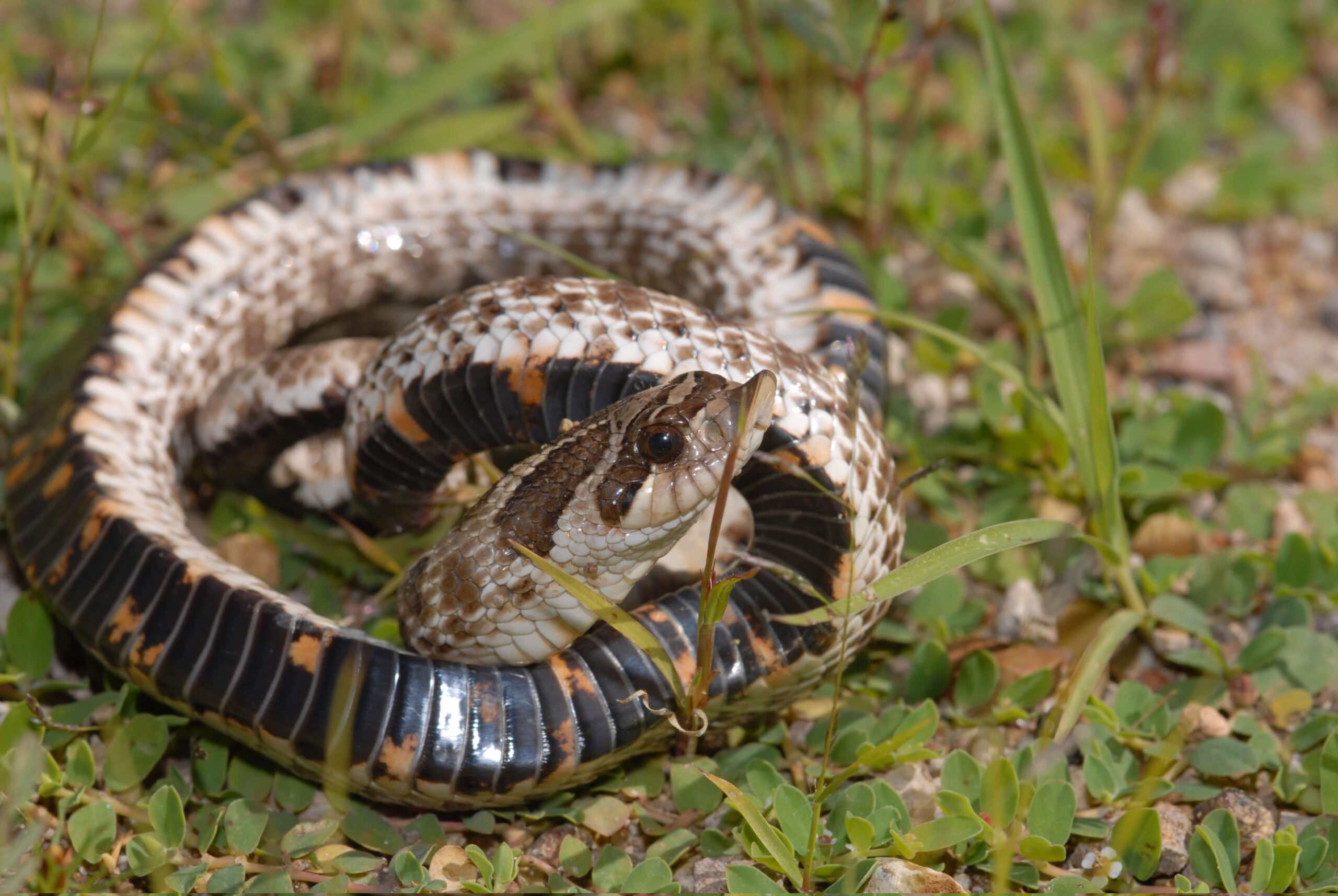
Western Hognose Snake
(Heterodon nasicus)
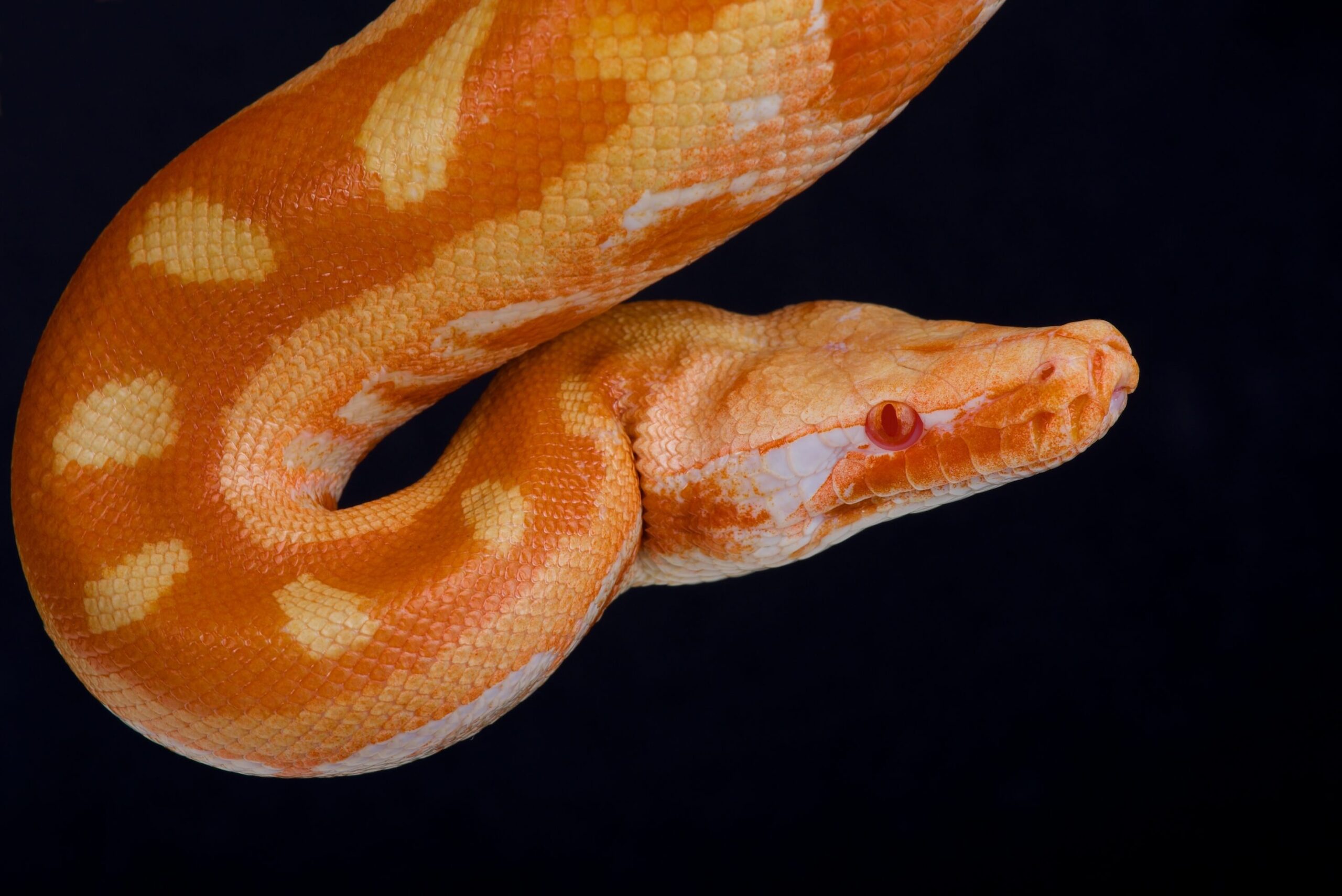
Blood Python
(Python brongersmai)
TURTLES:

Sulcata Tortoise
(Centrochelys sulcata)
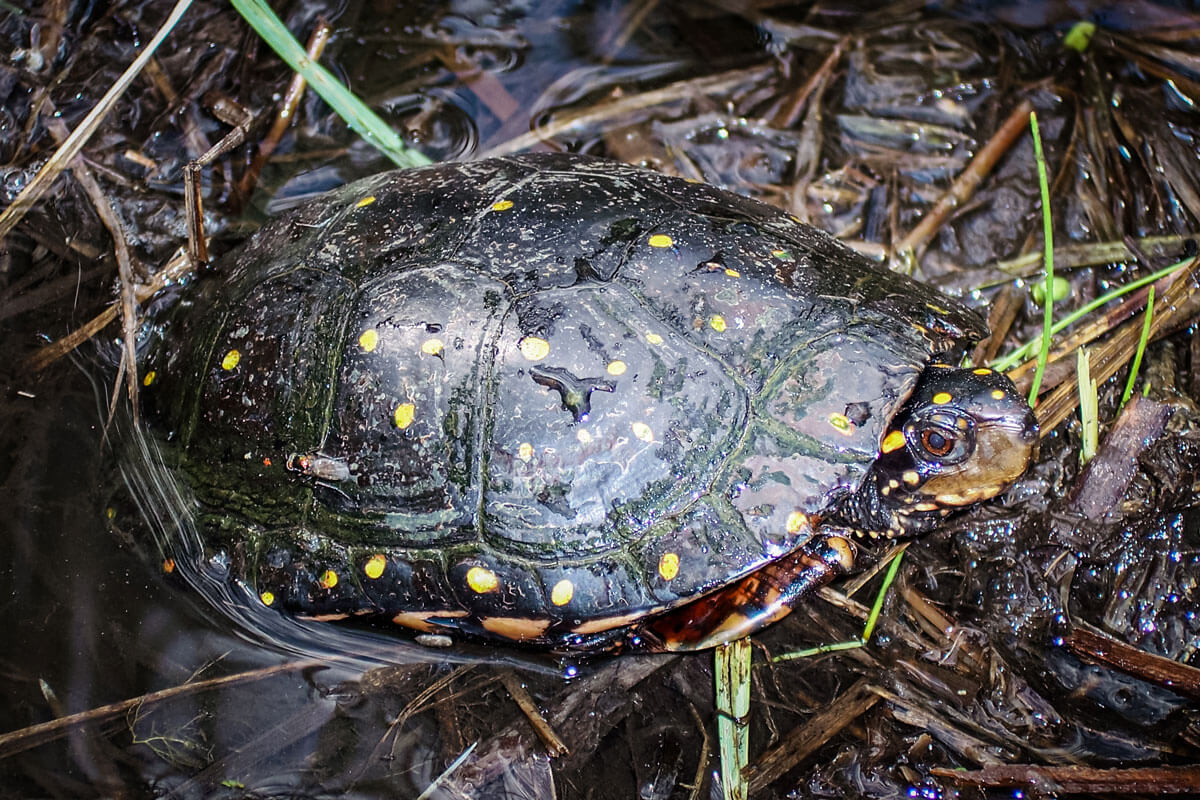
Spotted Turtle
(Clemmys guttata)

River Cooter
(Pseudemys concinna)
LIZARDS:
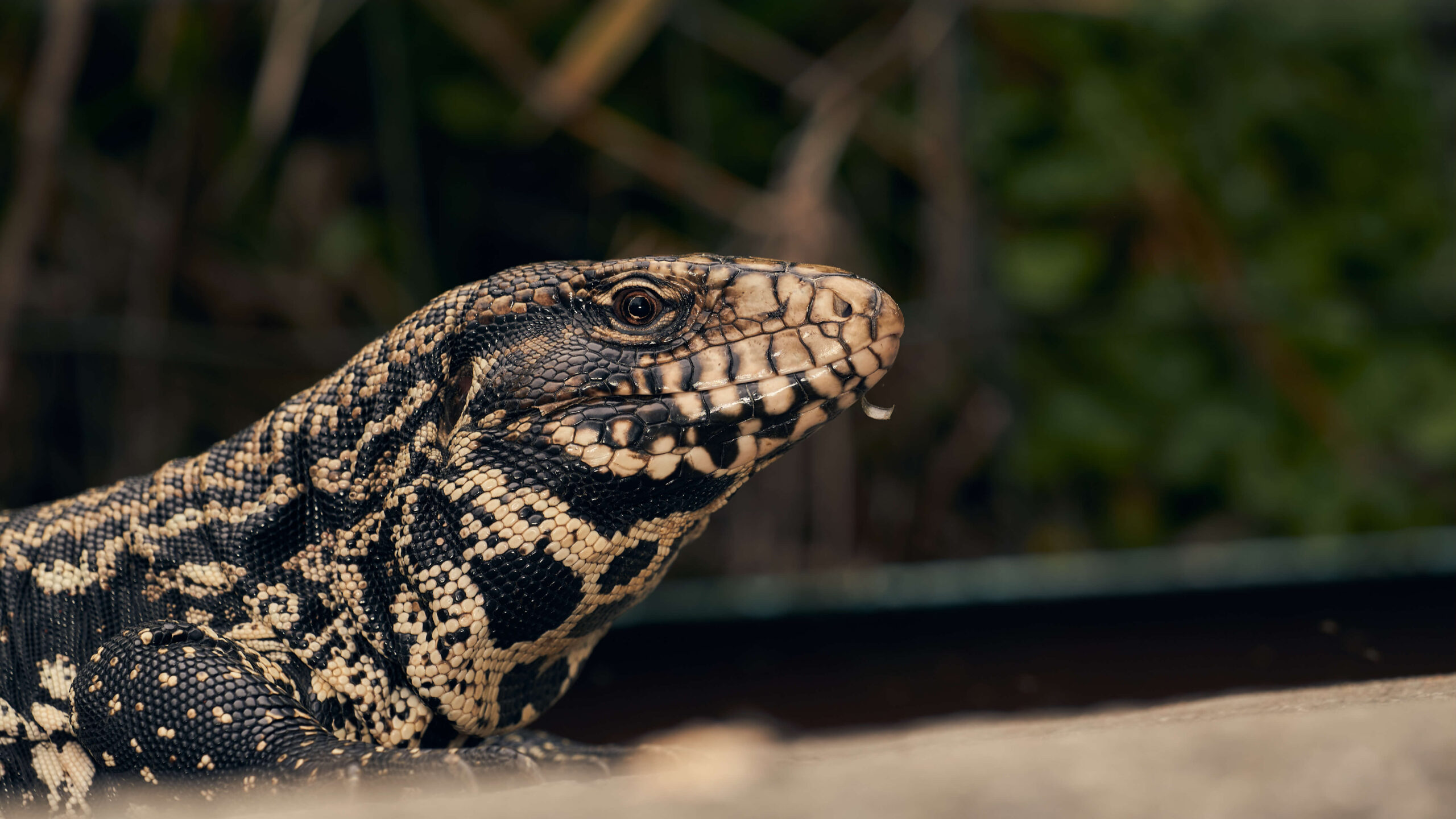
Argentine Tegu
(Salvator merianae)

Plated Lizard
(Gerrhosaurus major)
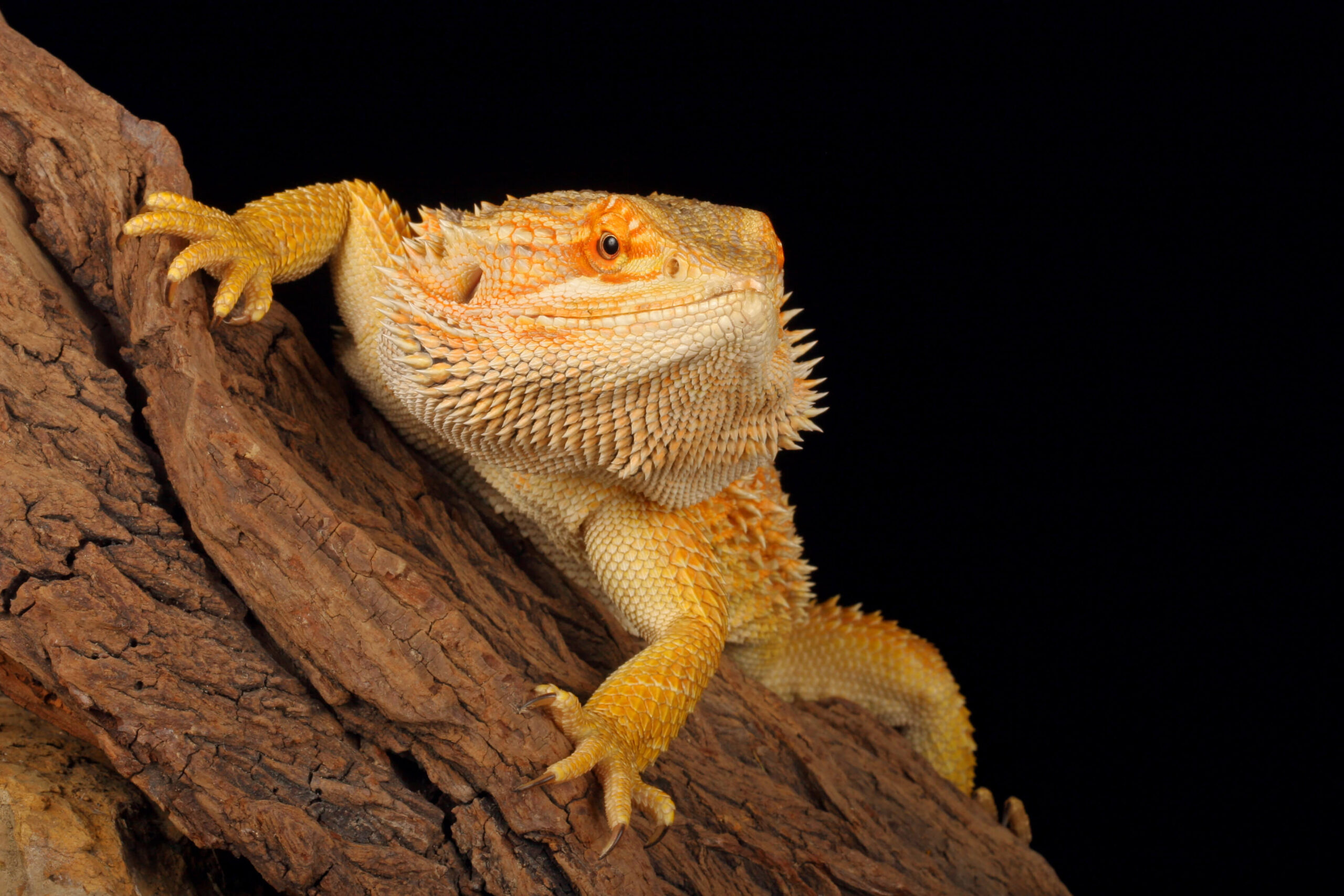
Bearded Dragon
(Pogona vitticeps)
ARTHROPODS:

Desert Millipede
(Orthoporus ornatus)
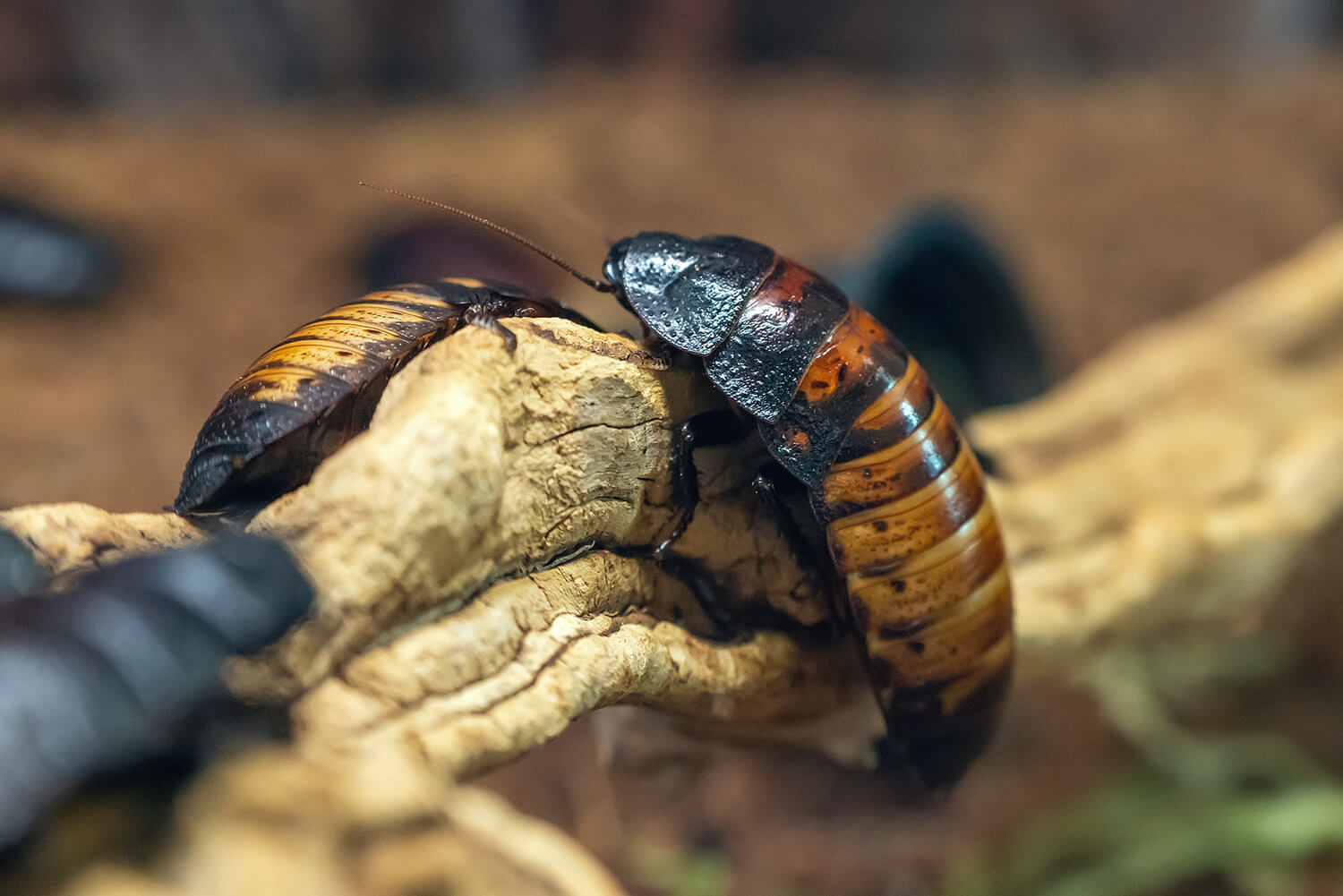
Madagascar Hissing Cockroach
(Gromphadorhina portentosa)
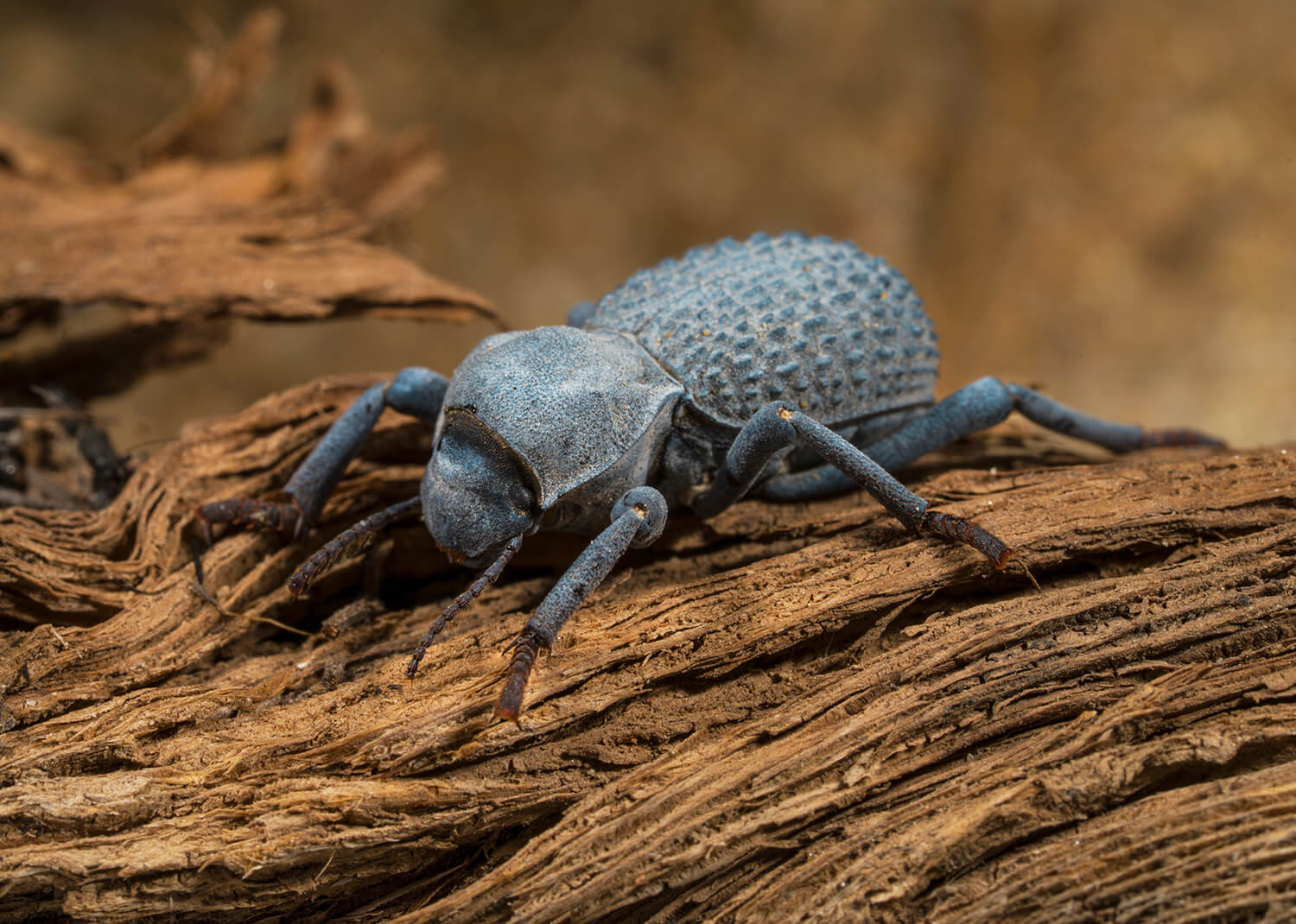
Blue Death Feigning Beetle
(Asbolus verrucosus)