
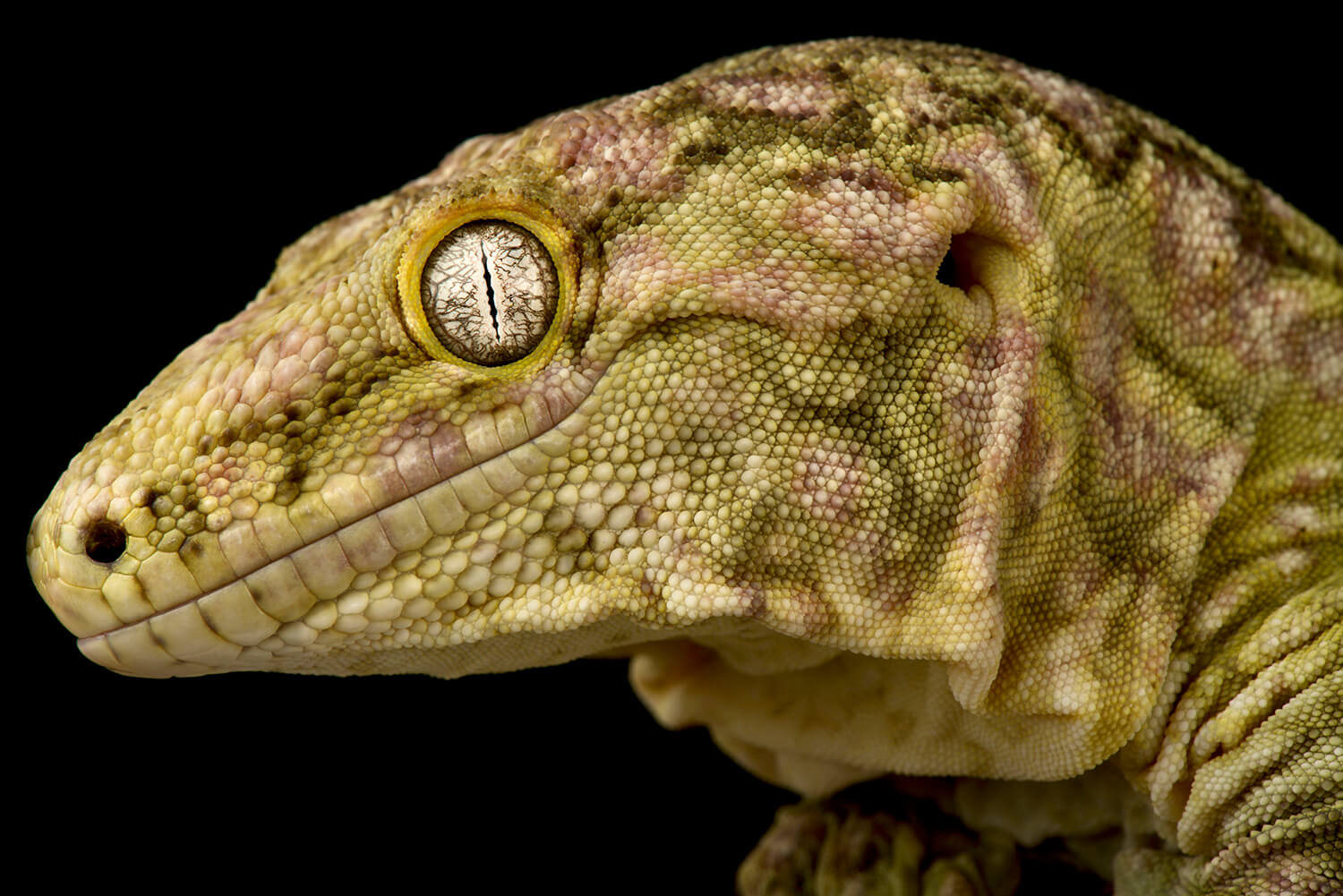
New Caledonian Gecko
(Rhacodactylus leachianus)
“Oakley”
Quick Facts:
Common Name: Leachie Gecko
Scientific Name: Rhacodactylus leachianus
Native Range: New Caledonia (South Pacific)
Habitat: Humid, tropical forests with dense foliage and vertical surfaces
Diet: Omnivorous—fruits, nectar, and insects
Meet Our Resident
Oakley is a New Caledonian Giant Gecko which is the largest gecko species on Earth, yet extremely delicate and sensitive to stress.
Connections to the Museum
Because their wild numbers are limited and exports are banned, captive individuals like Oakley are important ambassadors for island conservation and ethical reptile care.
Natural History & Behavior
Once considered rare and hard to study, the Leachianus Gecko puzzled scientists because its island forms hid its origins. Now known to be from New Caledonia, it’s recognized as the world’s largest gecko. The Giant Gecko has a wide range of vocalizations to warn rivals or attract mates.
Evolutionary Connections
Hoplodactylus delcourti is an extinct species of the Giant Gecko (diplodactylid gecko). Based on a persevered specimen these two species share common traits with each other.
Wild Habitat & Distribution
This arboreal animal is found in the rainforest canopy. It is found exclusively on the island of New Caledonia in the South Pacific.
Conservation & Status
The Giant Gecko is listed as Least Concern. However, habitat loss and the introduction of invasive species such as cats, rodents, and fire ants are concerns for their long-term survival.
SNAKES:

Ball Python
(Python regius)
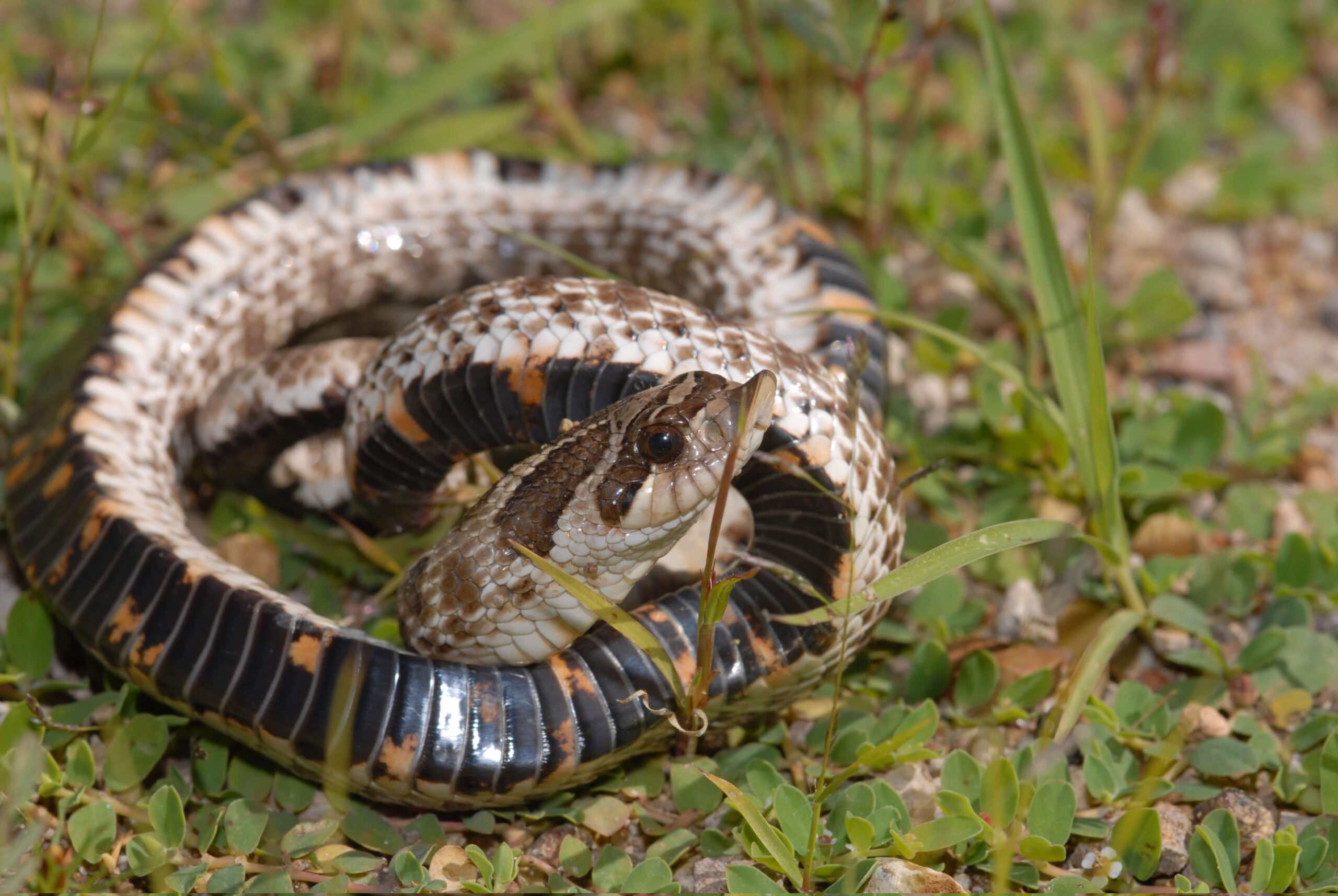
Western Hognose Snake
(Heterodon nasicus)
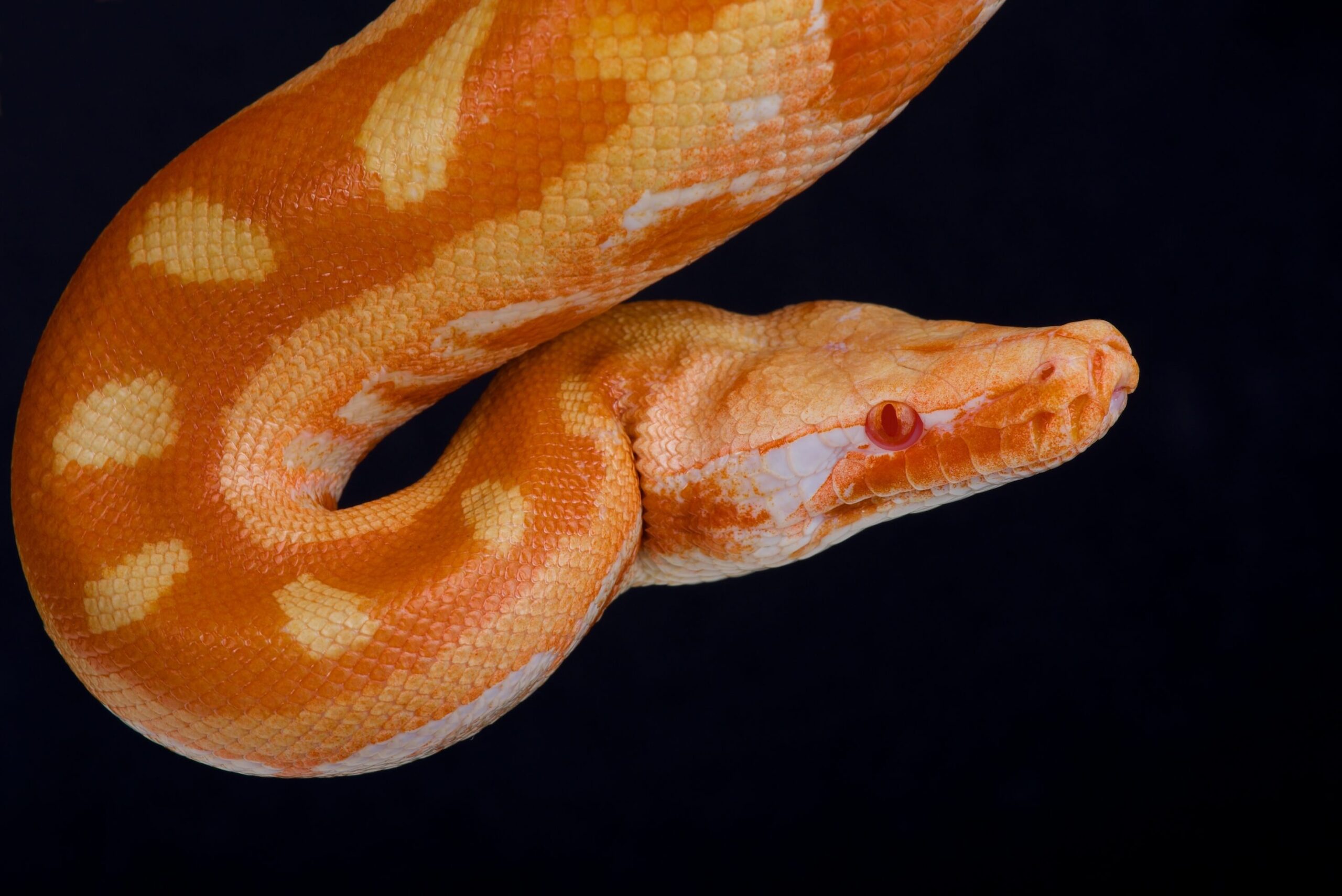
Blood Python
(Python brongersmai)
TURTLES:

Sulcata Tortoise
(Centrochelys sulcata)
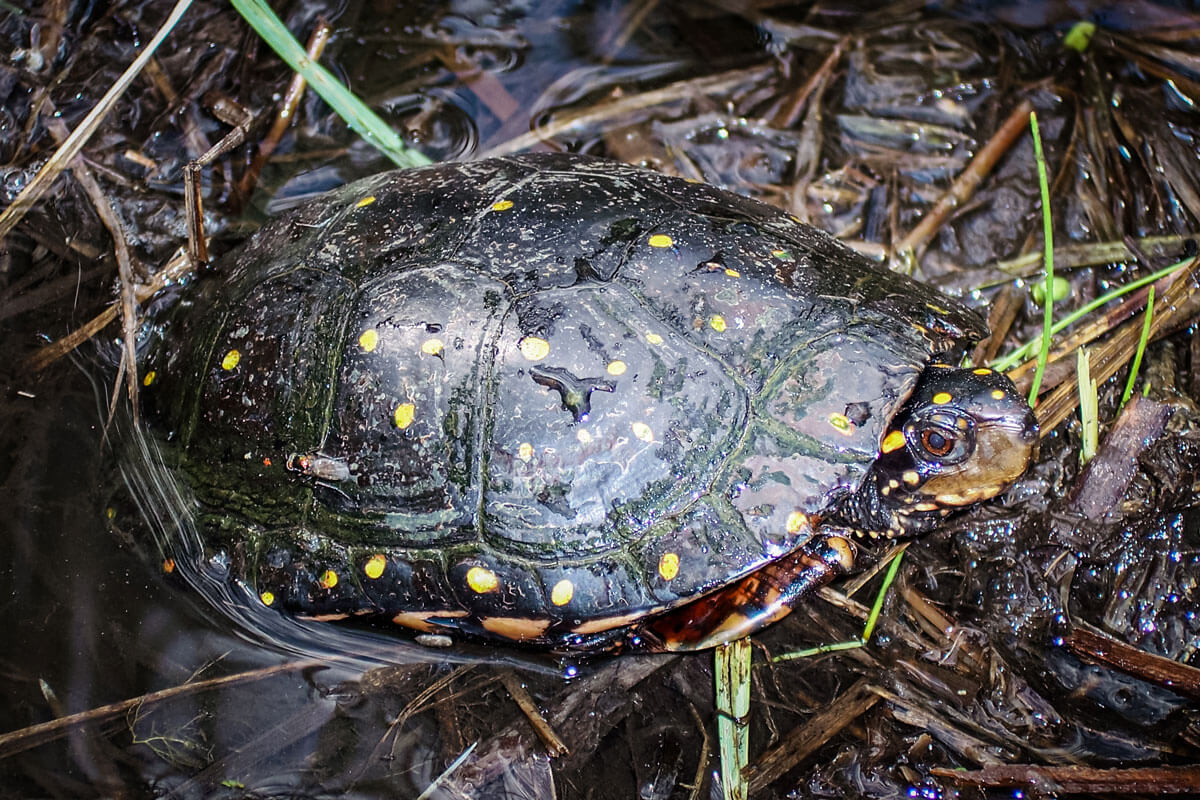
Spotted Turtle
(Clemmys guttata)

River Cooter
(Pseudemys concinna)
LIZARDS:
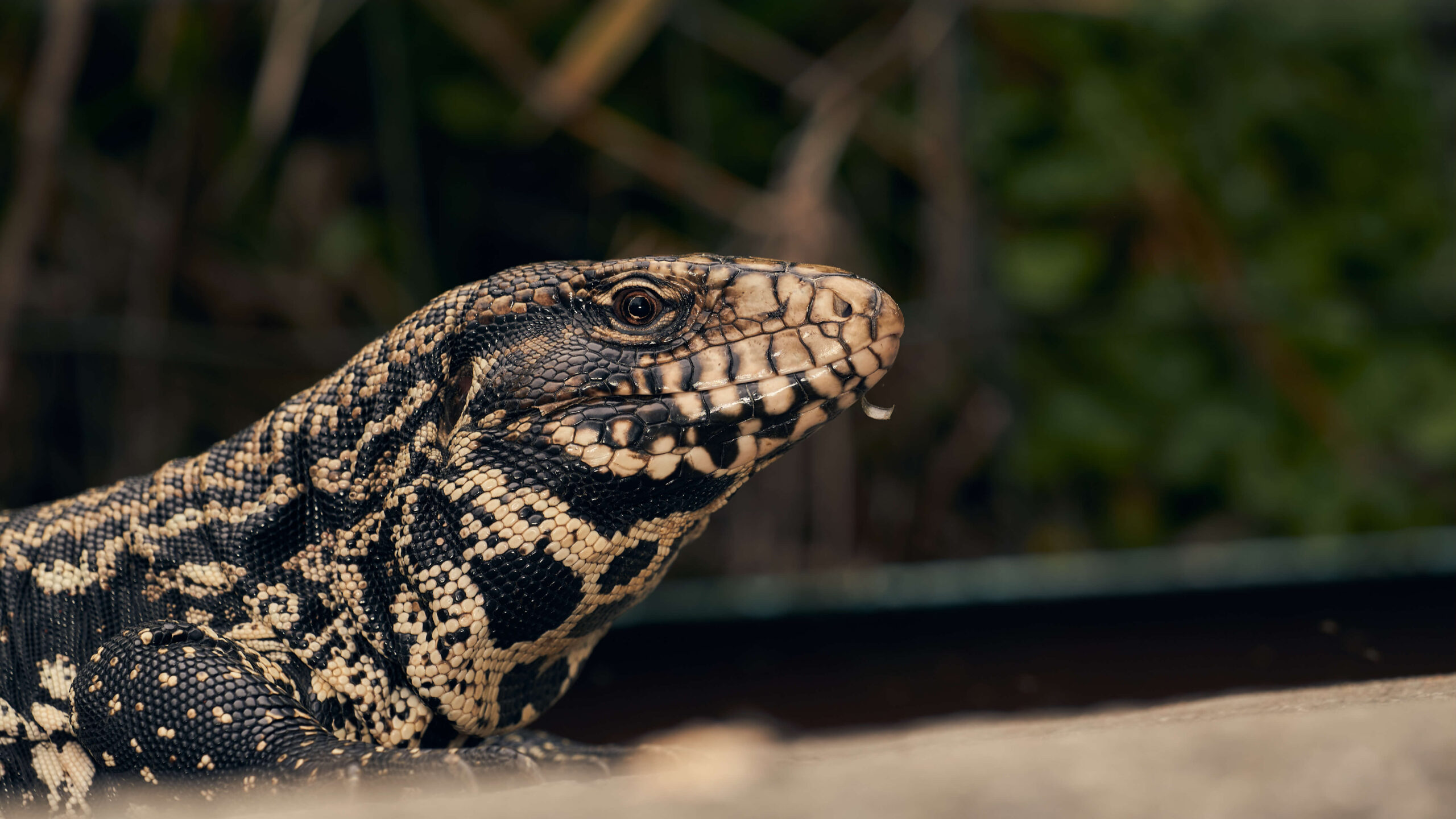
Argentine Tegu
(Salvator merianae)

Plated Lizard
(Gerrhosaurus major)
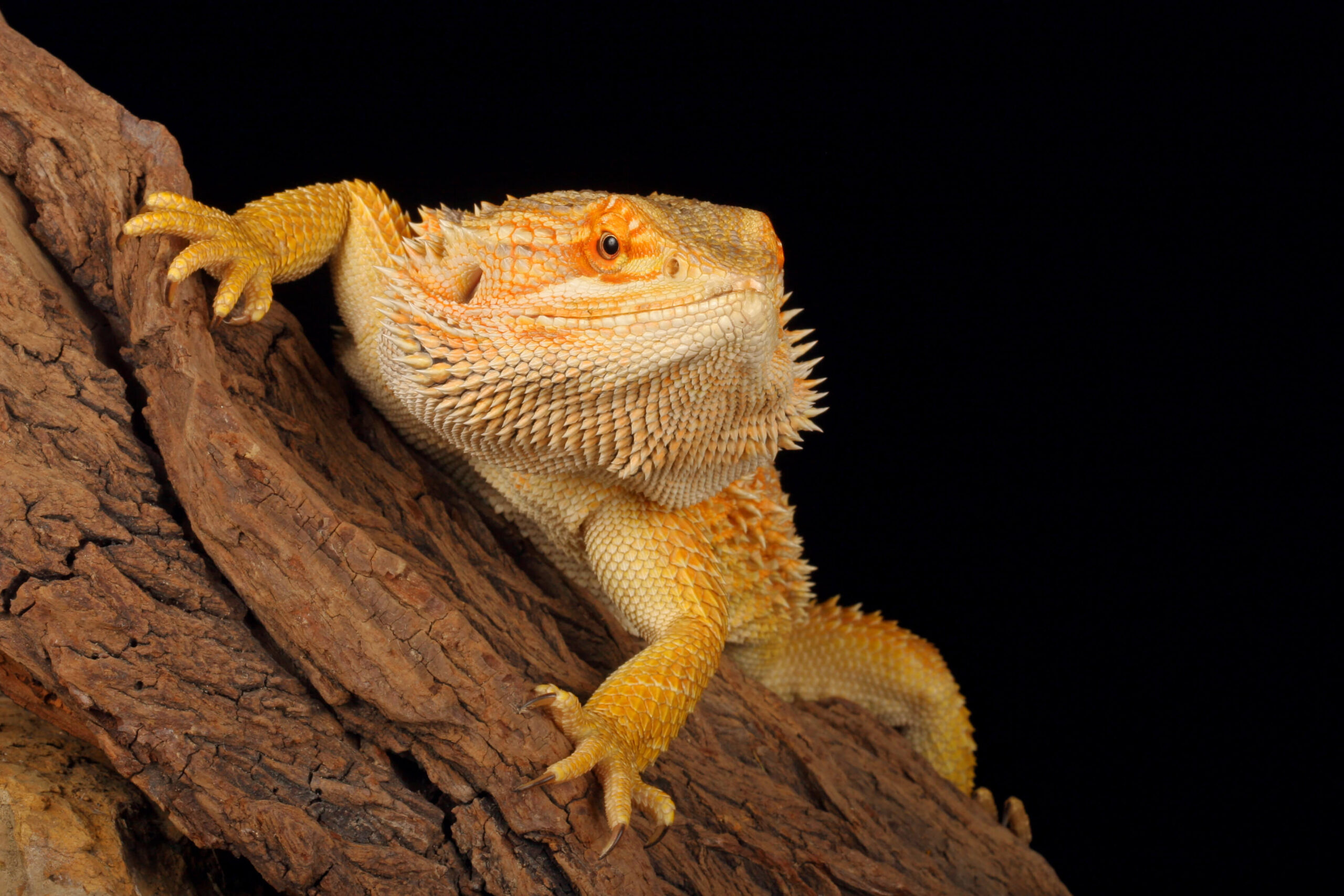
Bearded Dragon
(Pogona vitticeps)
ARTHROPODS:

Desert Millipede
(Orthoporus ornatus)
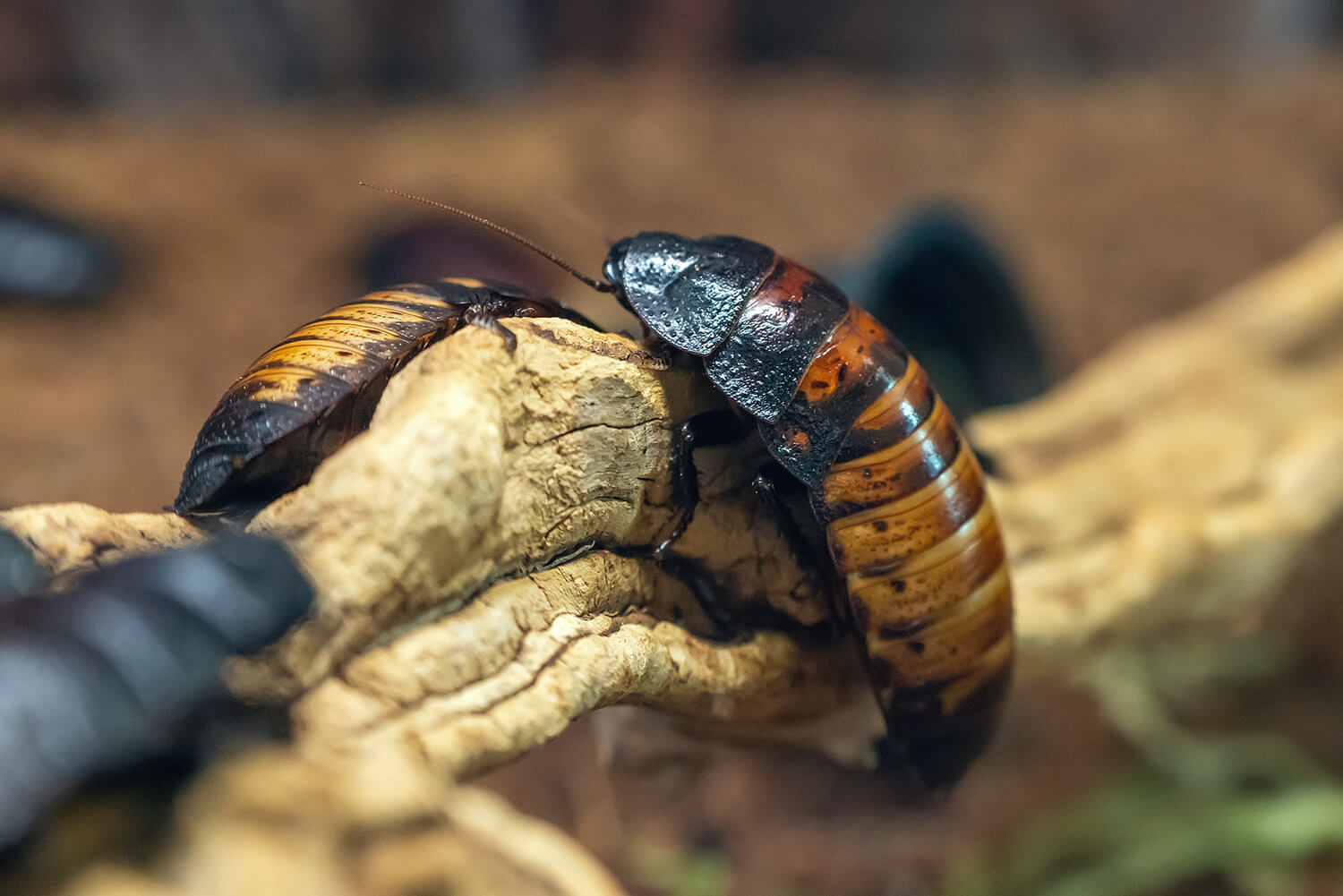
Madagascar Hissing Cockroach
(Gromphadorhina portentosa)
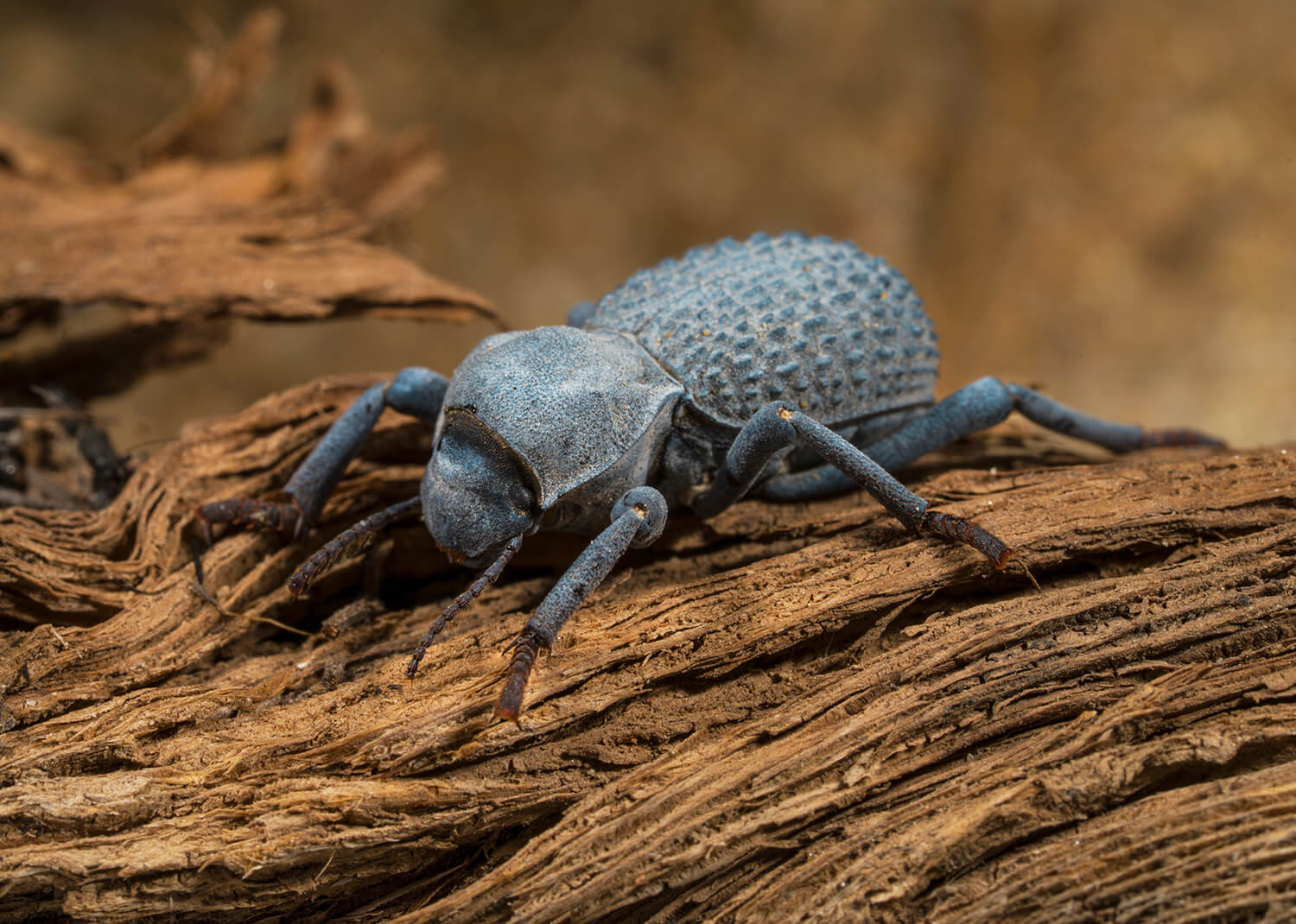
Blue Death Feigning Beetle
(Asbolus verrucosus)