Leopard Gecko
(Eublepharis macularius)
“Fish” & “Hamster”
Quick Facts:
Common Name: Leopard Gecko
Scientific Name: Eublepharis macularius
Native Range: Arid regions of Pakistan, India, and Afghanistan
Habitat: Rocky desert and scrubland
Diet: Insectivorous—crickets, roaches, worms
Conservation Status: Not Threatened
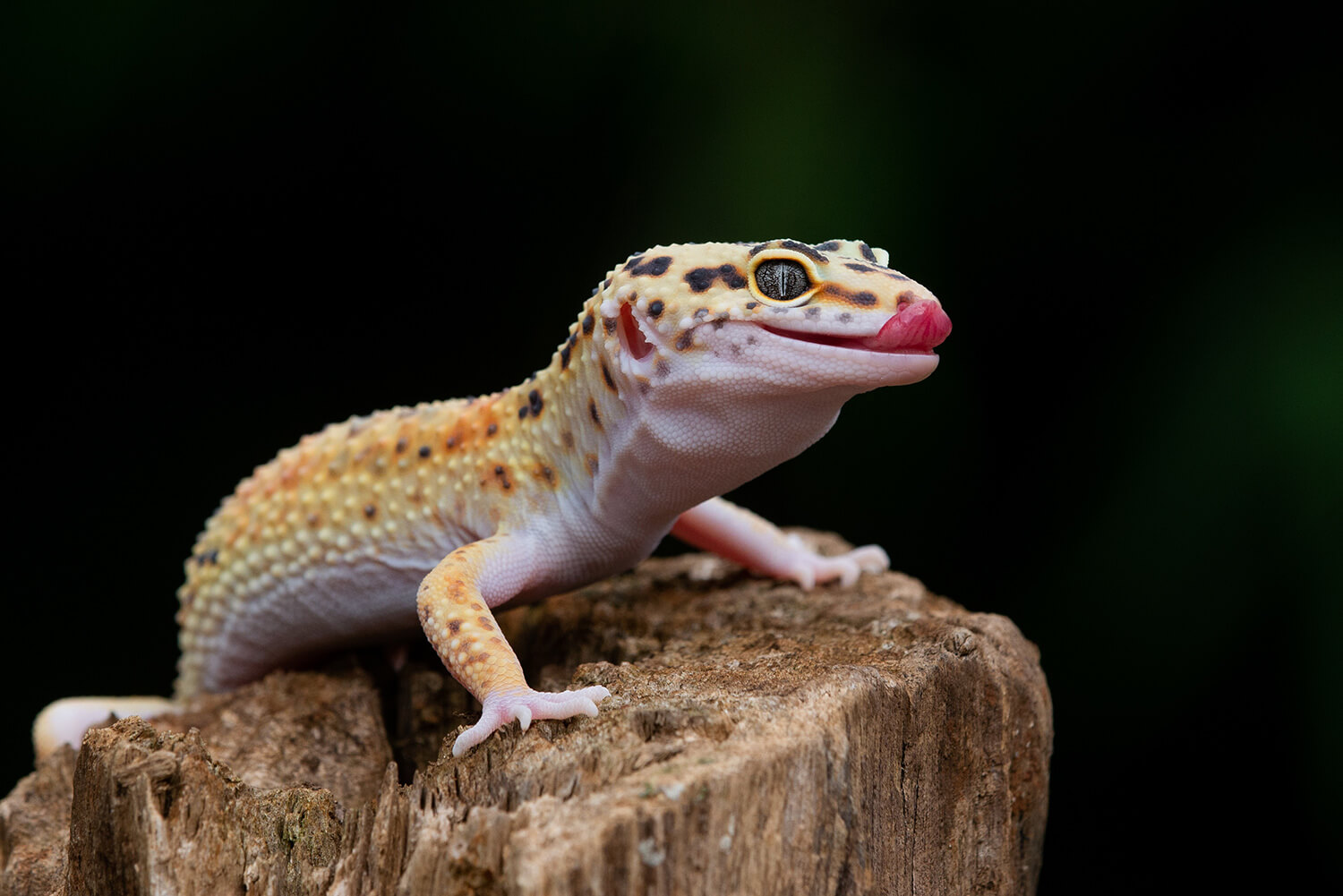
Meet Our Resident
Fish and Hamster greet visitors from the comfort of a sandy burrow, blinking their eyelids—an unusual feature among geckos. Calm and gentle, it helps visitors of all ages explore reptile adaptation and nocturnal life.
Connections to the Museum
The Leopard Gecko embodies Burpee’s theme of adaptation to extremes. Its nocturnal habits, patterned skin, and ability to shed its tail illustrate desert survival strategies.
Natural History & Behavior
These geckos are ground-dwelling and live in crevices or burrows to avoid daytime heat. They emerge at dusk to hunt insects. They store fat in their tails for energy during scarce times.
Evolutionary Connections
Part of the Eublepharidae family, Leopard Geckos diverged early from climbing geckos, retaining movable eyelids instead of clear protective scales. Their ancestors appear in Miocene fossil beds of Asia, marking the adaptation of reptiles to expanding deserts.
Wild Habitat & Distribution
Inhabit rocky, semi-arid terrain across South Asia, thriving in regions with sparse vegetation.
Conservation & Status
Not threatened, but dependent on balanced ecosystems with ample insects.
SNAKES:

Ball Python
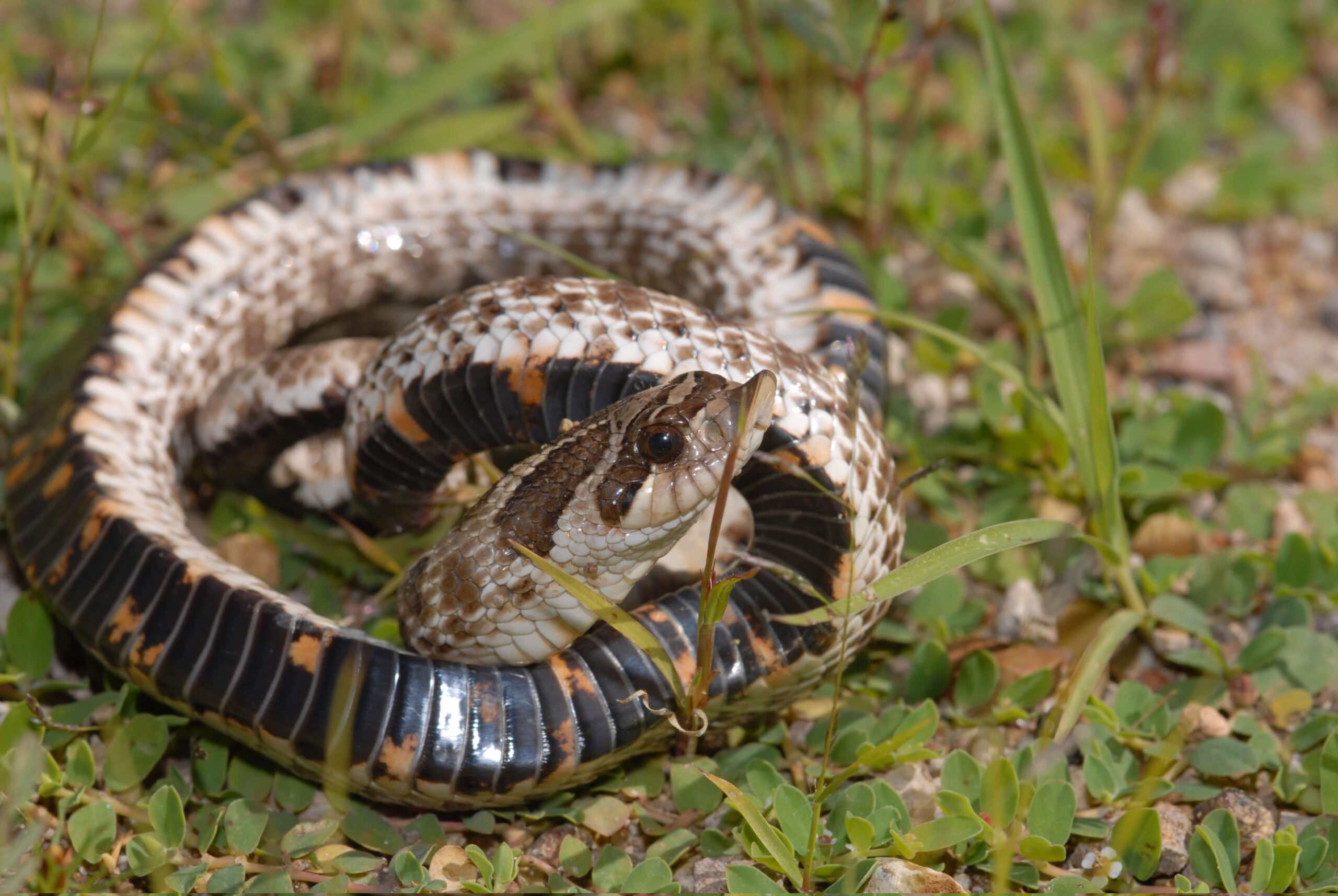
Western Hognose Snake
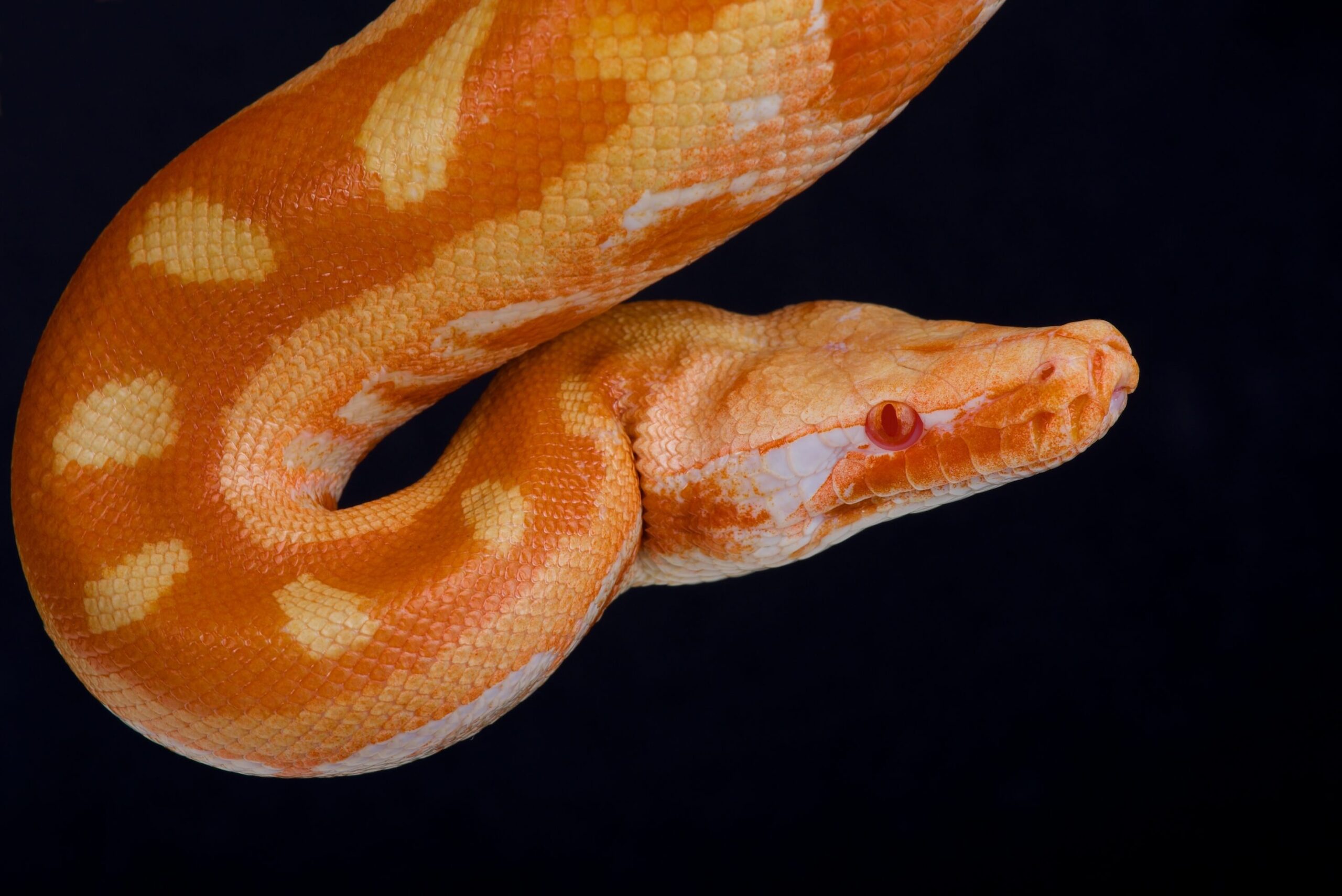
Blood Python
TURTLES:

Sulcata Tortoise
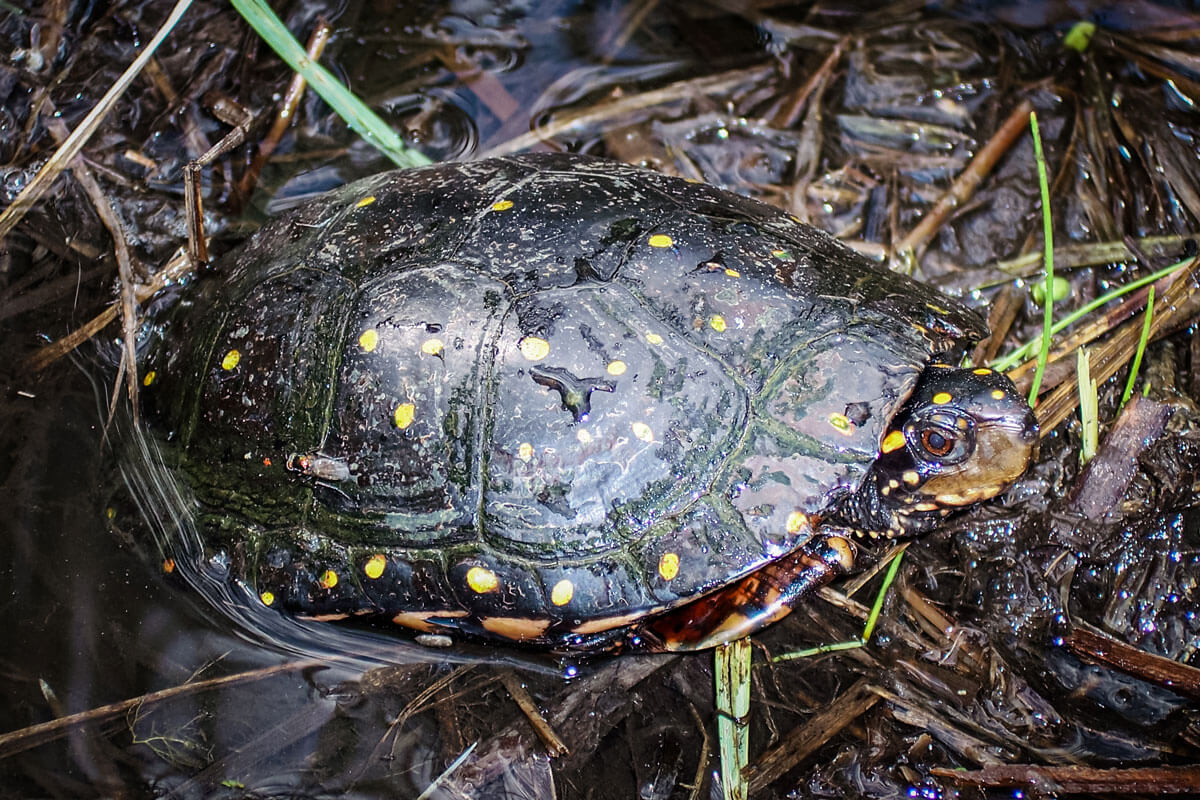
Spotted Turtle

River Cooter
LIZARDS:
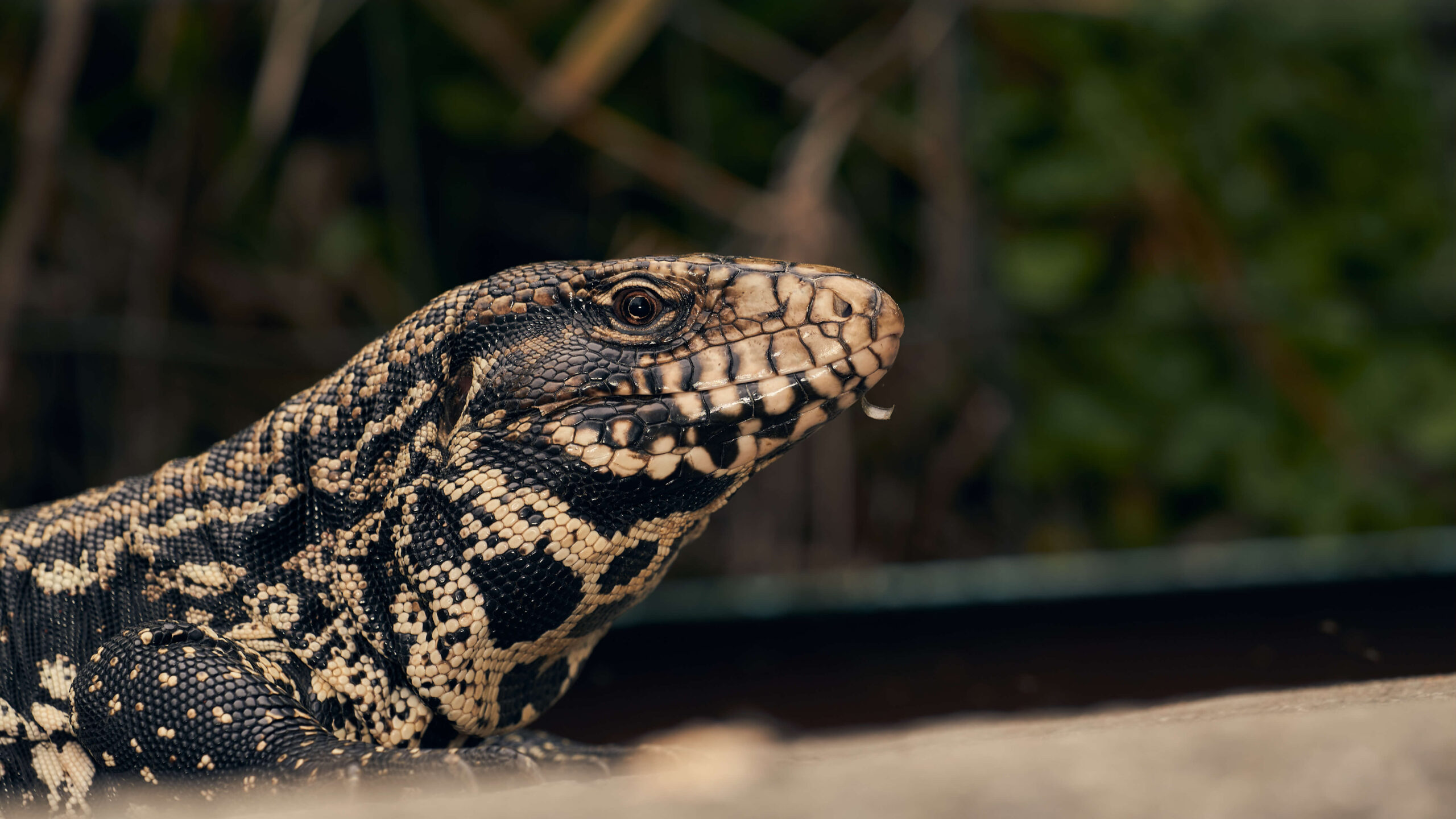
Argentine Tegu

Plated Lizard
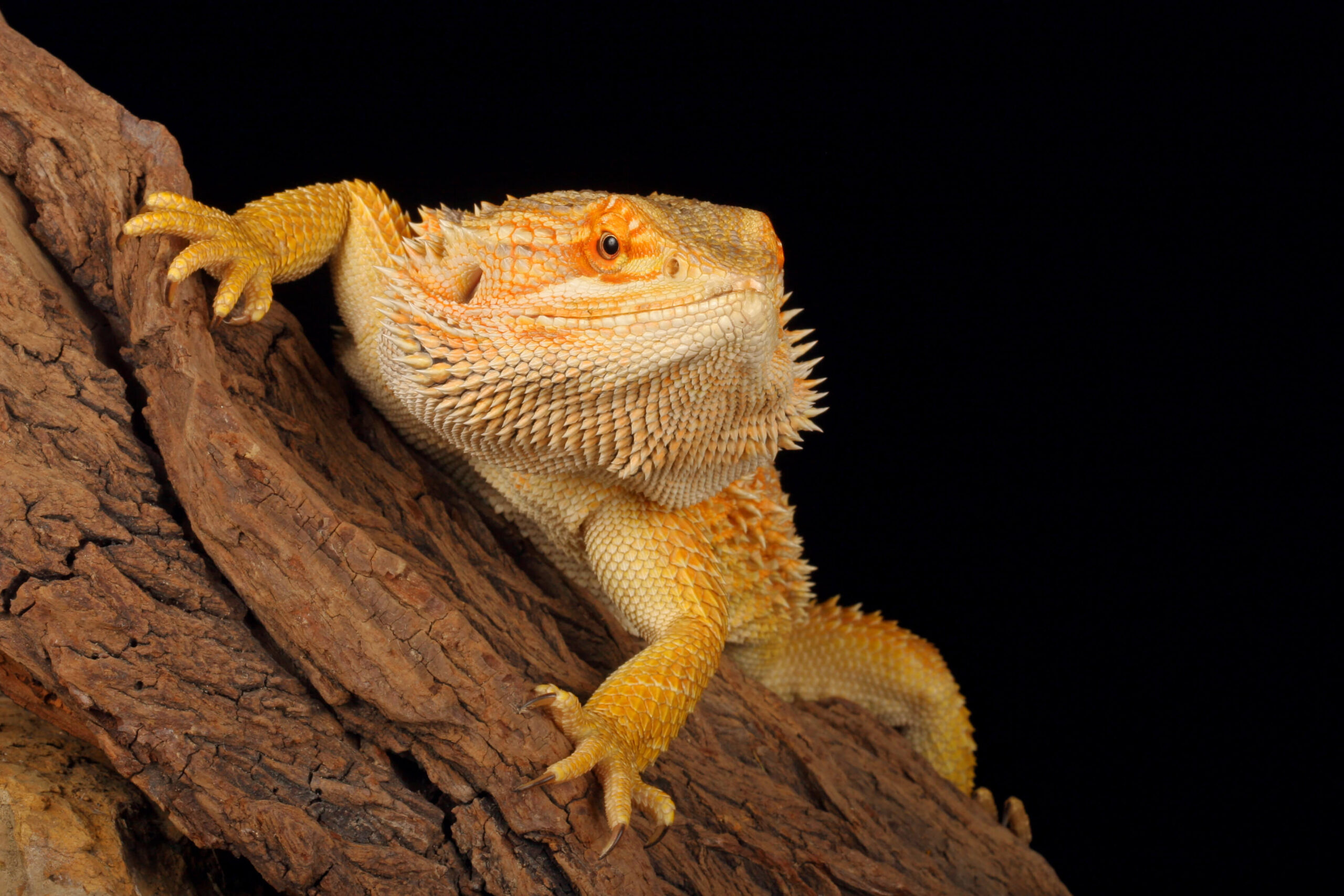
Bearded Dragon
ARTHROPODS:

Desert Millipede
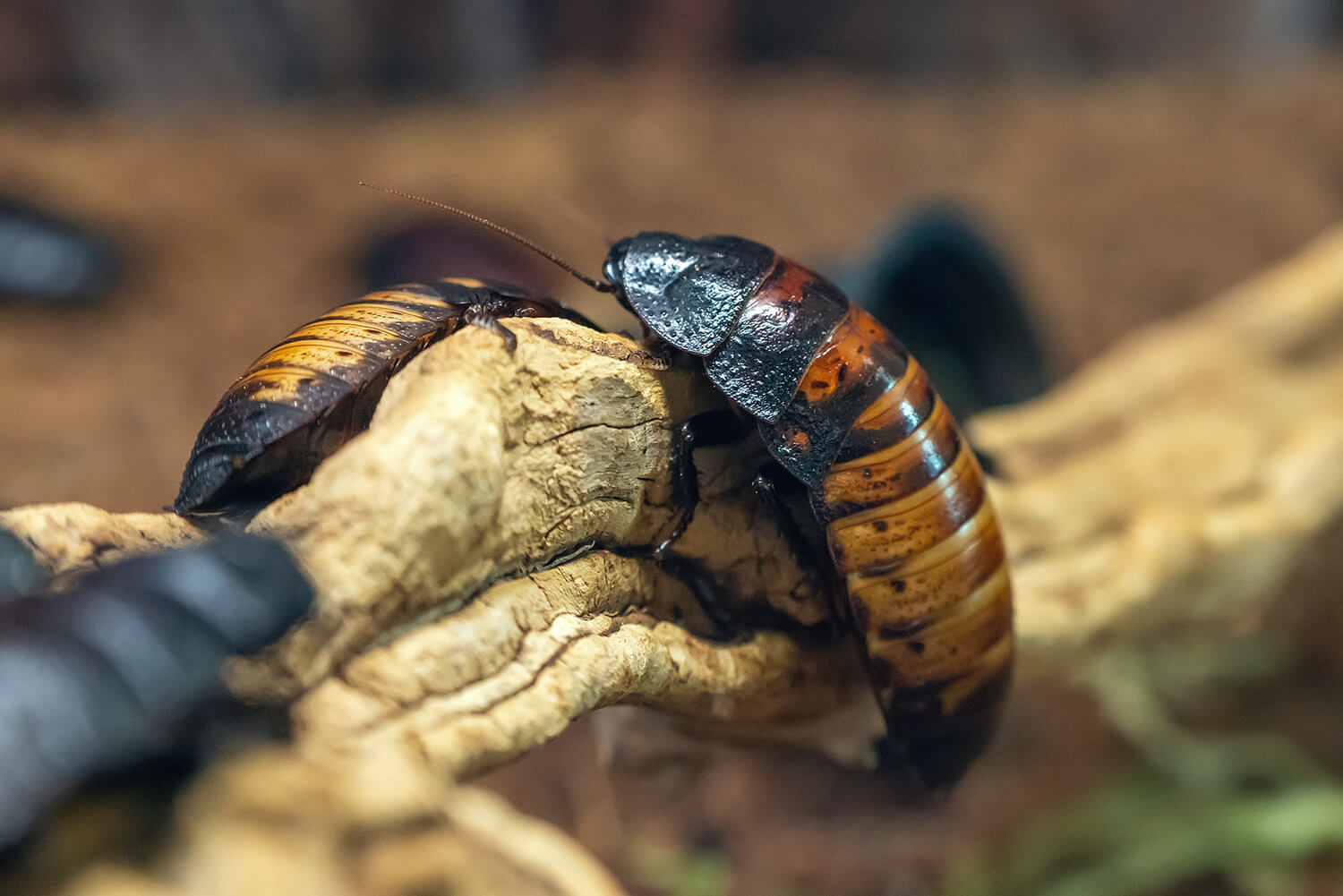
Madagascar Hissing Cockroach