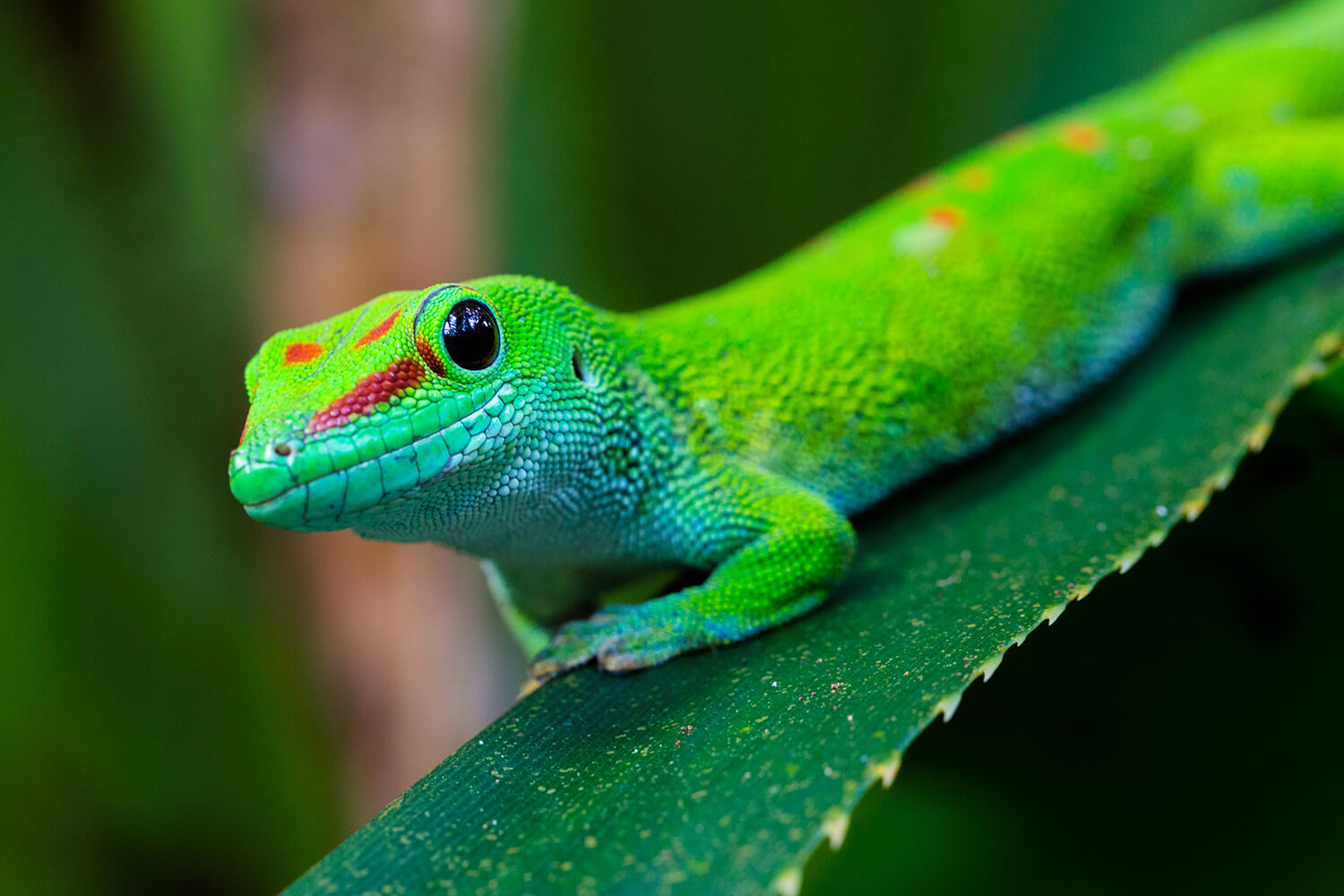
Giant Day Gecko
(Phelsuma grandis)
“Chip”
Quick Facts:
Common Name: Giant Day Gecko
Scientific Name: Phelsuma grandis
Native Range: Northern Madagascar
Habitat: Humid forests and plantations; arboreal
Diet: Nectar, fruit, pollen, and insects
Conservation Status: Least Concern (IUCN), though habitat loss is ongoing
Meet Our Resident
Chip glows with brilliant green and red markings that catch the light of the exhibit. A lively and alert gecko, it often laps nectar from feeding dishes or patrols branches with quick, fluid movement.
Connections to the Museum
The Giant Day Gecko exemplifies Burpee’s message of color and adaptation. Its vibrant hue aids camouflage among tropical foliage, blending art and evolution—a living bridge between natural selection and the artistic palette seen in Burpee’s interpretive exhibits.
Natural History & Behavior
Unlike most geckos, this species is diurnal. It uses sticky toe pads to climb smooth surfaces and feeds partly on nectar and pollen, occasionally pollinating flowers as it forages—an unusual behavior among reptiles. Males are territorial and communicate with subtle chirps and postures.
Evolutionary Connections
The Phelsuma genus represents a specialized branch of geckos that adapted to daylight life, diverging from nocturnal ancestors. Their color-producing skin cells (iridophores) mirror ancient structural coloration mechanisms found in fossilized reptiles and birds.
Wild Habitat & Distribution
Native to humid forests of northern Madagascar, but also introduced to tropical regions such as Hawaii and Florida.
Conservation & Status
Although not endangered, this species faces pressures from habitat destruction and capture for the pet trade. Burpee’s Giant Day Gecko helps demonstrate Madagascar’s extraordinary but vulnerable biodiversity.
SNAKES:

Ball Python
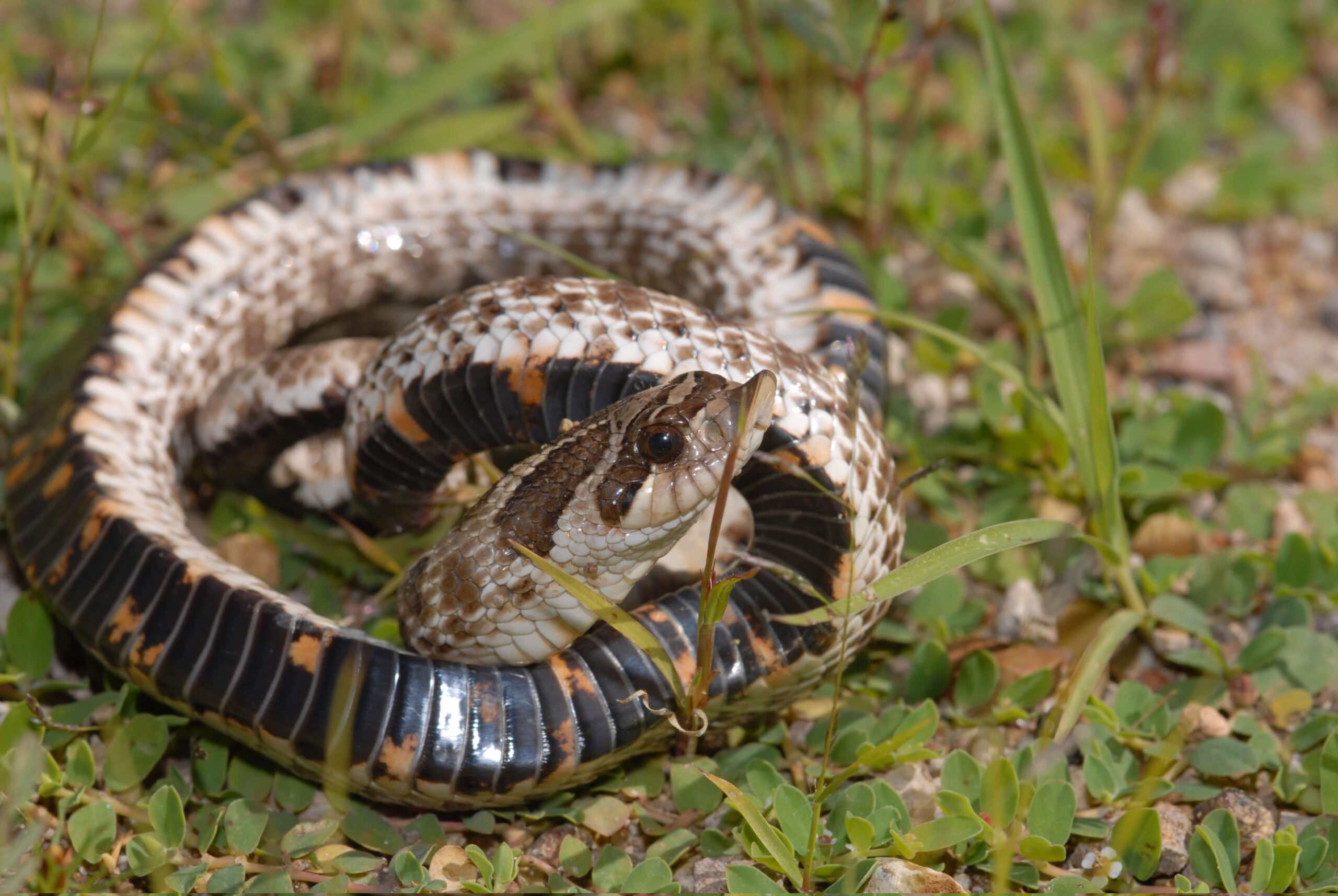
Western Hognose Snake
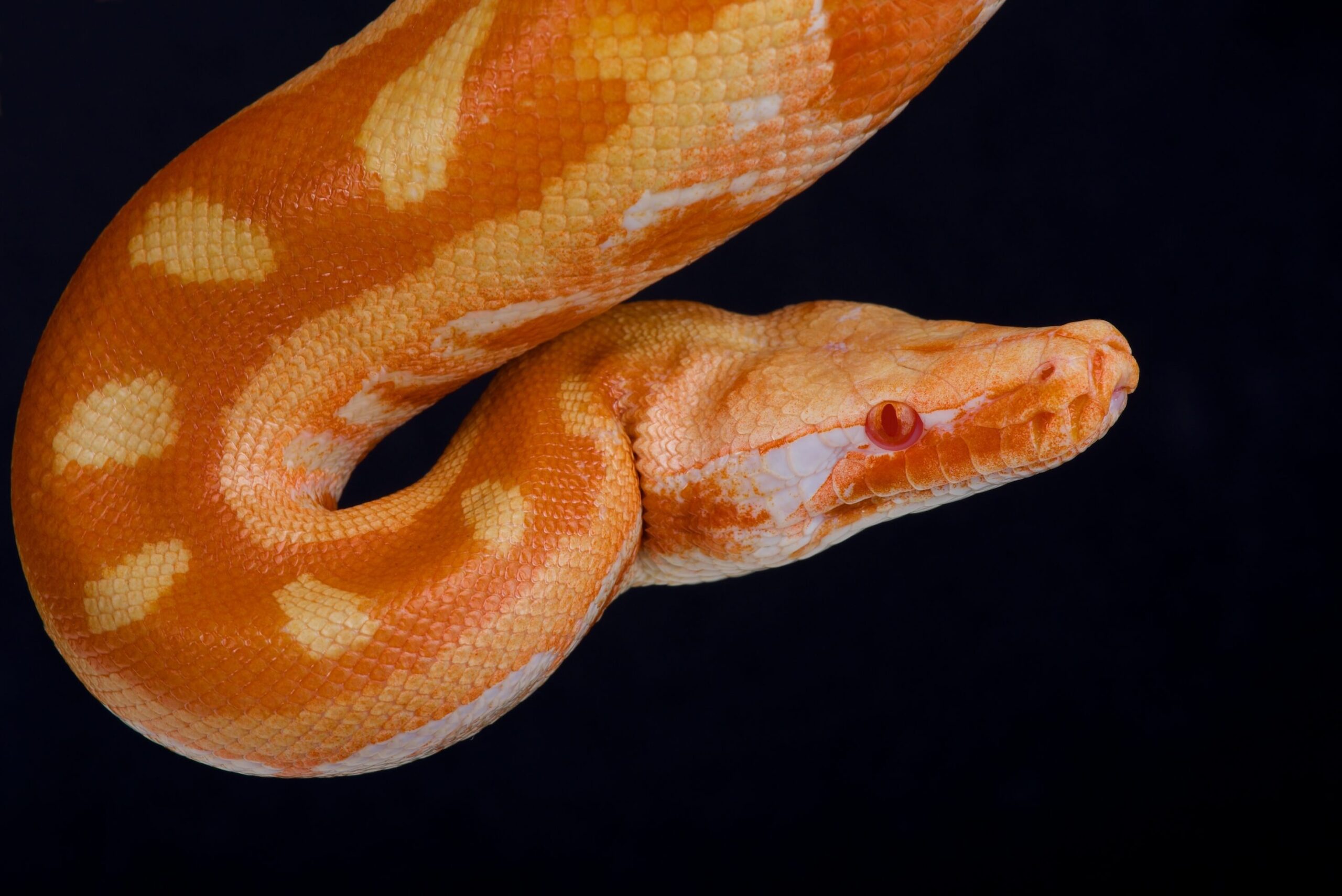
Blood Python
TURTLES:

Sulcata Tortoise
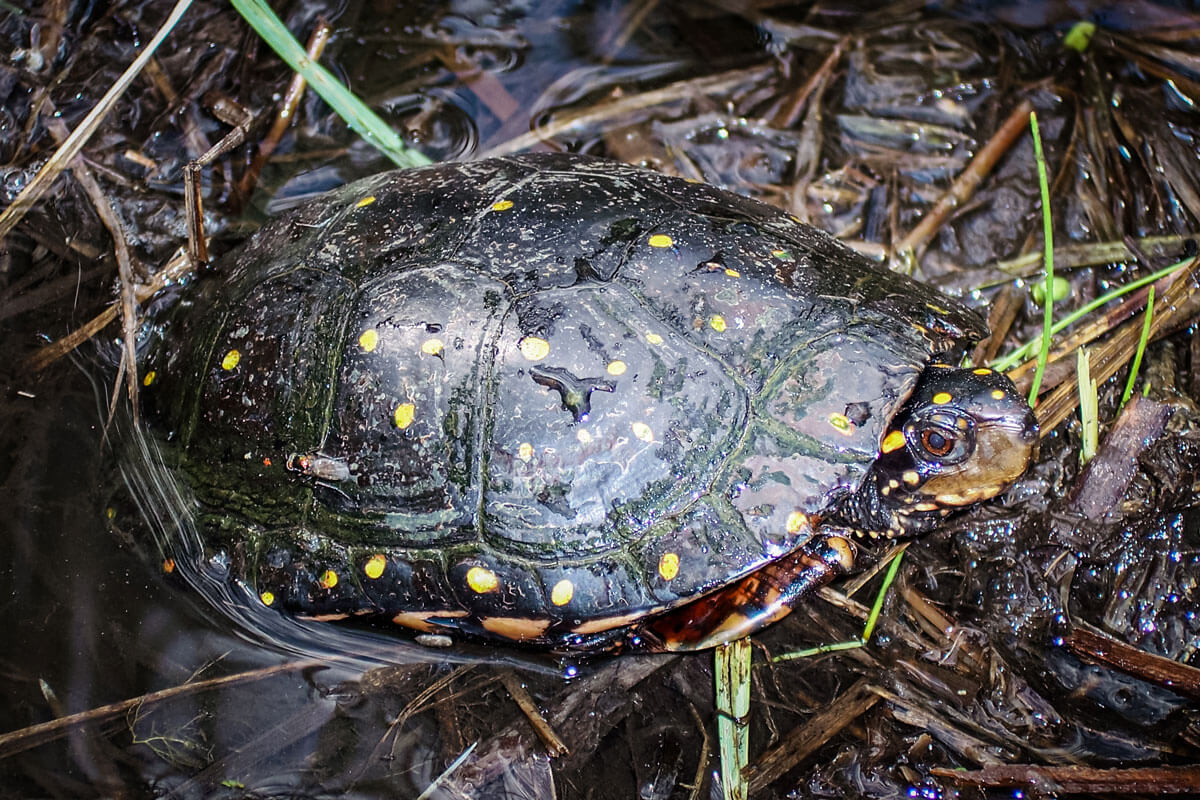
Spotted Turtle

River Cooter
LIZARDS:
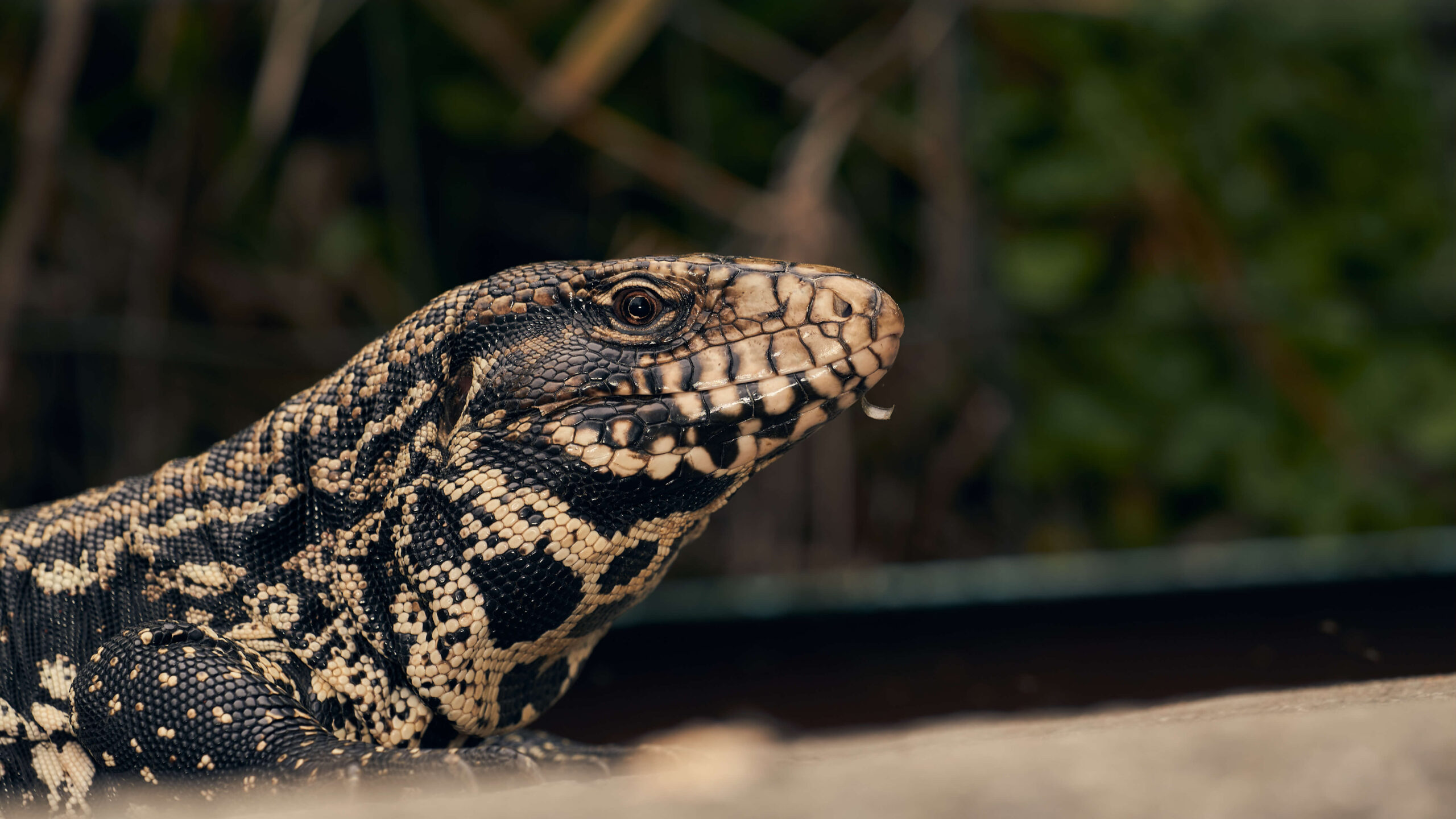
Argentine Tegu

Plated Lizard
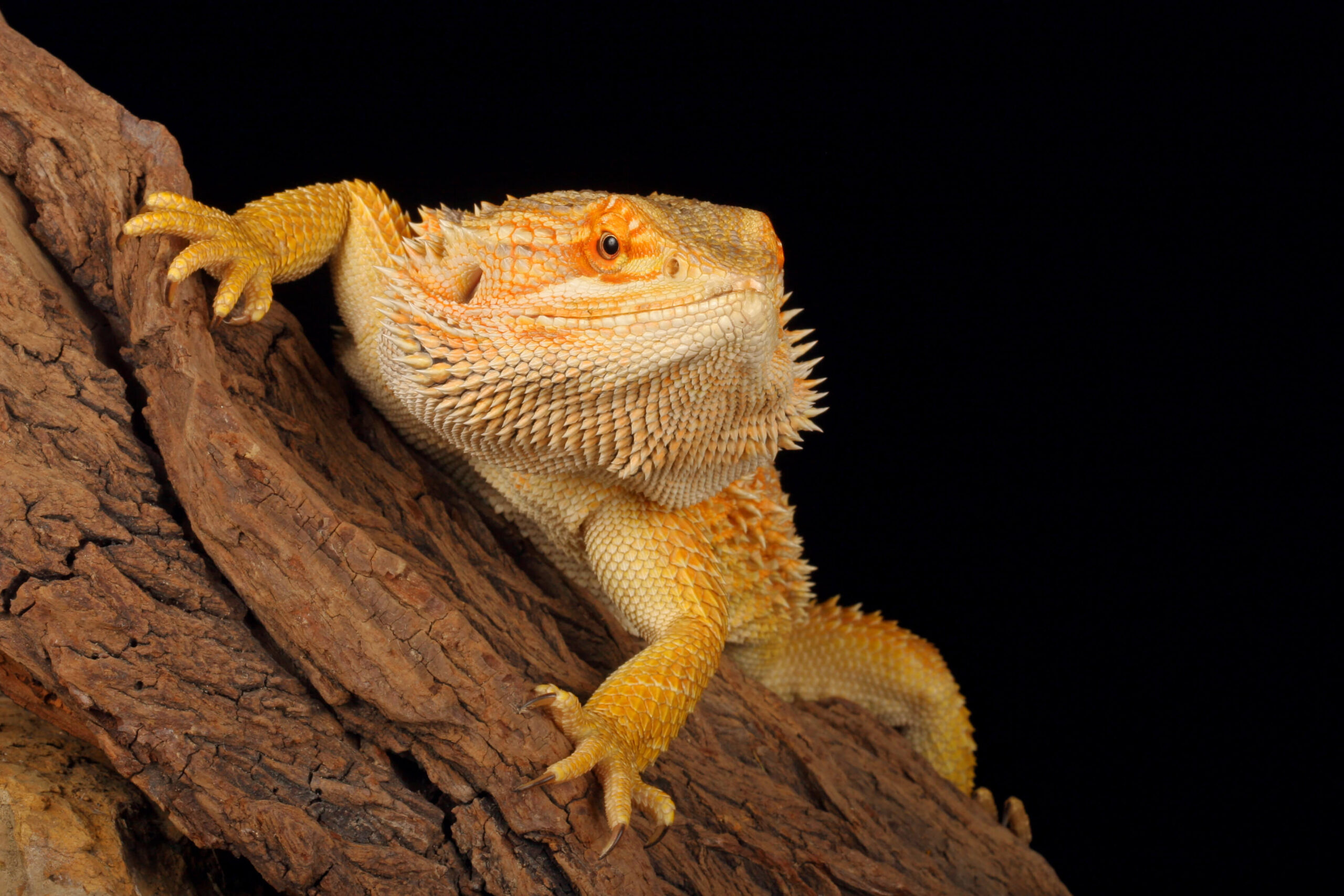
Bearded Dragon
ARTHROPODS:

Desert Millipede
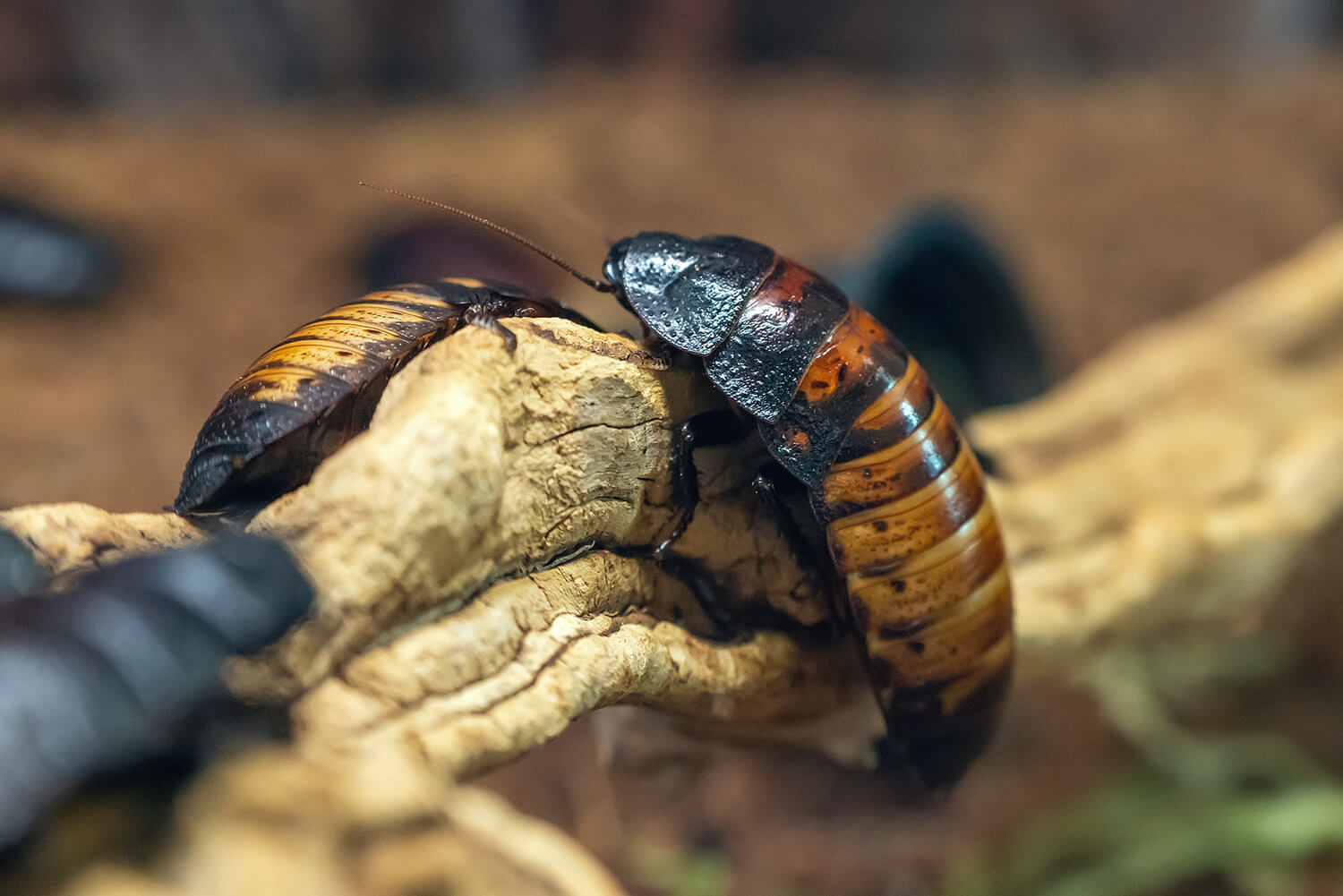
Madagascar Hissing Cockroach