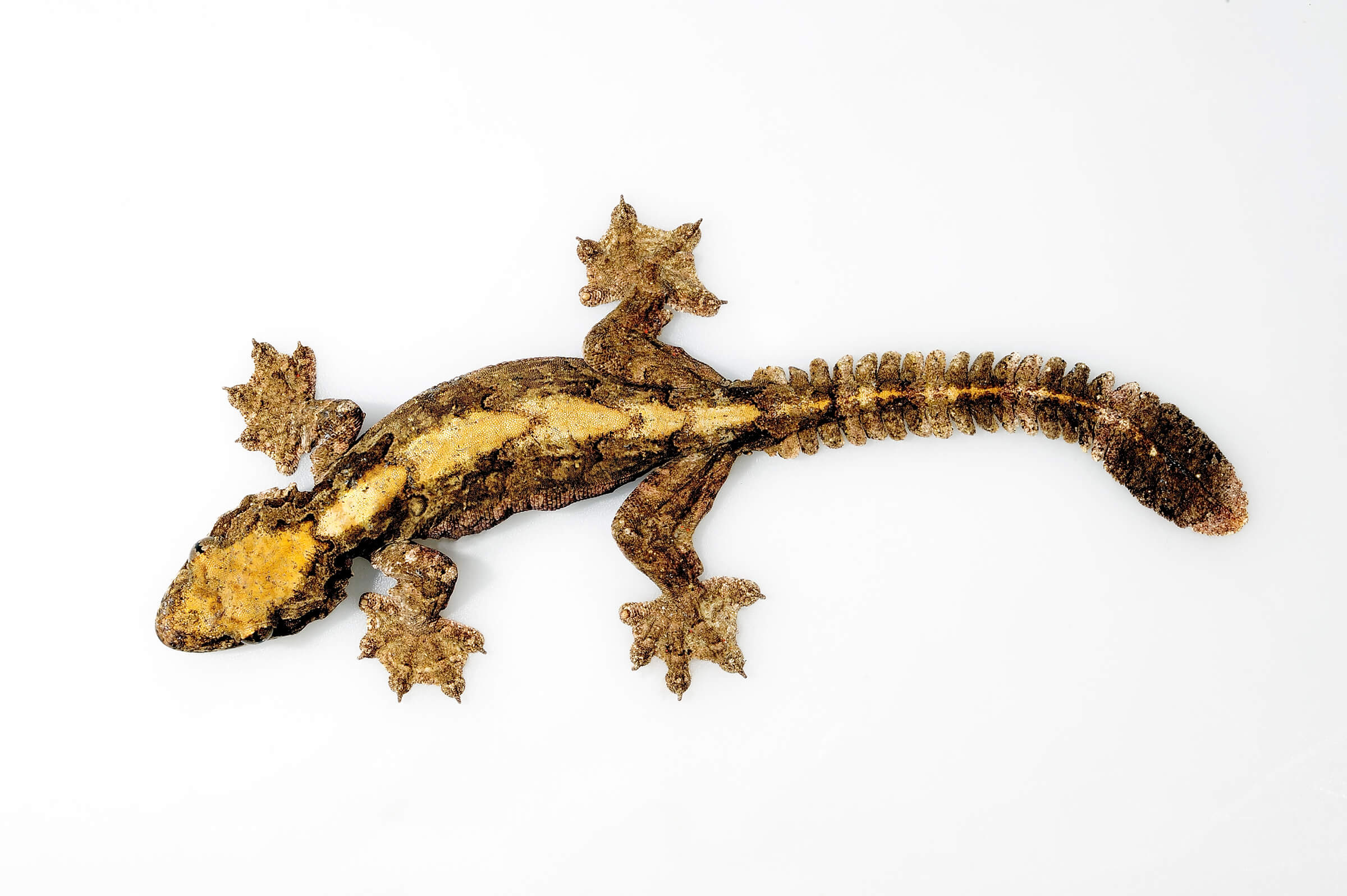
Flying Gecko
(Ptychozoon kuhlii)
“Orville”
Quick Facts:
Common Name: Flying Gecko or Kuhl’s Flying Gecko
Scientific Name: Ptychozoon kuhlii
Native Range: Southeast Asia, including Indonesia, Malaysia, and Thailand
Habitat: Tropical rainforests; tree trunks and canopy vegetation
Diet: Insectivorous—moths, crickets, and small invertebrates
Conservation Status: Least Concern (IUCN)
Meet Our Resident
Burpee’s Flying Gecko is a master of disguise. Flattened against bark, it disappears completely until it moves—then glides gracefully to another perch, spreading its webbed limbs like living parchment. Visitors are often stunned to realize there’s a “hidden” gecko right before their eyes.
Connections to the Museum
The Flying Gecko links Burpee’s living collection to the study of flight evolution. Though not a true flier, it glides between trees using extended skin flaps—a remarkable example of convergent evolution, paralleling the gliding adaptations of ancient reptiles displayed in the fossil galleries.
Natural History & Behavior
These nocturnal geckos are adapted for life high in the canopy. They have broad skin membranes along their limbs, body, and tail that act as aerodynamic surfaces. Their mottled coloration perfectly mimics tree bark, providing both camouflage and thermal regulation.
Evolutionary Connections
Flying Geckos belong to a lineage that evolved gliding independently of flying squirrels, frogs, and even extinct reptiles like Coelurosauravus. These repeated adaptations for air travel illustrate one of nature’s most fascinating evolutionary patterns.
Wild Habitat & Distribution
Native to humid lowland forests of Southeast Asia, often found near rivers where trees grow close together, facilitating gliding.
Conservation & Status
Currently stable, though deforestation threatens localized populations. Burpee’s specimen highlights rainforest preservation and the complexity of evolutionary adaptation to three-dimensional habitats.
SNAKES:

Ball Python
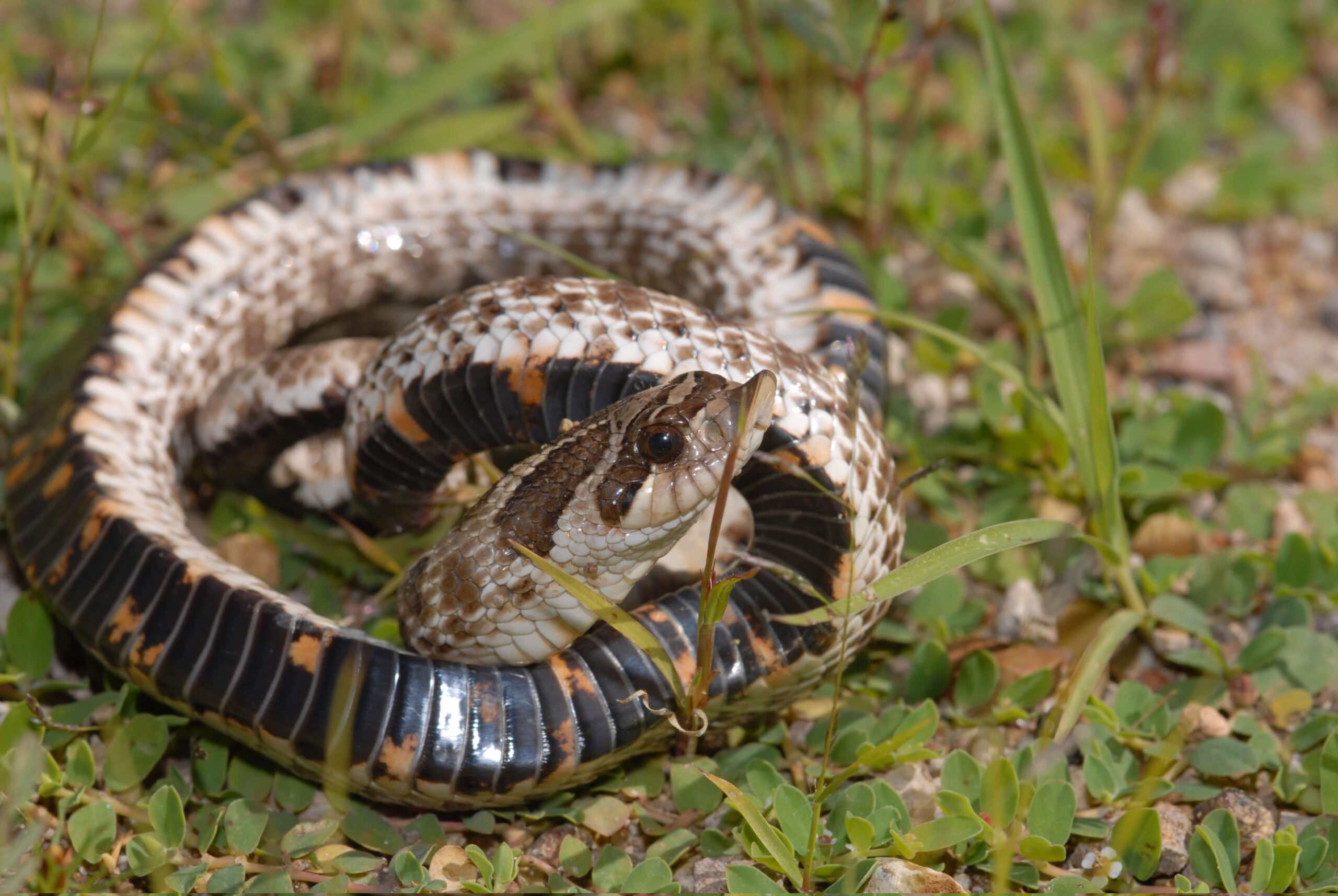
Western Hognose Snake
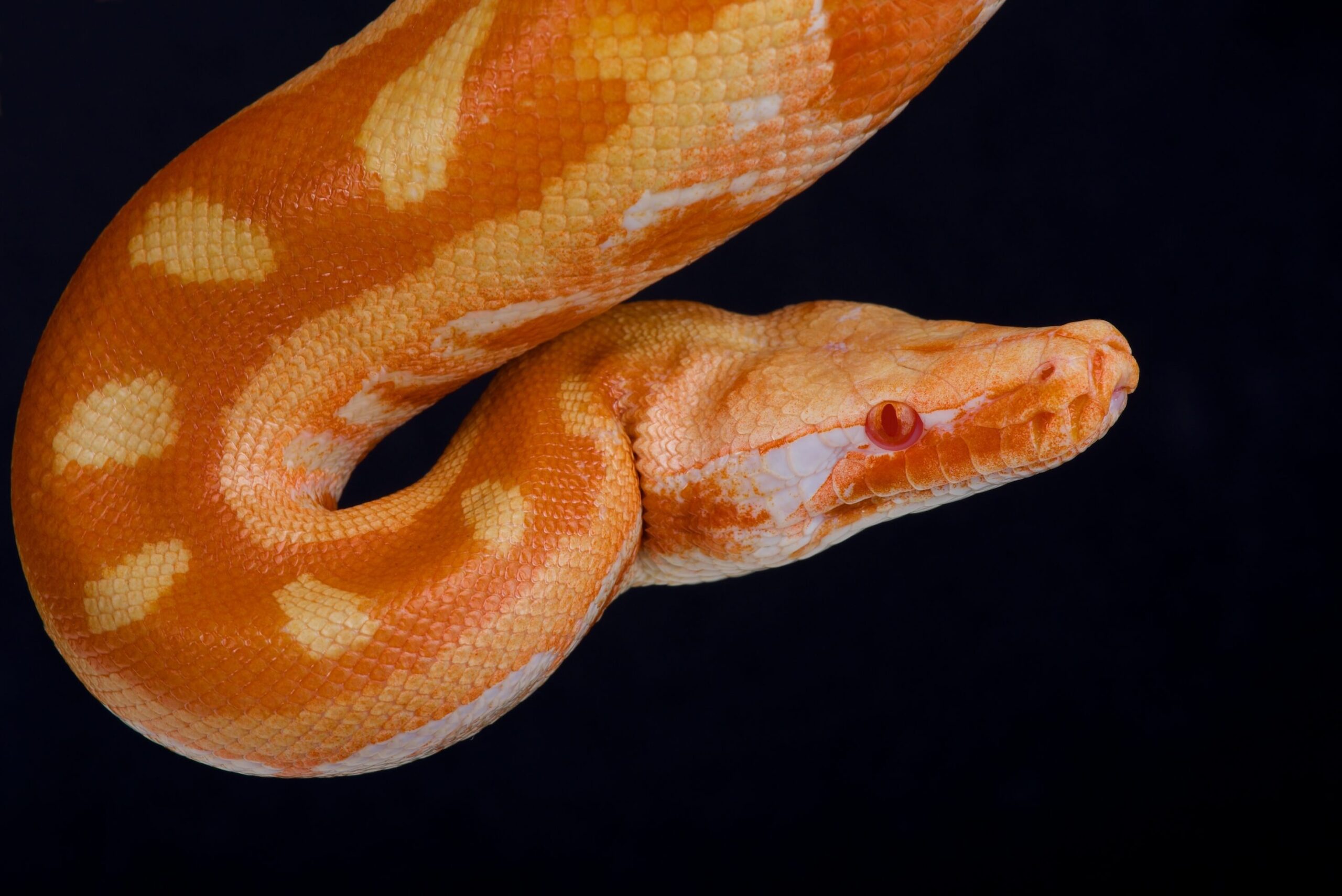
Blood Python
TURTLES:

Sulcata Tortoise
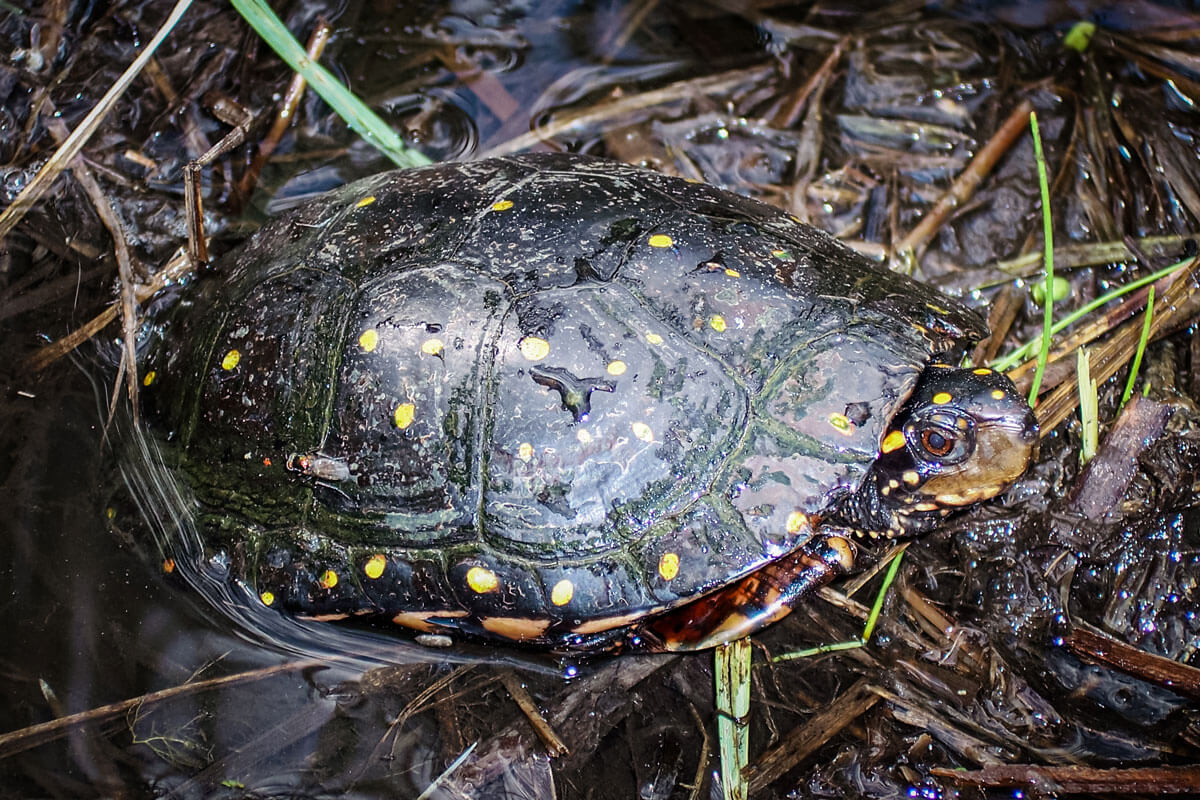
Spotted Turtle

River Cooter
LIZARDS:
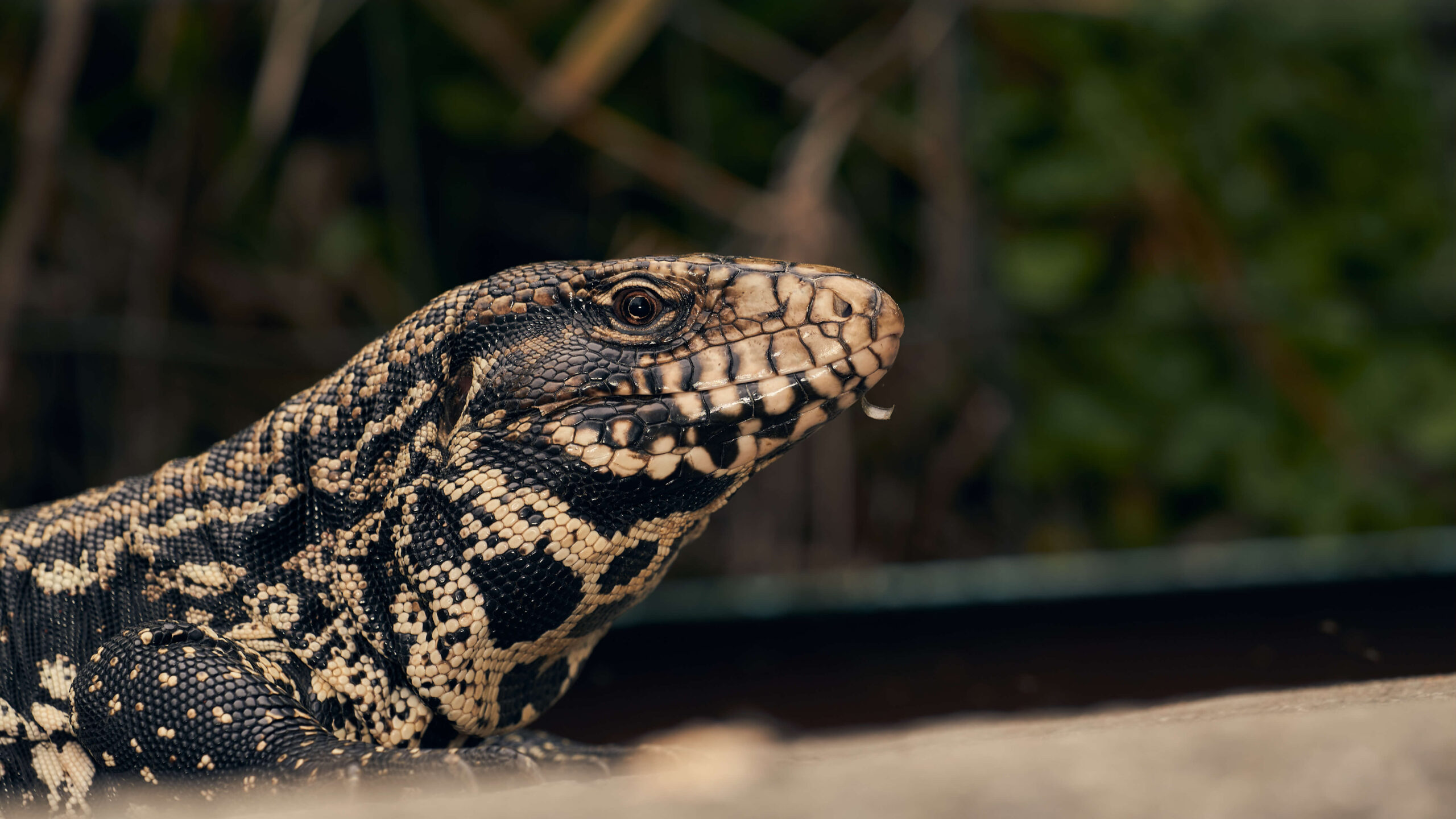
Argentine Tegu

Plated Lizard
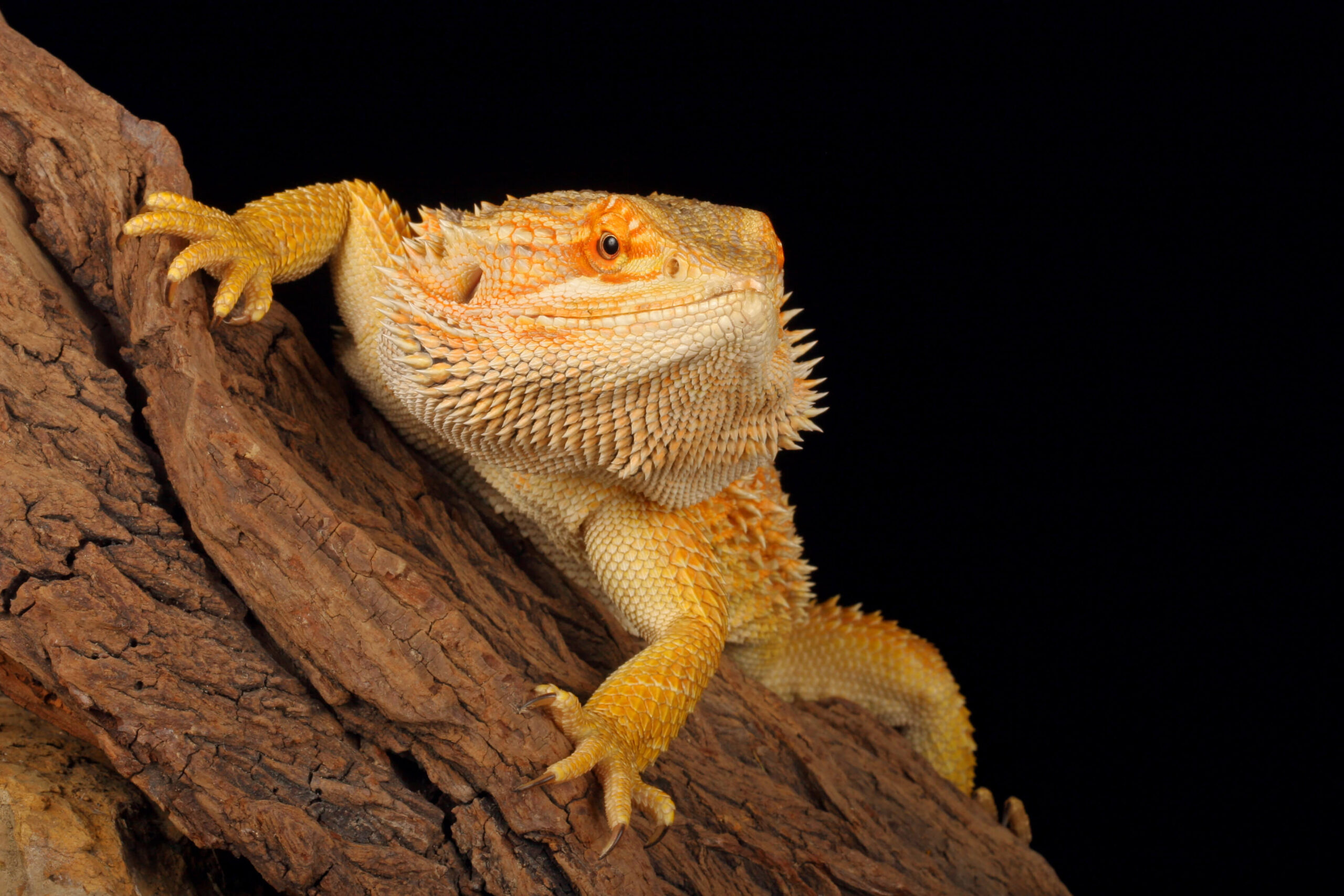
Bearded Dragon
ARTHROPODS:

Desert Millipede
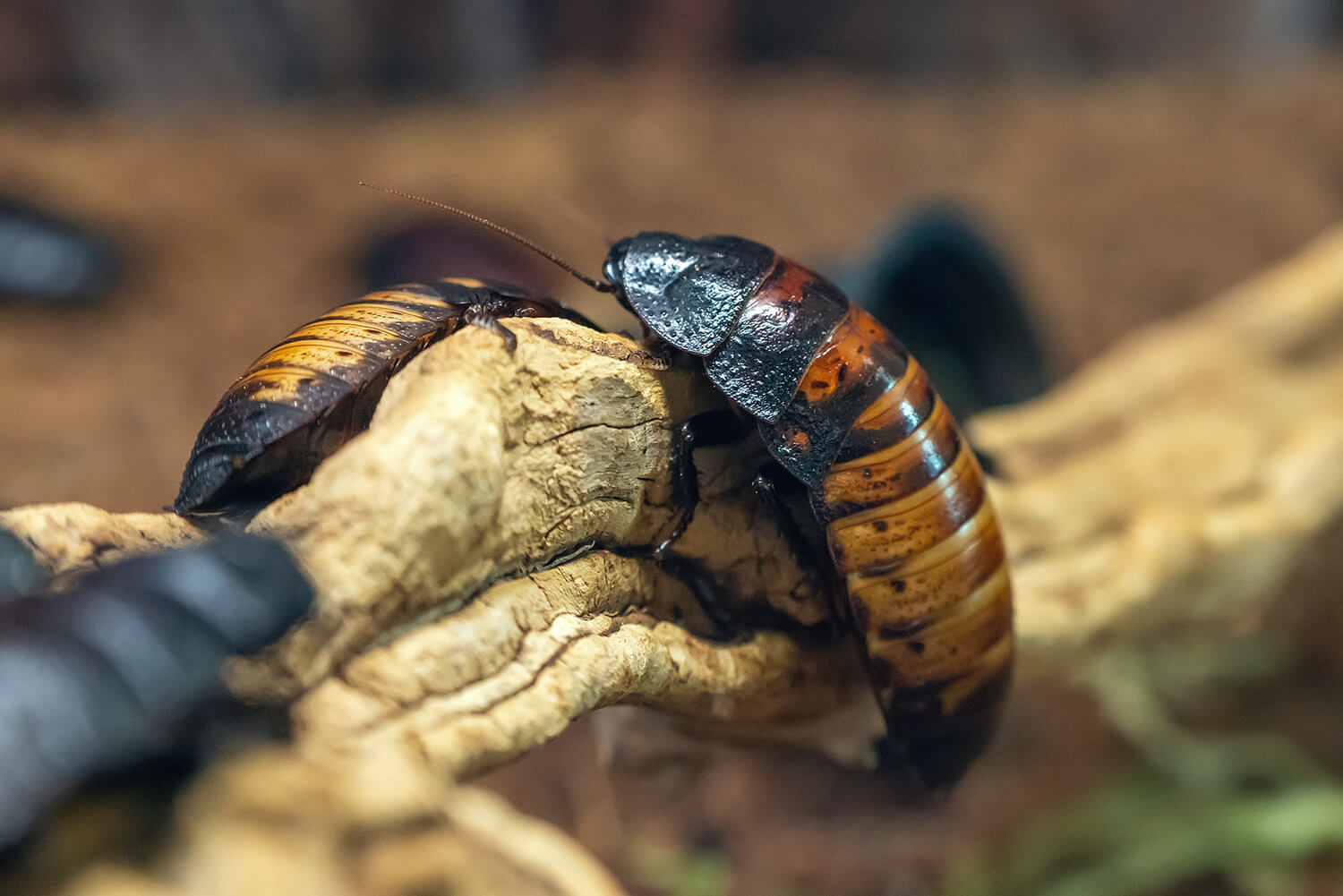
Madagascar Hissing Cockroach