
Diamondback Sturgeon
(Acipenser gueldenstaedtii)
Quick Facts:
Common Name: Diamondback Sturgeon (also known as Russian or Black Sea Sturgeon)
Scientific Name: Acipenser gueldenstaedtii
Native Range: Black Sea, Caspian Sea, and Sea of Azov river basins in Eastern Europe and western Asia
Habitat: Large rivers and estuaries leading to brackish or freshwater systems
Diet: Benthic invertebrates—crustaceans, worms, and mollusks
Conservation Status: Endangered (IUCN); severely depleted in the wild due to overfishing and habitat loss
Meet Our Resident
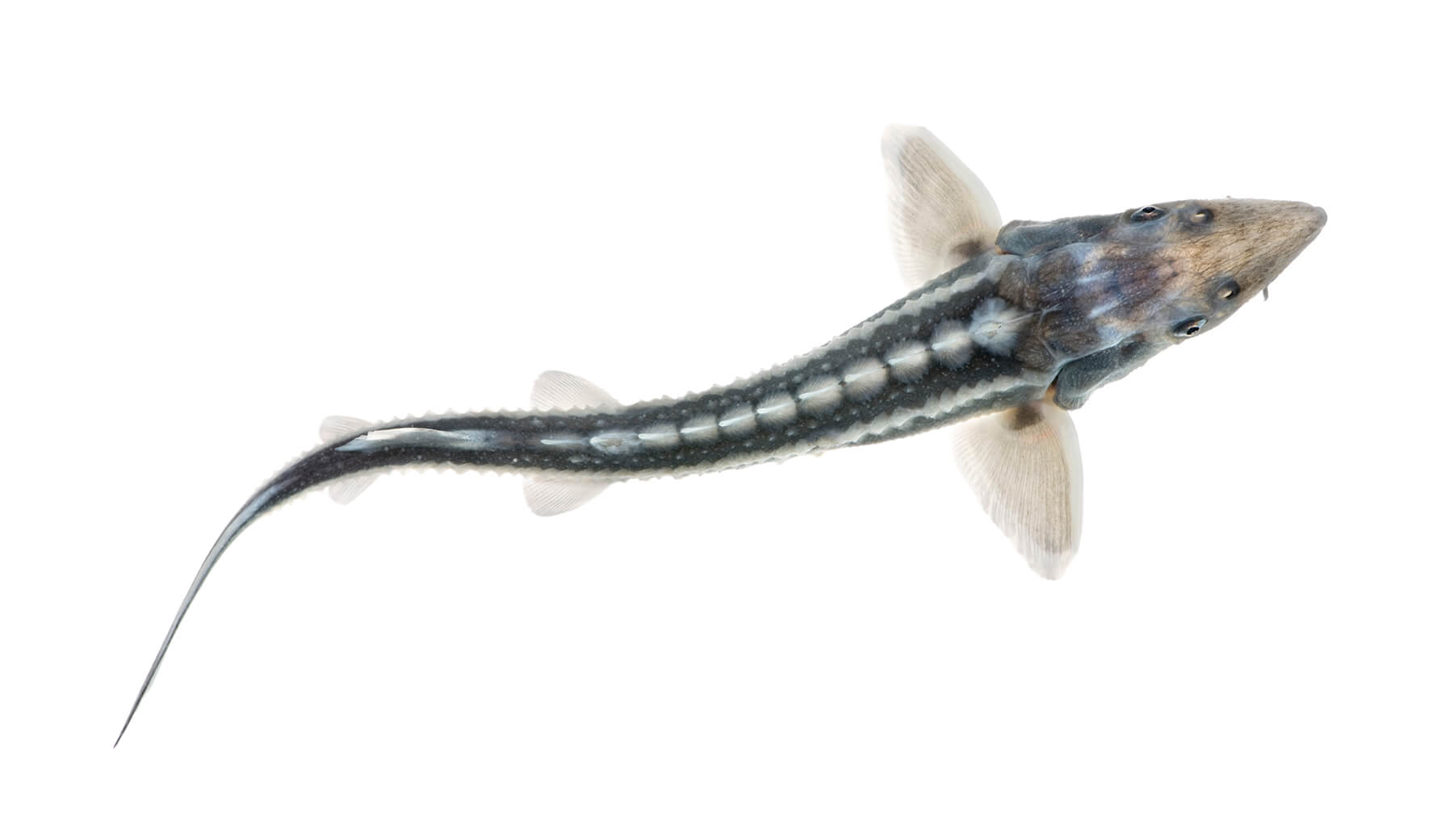
Burpee’s Diamondback Sturgeon is a living link to deep evolutionary time. With a long, armored body and bony scutes tracing its back, this ancient fish commands attention in the Ancient Waterways exhibit. Graceful and inquisitive, it represents both the endurance and fragility of Earth’s oldest vertebrate lineages. Visitors often remark on its prehistoric look—a living fossil gliding just beneath the surface.
Connections to the Museum
Though non-native to Illinois, this species illustrates the global story of sturgeon evolution that parallels our region’s own aquatic history. Its lineage dates back more than 150 million years, bridging Burpee’s fossil fish collection—from Cretaceous species like Dunkleosteus to modern conservation of ancient river giants worldwide.
Natural History & Behavior
Diamondback Sturgeons are anadromous, migrating from the sea to freshwater rivers to spawn. They feed by vacuuming small invertebrates from riverbeds, guided by sensitive barbels. Slow-growing and long-lived, some individuals exceed 100 years in age.
Evolutionary Connections
Sturgeons like this one are members of one of Earth’s oldest surviving vertebrate families, Acipenseridae. Their cartilaginous skeletons and bony armor plates closely resemble ancient fossil fish that dominated the Devonian seas. Burpee’s sturgeon physically embodies evolutionary endurance—unchanged since the age of the dinosaurs.
Wild Habitat & Distribution
Native to the major river systems feeding the Caspian and Black Seas, including the Volga, Danube, and Ural Rivers.
Conservation & Status
Acipenser gueldenstaedtii is Endangered due to overharvesting for caviar and habitat fragmentation from damming. Global conservation efforts now focus on captive breeding and reintroduction. Burpee’s sturgeon was captive-bred and legally acquired, serving as a public ambassador for endangered aquatic species and the importance of river conservation worldwide.
SNAKES:

Ball Python
(Python regius)
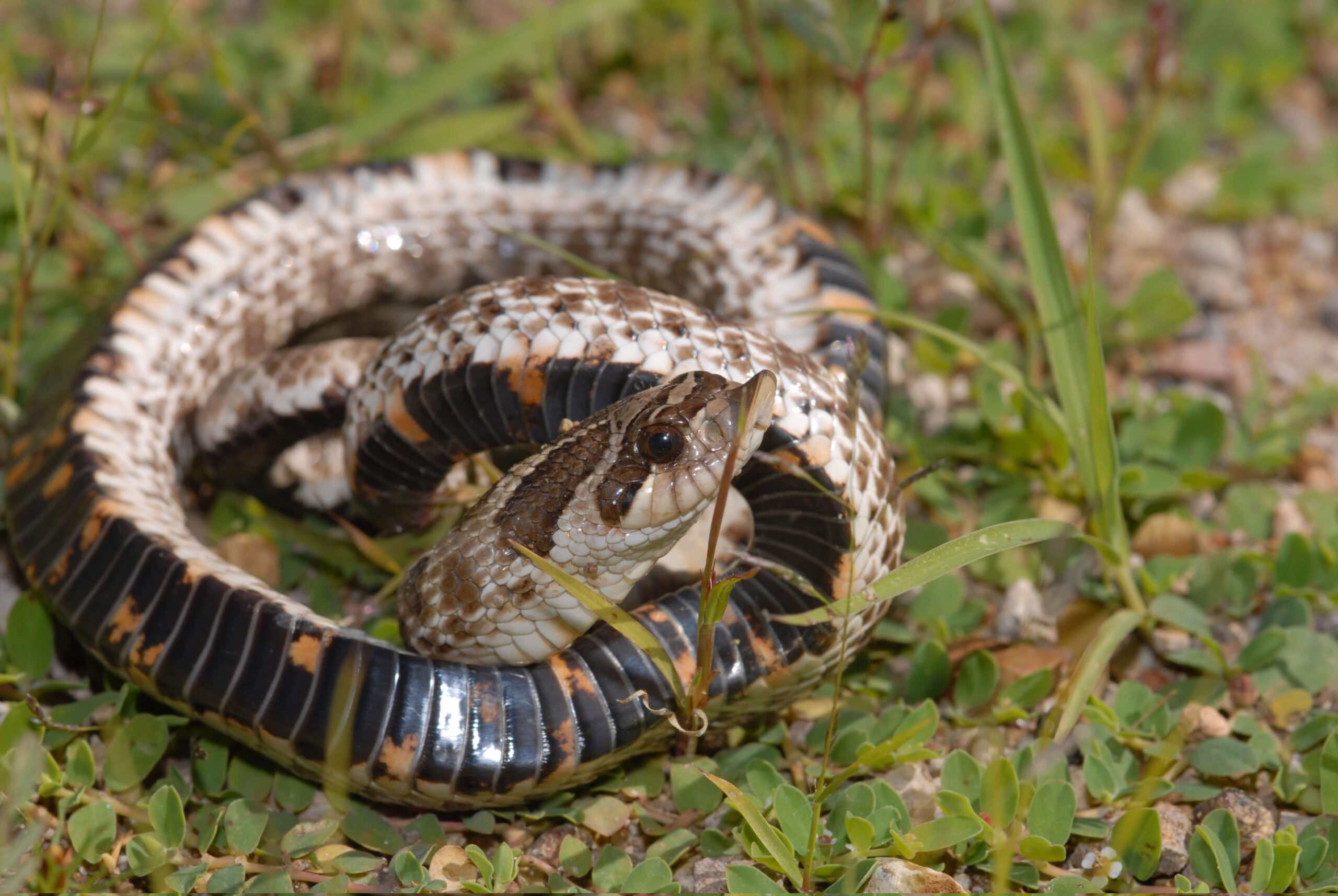
Western Hognose Snake
(Heterodon nasicus)
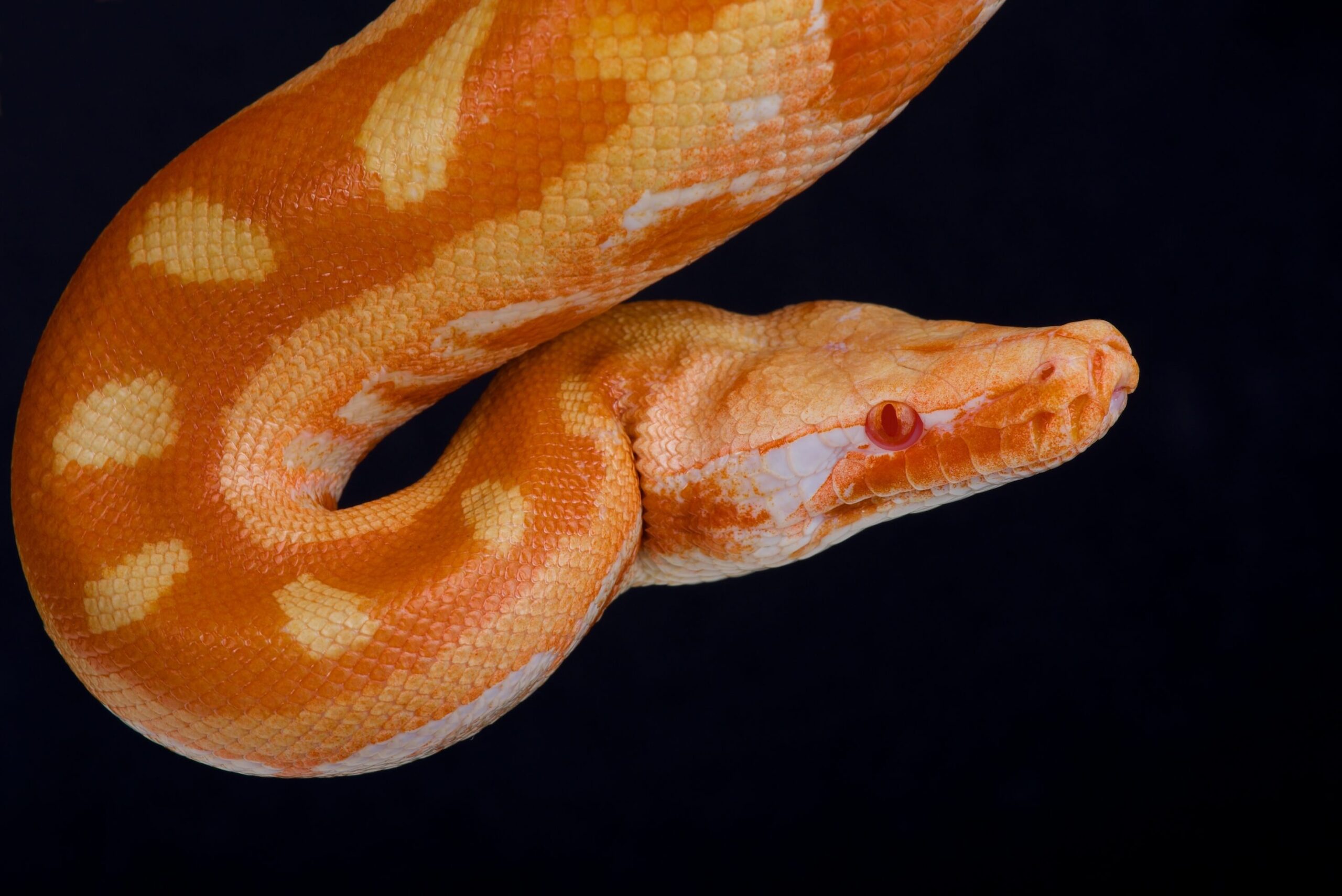
Blood Python
(Python brongersmai)
TURTLES:

Sulcata Tortoise
(Centrochelys sulcata)
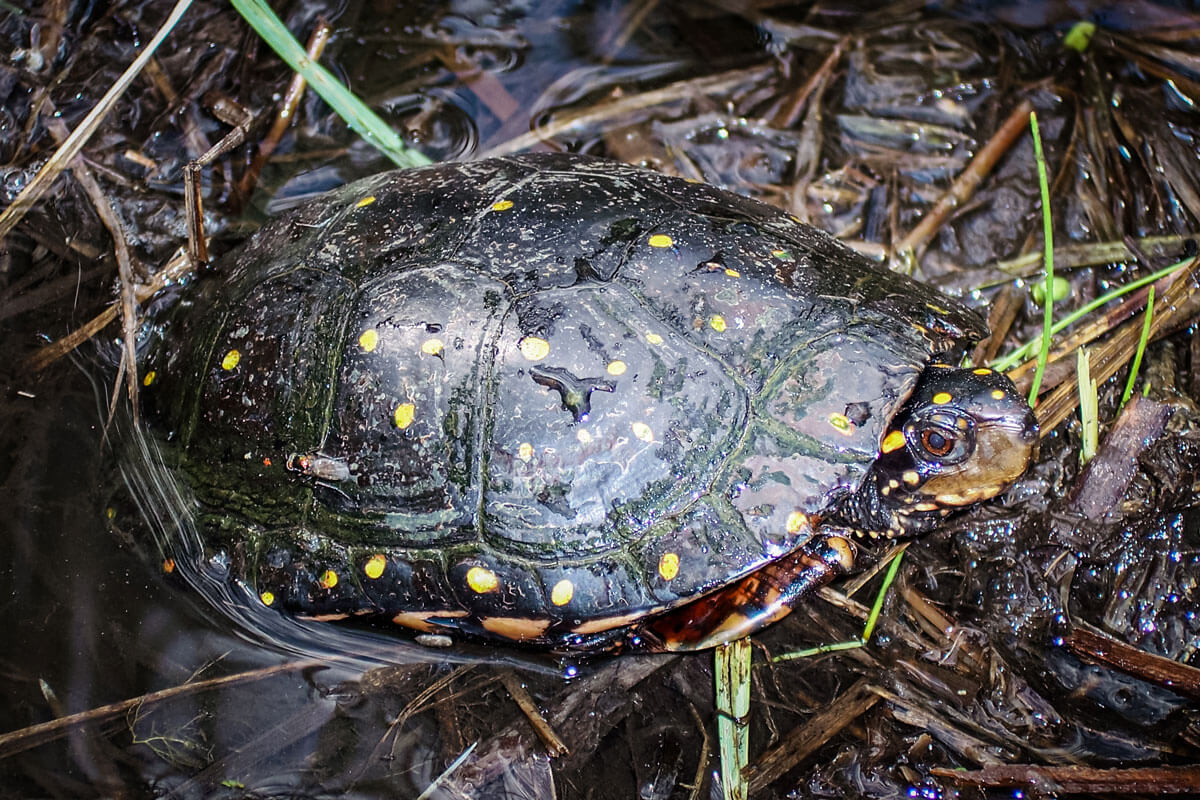
Spotted Turtle
(Clemmys guttata)

River Cooter
(Pseudemys concinna)
LIZARDS:
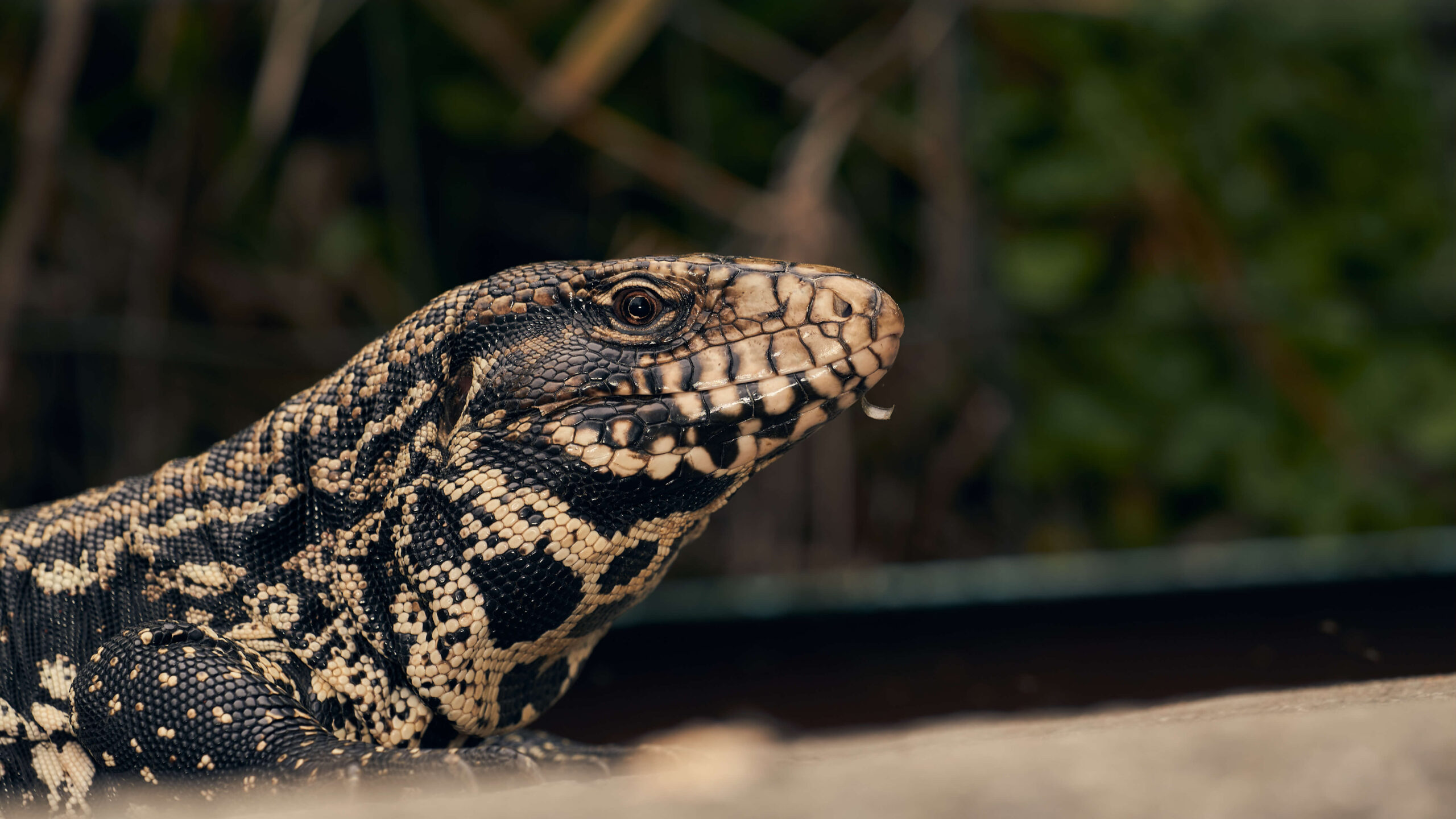
Argentine Tegu
(Salvator merianae)

Plated Lizard
(Gerrhosaurus major)
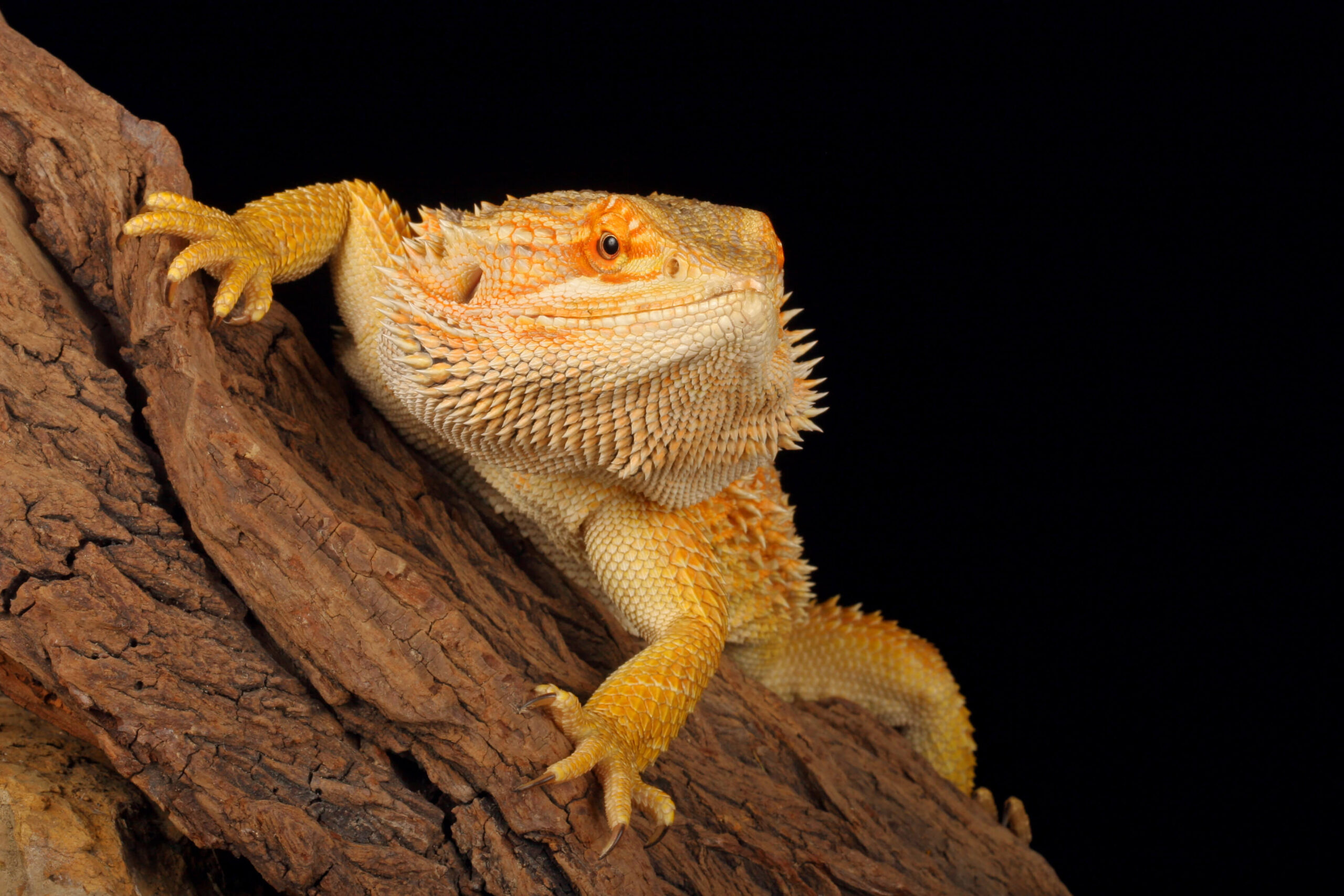
Bearded Dragon
(Pogona vitticeps)
ARTHROPODS:

Desert Millipede
(Orthoporus ornatus)
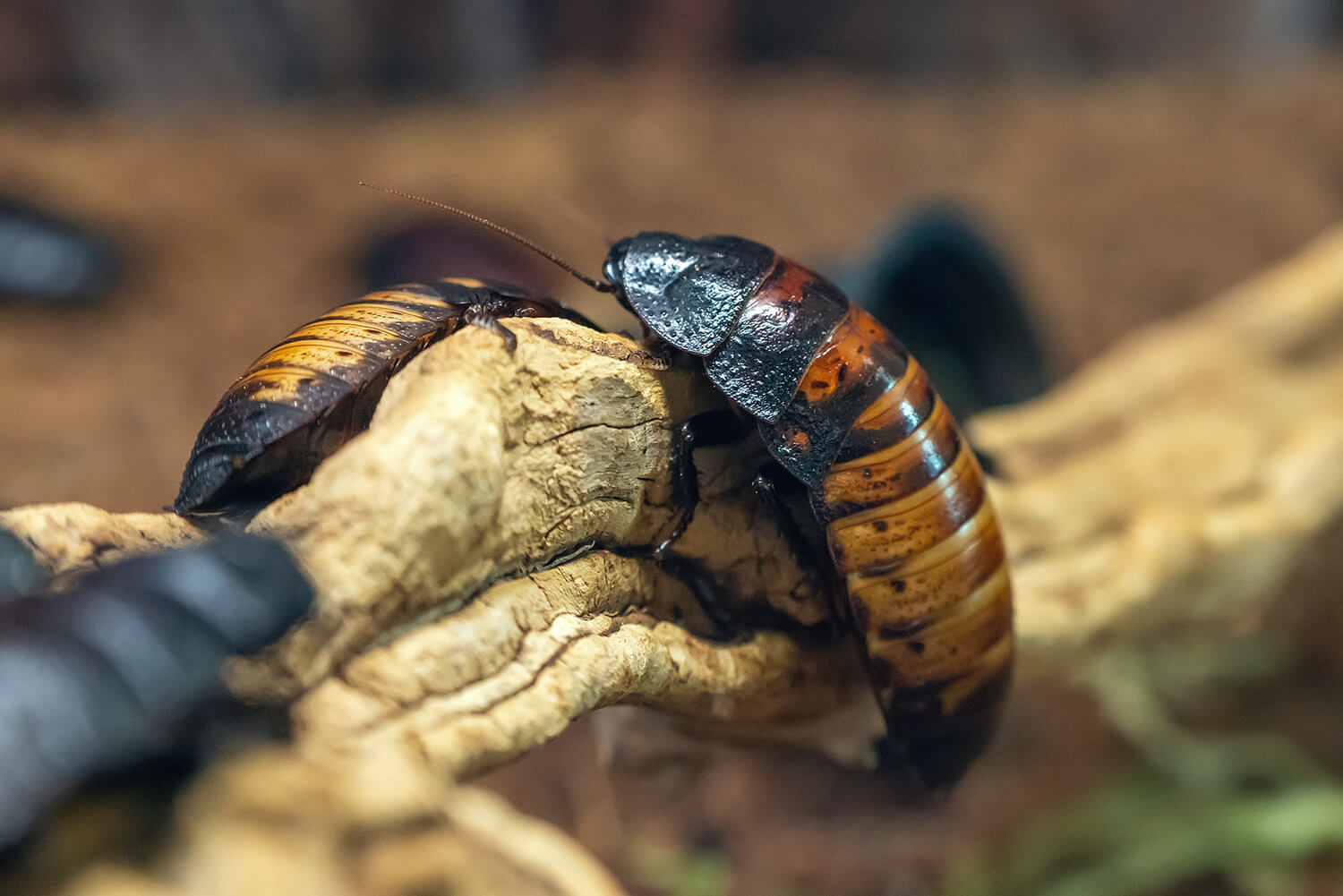
Madagascar Hissing Cockroach
(Gromphadorhina portentosa)
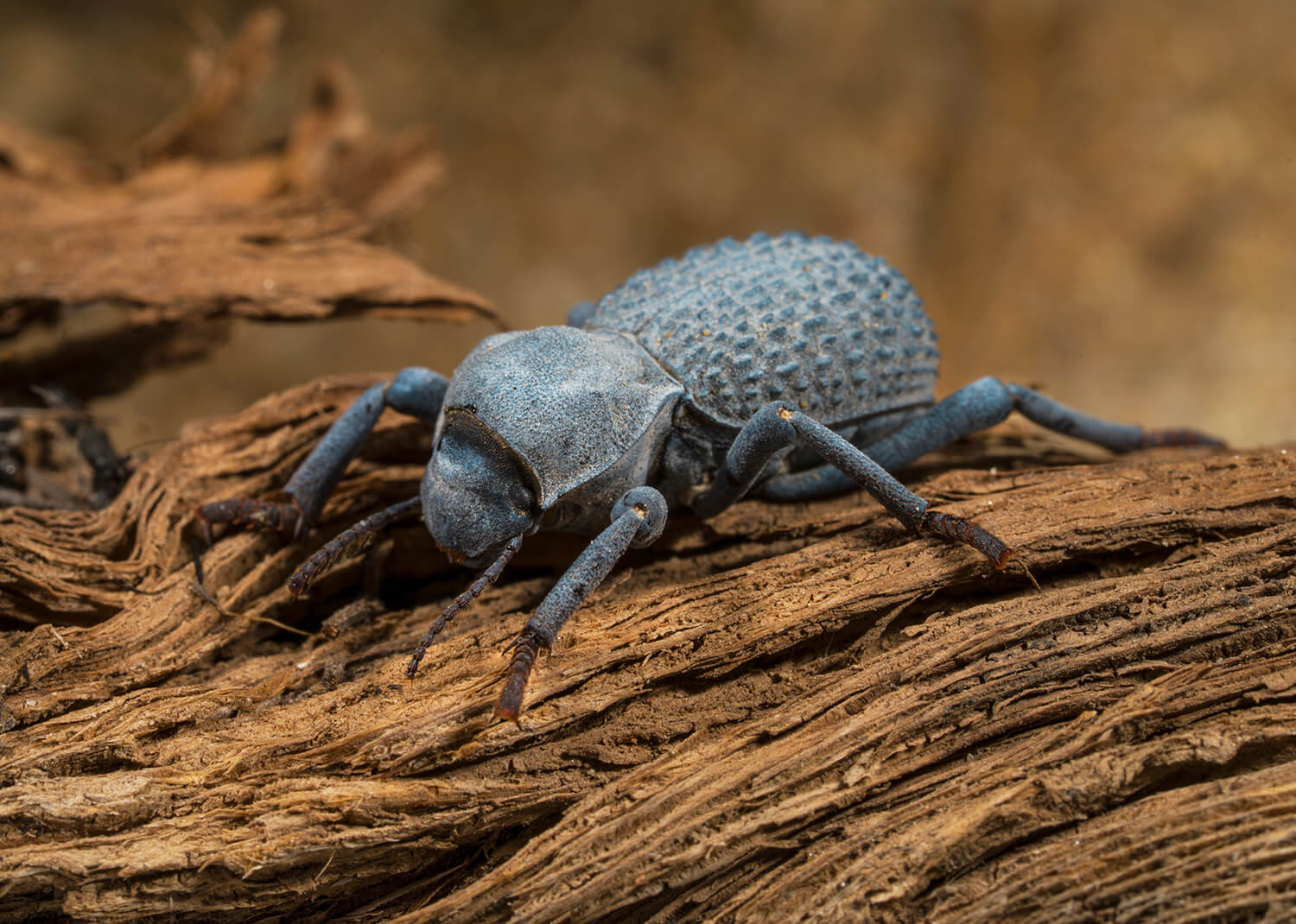
Blue Death Feigning Beetle
(Asbolus verrucosus)