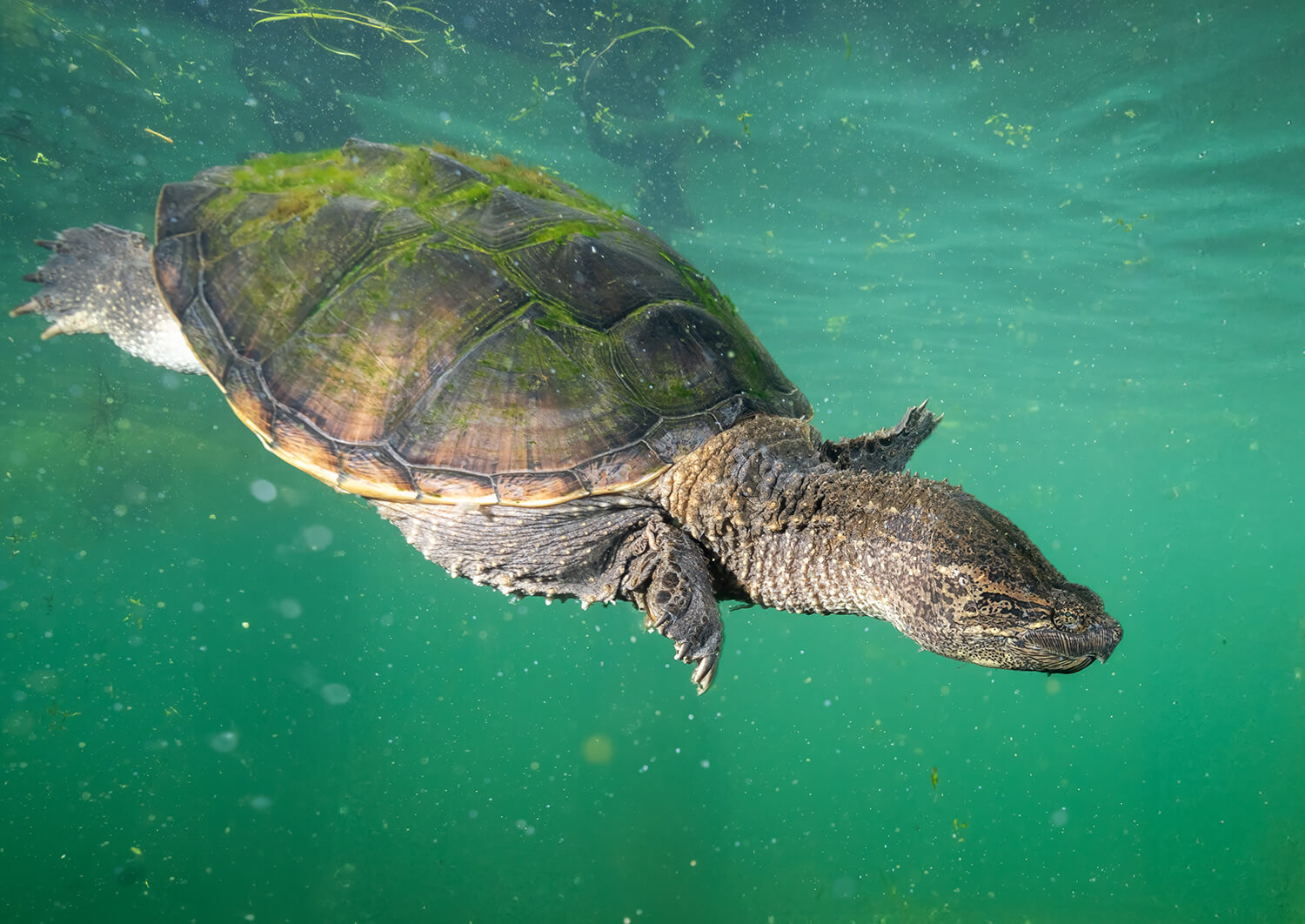
Common Snapping Turtle
(Chelydra serpentina)
“Ruffles” & “Bowser”
Quick Facts:
Common Name: Common Snapping Turtle
Scientific Name: Chelydra serpentina
Native Range: North America
Habitat: Ponds, lakes, rivers, and wetlands
Diet: Omnivorous—fish, amphibians, carrion, and aquatic plants
Conservation Status: Stable throughout range
Meet Our Resident
Massive and prehistoric-looking, Burpee’s Common Snapper commands attention. Despite their reputation, these turtles are cautious underwater scavengers essential to ecosystem balance.
Connections to the Museum
The Common Snapper connects modern ecosystems to ancient reptilian lineages. Its strong jaws and flexible neck recall fossil turtles that coexisted with Ice Age mammals featured in Burpee’s paleontology galleries.
Natural History & Behavior
Snapping Turtles are largely aquatic and rarely leave the water except to lay eggs. They are apex scavengers, cleaning waterways by consuming dead fish and organic matter.
Evolutionary Connections
Chelydra fossils date back to the Miocene, and their basic design has remained unchanged for millions of years—a true living fossil narrative.
Wild Habitat & Distribution
Widespread across North America, thriving in nearly any permanent freshwater habitat.
Conservation & Status
Stable but vulnerable to habitat contamination and road mortality. Burpee uses this species to discuss ecological roles and freshwater ecosystem health.
SNAKES:

Ball Python
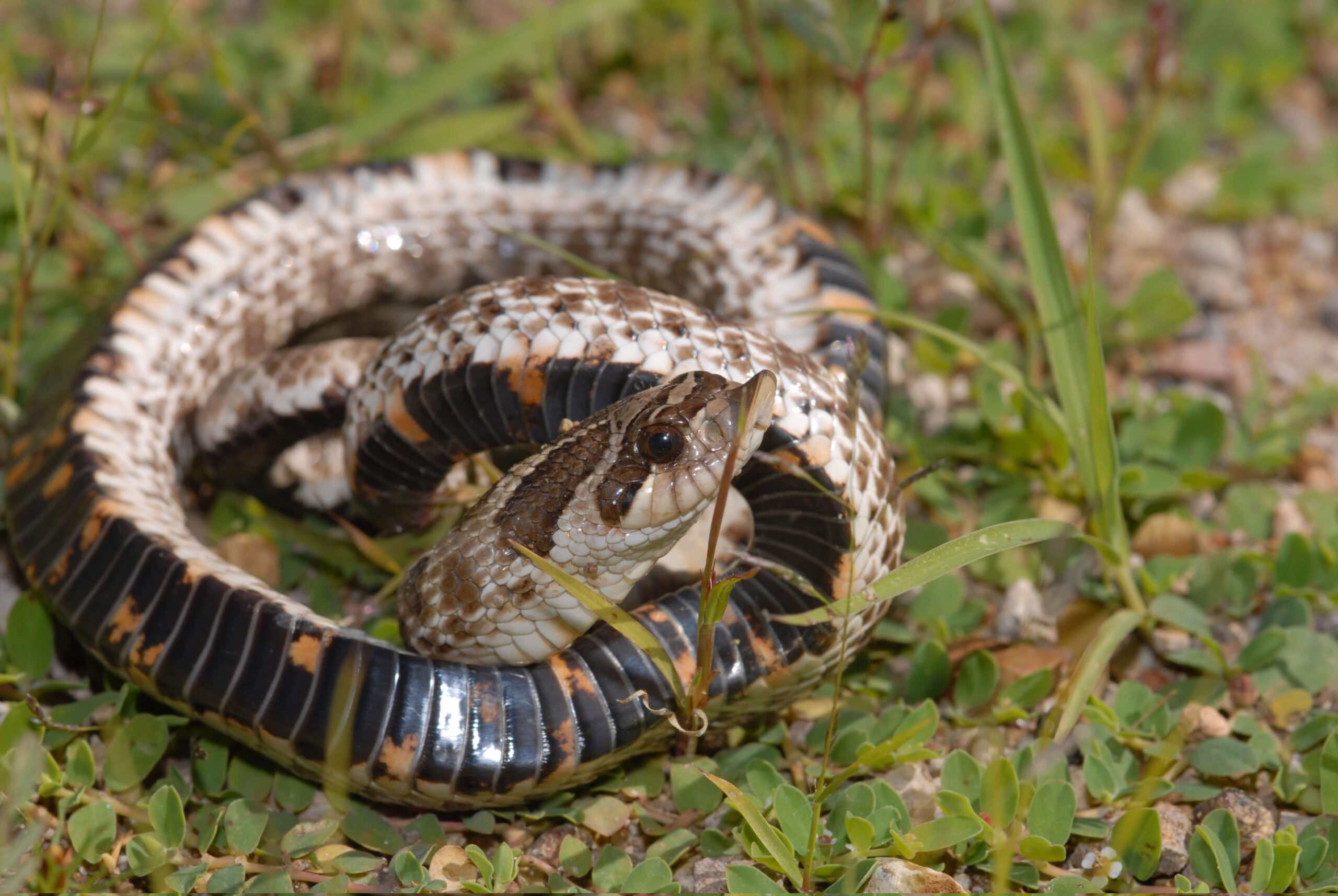
Western Hognose Snake
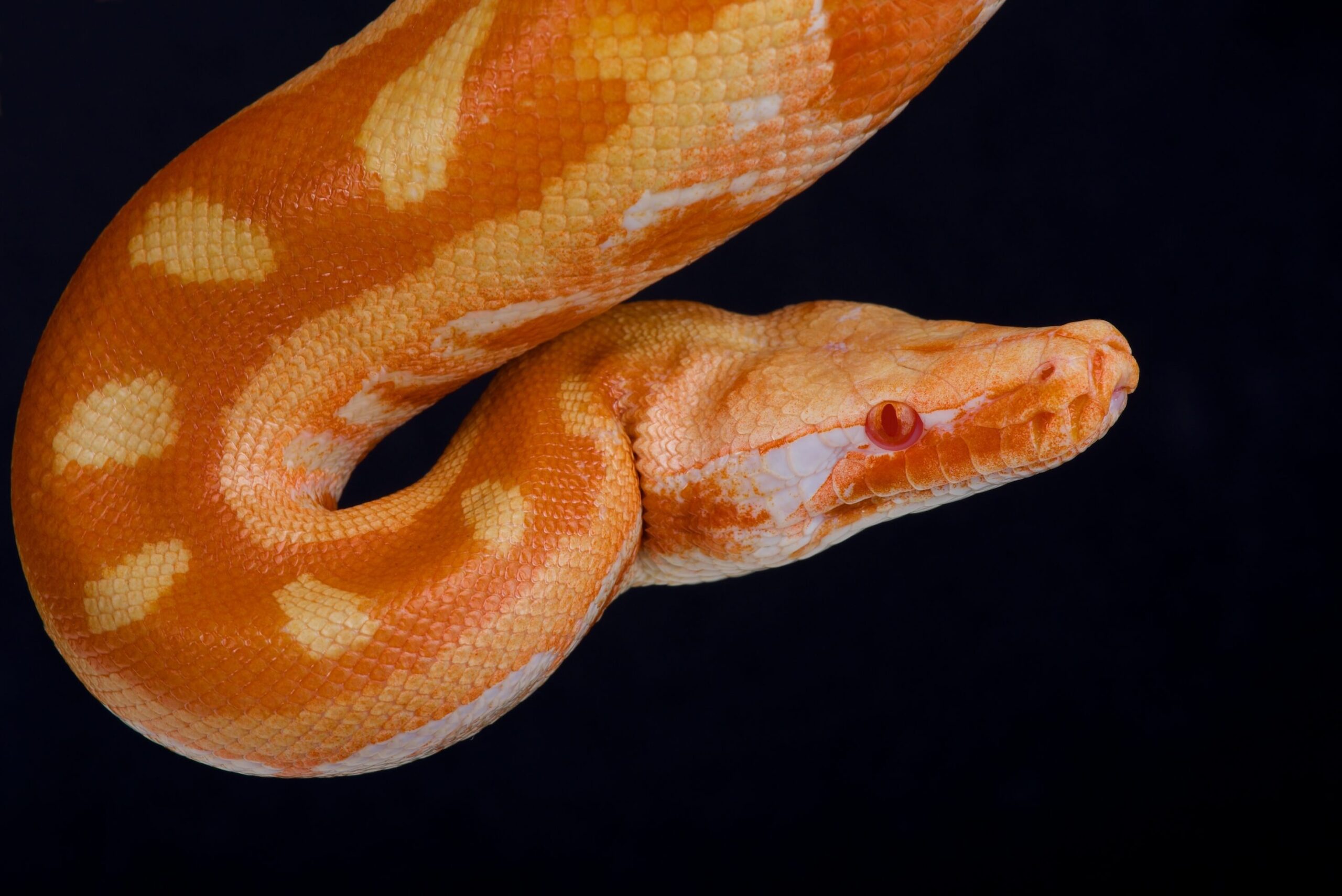
Blood Python
TURTLES:

Sulcata Tortoise
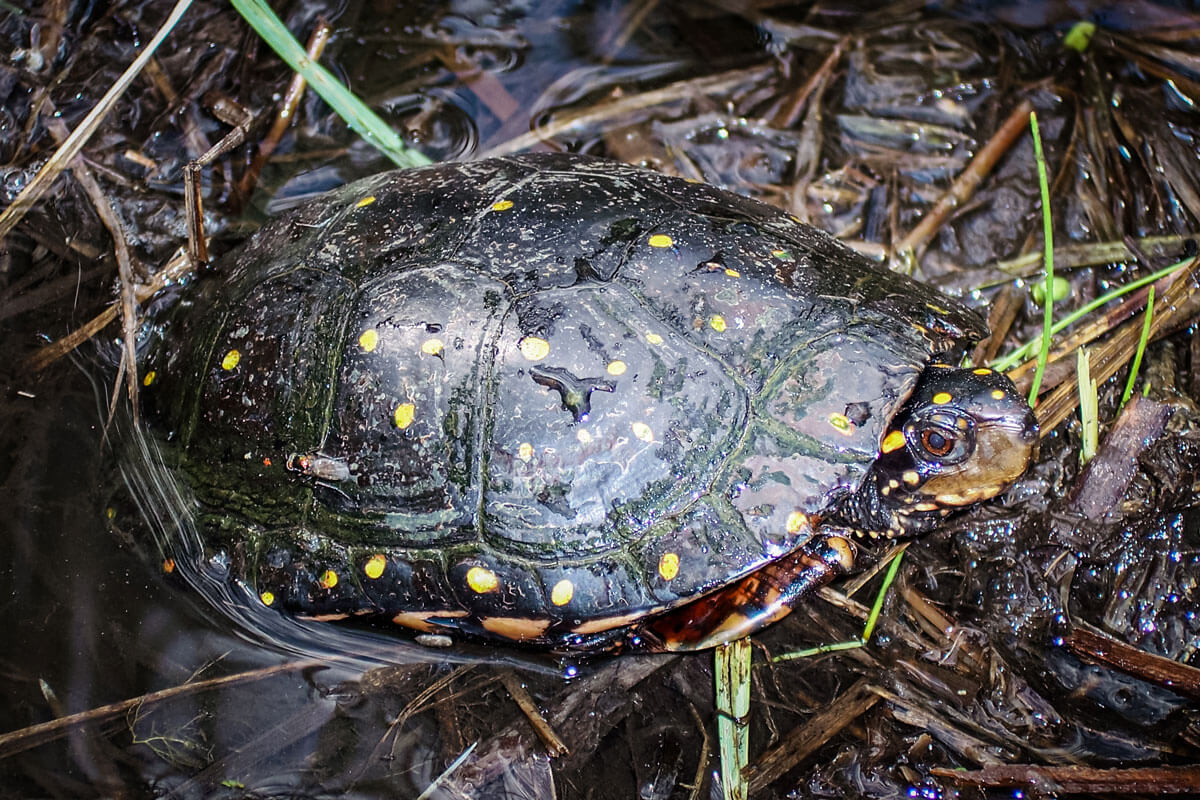
Spotted Turtle

River Cooter
LIZARDS:
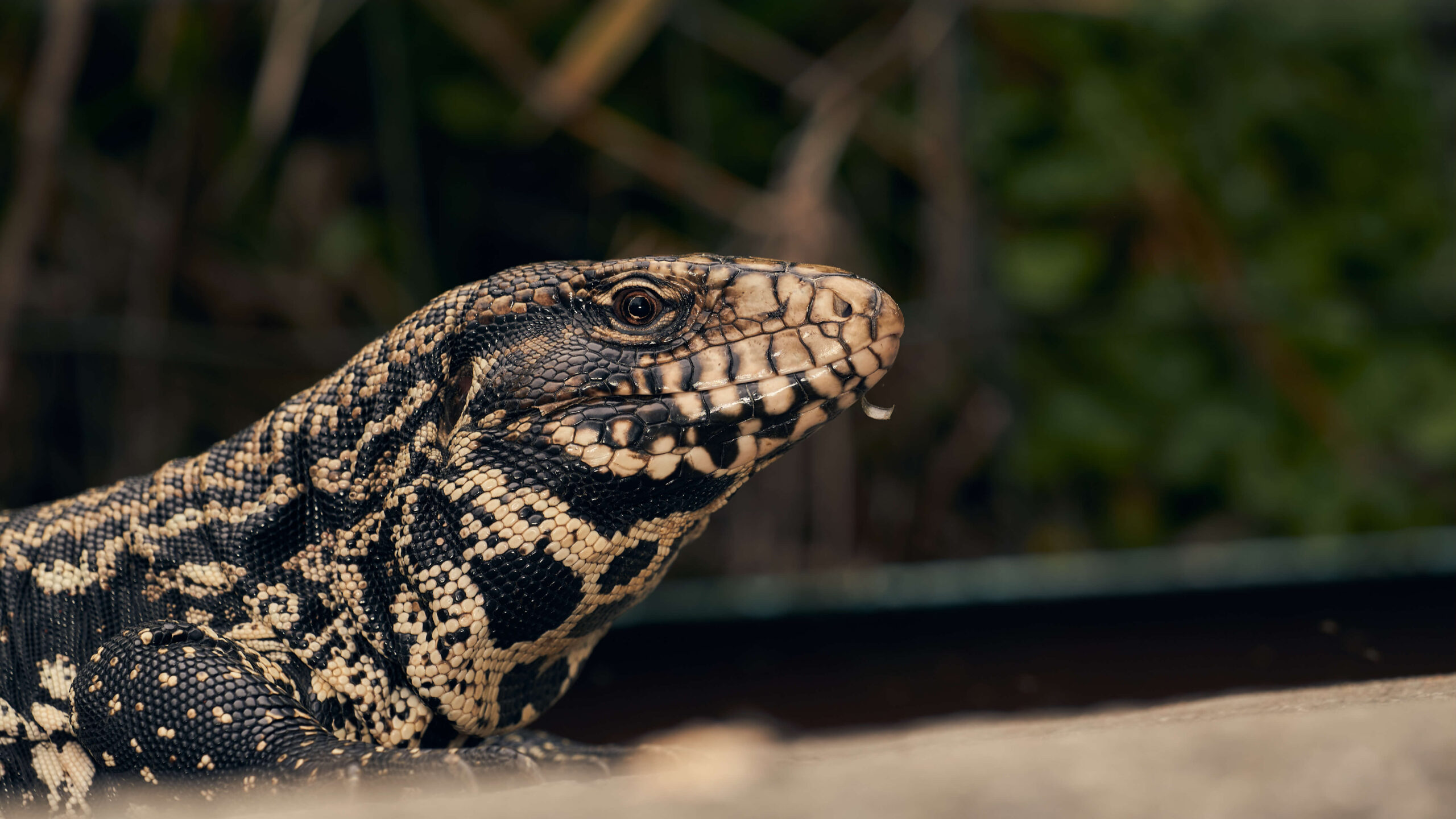
Argentine Tegu

Plated Lizard
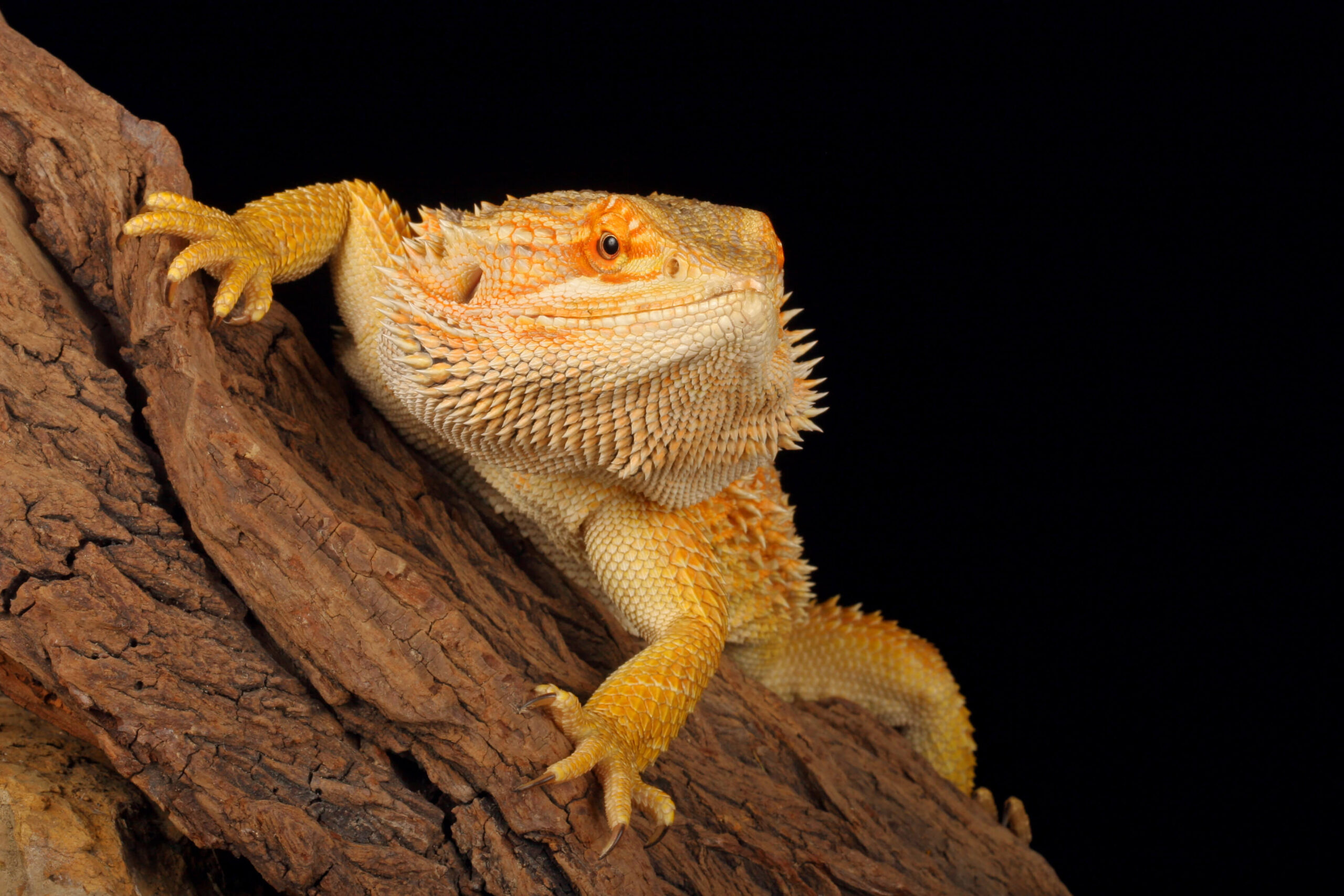
Bearded Dragon
ARTHROPODS:

Desert Millipede
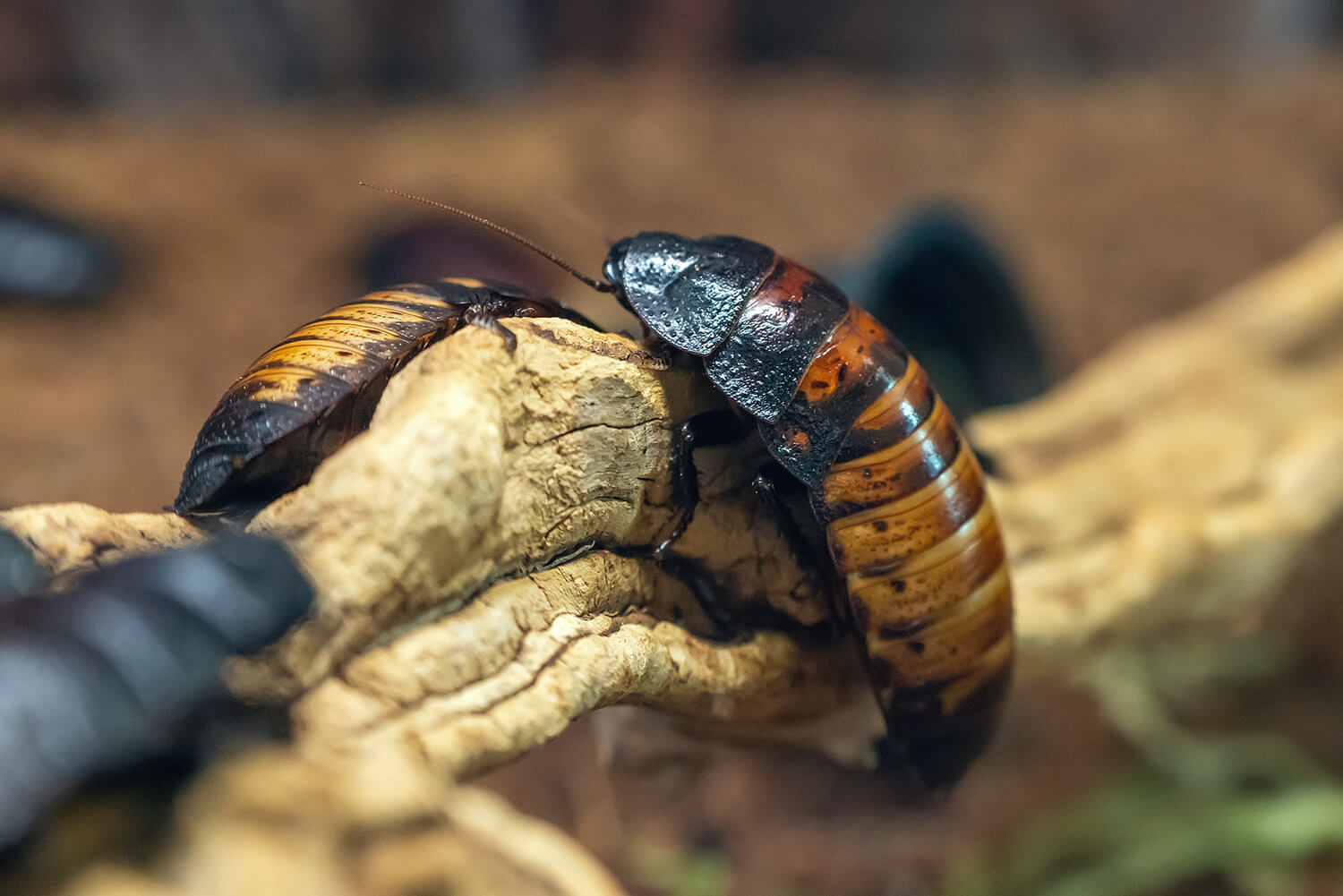
Madagascar Hissing Cockroach