
Axolotl
(Ambystoma mexicanum)
“Batman” & “Patricia”
Quick Facts:
Common Name: Axolotl
Scientific Name: Ambystoma mexicanum
Native Range: Xochimilco lake system, Mexico City basin
Habitat: Cool, high-altitude freshwater lakes and canals
Diet: Worms, insects, crustaceans, and small fish
Conservation Status: Critically Endangered (IUCN)
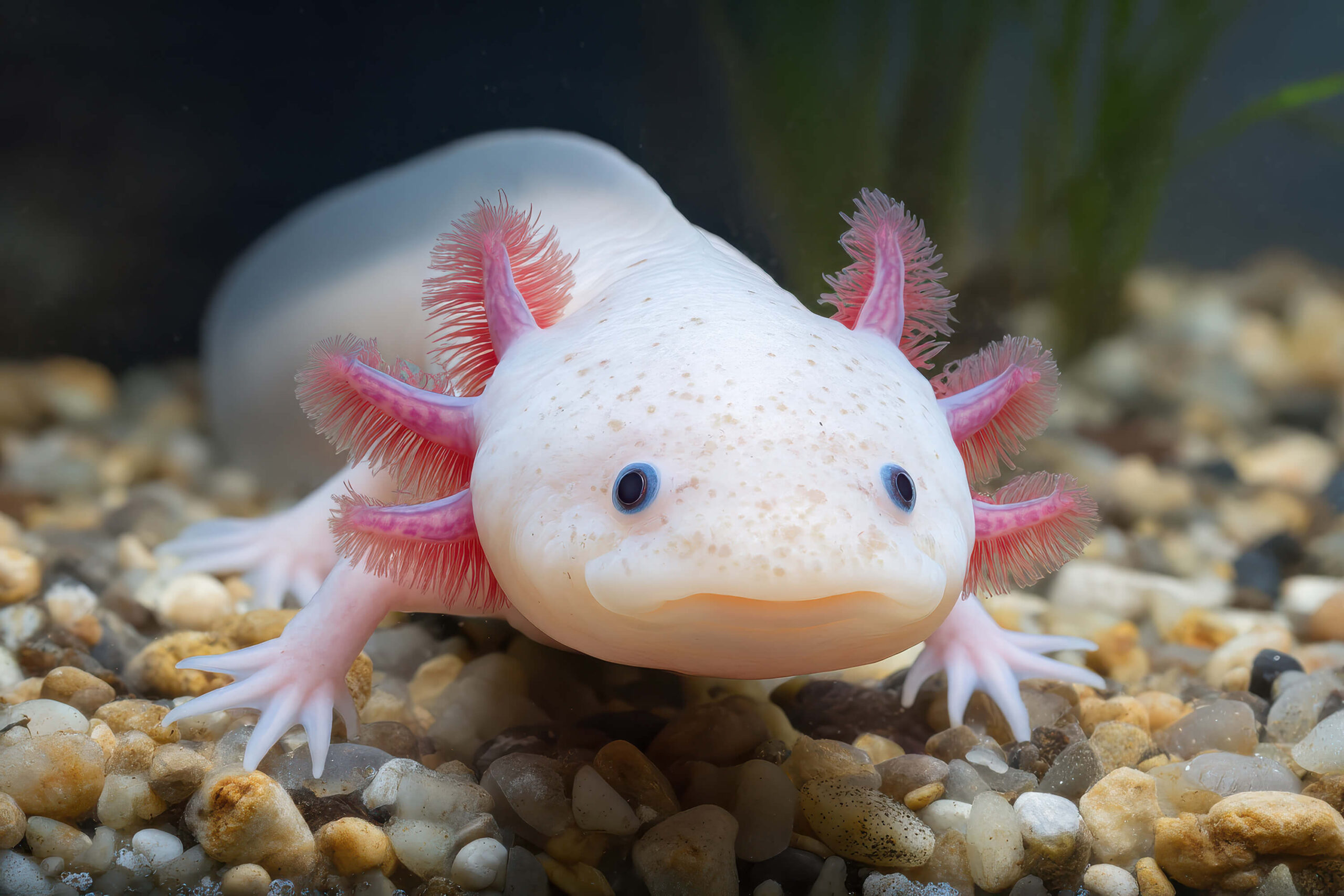
Meet Our Resident
Burpee’s Axolotls are among the most beloved residents of the museum—ethereal, feathery-gilled salamanders that remain in a permanent juvenile form. Their gentle expressions and ability to regenerate lost limbs fascinate visitors of all ages.
Connections to the Museum
Axolotls connect Burpee’s “Conservation Corridor” with global conservation stories and ancient amphibian evolution. They embody both biological wonder and ecological crisis—an iconic species facing extinction in the wild but thriving in scientific study and education.
Natural History & Behavior
Unlike most amphibians, axolotls never complete metamorphosis; they remain aquatic with gills throughout life, a phenomenon called neoteny. They are nocturnal predators that hunt by sensing movement in the water. Cool, clean, well-oxygenated water is essential for their survival.
Evolutionary Connections
Axolotls belong to the Ambystomatidae family, which also includes North American tiger salamanders. Fossils of similar salamanders appear in Cenozoic lake beds, showing continuity of this lineage over millions of years. Their regenerative ability—capable of rebuilding limbs, tail, and even parts of the heart and brain—offers a modern link to early vertebrate development.
Wild Habitat & Distribution
Restricted to remnants of the Xochimilco wetlands near Mexico City, where pollution and invasive fish have decimated wild populations.
Conservation & Status
Axolotls are Critically Endangered in the wild. Burpee’s individuals are captive-bred and serve as ambassadors for water quality conservation and regenerative biology research.
SNAKES:

Ball Python
(Python regius)
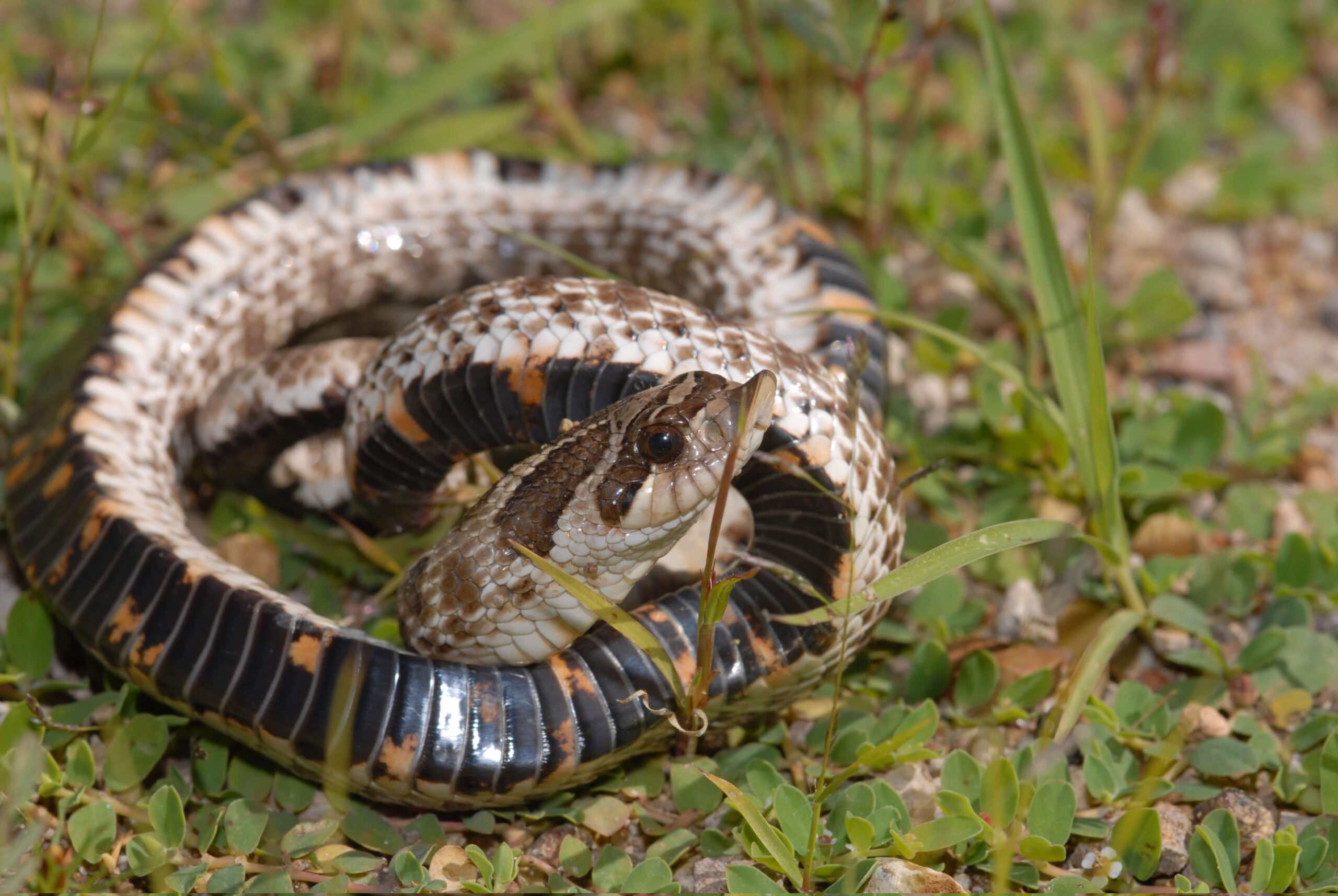
Western Hognose Snake
(Heterodon nasicus)
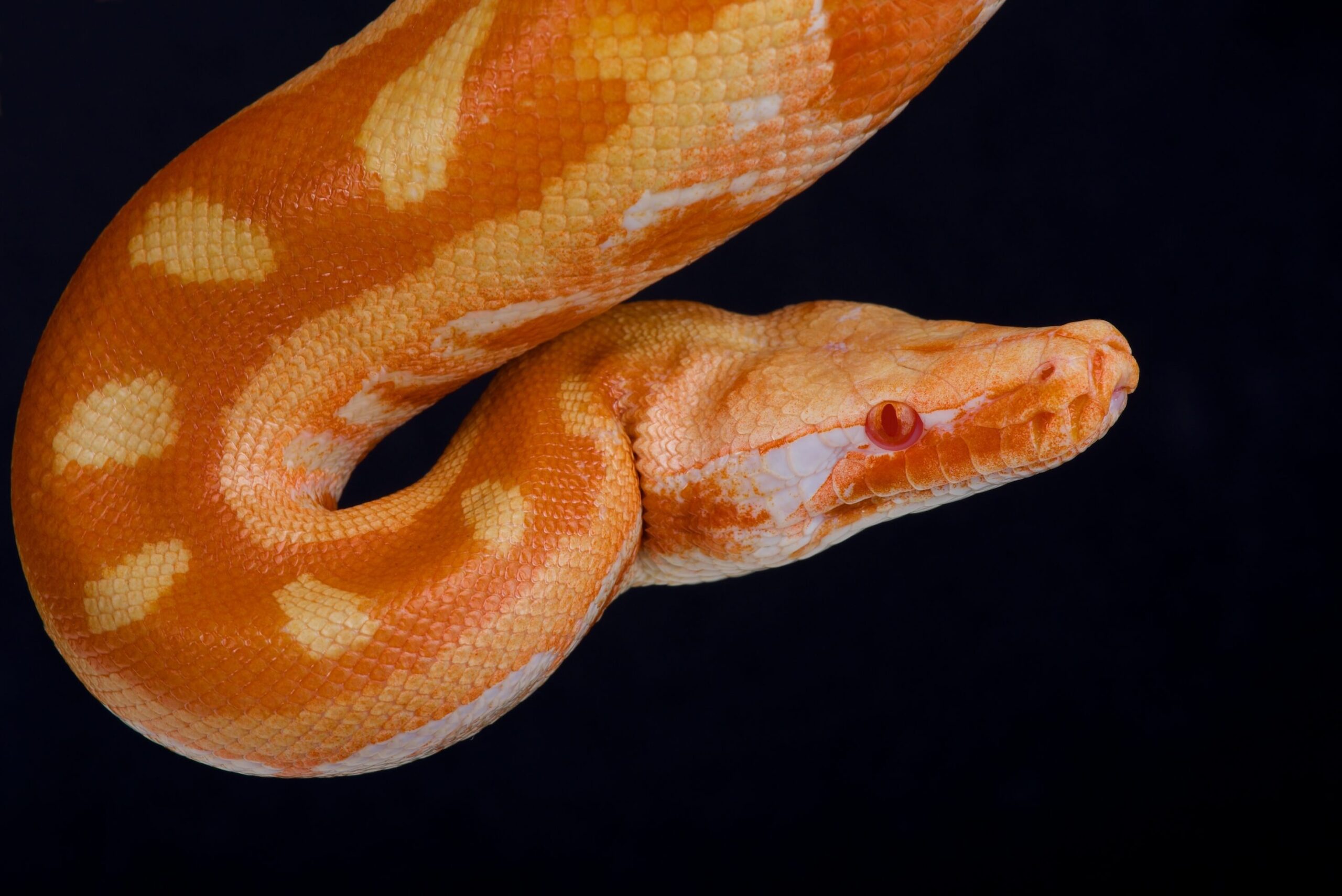
Blood Python
(Python brongersmai)
TURTLES:

Sulcata Tortoise
(Centrochelys sulcata)
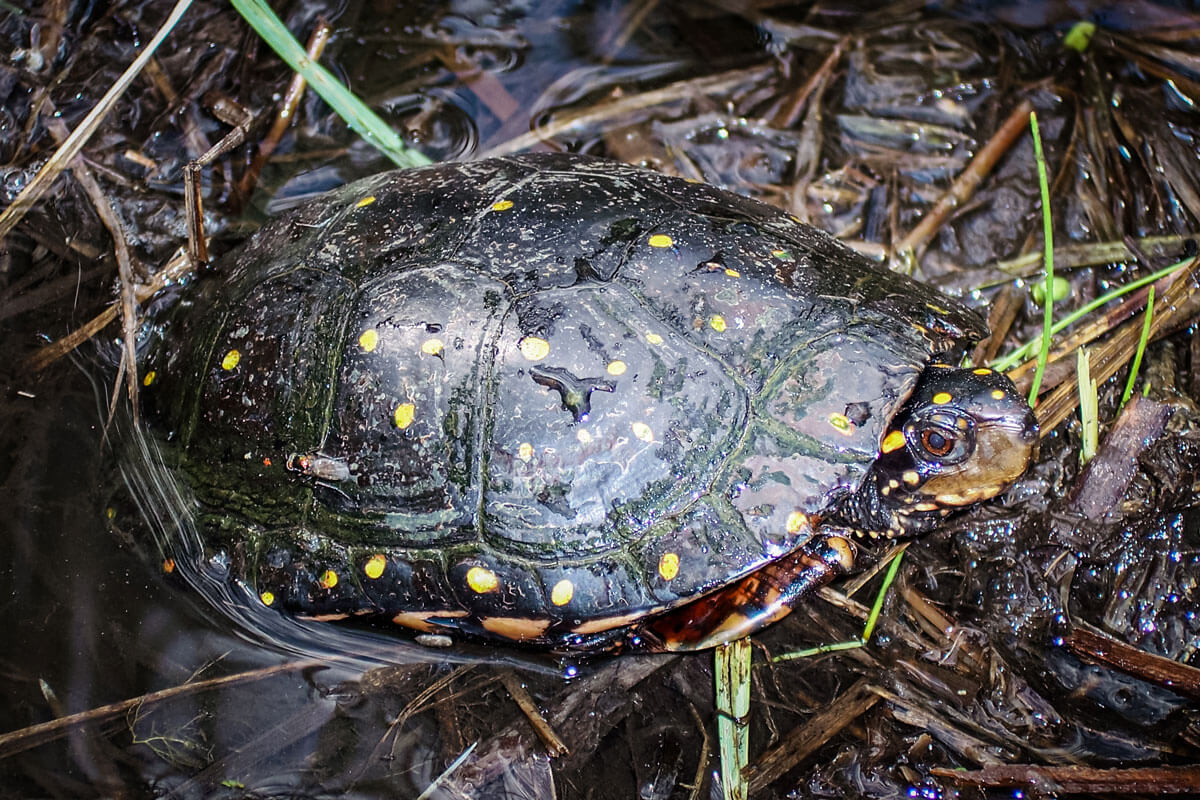
Spotted Turtle
(Clemmys guttata)

River Cooter
(Pseudemys concinna)
LIZARDS:
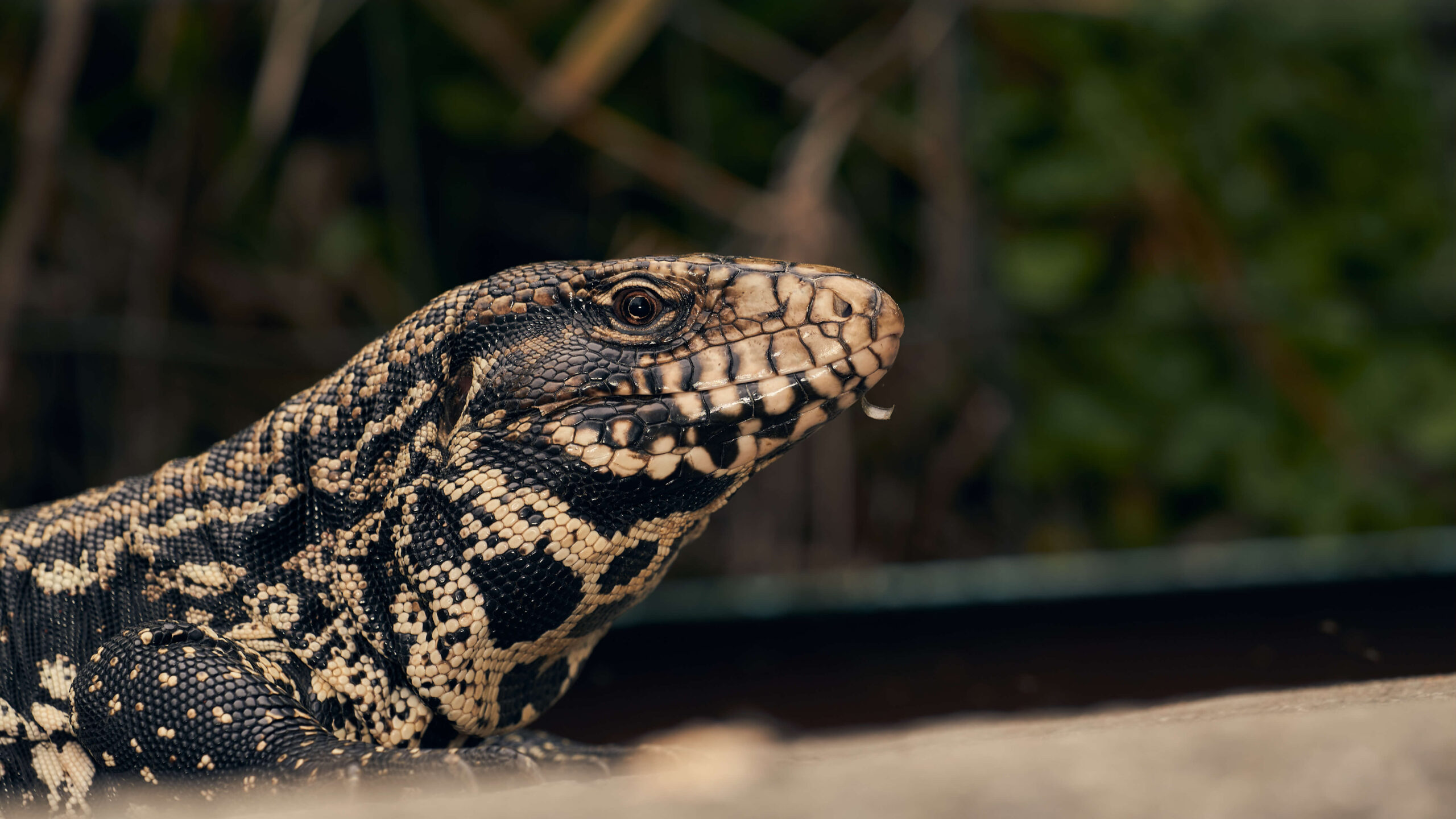
Argentine Tegu
(Salvator merianae)

Plated Lizard
(Gerrhosaurus major)
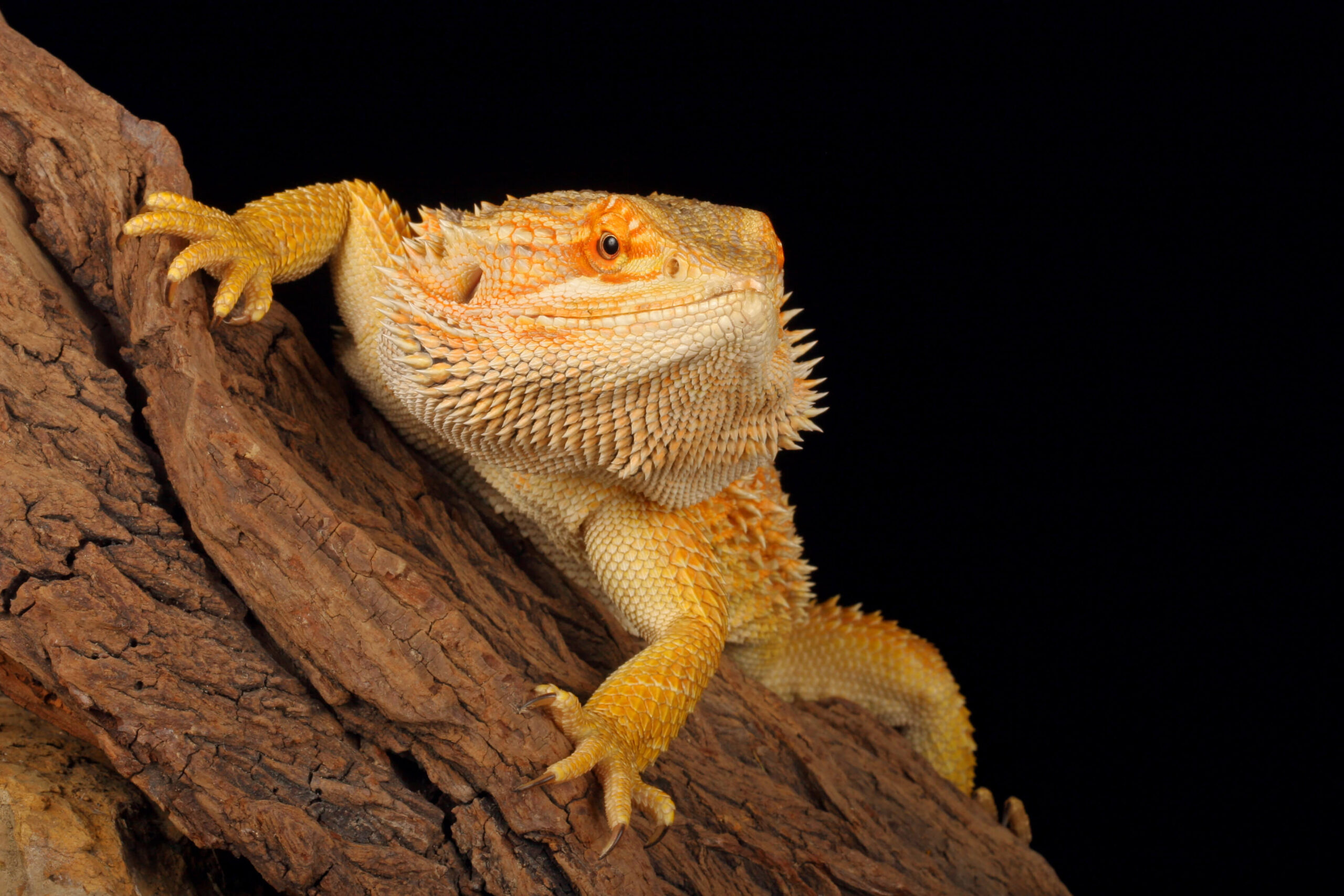
Bearded Dragon
(Pogona vitticeps)
ARTHROPODS:

Desert Millipede
(Orthoporus ornatus)
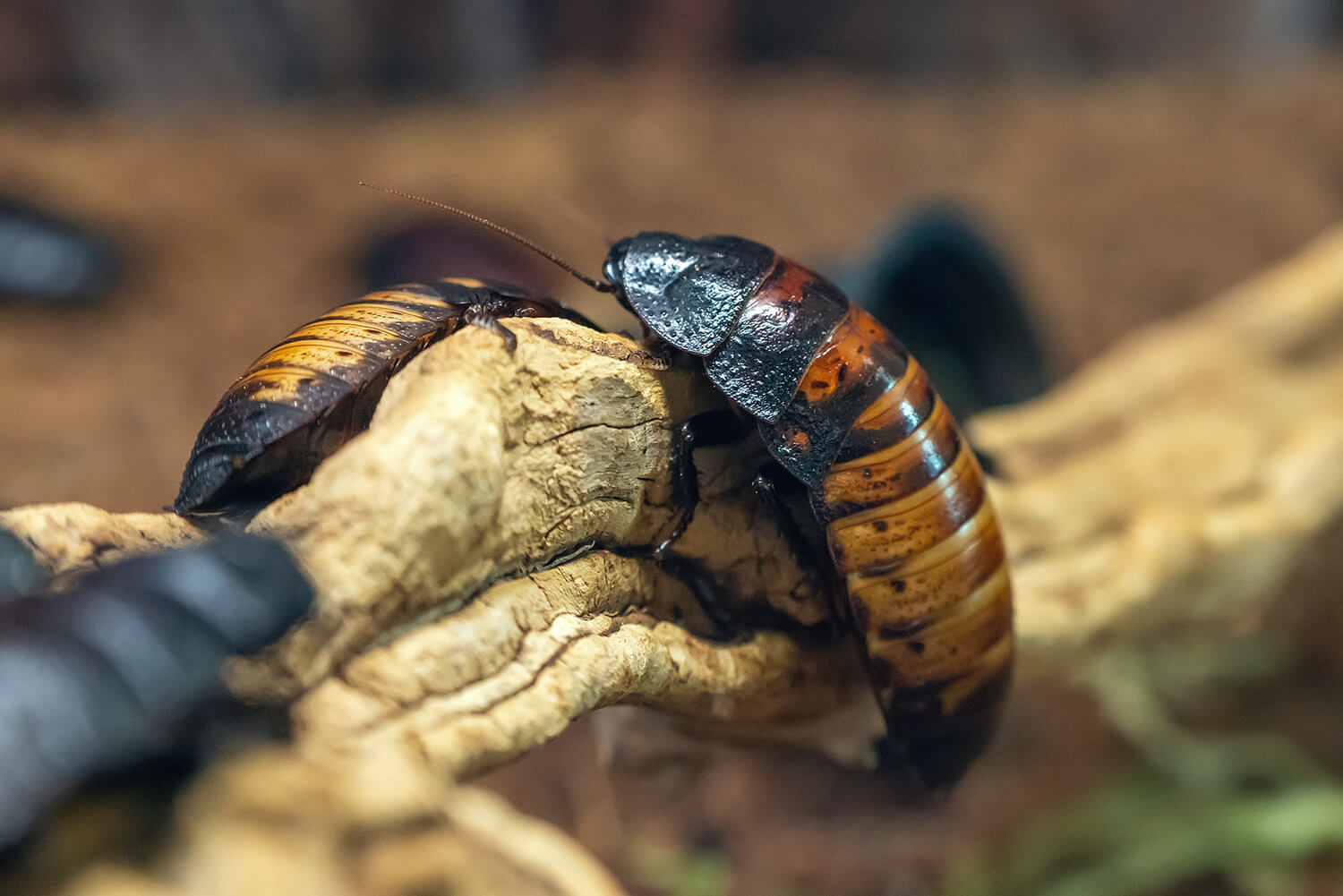
Madagascar Hissing Cockroach
(Gromphadorhina portentosa)
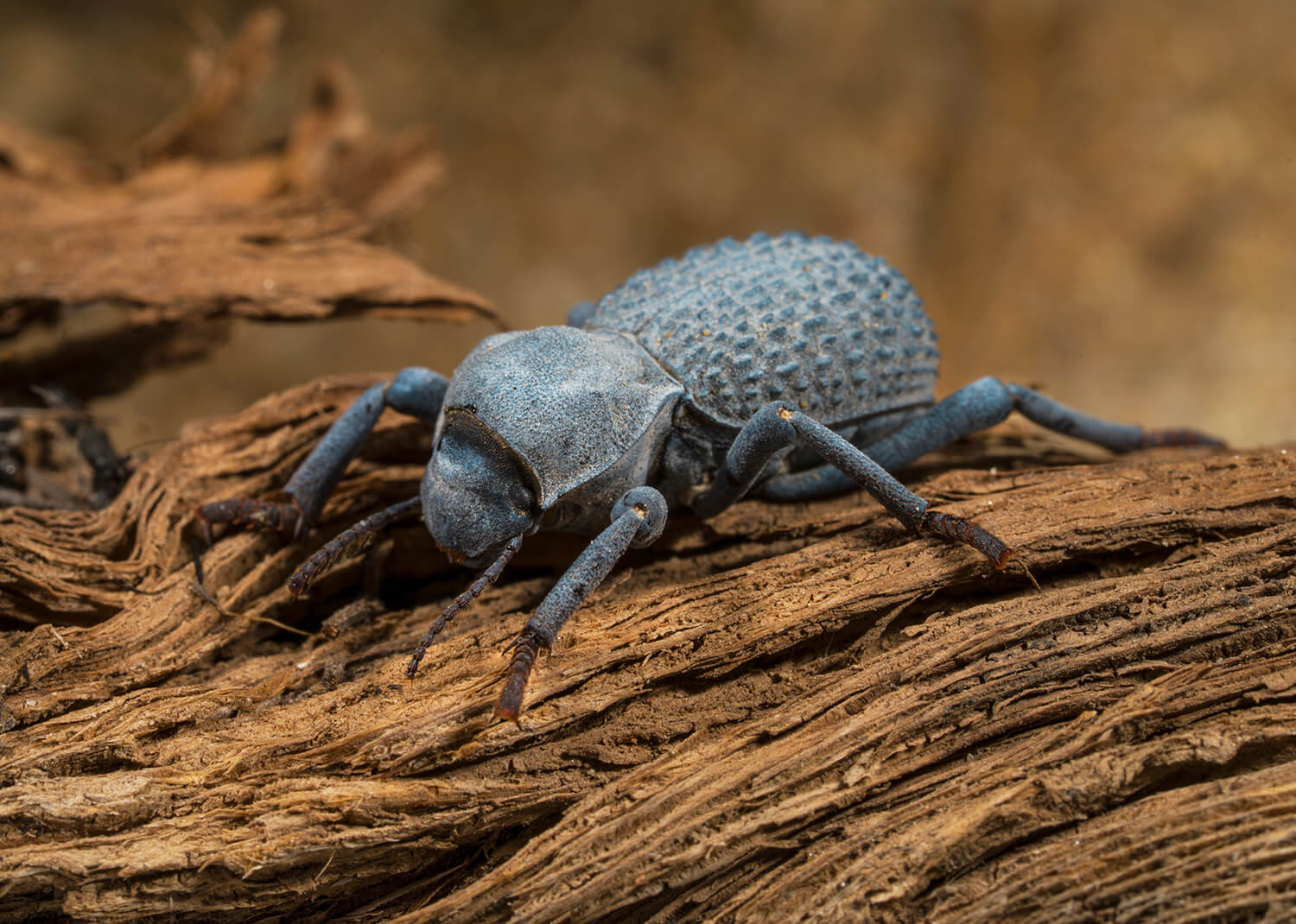
Blue Death Feigning Beetle
(Asbolus verrucosus)