Albino Corn Snake
(Pantherophis guttatus)
Quick Facts:
Common Name: Albino Corn Snake
Scientific Name: Pantherophis guttatus
Native Range: Southeastern United States
Habitat: Woodlands, fields, and barns
Diet: Rodents and small birds
Conservation Status: Not Threatened
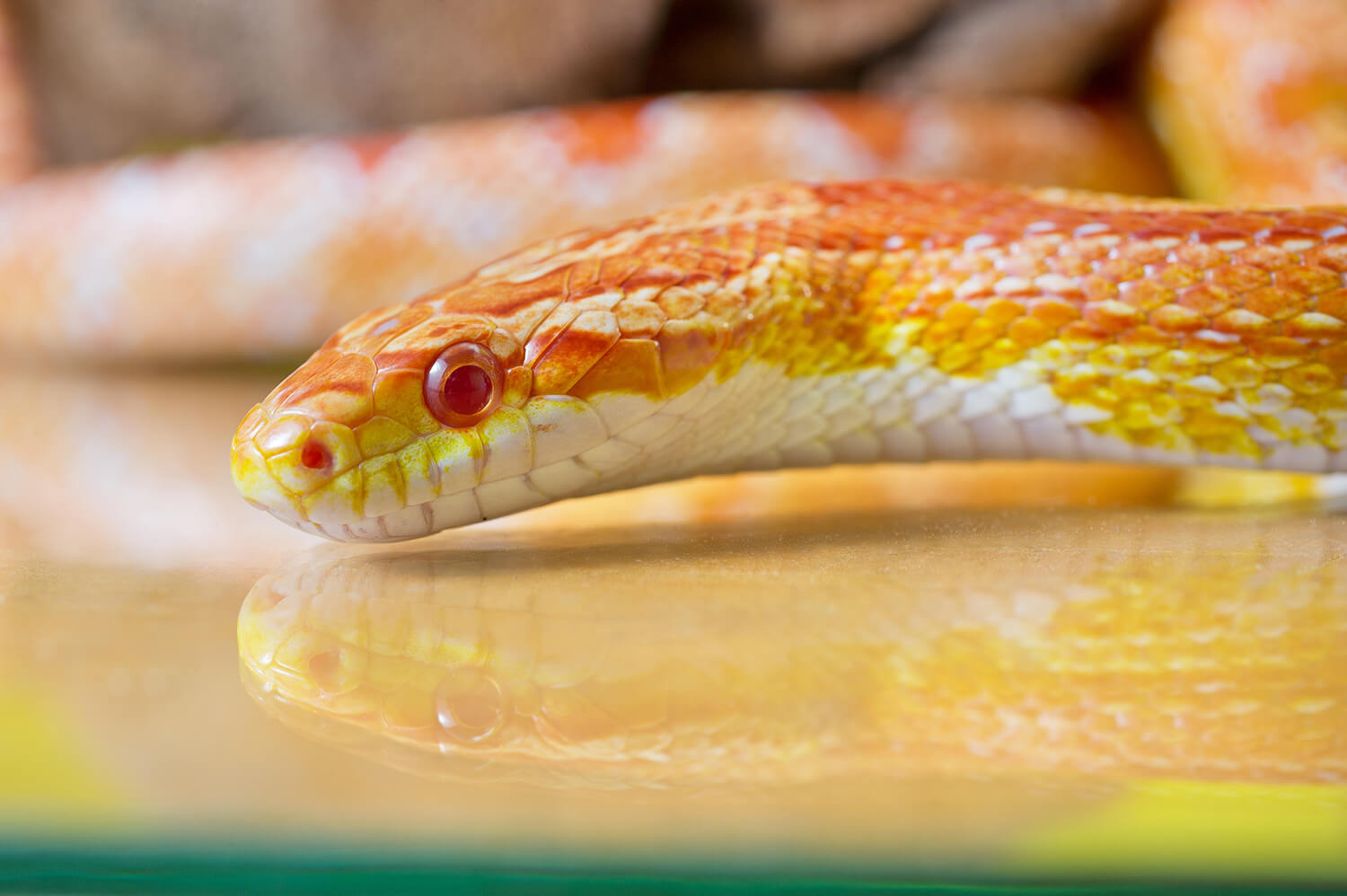
Meet Our Resident
This beautifully colored albino corn snake has cream and orange patterning and gentle behavior. It serves as an excellent education ambassador for students learning about color genetics and evolution.
Connections to the Museum
The Albino Corn Snake bridges natural genetics and human influence. Its absence of dark pigment (melanin) demonstrates recessive gene inheritance—an engaging way to discuss adaptation and variation, linking to Burpee’s genetics exhibits and fossil coloration studies.
Natural History & Behavior
Corn Snakes are skilled constrictors and climbers, common throughout the southeastern U.S. They are harmless to humans and important for rodent population control. Albino individuals occur naturally but are rare; most in captivity are selectively bred.
Evolutionary Connections
As part of the Colubridae family, Corn Snakes represent the most species-rich reptile lineage on Earth. Fossils of early colubrids trace the rise of agile, non-venomous snakes during the Miocene, diversifying alongside small mammals.
Wild Habitat & Distribution
Native to southeastern U.S. from Florida north to New Jersey and west to Louisiana.
Conservation & Status
Stable populations, though subject to habitat fragmentation. Burpee’s captive-bred Albino Corn Snake teaches responsible reptile keeping and the role of genetics in biodiversity.
SNAKES:

Ball Python
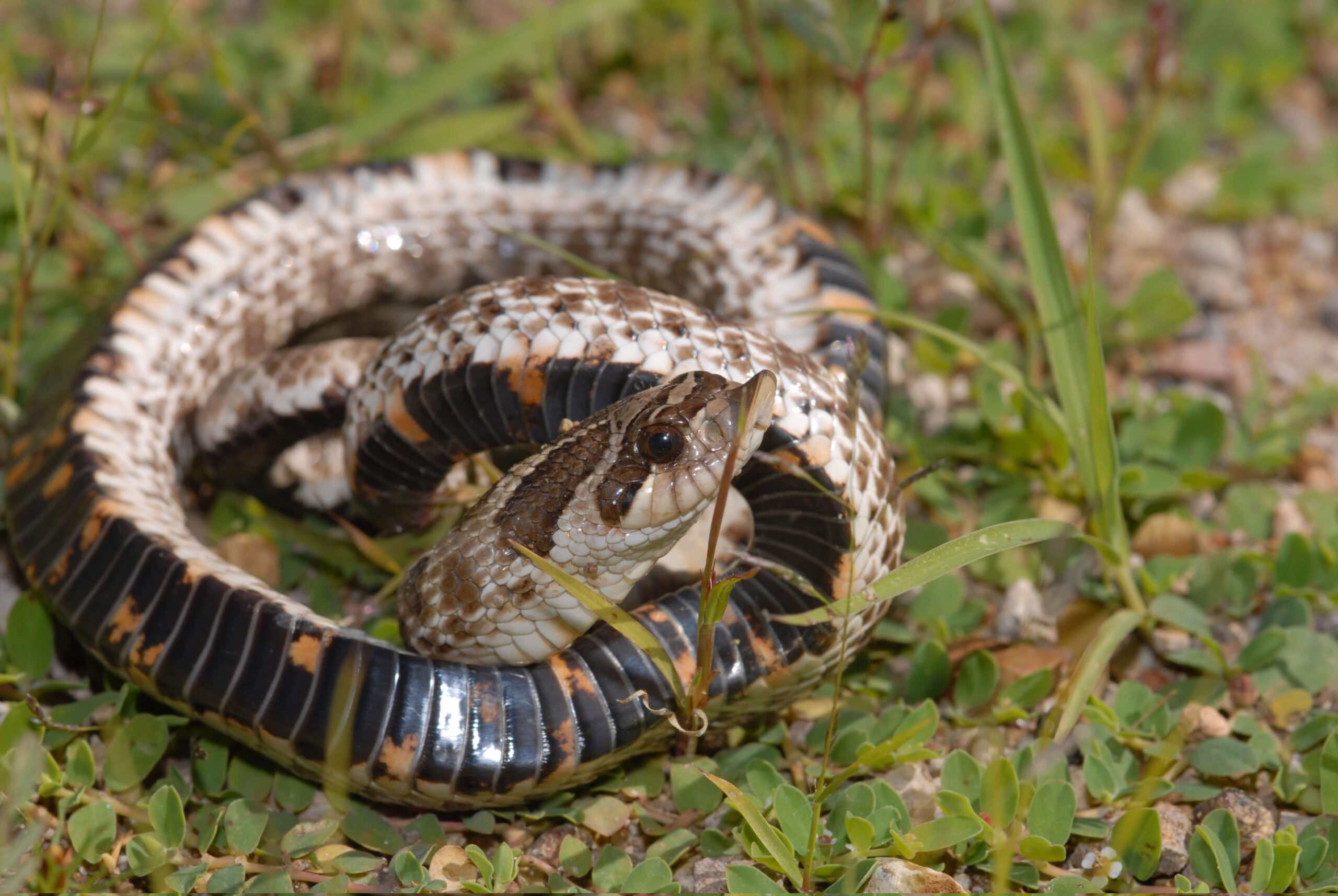
Western Hognose Snake
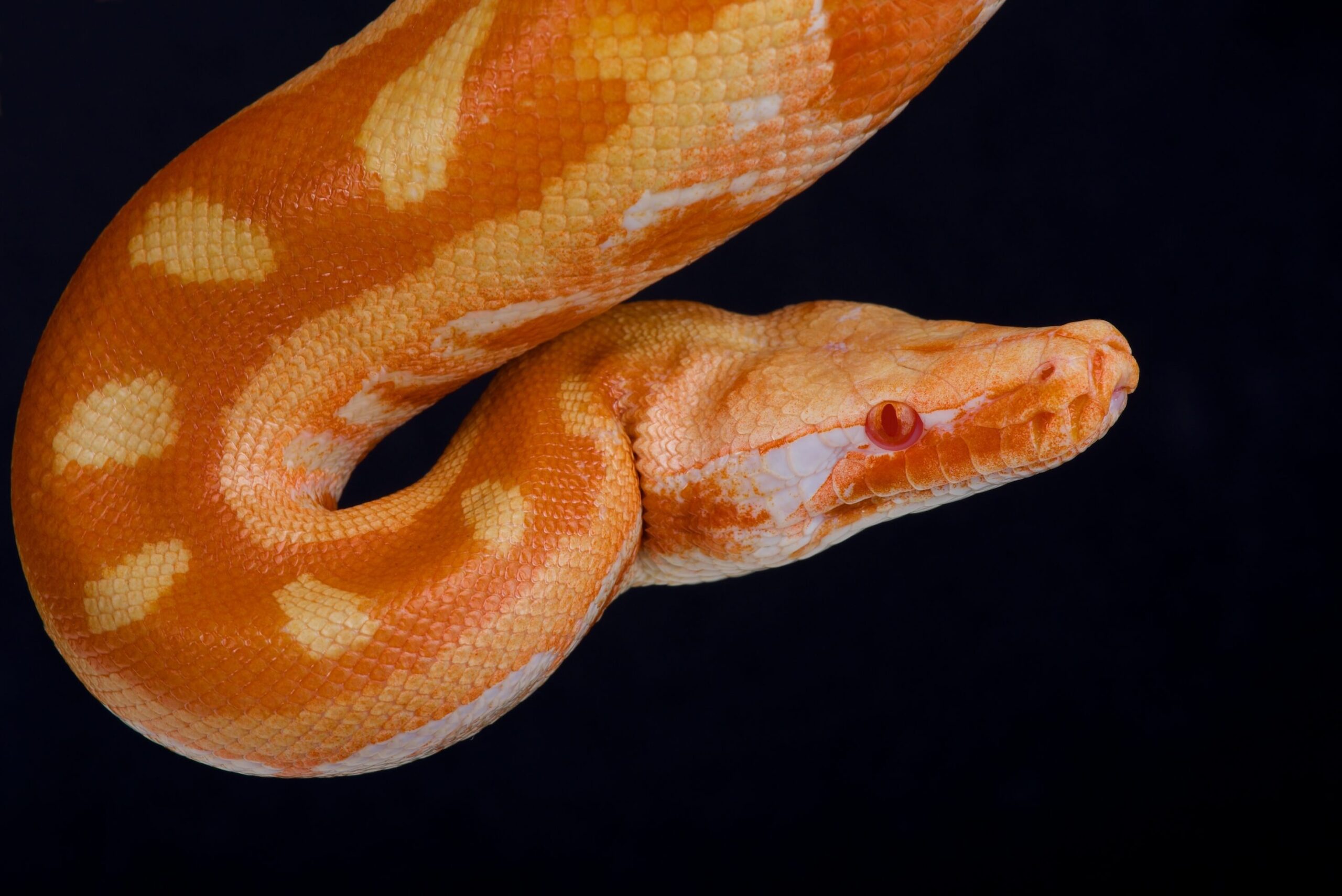
Blood Python
TURTLES:

Sulcata Tortoise
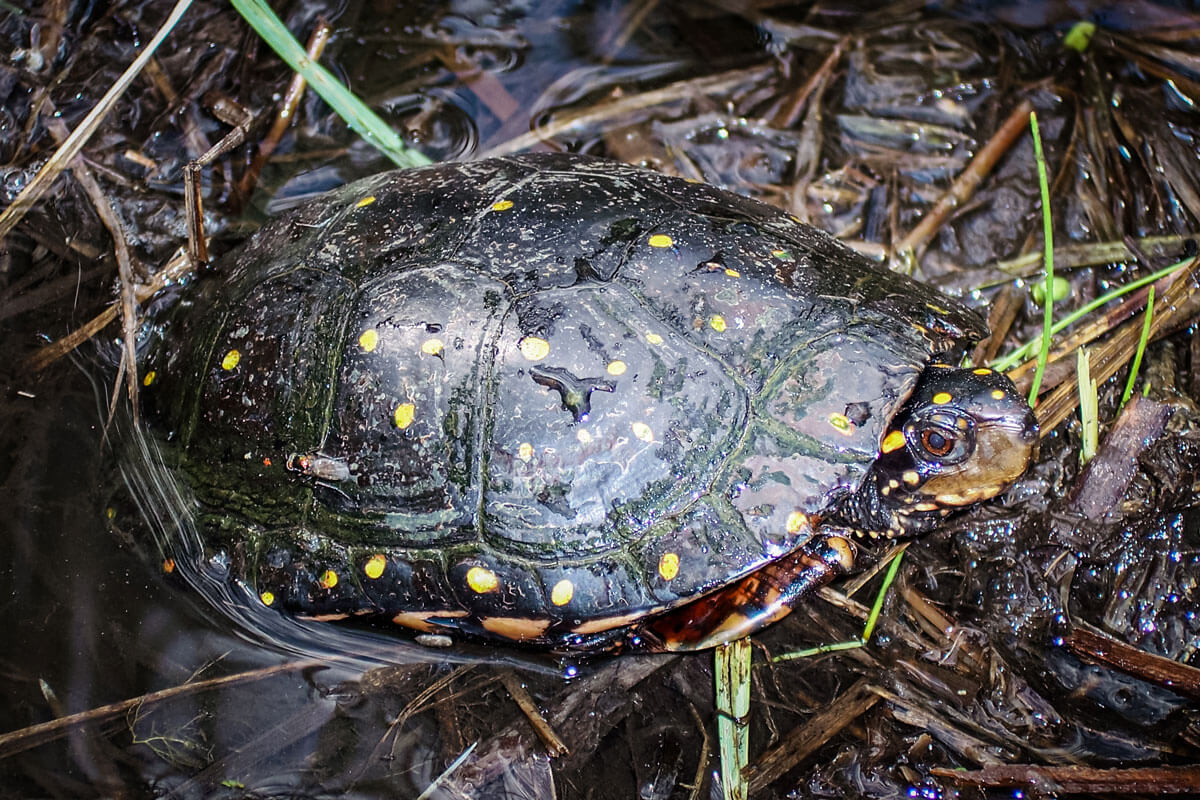
Spotted Turtle

River Cooter
LIZARDS:
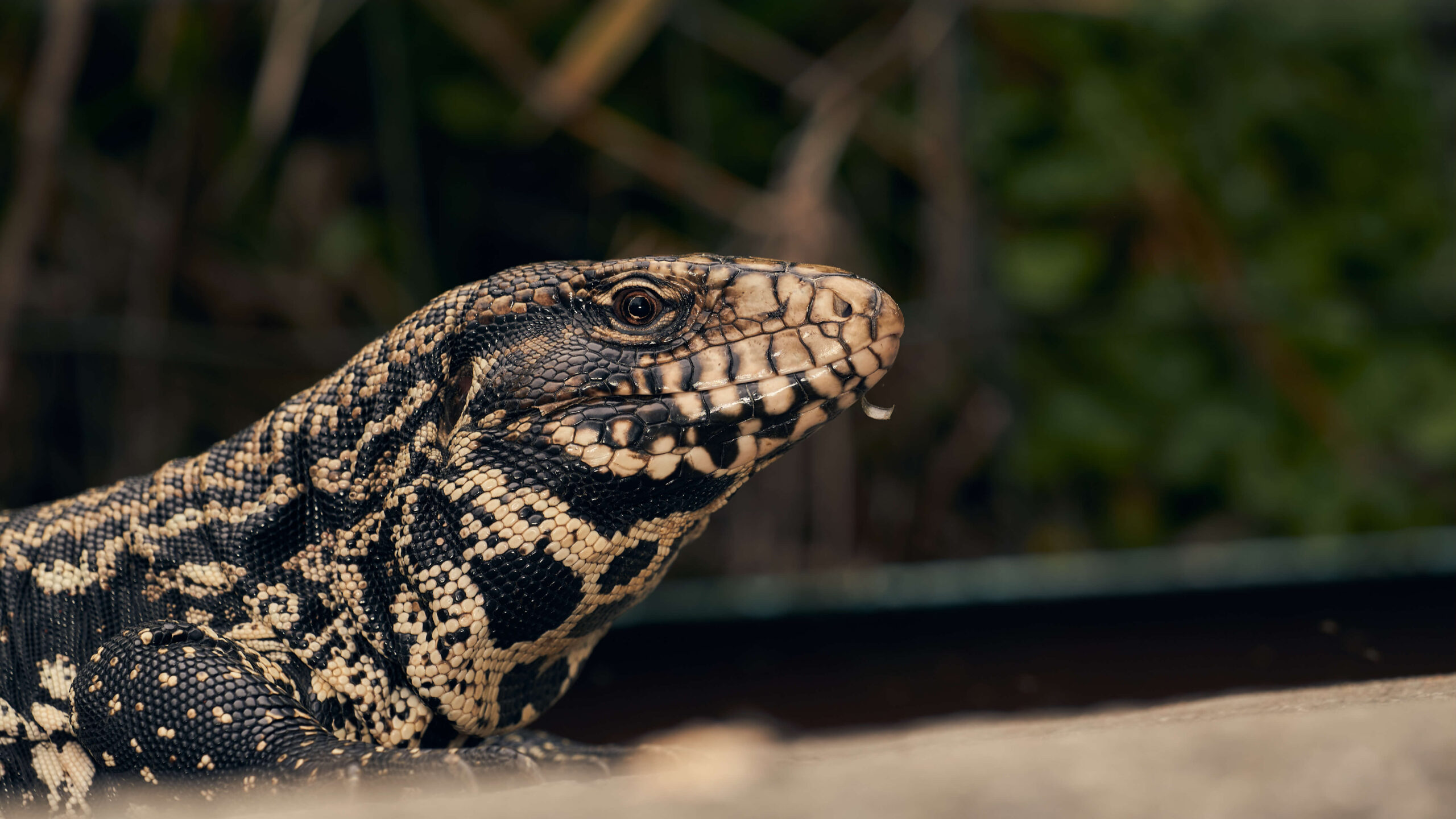
Argentine Tegu

Plated Lizard
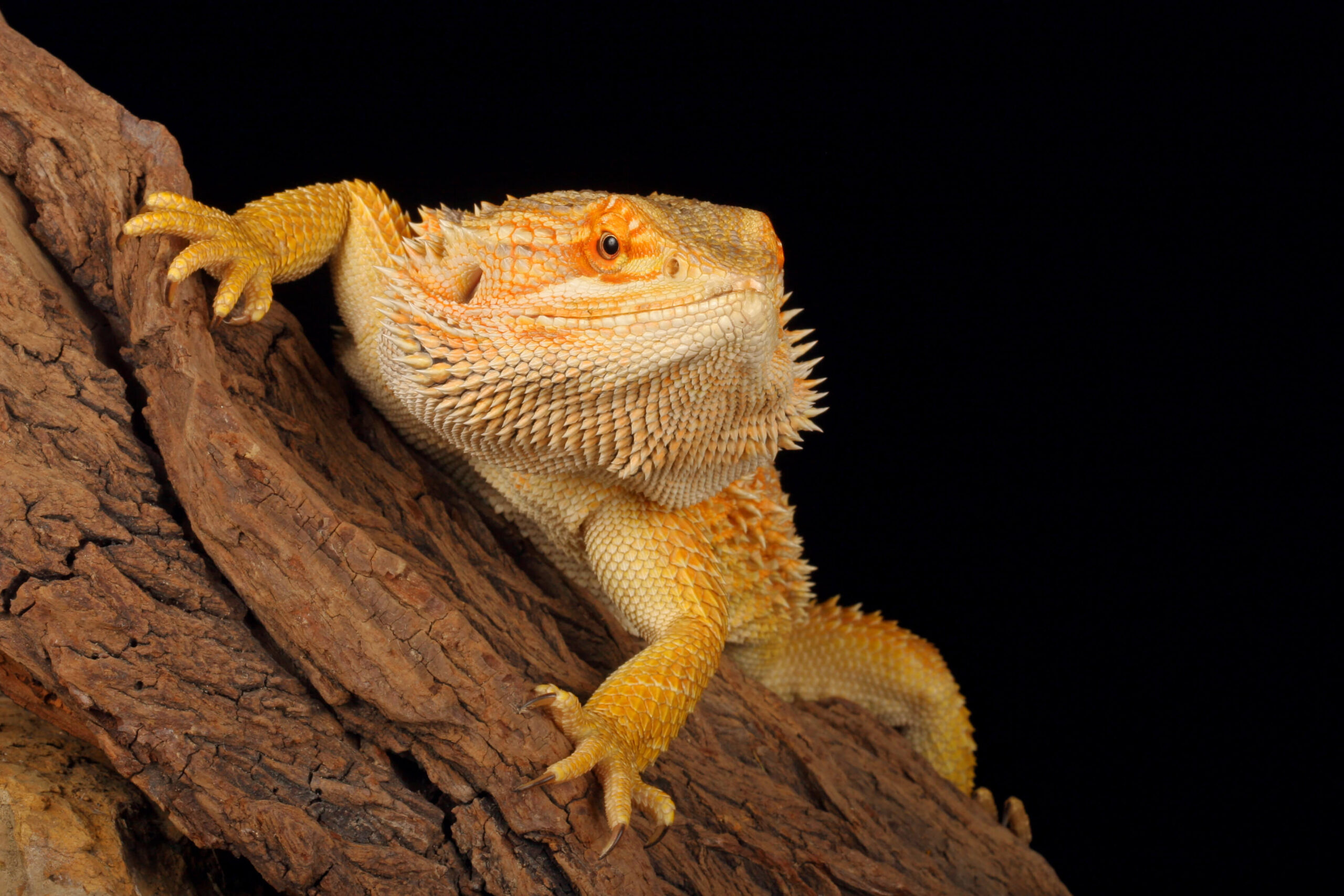
Bearded Dragon
ARTHROPODS:

Desert Millipede
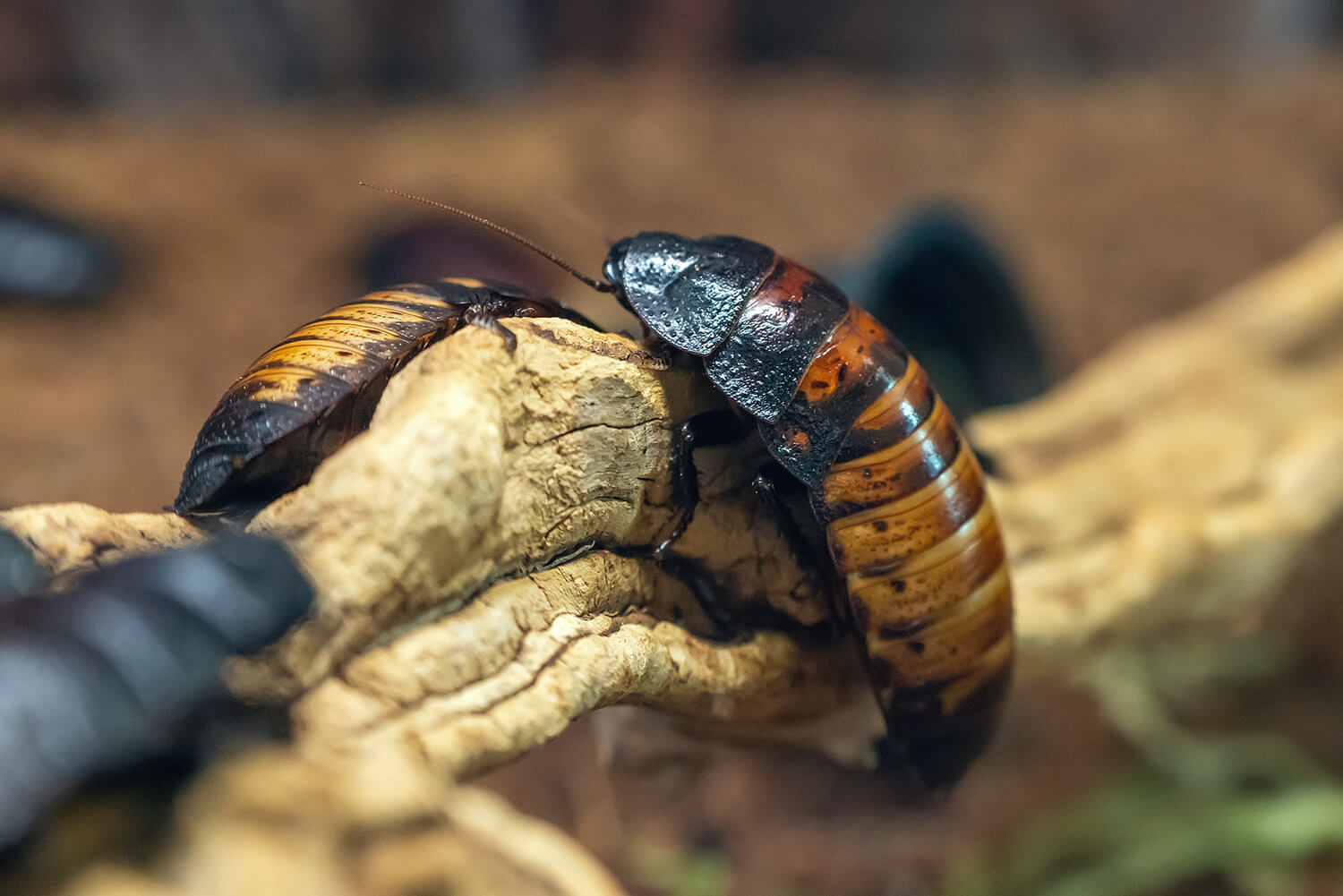
Madagascar Hissing Cockroach