
Hermit Crab
(Coenobita clypeatus)
Quick Facts:
Common Name: Caribbean Hermit Crab
Scientific Name: Coenobita clypeatus
Native Range: Caribbean islands, the Florida Keys, and coastal areas of the western Atlantic
Habitat: Tropical coastlines, mangrove forests, sandy beaches, and nearby inland forests requiring high humidity
Diet: Omnivorous scavenger feeding on fruits, leaves, detritus, small invertebrates, and decaying plant or animal material
Conservation Status: Not currently threatened; locally affected by habitat loss and shell collection, but globally stable

Meet Our Resident
Burpee’s Hermit Crab is a surprisingly active and inquisitive invertebrate that fascinates visitors with its shell-carrying lifestyle. Always exploring, it climbs over driftwood, tunnels through substrate, and inspects new hiding spots. Guests love watching it maneuver its borrowed shell—showing how resourceful and adaptable these coastal crustaceans truly are.
Connections to the Museum
The Hermit Crab connects Burpee’s living collection to discussions about coastal ecosystems, resource sharing, and arthropod evolution. Its shell-borrowing behavior provides a gateway to exploring how animals adapt creatively to survive. By comparing it with fossilized crustaceans in Burpee’s collections, visitors can trace the long history of exoskeletons and segmented body plans that originated hundreds of millions of years ago.
Natural History & Behavior
Hermit crabs are land-dwelling crustaceans that depend on empty snail shells for protection. They require humid environments to breathe properly, using modified gills that still rely on moisture. As opportunistic scavengers, they help clean their ecosystems by consuming fallen fruit, algae, and organic debris. Social and interactive, they often form colonies and participate in “shell exchanges” where individuals line up and swap shells in size order.
Evolutionary Connections
Hermit crabs belong to the decapod crustaceans, a group with fossil representatives dating back to the Jurassic period. Their reliance on borrowed shells showcases a distinctive evolutionary pathway: instead of investing energy into building their own armor, they evolved to reuse existing natural materials. This adaptation mirrors the broader evolutionary themes seen in Burpee’s exhibits, where survival often depends on behavioral innovation as much as physical traits.
Wild Habitat & Distribution
Caribbean Hermit Crabs inhabit coastlines and adjacent forested areas throughout the Lesser Antilles, Bahamas, and southern Florida. They migrate between freshwater and saltwater sources to regulate moisture and salt balance, especially during molting. Their survival depends heavily on the availability of empty shells from native gastropods.
Conservation & Status
Although not considered threatened, Hermit Crabs face local pressures from habitat development, beach pollution, and the removal of shells for souvenirs and the pet industry. Overharvesting of wild individuals can also reduce population stability. Burpee’s Hermit Crab serves as an ambassador for responsible pet practices, sustainable coastal stewardship, and the vital role that even the smallest invertebrates play in maintaining healthy ecosystems.
SNAKES:

Ball Python
(Python regius)
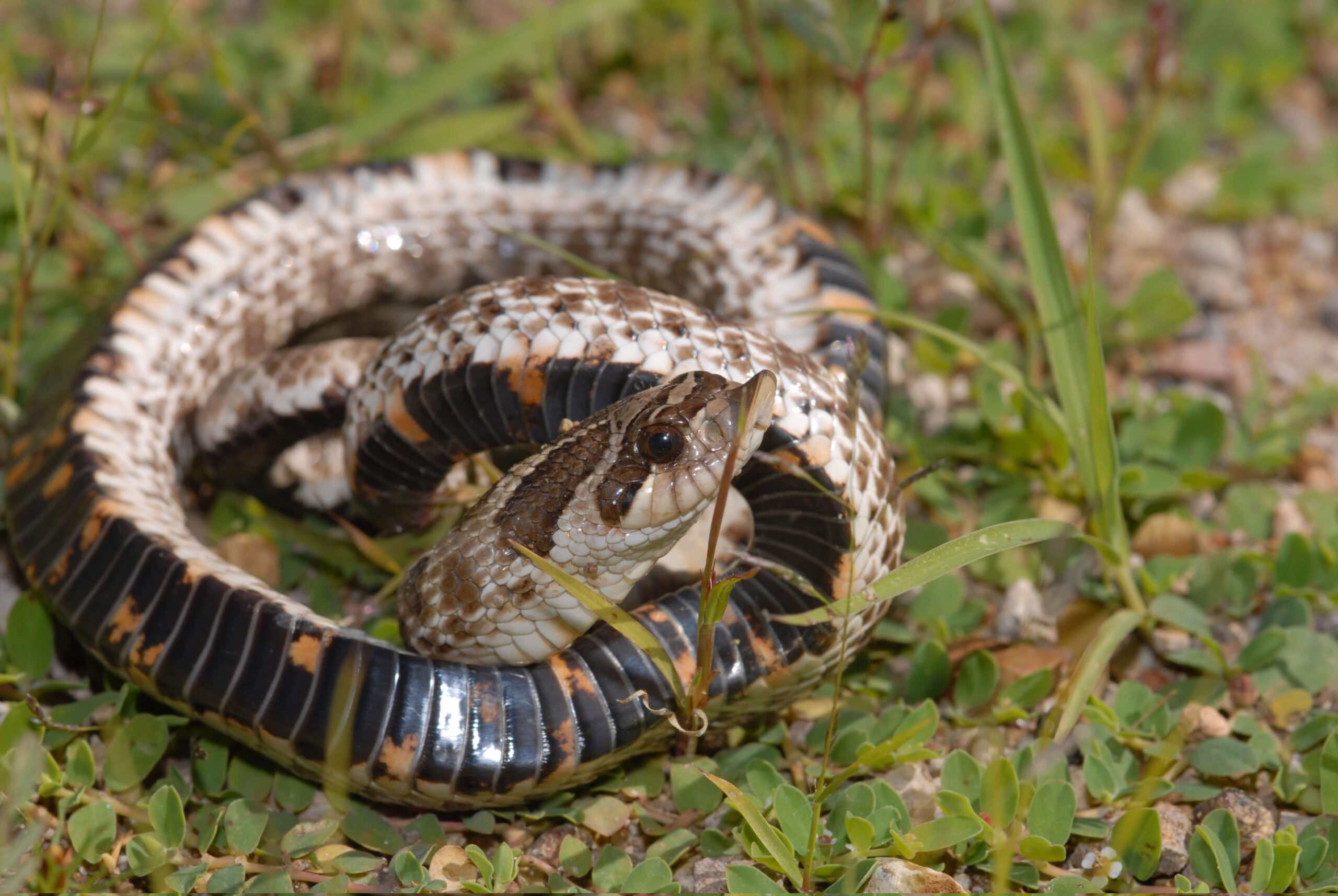
Western Hognose Snake
(Heterodon nasicus)
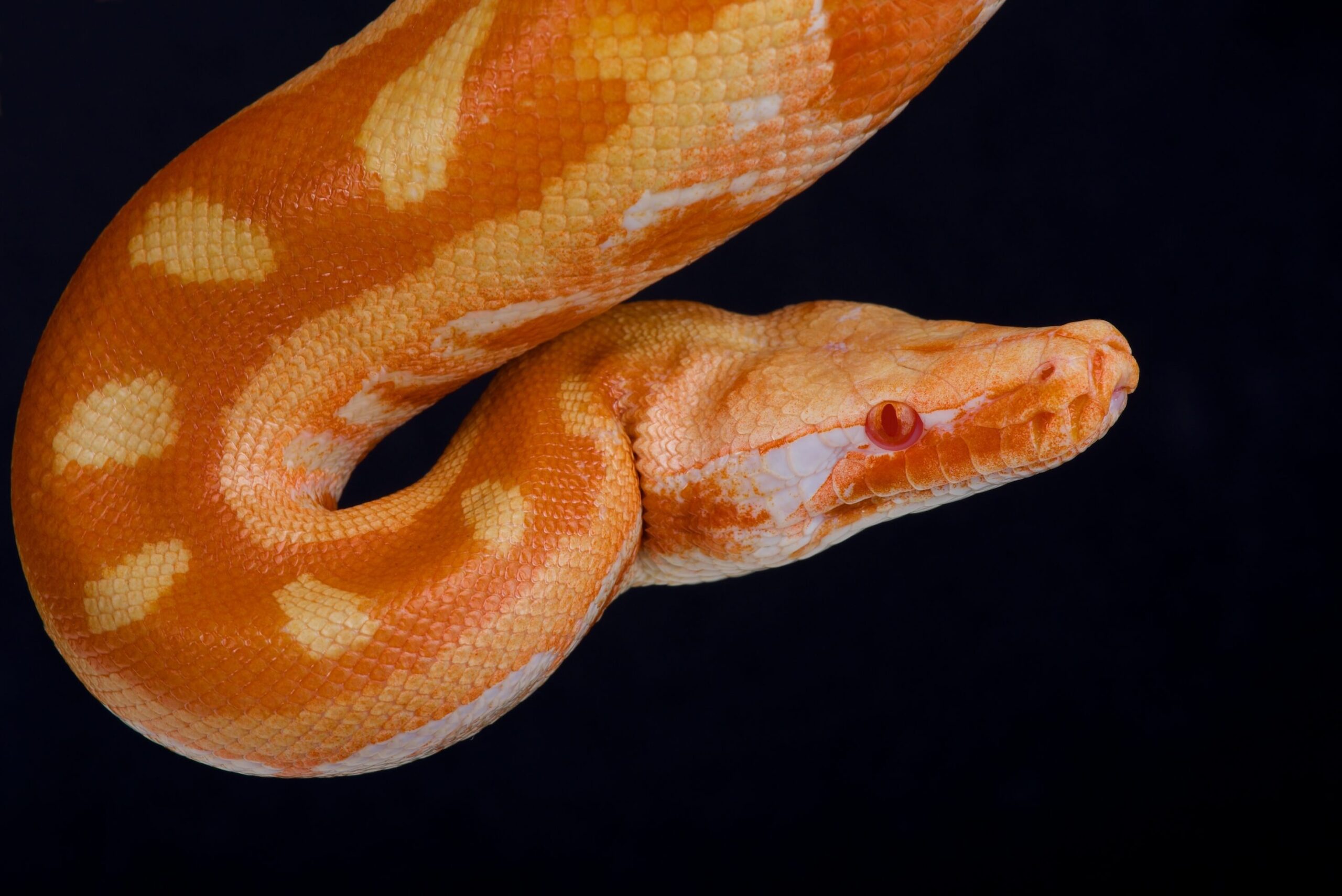
Blood Python
(Python brongersmai)
TURTLES:

Sulcata Tortoise
(Centrochelys sulcata)
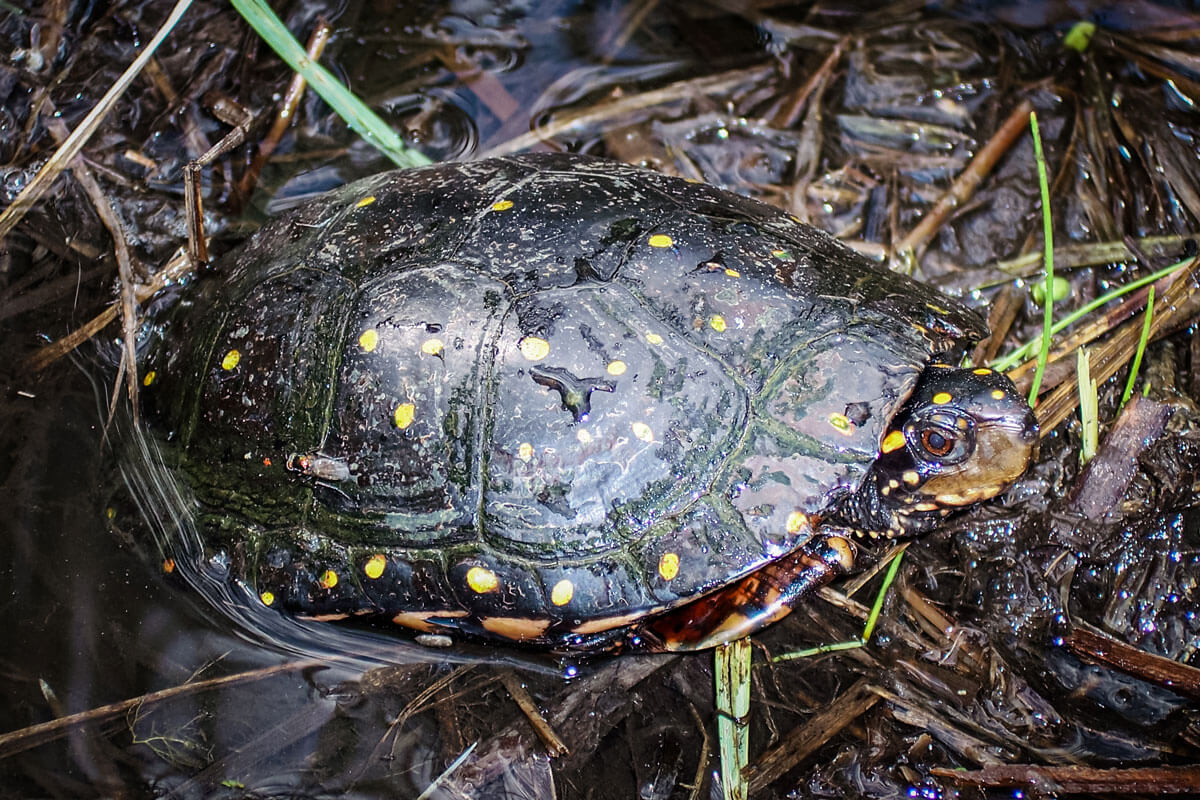
Spotted Turtle
(Clemmys guttata)

River Cooter
(Pseudemys concinna)
LIZARDS:
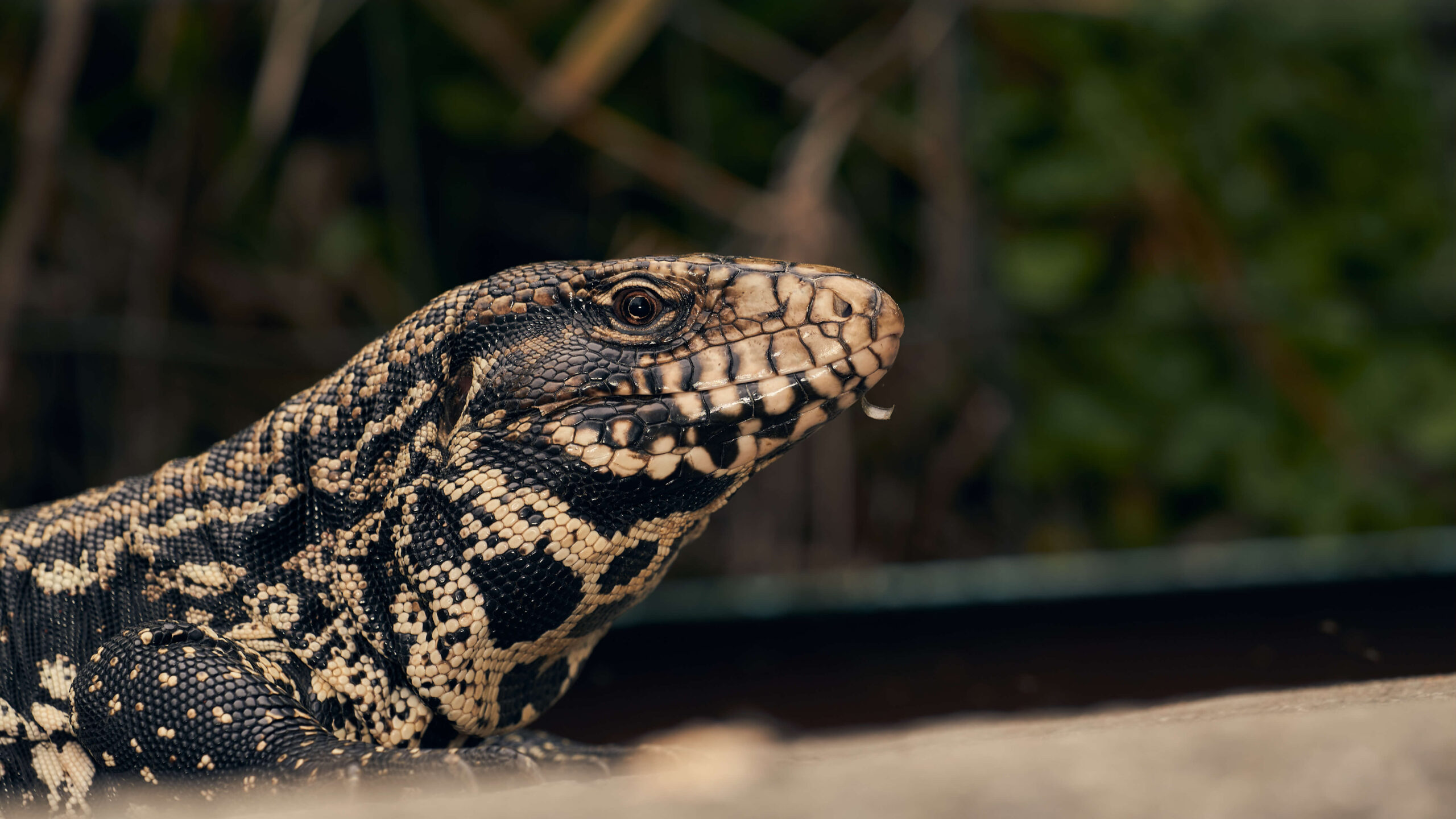
Argentine Tegu
(Salvator merianae)

Plated Lizard
(Gerrhosaurus major)
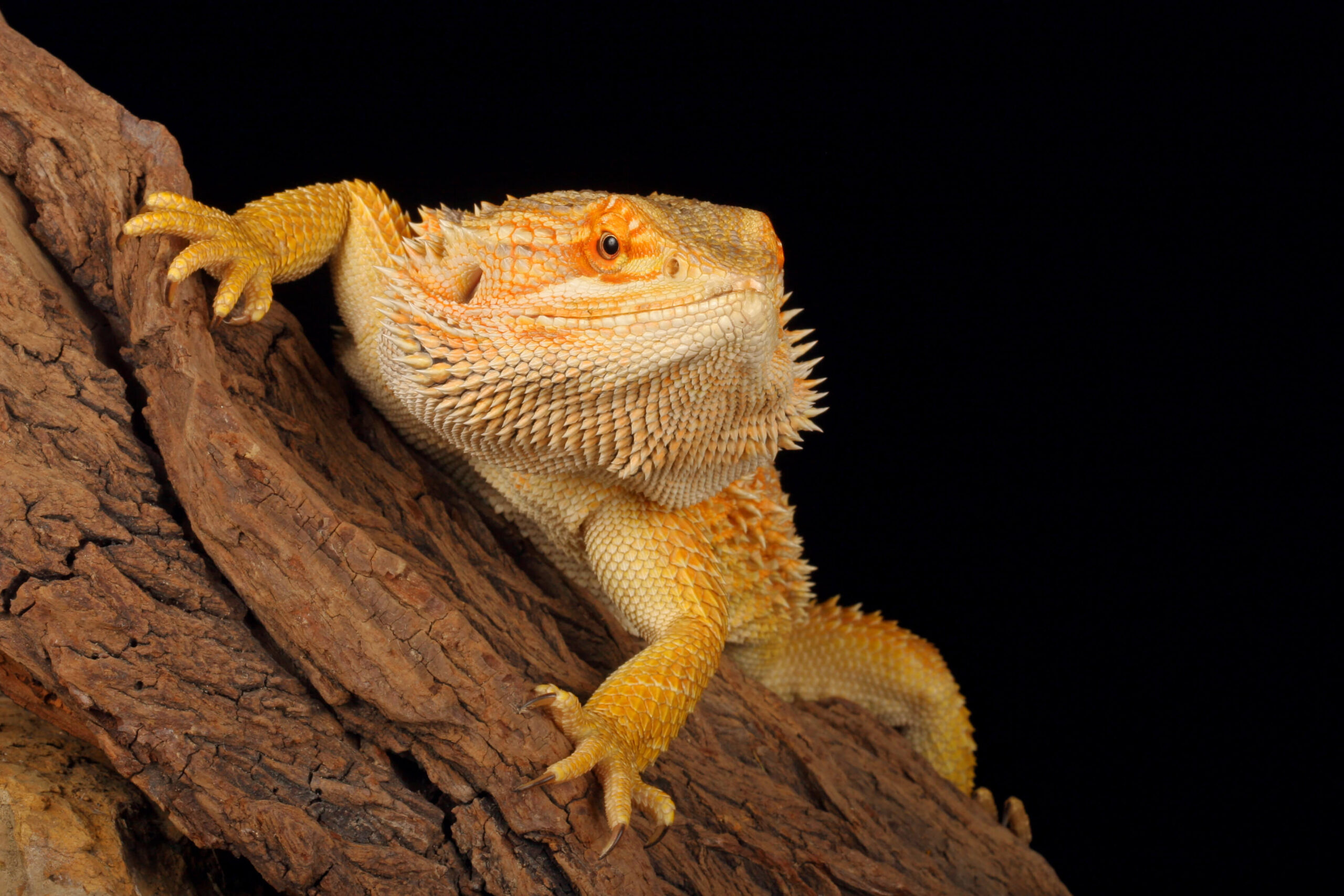
Bearded Dragon
(Pogona vitticeps)
ARTHROPODS:

Desert Millipede
(Orthoporus ornatus)
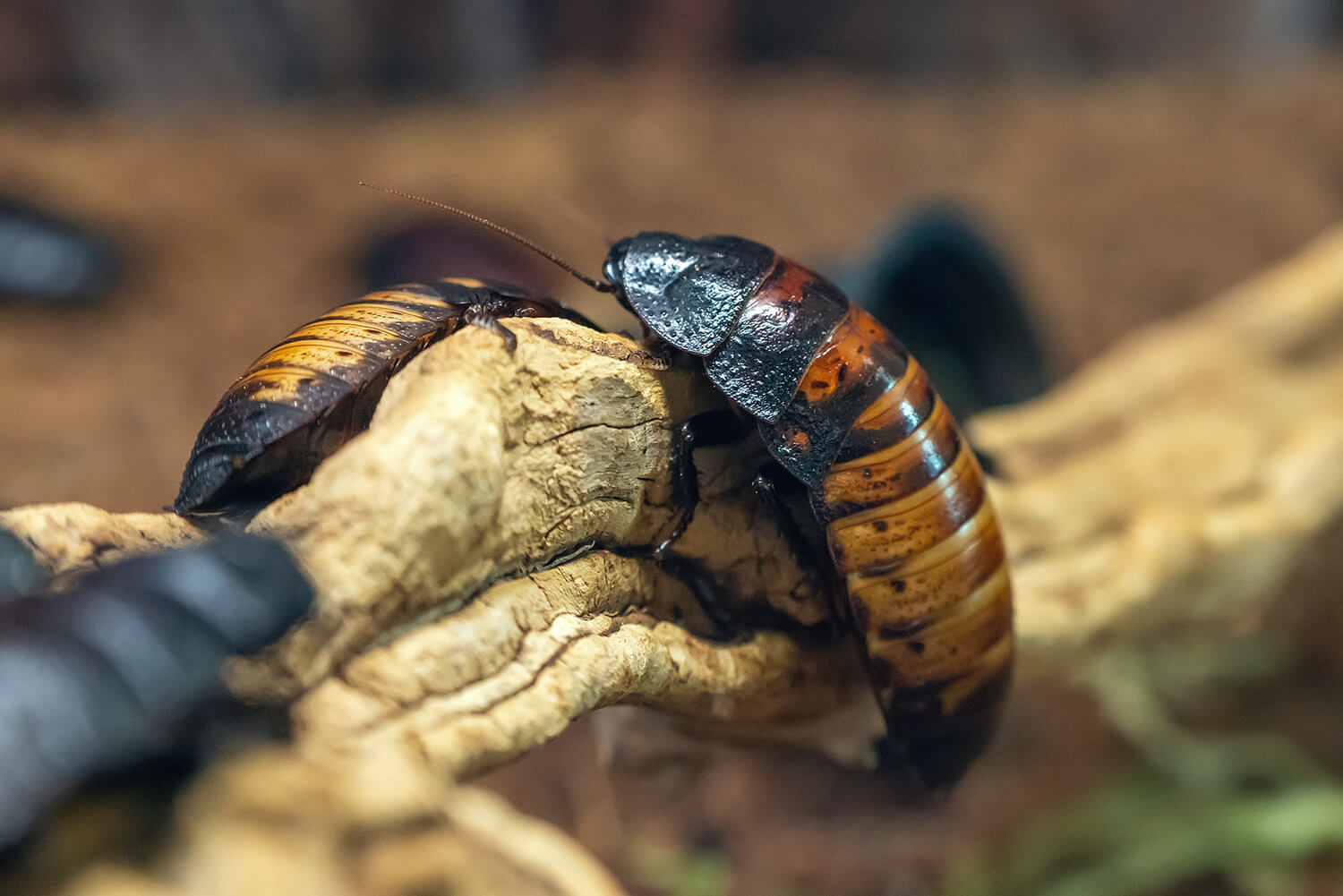
Madagascar Hissing Cockroach
(Gromphadorhina portentosa)
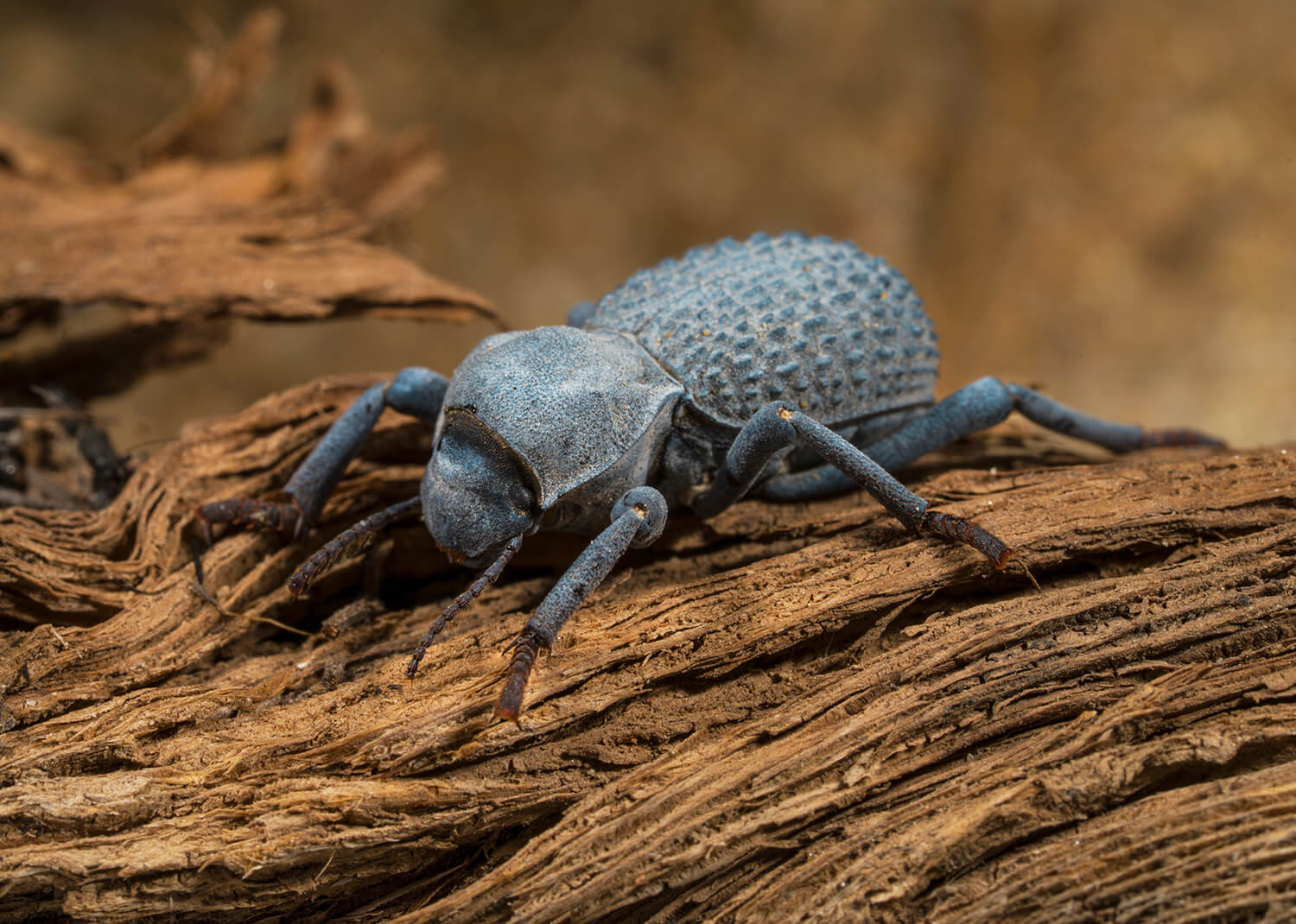
Blue Death Feigning Beetle
(Asbolus verrucosus)