
Three-toed Box Turtle
(Terrapene carolina triunguis)
“Mr. T”
Quick Facts:
Common Name: Three-toed Box Turtle
Scientific Name: Terrapene carolina triunguis
Native Range: South-central United States, including Missouri, Arkansas, Oklahoma, Louisiana, and parts of southern Illinois
Habitat: Moist woodlands, forest edges, meadows, and humid grasslands; prefers areas with loose soil and plenty of cover
Diet: Omnivorous—earthworms, slugs, insects, berries, mushrooms, flowers, and carrion
Conservation Status: Not federally listed; locally declining across much of its range due to habitat loss, road mortality, and collection
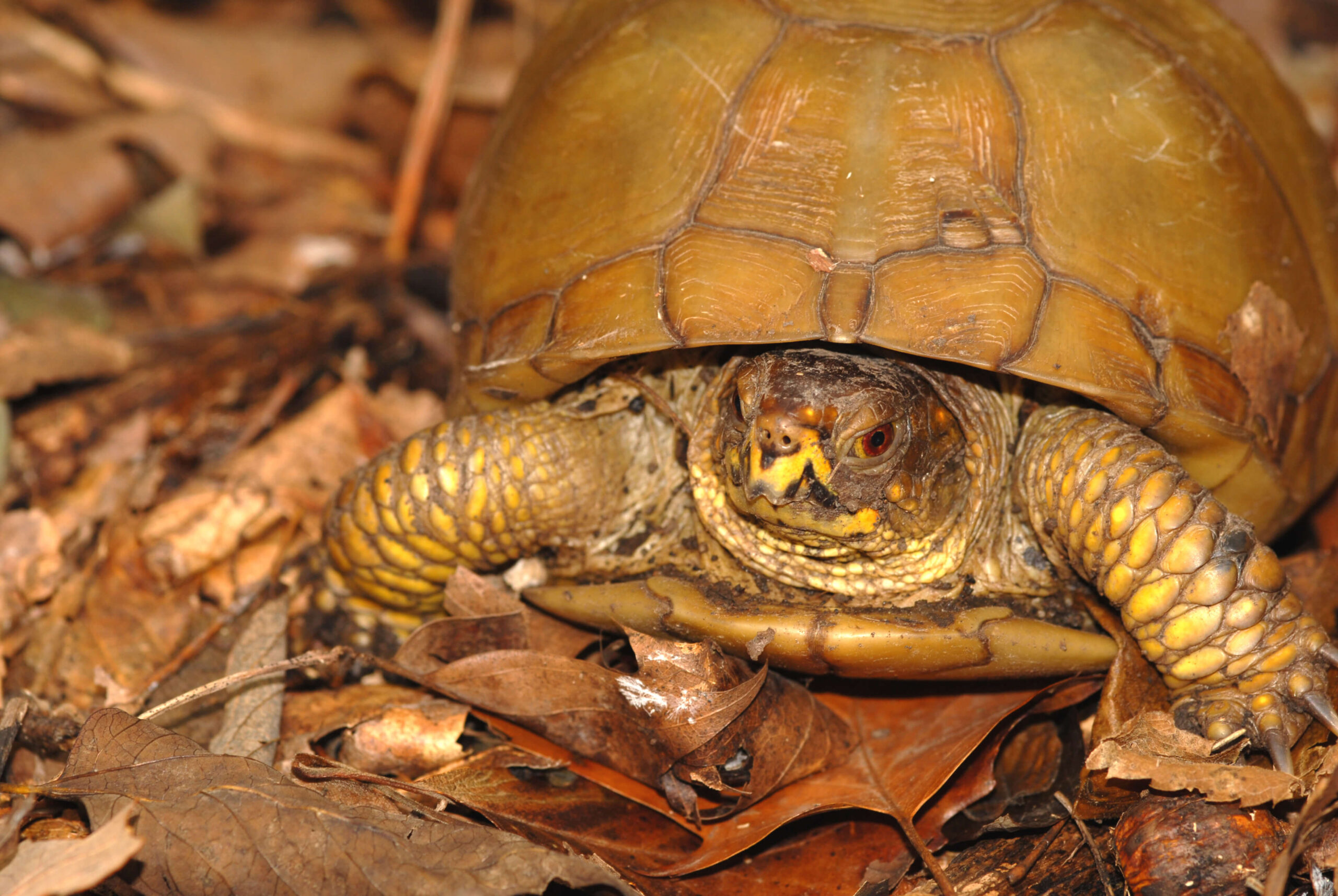
Meet Our Resident
Burpee’s Three-toed Box Turtle is in his 90’s and full of energy! He is a quick moving boy, and surprises guests who assume turtles are slow! Mr. T has a hinged shell that he can snap shut when he feels threatened.
Connections to the Museum
The Three-toed Box Turtle provides an important link to Burpee’s exhibits on ecological change and Illinois biodiversity. Though more common in the southern Midwest, it highlights the transitional habitats that shaped both modern species and the fossil reptiles featured in “Post-Ice Age Illinois.” Its hinged shell—allowing it to fully close itself for protection—also connects beautifully to discussions about evolutionary innovation and survival strategies.
Natural History & Behavior
Three-toed Box Turtles thrive in humid environments and rely on moisture to forage, digest, and regulate their body temperature. They are mostly terrestrial and may spend their lives within a small home range. These turtles are opportunistic feeders, consuming both animal and plant material depending on seasonal availability. During periods of high heat or drought, they may soak in shallow water or burrow under vegetation to maintain moisture.
Evolutionary Connections
Part of the Terrapene carolina complex, the Three-toed Box Turtle represents a lineage with fossil origins in the Miocene. Their hinged plastron—a defining adaptation—provides full enclosure from predators, a trait that appears in both modern and ancient turtle relatives in Burpee’s fossil collections. Their persistence across millions of years underscores the evolutionary success of protective shell morphology.
Wild Habitat & Distribution
Three-toed Box Turtles inhabit the humid forests, glades, and meadows of the south-central United States. They are frequently found near water sources, especially after rainfall when food is abundant. While occasional individuals may appear in southern Illinois, stable populations are centered farther south and west.
Conservation & Status
Though not federally endangered, this species is declining in many regions. Threats include habitat destruction, vehicle mortality, and illegal removal from the wild. Their slow reproductive rate and strong site fidelity mean that even small losses can impact local populations. Burpee’s individual serves as a reminder of the importance of forest preservation, ethical wildlife practices, and respect for native reptile habitats.
SNAKES:

Ball Python
(Python regius)
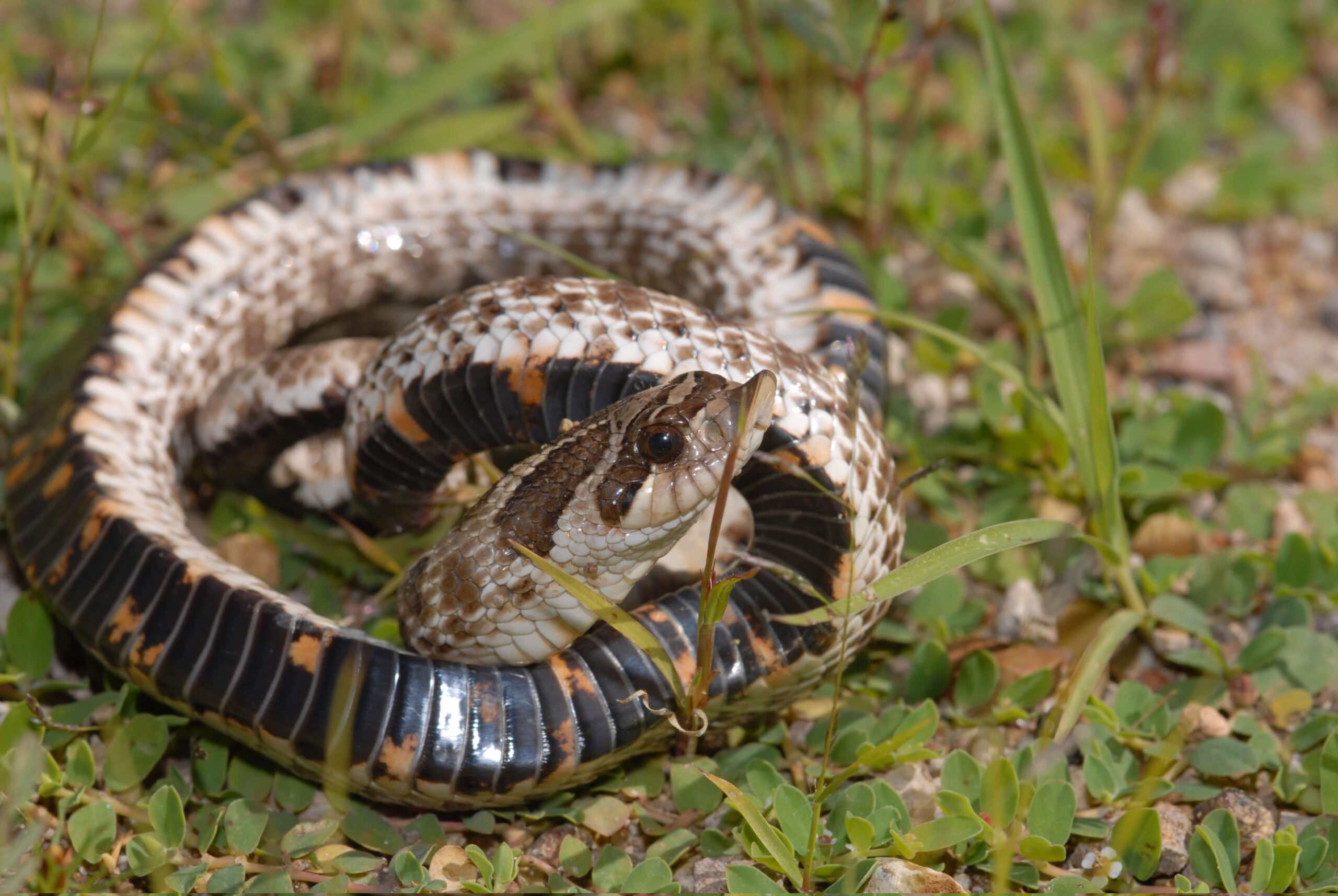
Western Hognose Snake
(Heterodon nasicus)
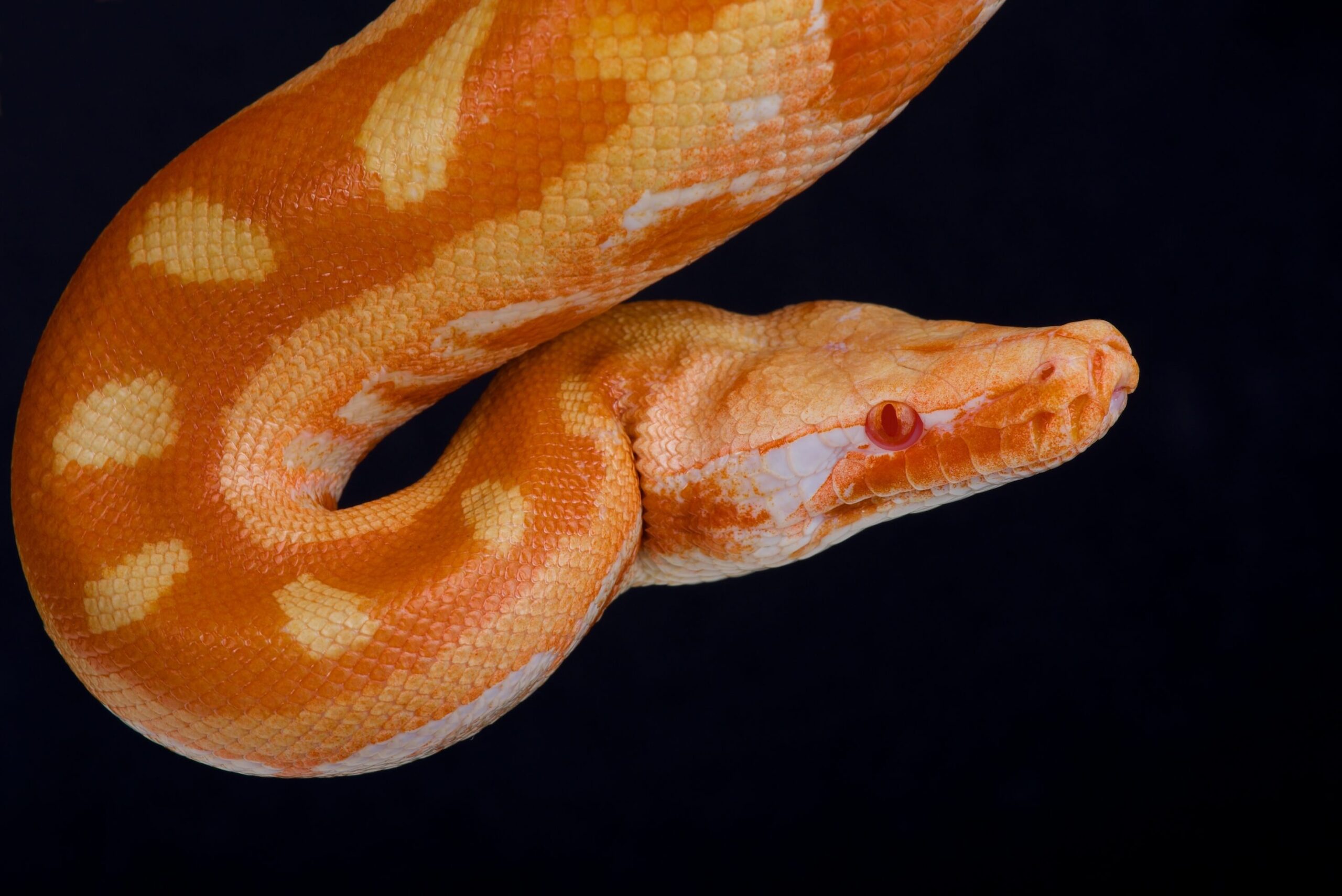
Blood Python
(Python brongersmai)
TURTLES:

Sulcata Tortoise
(Centrochelys sulcata)
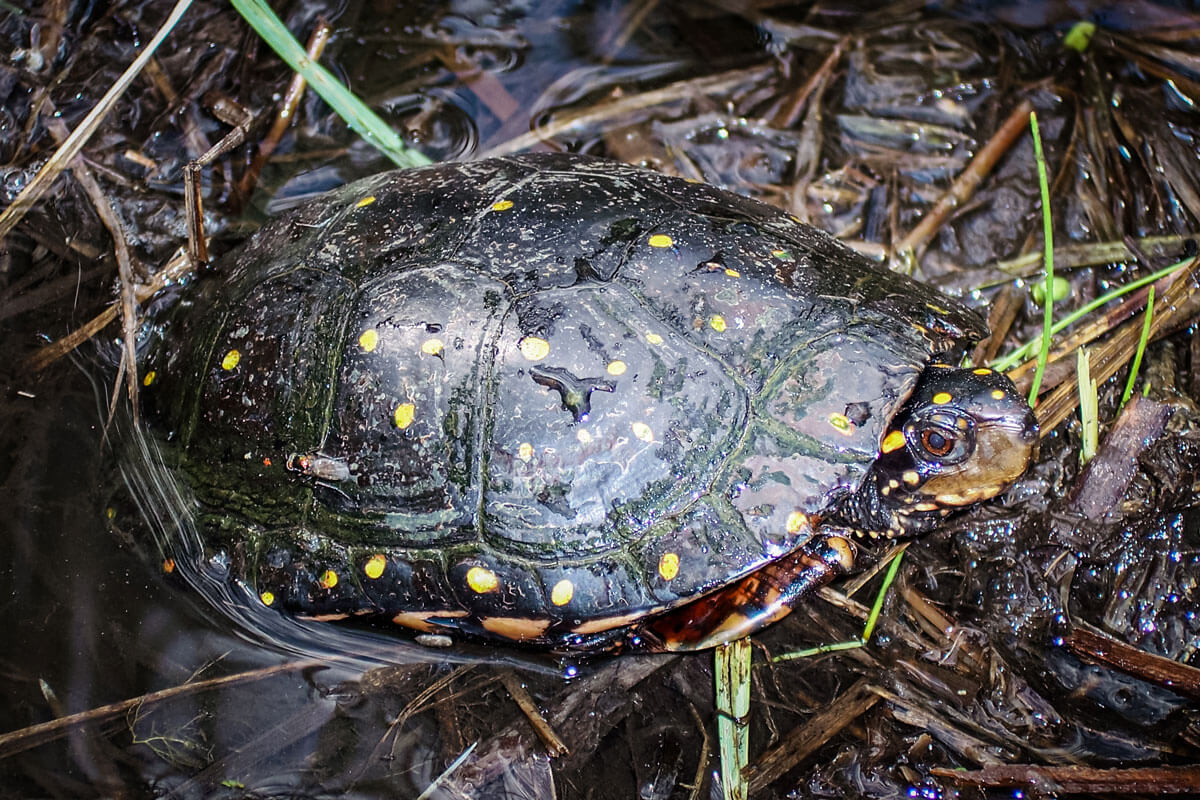
Spotted Turtle
(Clemmys guttata)

River Cooter
(Pseudemys concinna)
LIZARDS:
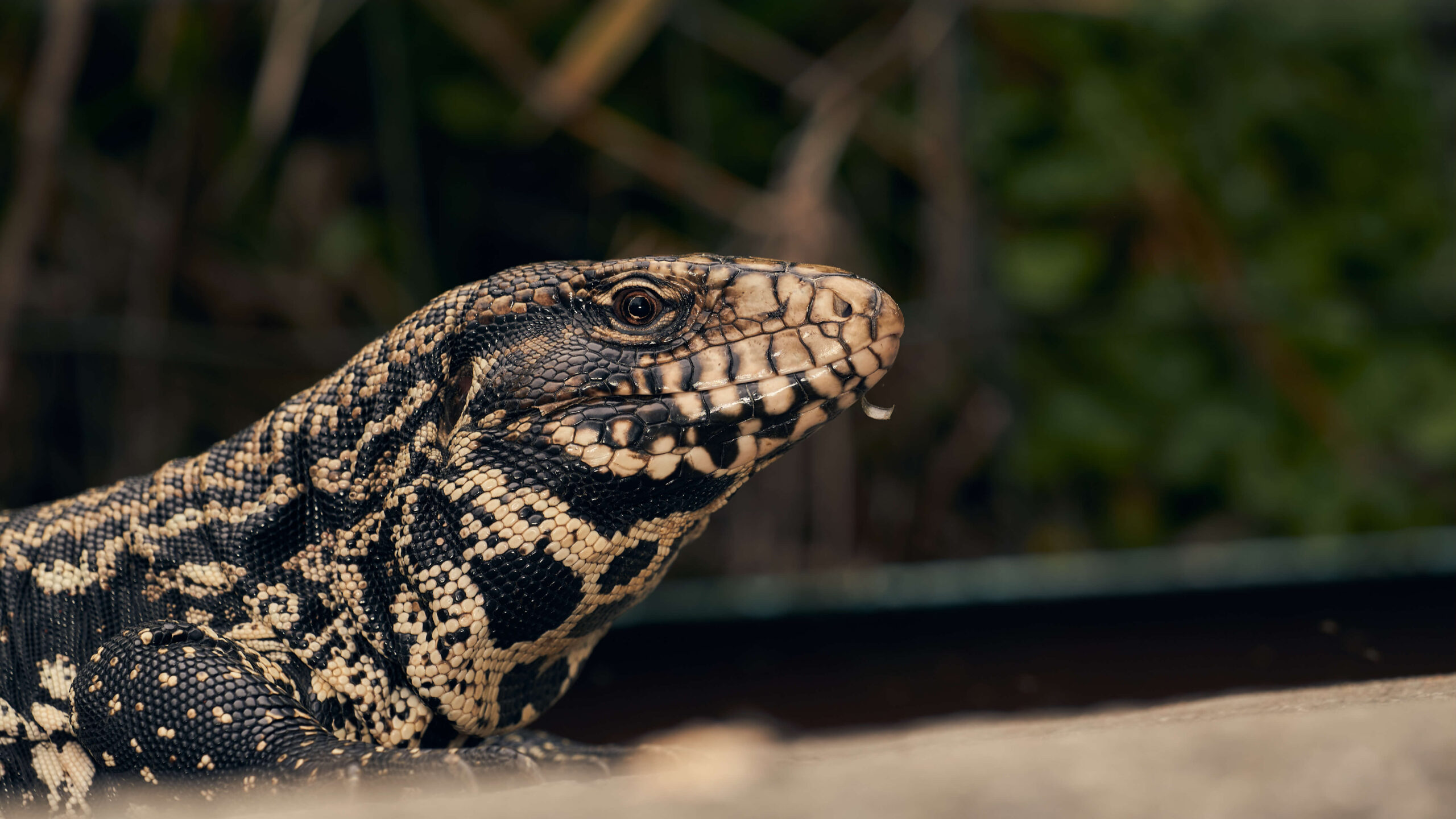
Argentine Tegu
(Salvator merianae)

Plated Lizard
(Gerrhosaurus major)
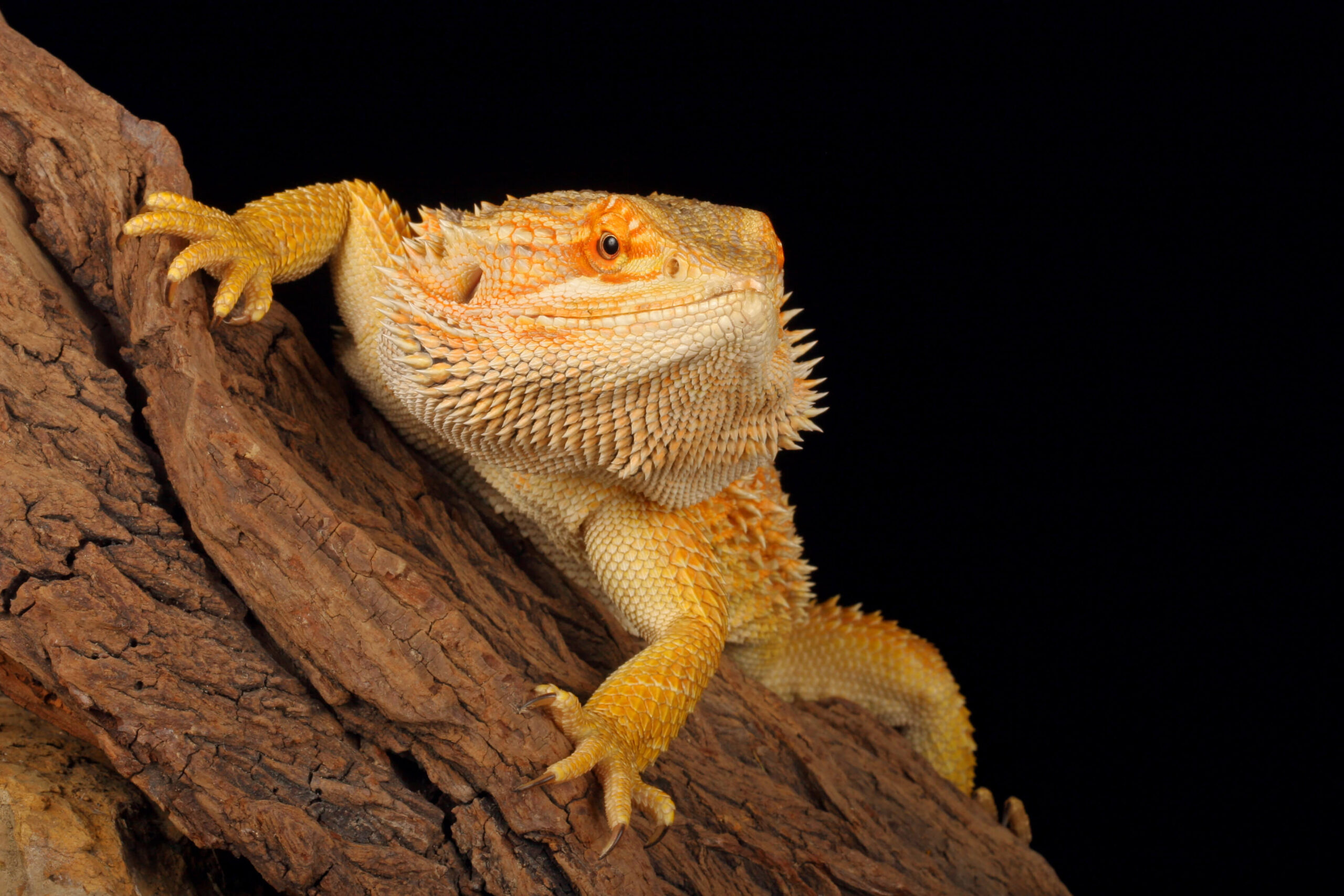
Bearded Dragon
(Pogona vitticeps)
ARTHROPODS:

Desert Millipede
(Orthoporus ornatus)
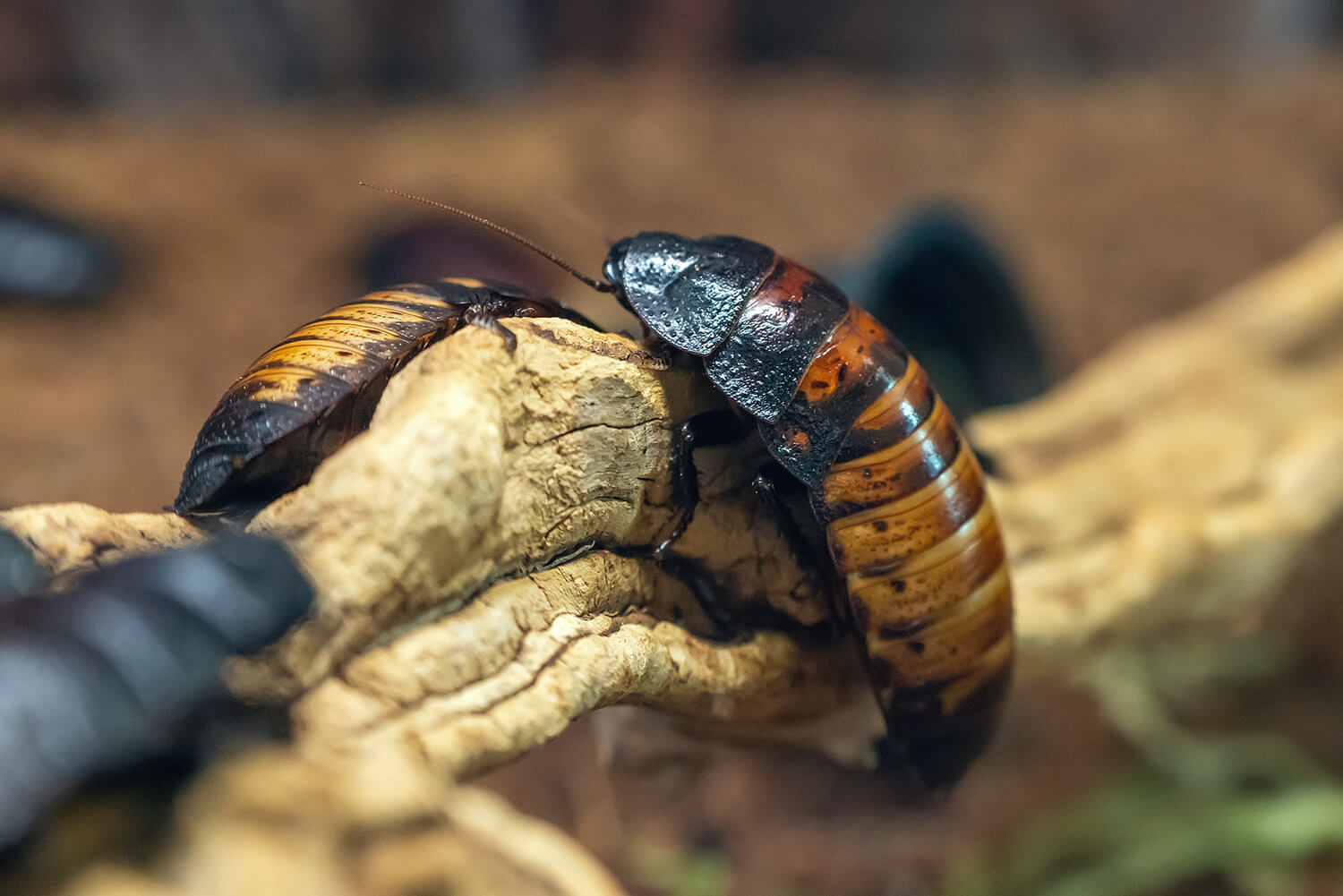
Madagascar Hissing Cockroach
(Gromphadorhina portentosa)
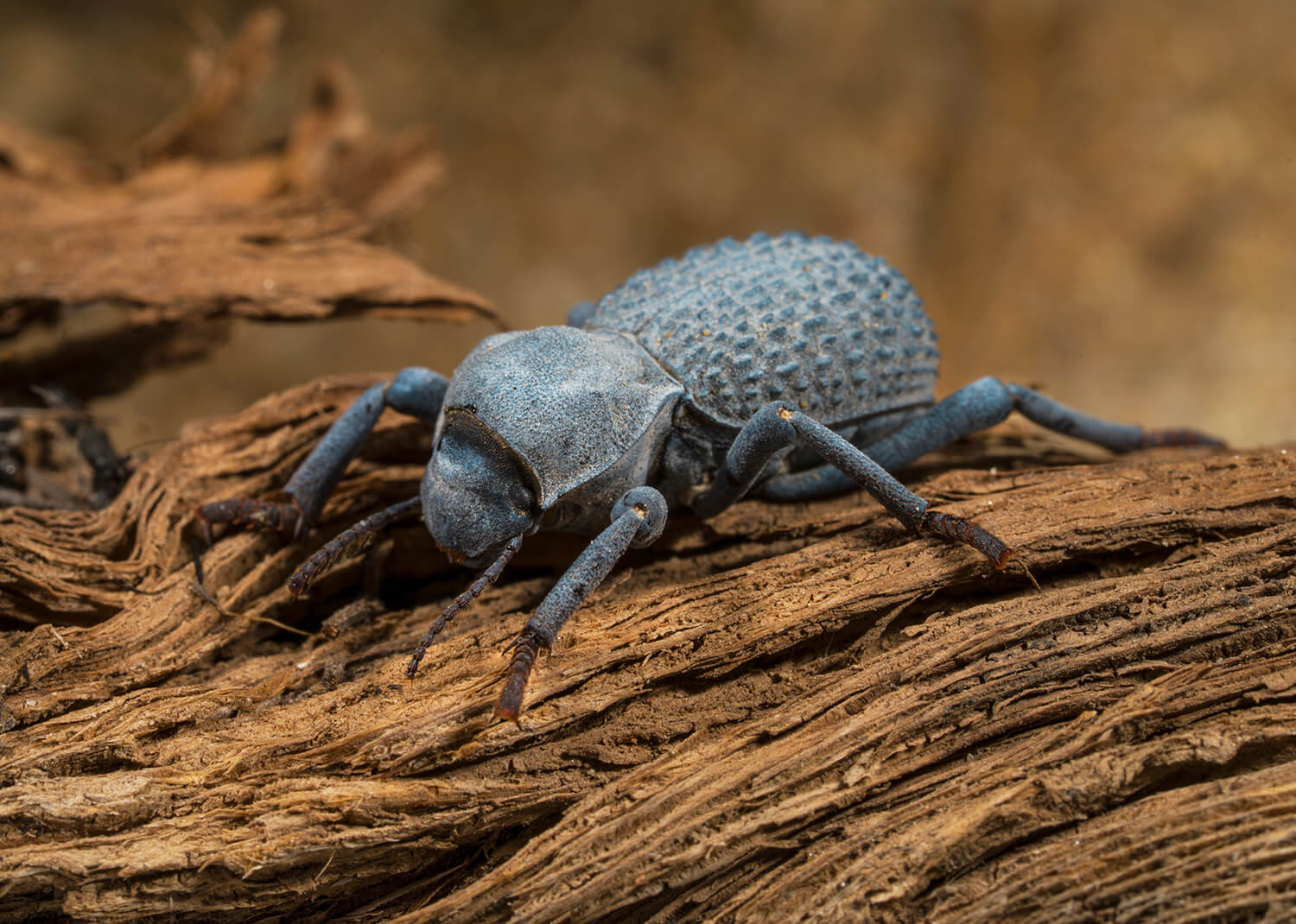
Blue Death Feigning Beetle
(Asbolus verrucosus)