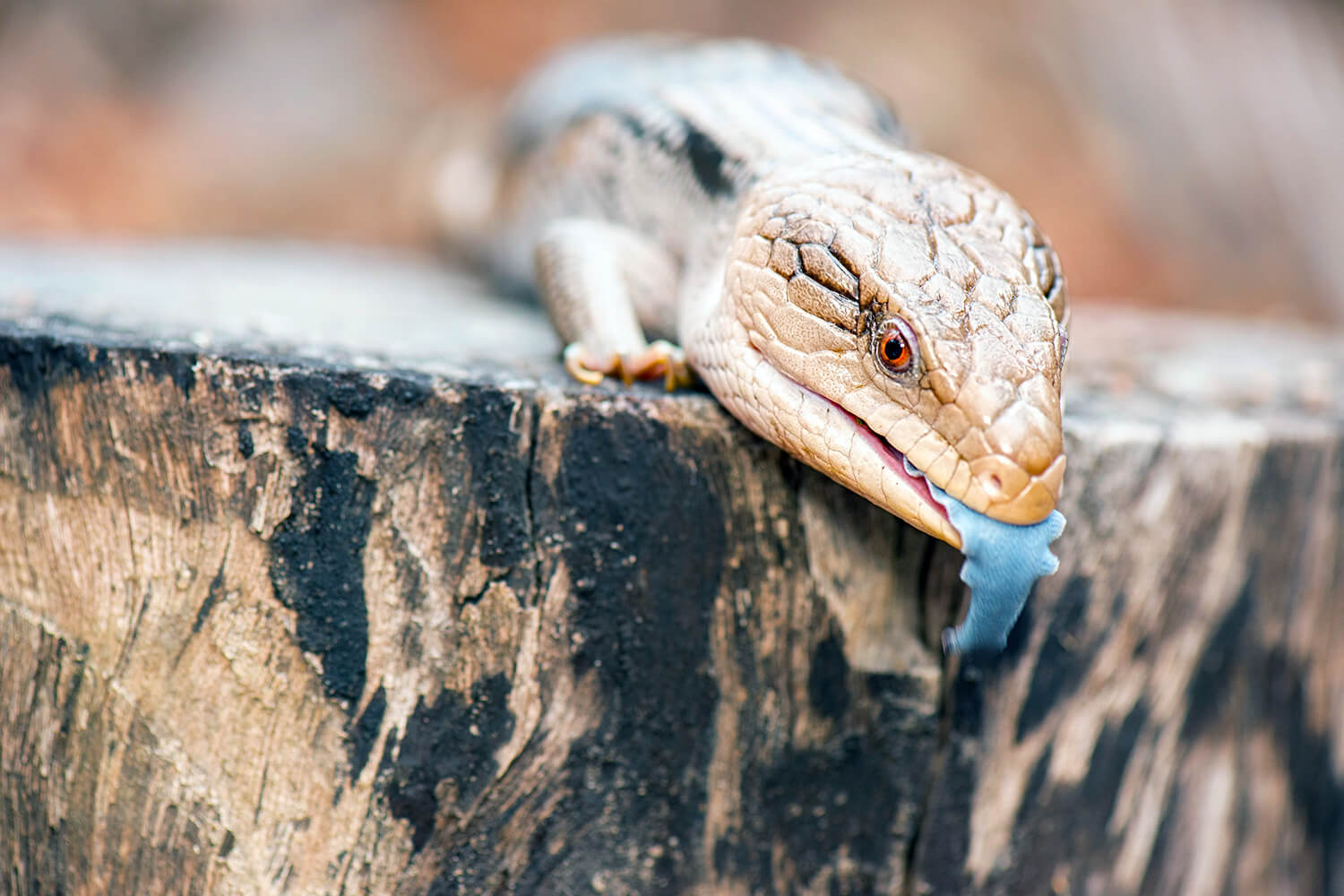
Blue-tongued Skink
(Tiliqua sp.)
“Jolly Rancher”
Quick Facts:
Common Name: Blue-tongued Skink
Scientific Name: Tiliqua sp.
Native Range: Australia and parts of New Guinea
Habitat: Open woodlands, scrub, and suburban gardens
Diet: Omnivorous—insects, snails, greens, flowers, fruit, and small vertebrates
Conservation Status: Not threatened; stable in managed care
Meet Our Resident
Jolly Rancher is Burpee’s personable blue-tongued skink, easily recognized by the vivid cobalt tongue flashed when startled or curious. This lizard was quarantined at Anne’s home for acclimation before joining the Conservation Corridor display. Calm and food-motivated, Jolly Rancher demonstrates positive interaction during educational programs.
Connections to the Museum
The skink connects Burpee visitors to the concept of defensive adaptation. Its bright tongue and slow, deliberate movements contrast sharply with the speed and aggression of many reptiles, showing another path evolution can take toward survival.
Natural History & Behavior
Blue-tongued skinks are ground-dwelling, slow-moving reptiles that use burrows and leaf litter for shelter. They are viviparous—giving live birth rather than laying eggs. Their broad diets and tolerance of human environments make them resilient survivors. When threatened, they puff up, hiss loudly, and display the blue tongue as a warning.
Evolutionary Connections
Part of the Scincidae family, skinks have one of the oldest continuous fossil records among lizards—over 100 million years. The defensive tongue coloration parallels warning displays in amphibians and birds, a classic example of aposematism evolving independently across taxa.
Wild Habitat & Distribution
Native across Australia and nearby islands, they occupy grasslands, dry forests, and even urban areas.
Conservation & Status
Stable overall but occasionally affected by habitat loss and pet collection. Jolly Rancher, a captive-bred individual, promotes responsible reptile stewardship and appreciation of Australia’s biodiversity.
SNAKES:

Ball Python
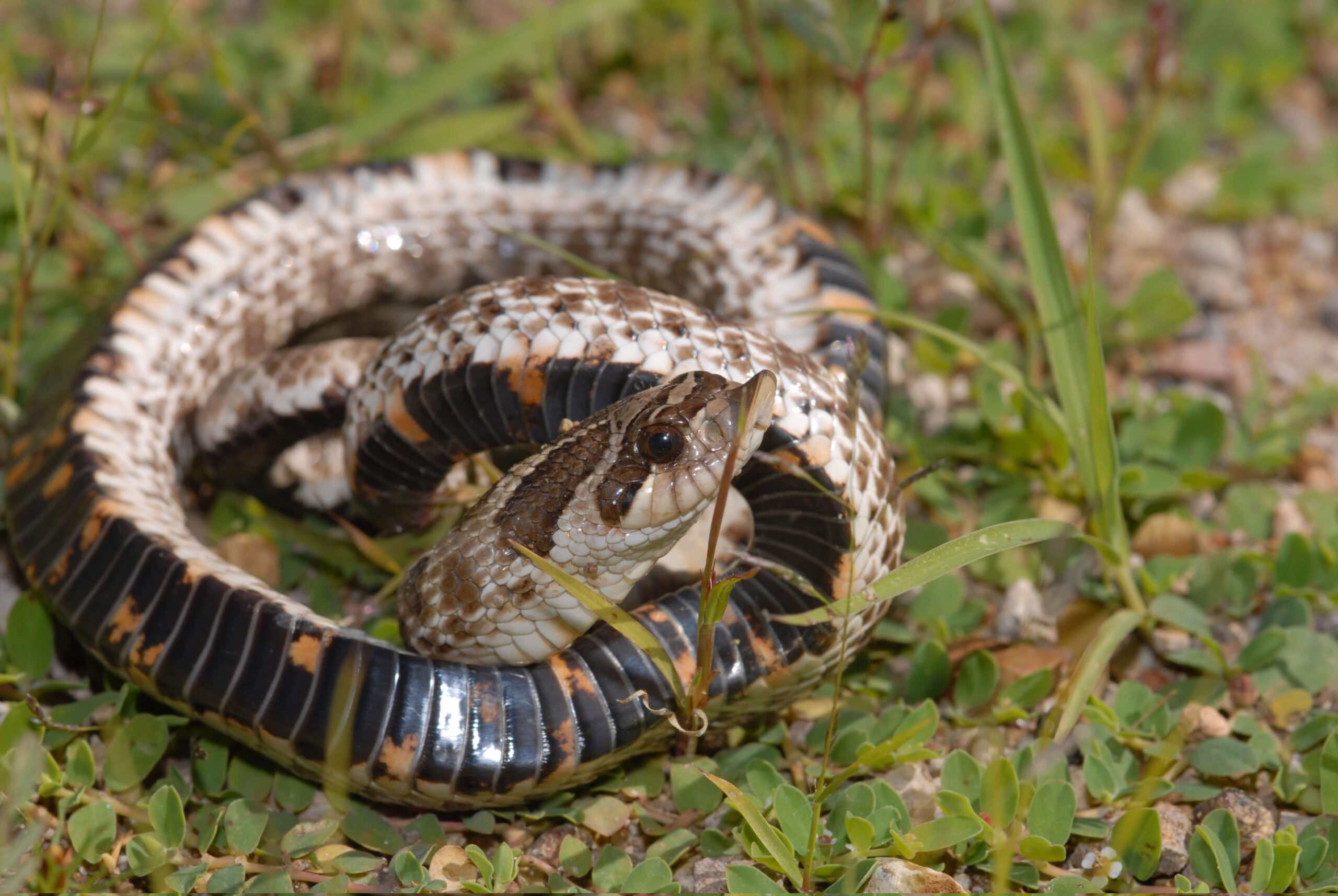
Western Hognose Snake
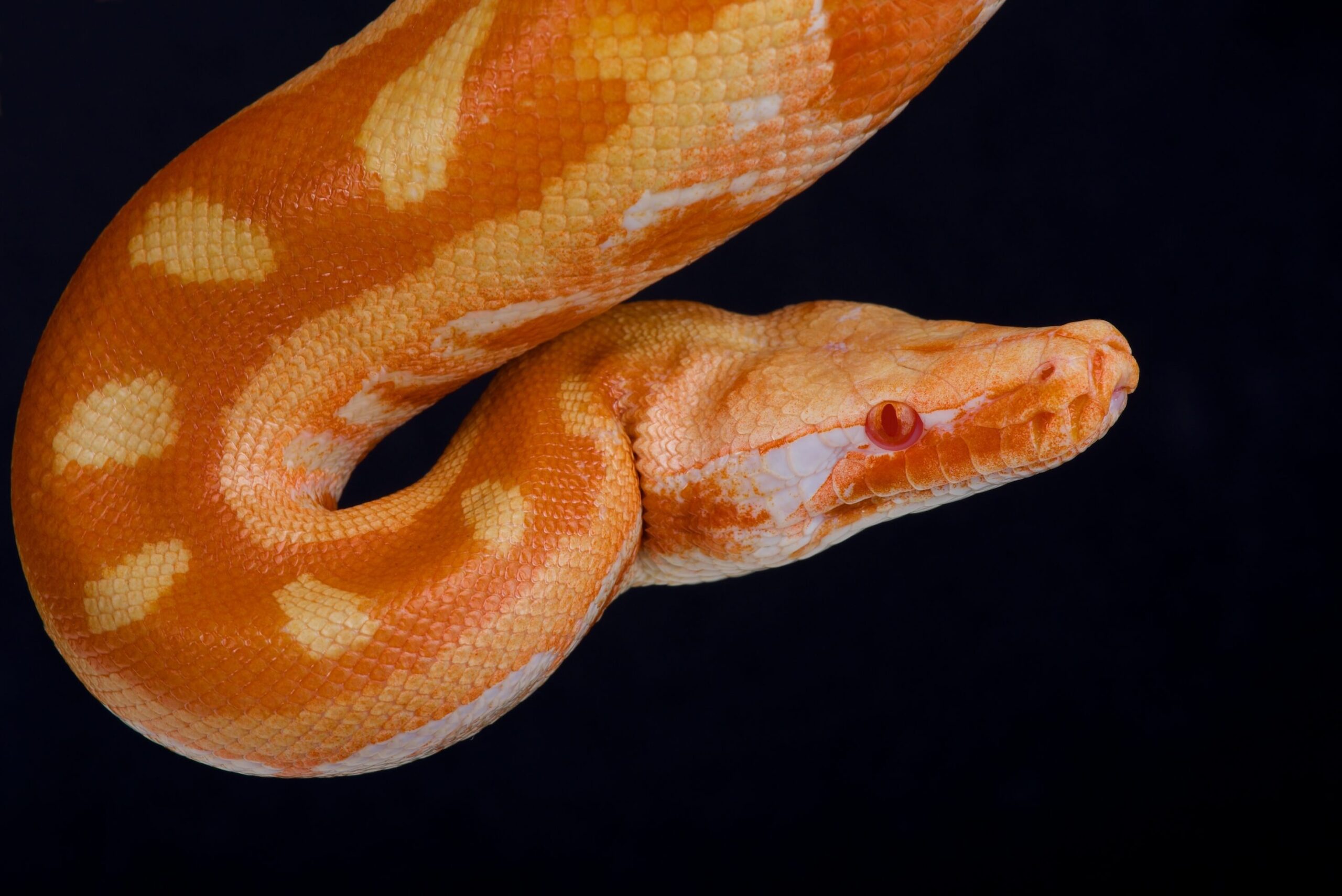
Blood Python
TURTLES:

Sulcata Tortoise
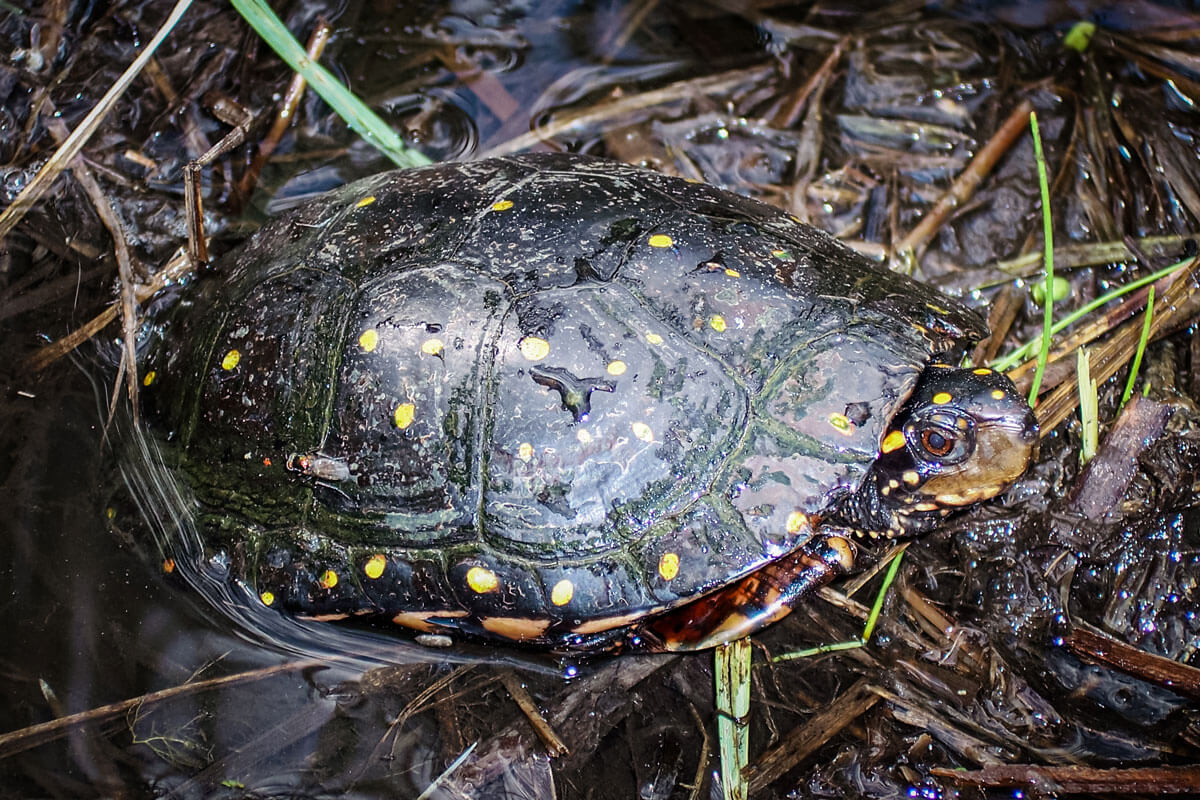
Spotted Turtle

River Cooter
LIZARDS:
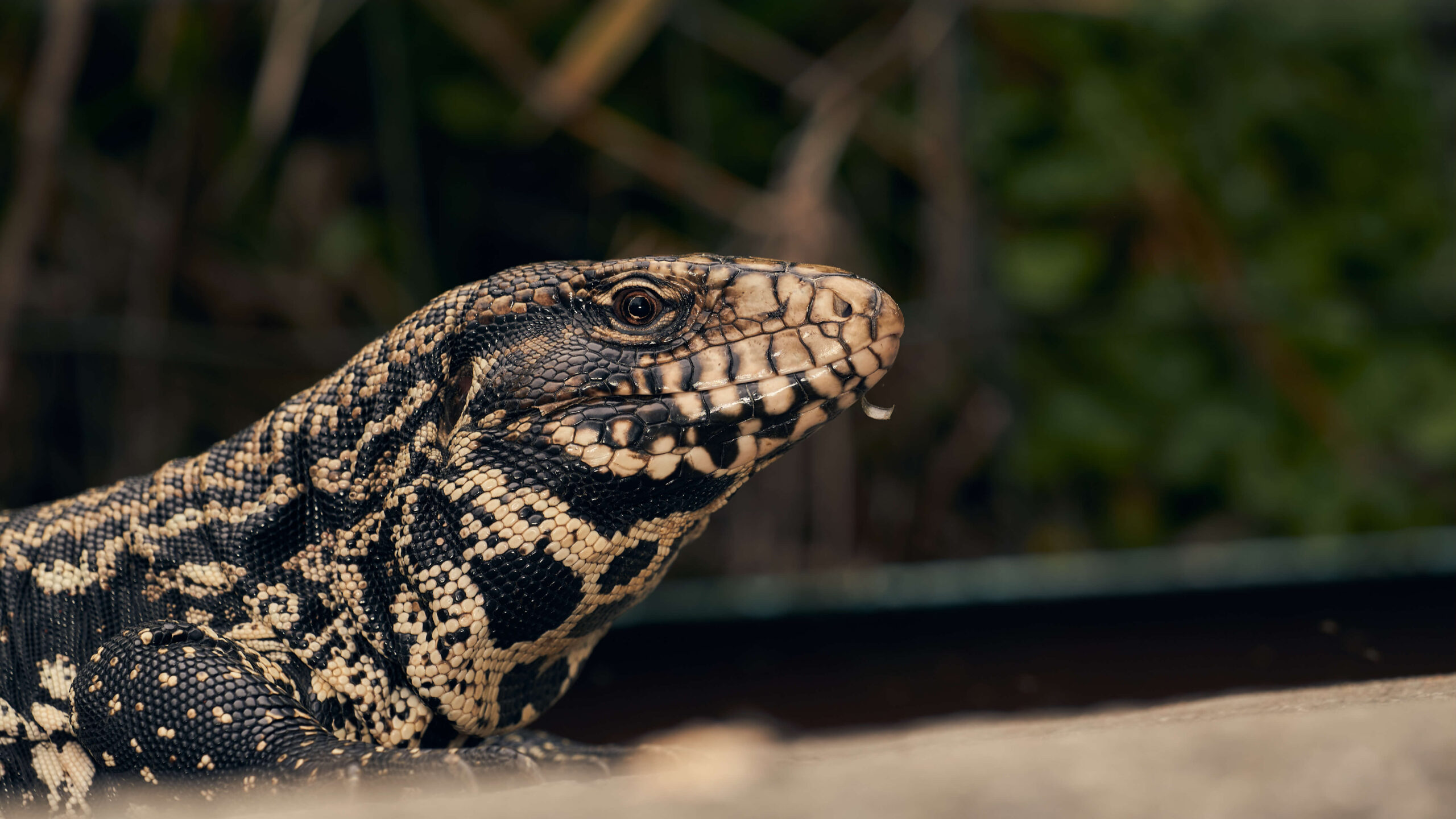
Argentine Tegu

Plated Lizard
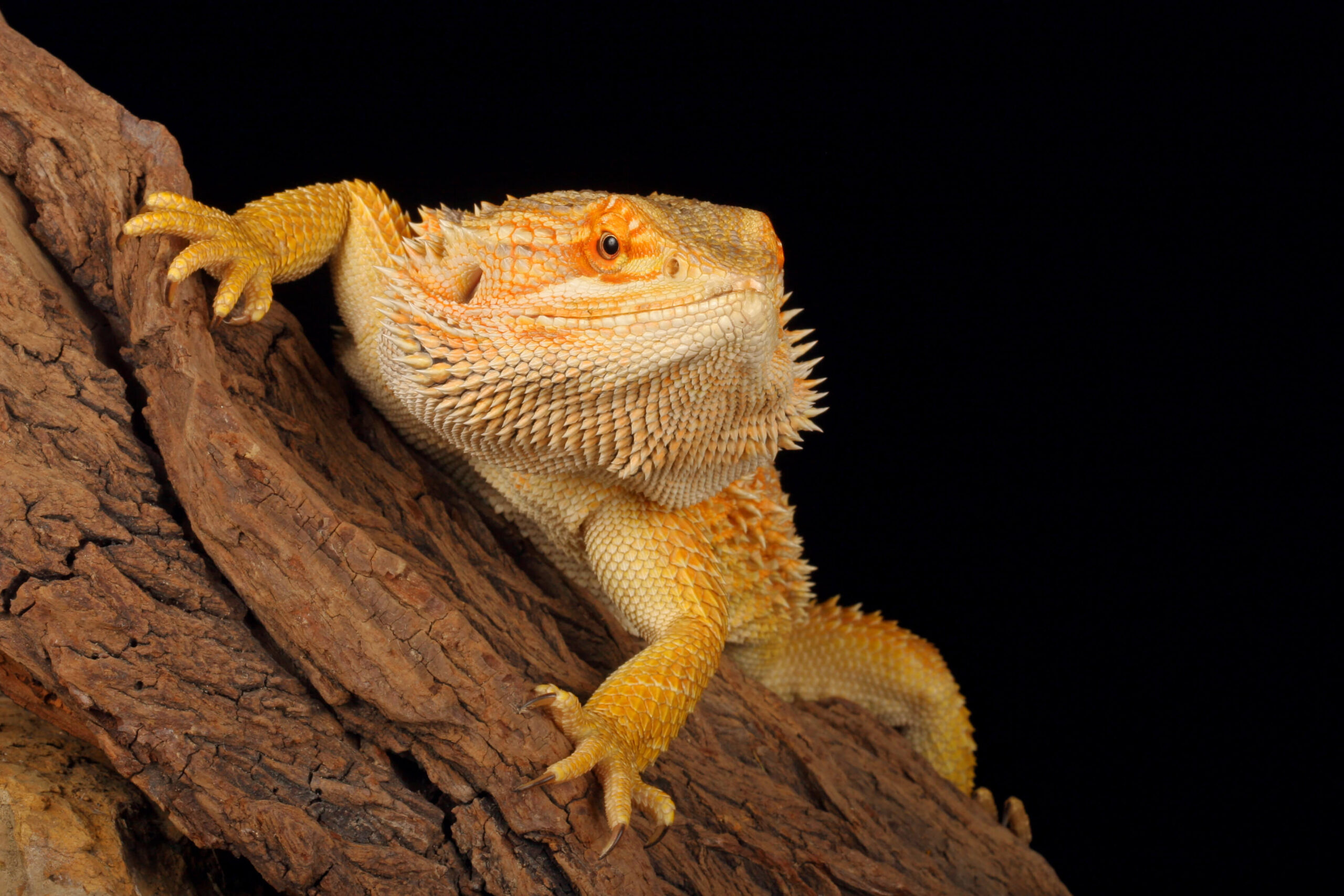
Bearded Dragon
ARTHROPODS:

Desert Millipede
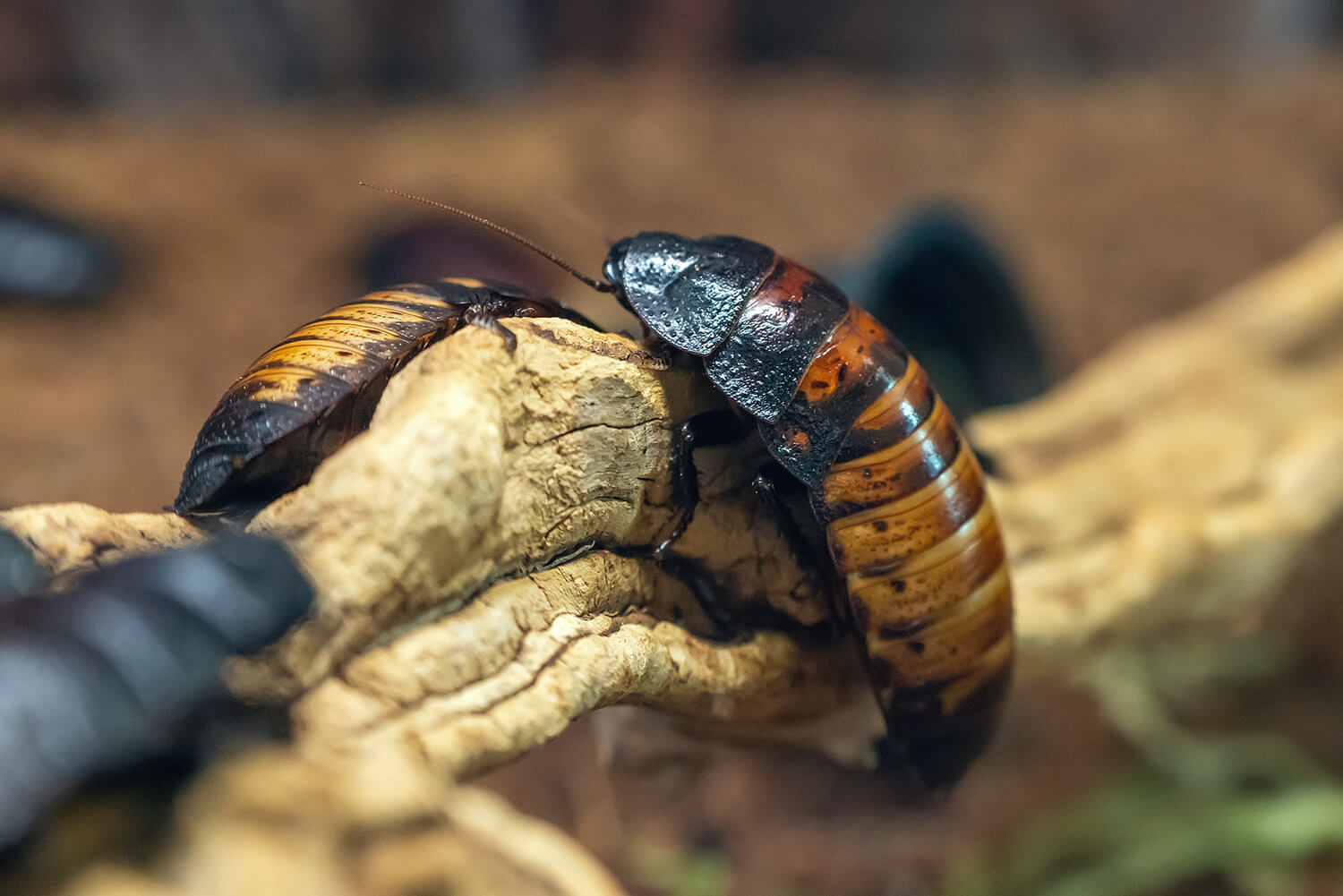
Madagascar Hissing Cockroach