
American Toad
(Anaxyrus americanus)
“Lumps”
Quick Facts:
Common Name: American Toad
Scientific Name: Anaxyrus americanus
Native Range: Eastern and central North America, including all of Illinois
Habitat: Forest edges, gardens, fields, and wetlands
Diet: Insectivorous—beetles, ants, worms, and slugs
Conservation Status: Stable throughout its range
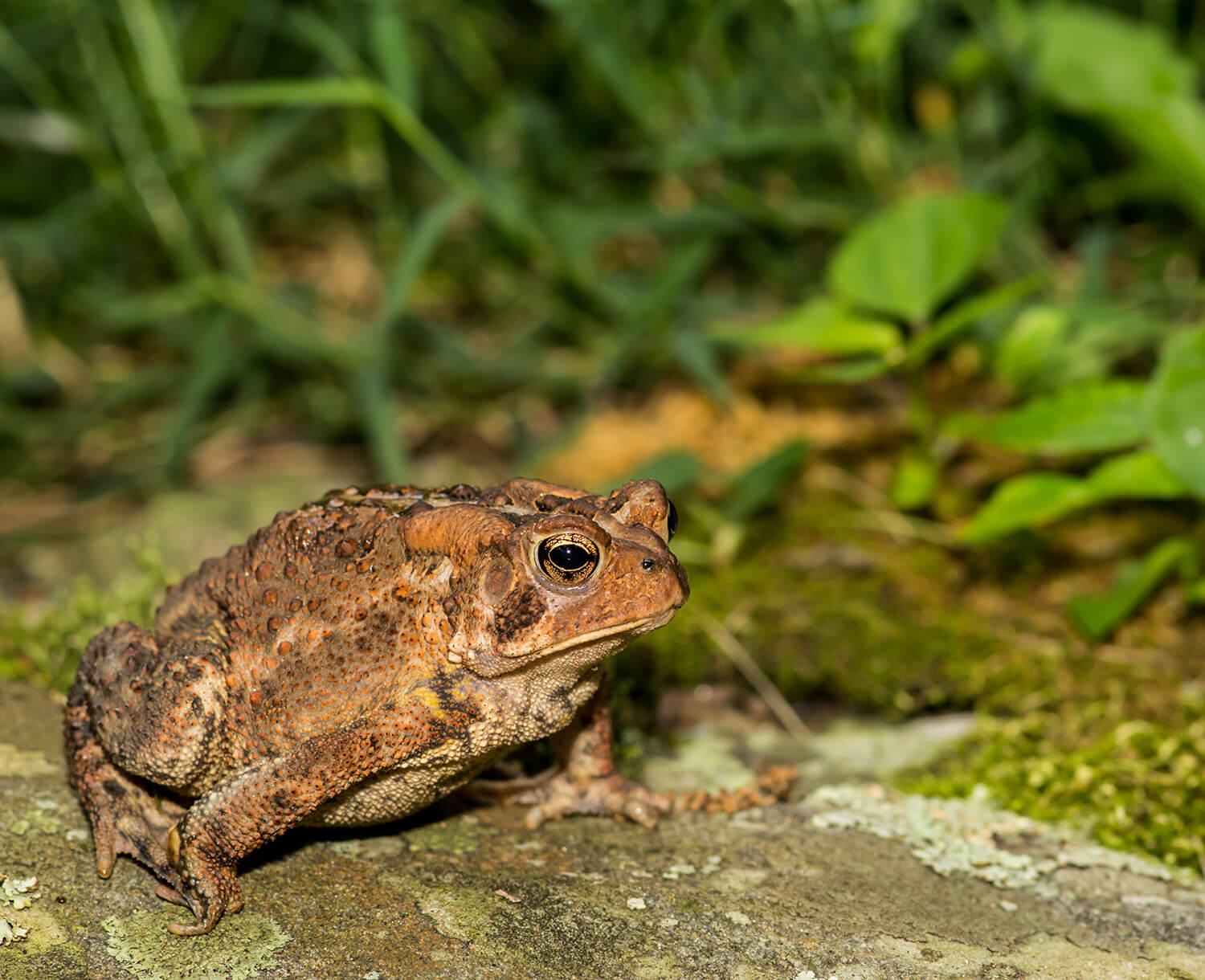
Meet Our Resident
Small, warty, and wonderfully vocal, Burpee’s American Toad represents the everyday wildlife many Illinois residents know but seldom notice. Its trilling call fills local ponds each spring, marking the rhythm of the Midwest seasons.
Connections to the Museum
The American Toad connects Burpee’s local ecology to the greater conservation message: protecting the small, familiar species that form the foundation of ecosystems. It also links to paleontological displays of early amphibians from the Carboniferous forests of Illinois—the dawn of terrestrial vertebrates.
Natural History & Behavior
American Toads spend most of their lives on land but return to water to breed. They secrete mild toxins for defense and rely on camouflage to avoid predators. Their diet helps control insect populations, making them vital to human-adjacent ecosystems.
Evolutionary Connections
Modern toads retain many traits of their Carboniferous ancestors, including permeable skin and reliance on moist environments for reproduction. Their evolutionary persistence mirrors the stability of amphibian design over 300 million years.
Wild Habitat & Distribution
Widespread across North America, thriving anywhere with moisture and soil for burrowing.
Conservation & Status
Populations are stable, though sensitive to pollution and pesticide use. Burpee’s American Toad helps teach visitors about amphibians as ecological indicators of water and soil health.
SNAKES:

Ball Python
(Python regius)
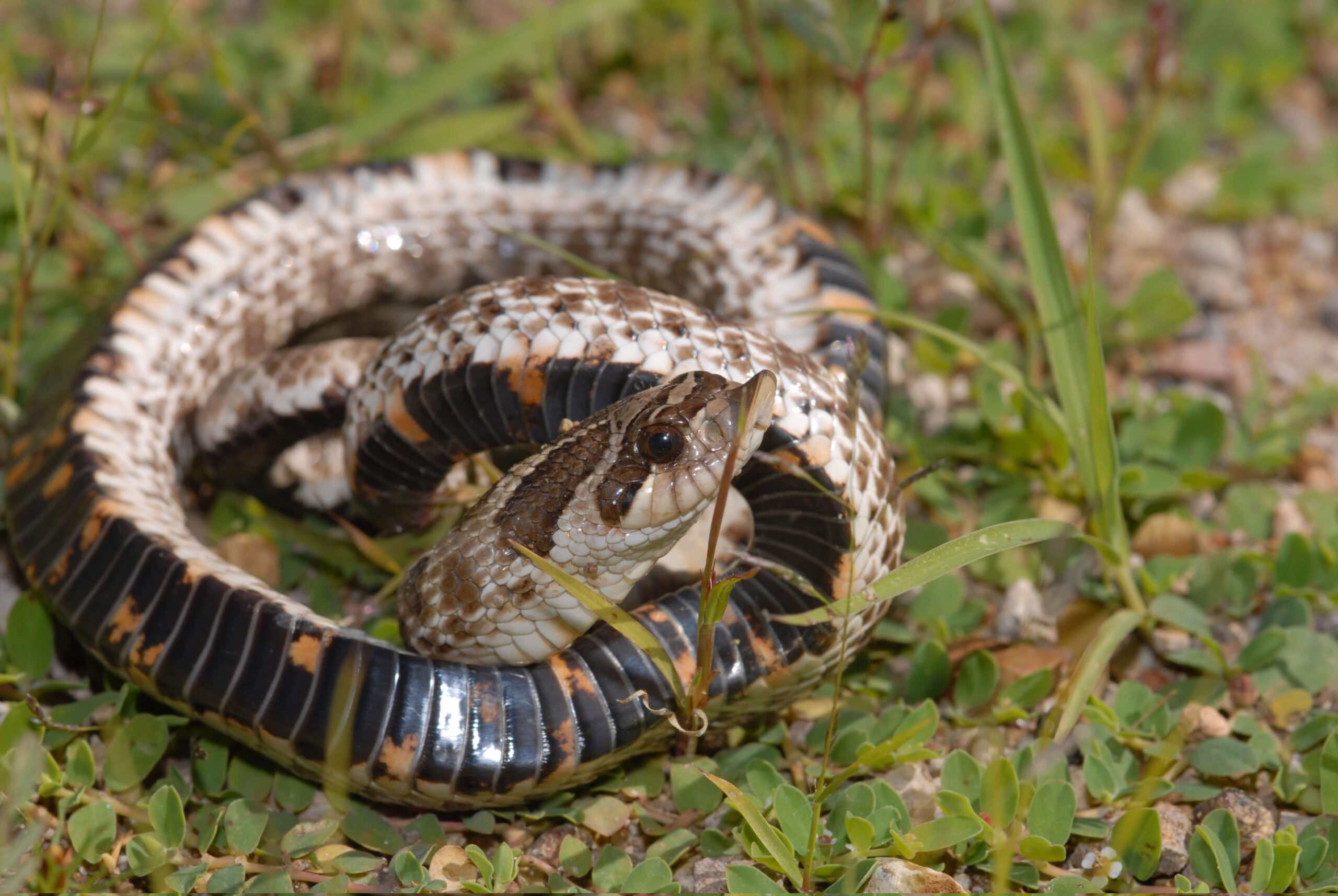
Western Hognose Snake
(Heterodon nasicus)
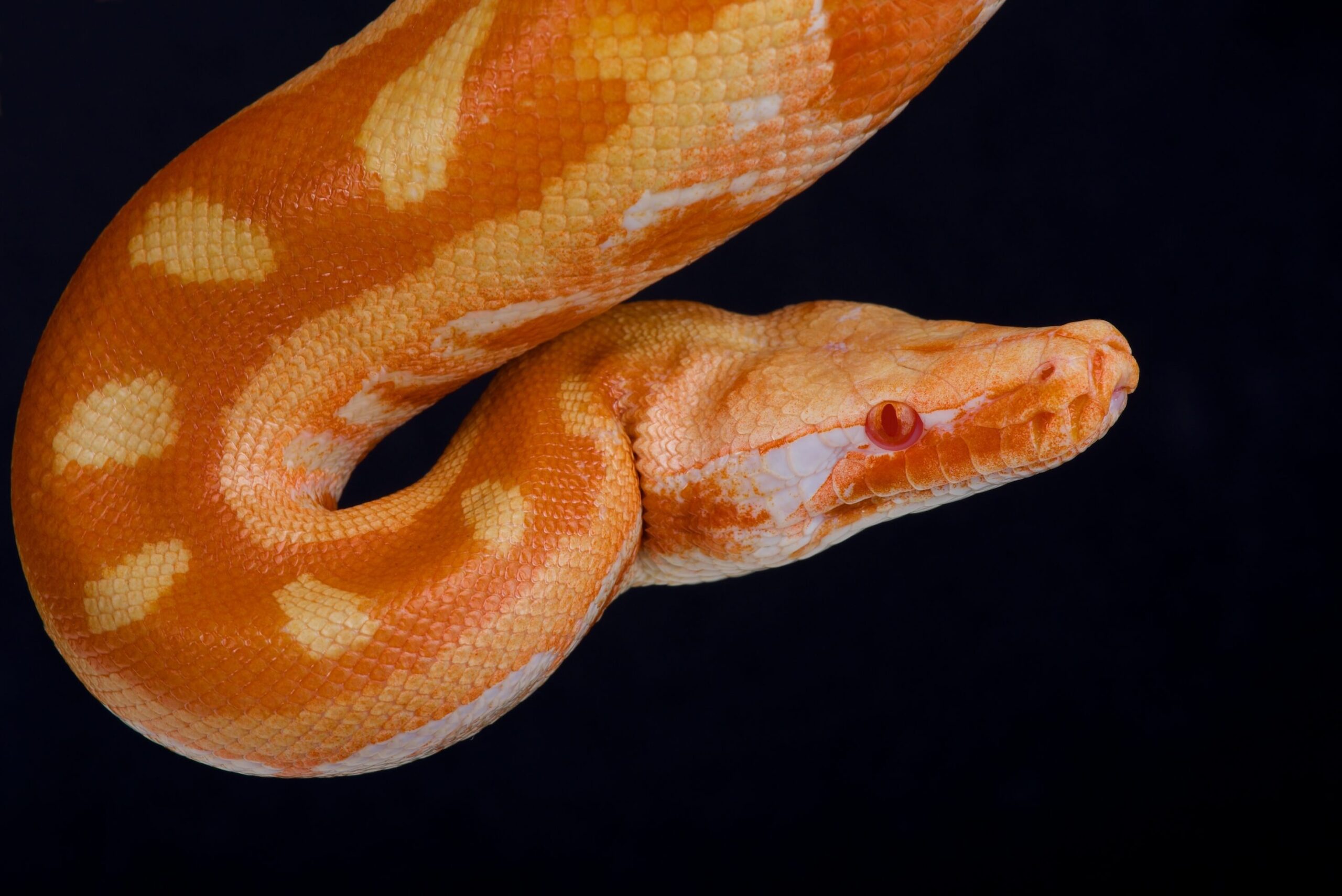
Blood Python
(Python brongersmai)
TURTLES:

Sulcata Tortoise
(Centrochelys sulcata)
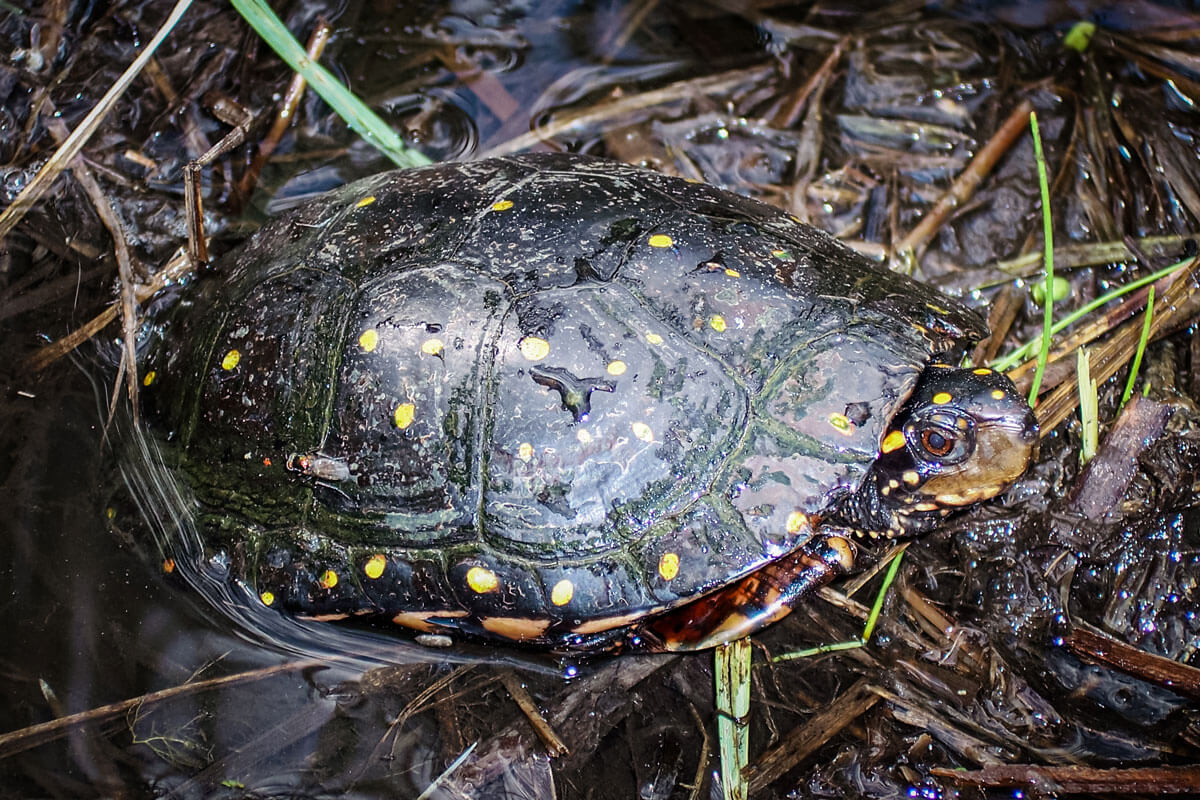
Spotted Turtle
(Clemmys guttata)

River Cooter
(Pseudemys concinna)
LIZARDS:
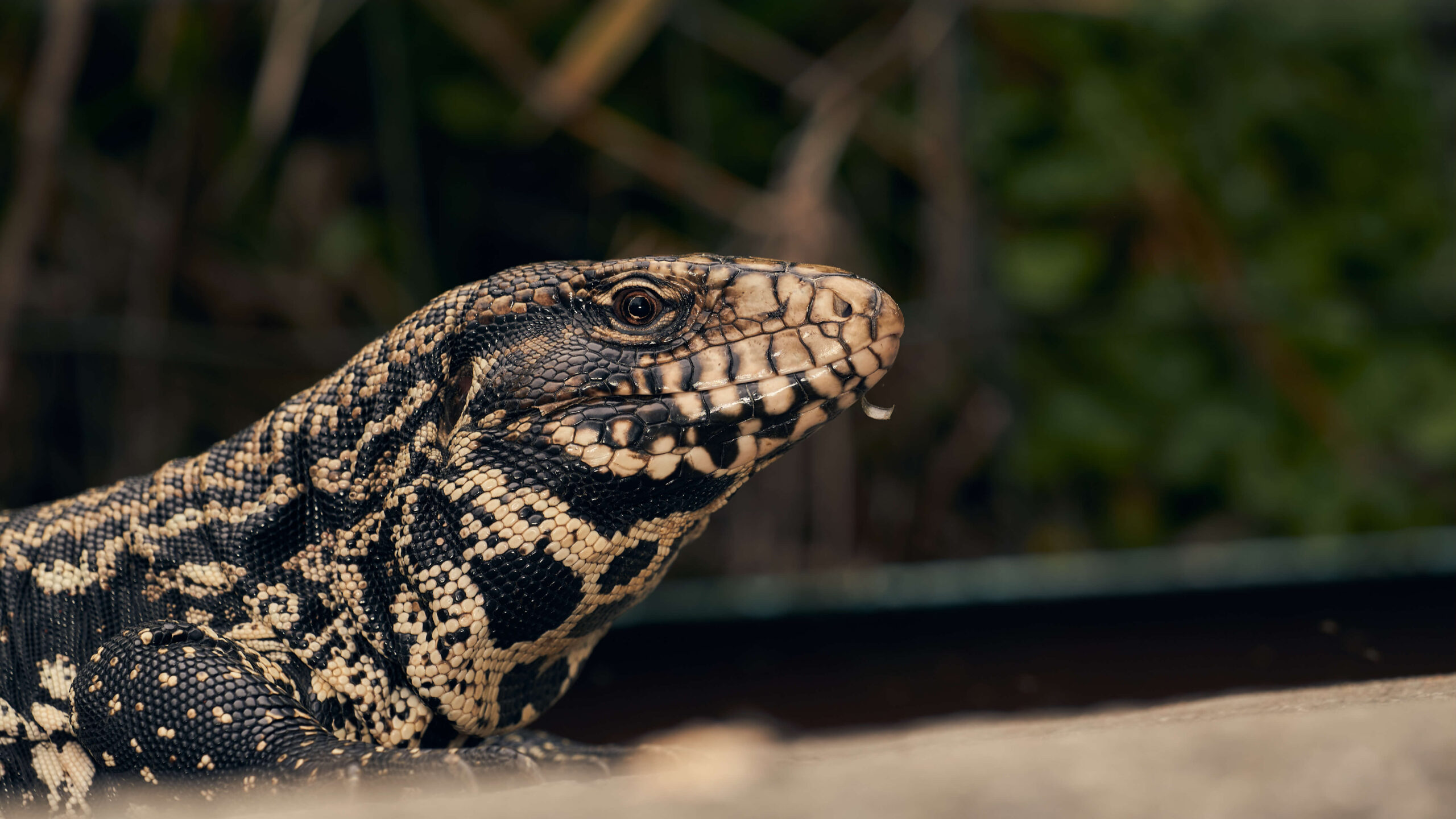
Argentine Tegu
(Salvator merianae)

Plated Lizard
(Gerrhosaurus major)
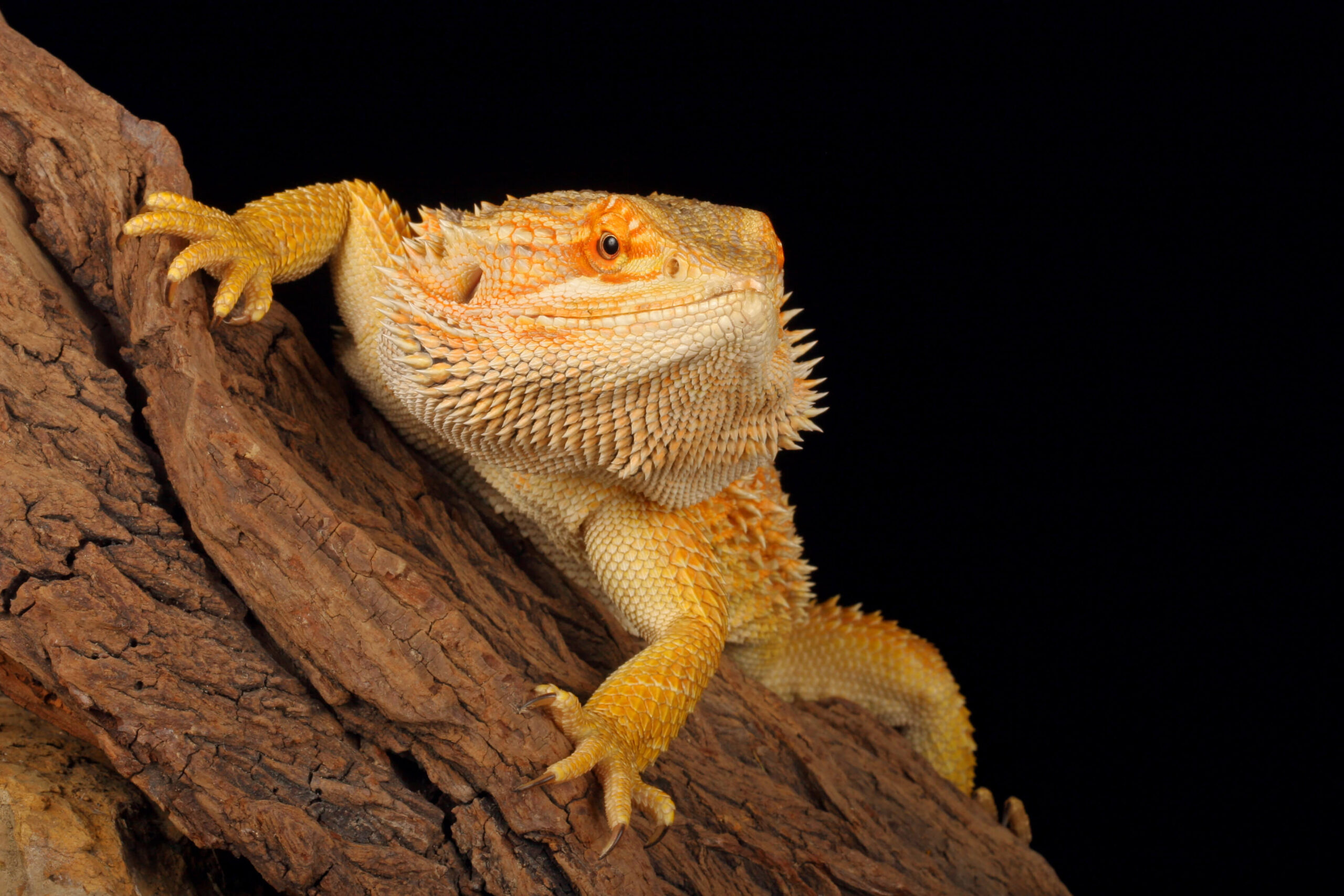
Bearded Dragon
(Pogona vitticeps)
ARTHROPODS:

Desert Millipede
(Orthoporus ornatus)
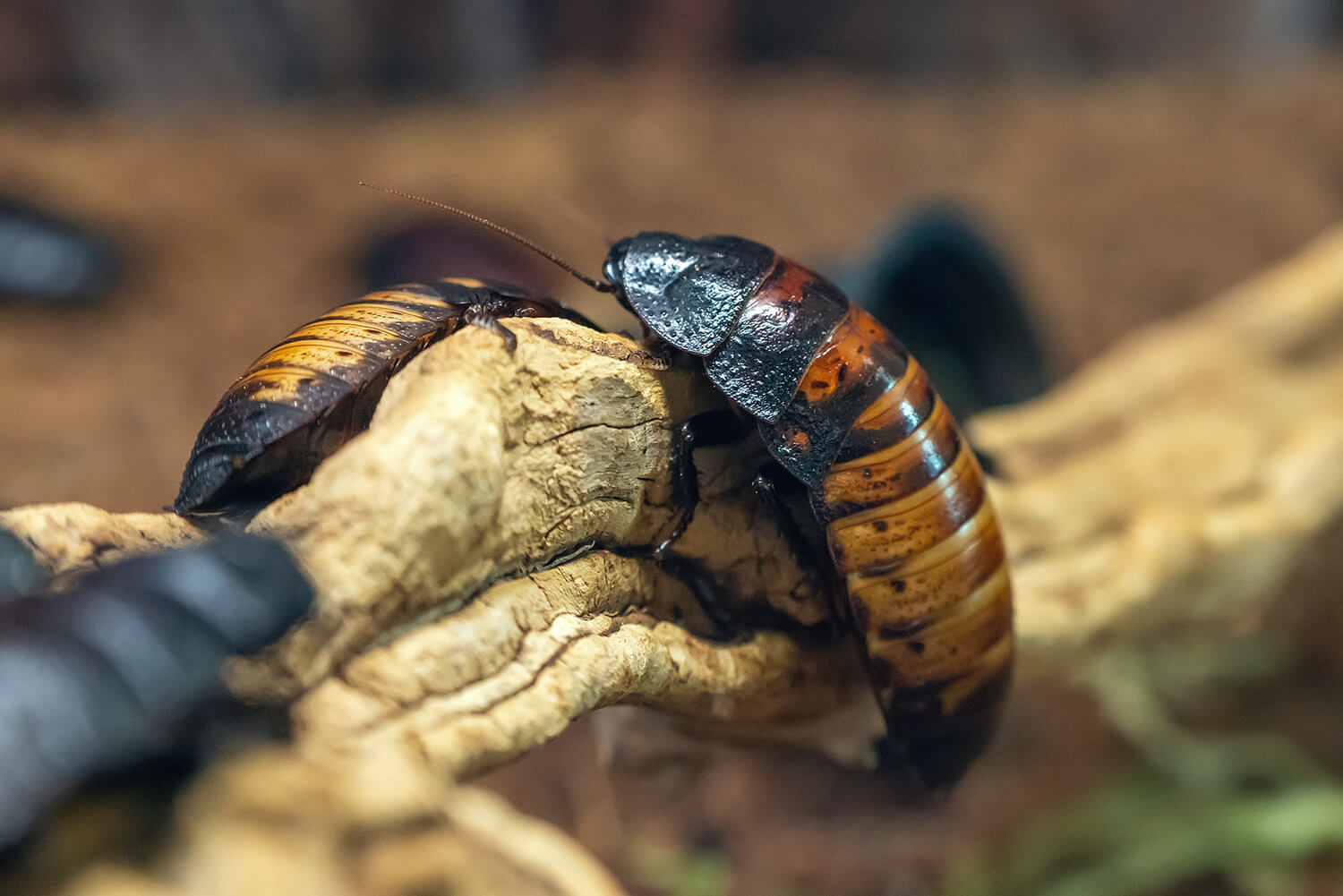
Madagascar Hissing Cockroach
(Gromphadorhina portentosa)
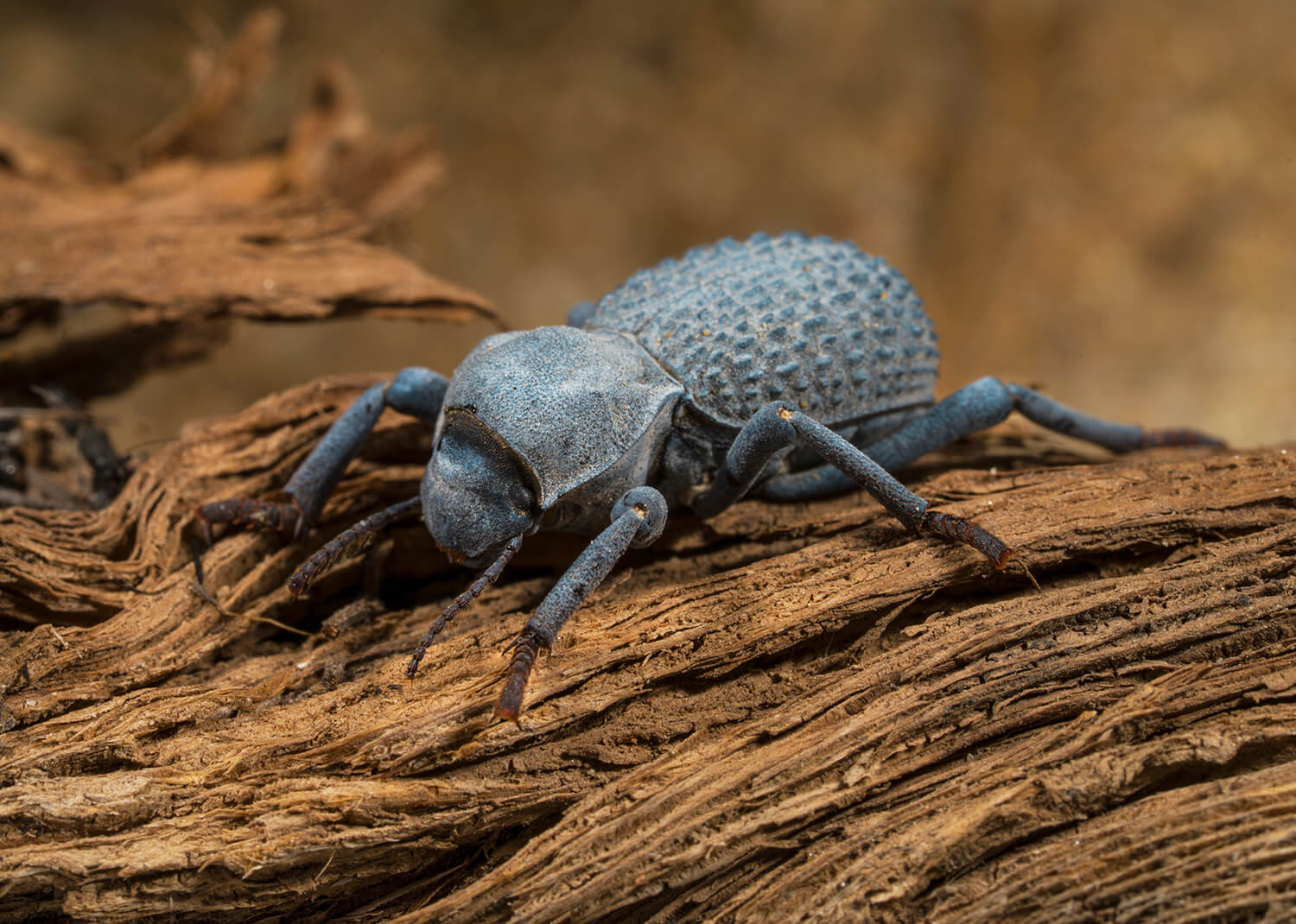
Blue Death Feigning Beetle
(Asbolus verrucosus)