
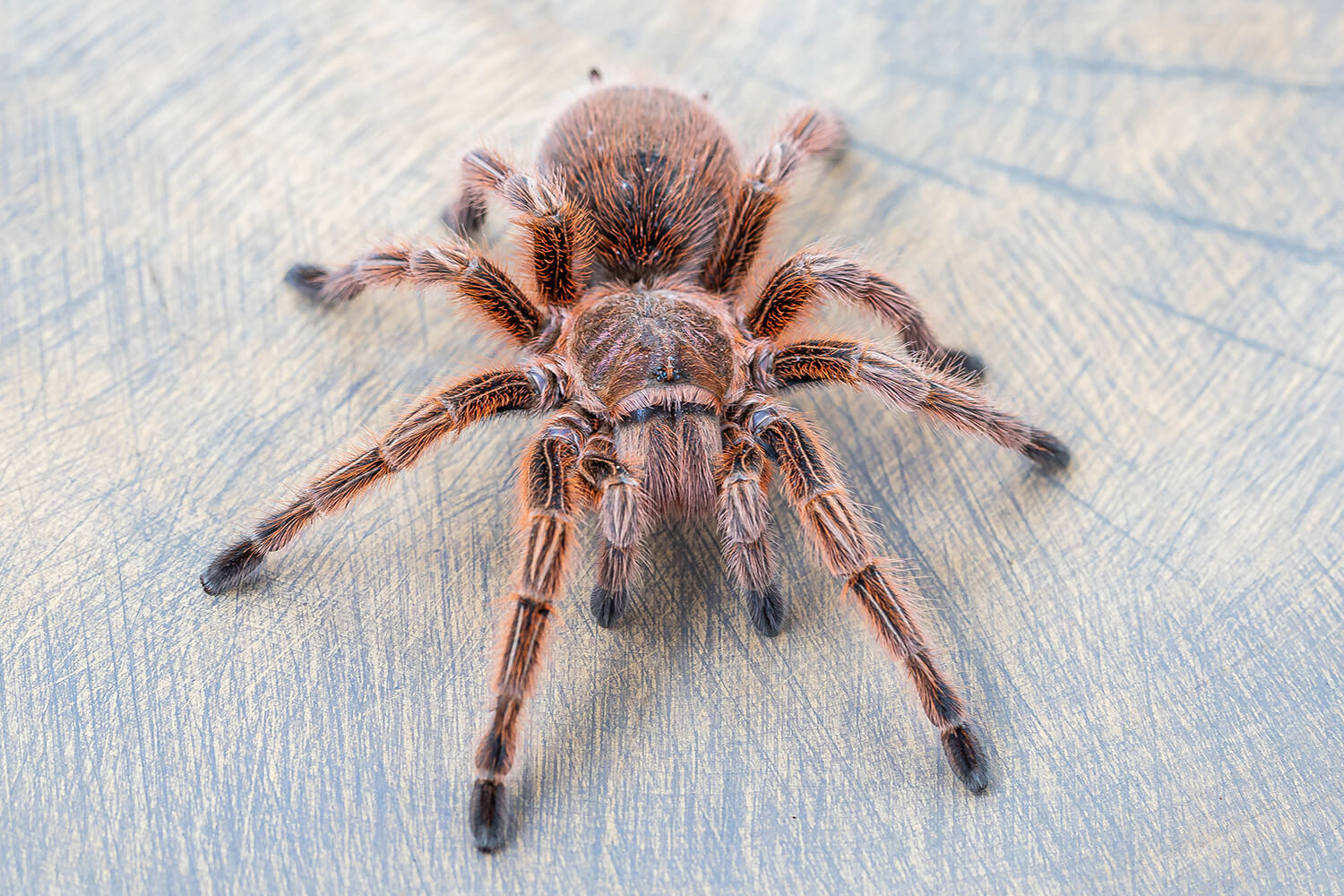
Chilean Rose Hair Tarantula
(Grammostola rosea)
Quick Facts:
Common Name: Chilean Rose Hair Tarantula
Scientific Name: Grammostola rosea
Native Range: Deserts and scrublands of Chile, Bolivia, and Argentina
Habitat: Burrows in arid, open environments
Diet: Insectivorous—crickets, beetles, and small vertebrates
Conservation Status: Stable; locally impacted by overcollection
Meet Our Resident
Burpee’s Chilean Rose Hair Tarantula is calm, slow-moving, and surprisingly gentle. Its soft rose-colored hairs shimmer in the exhibit lighting, attracting both awe and curiosity from visitors who may never have encountered a spider this size.
Connections to the Museum
This species provides a tactile entry point into arthropod diversity and arachnid evolution. It invites guests to rethink misconceptions about spiders and understand their role as pest controllers and ecosystem regulators.
Natural History & Behavior
These tarantulas are nocturnal ambush predators. They rely on sensory hairs to detect vibration rather than vision. When threatened, they may flick urticating hairs as a defense. Females can live for decades, making them one of the longest-lived invertebrates in captivity.
Evolutionary Connections
Spiders evolved from ancient arachnid ancestors over 400 million years ago. Tarantulas represent an early branching lineage that adapted to life on land while retaining primitive features such as book lungs—evidence of their ancient ancestry.
Wild Habitat & Distribution
Native to arid regions of Chile and surrounding countries, often living in self-dug burrows or natural crevices.
Conservation & Status
Though not endangered, populations are locally depleted due to habitat disturbance and unsustainable wild collection. Burpee’s specimen is captive-bred and used to promote responsible pet trade practices and appreciation for invertebrate conservation.
SNAKES:

Ball Python
(Python regius)
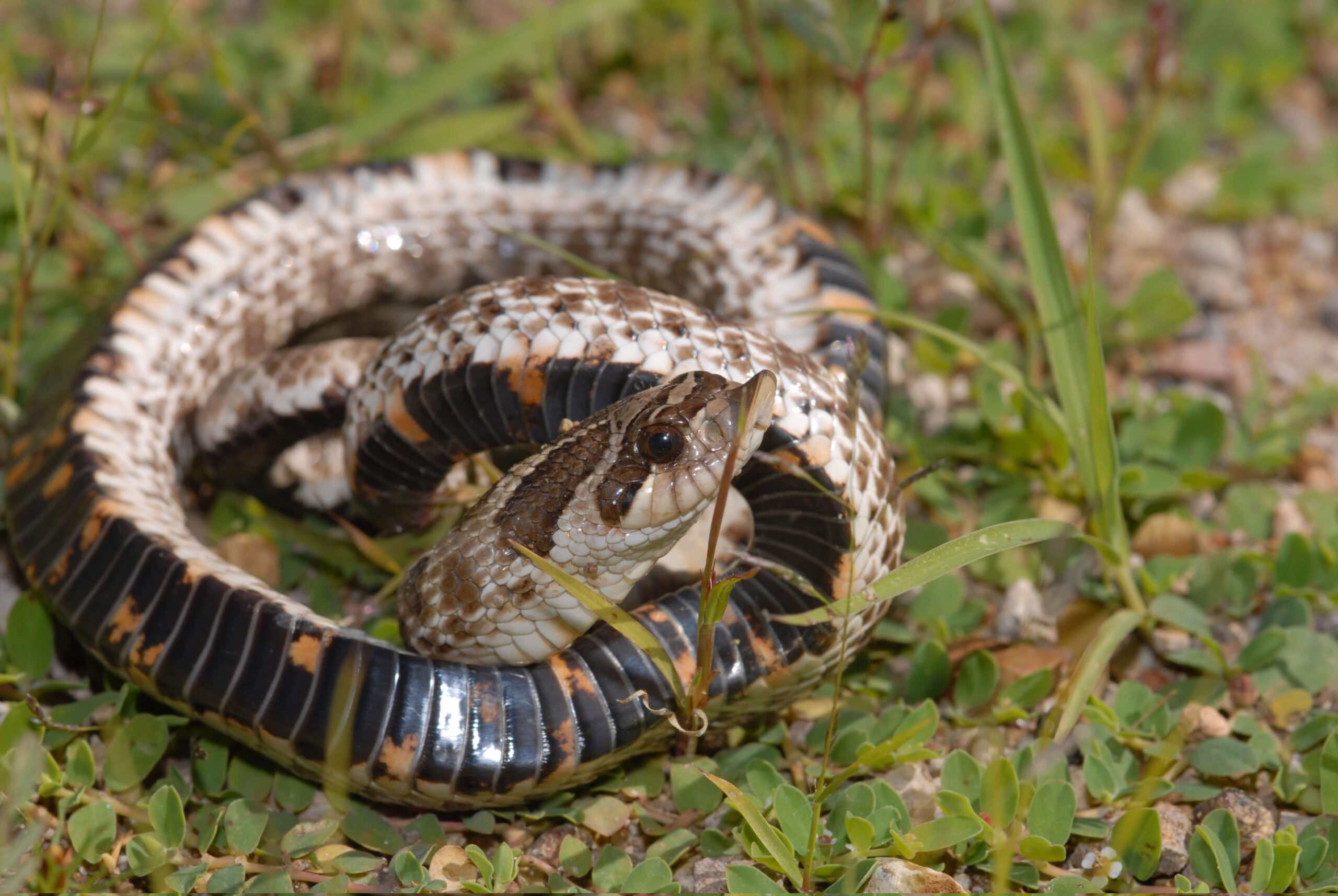
Western Hognose Snake
(Heterodon nasicus)
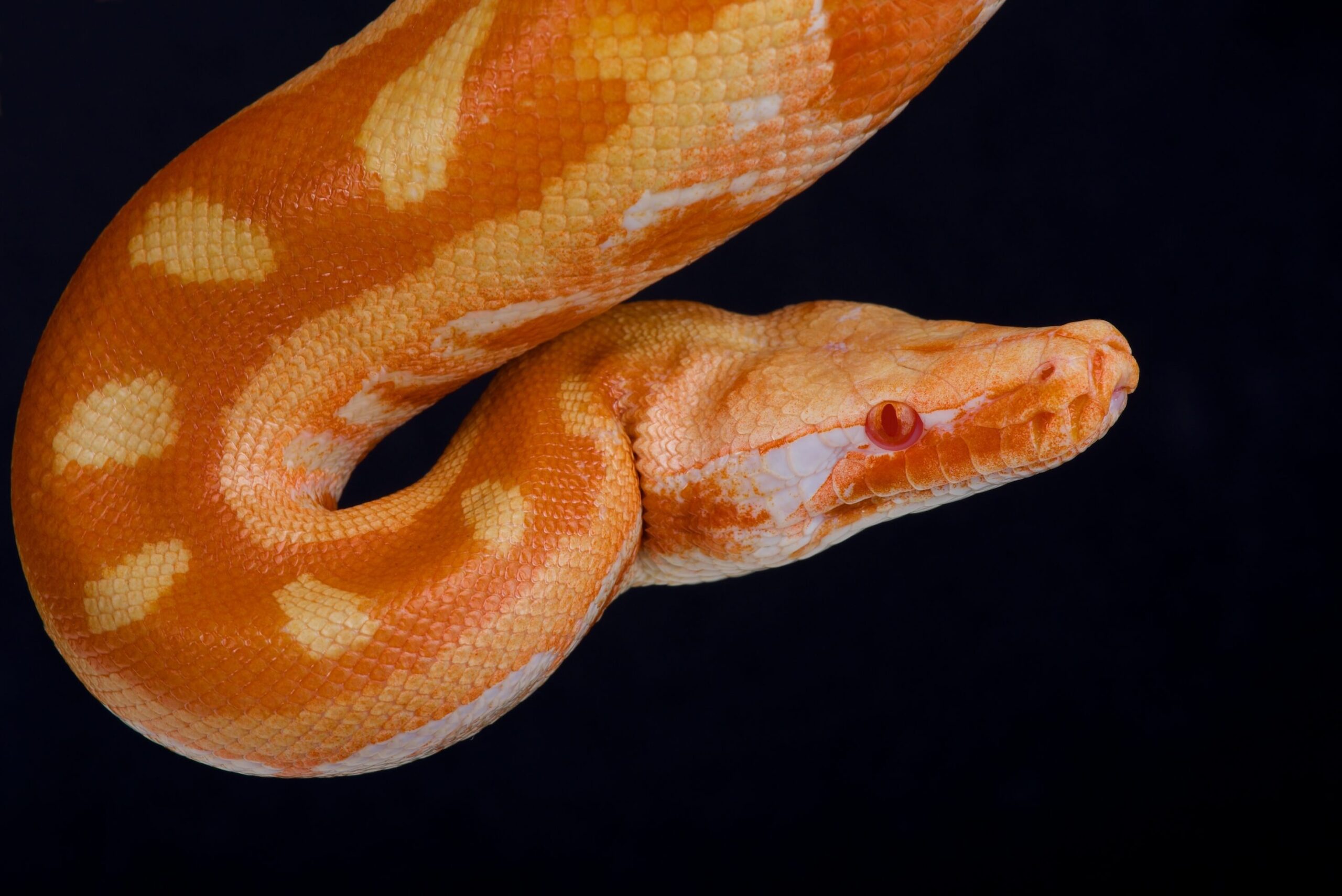
Blood Python
(Python brongersmai)
TURTLES:

Sulcata Tortoise
(Centrochelys sulcata)
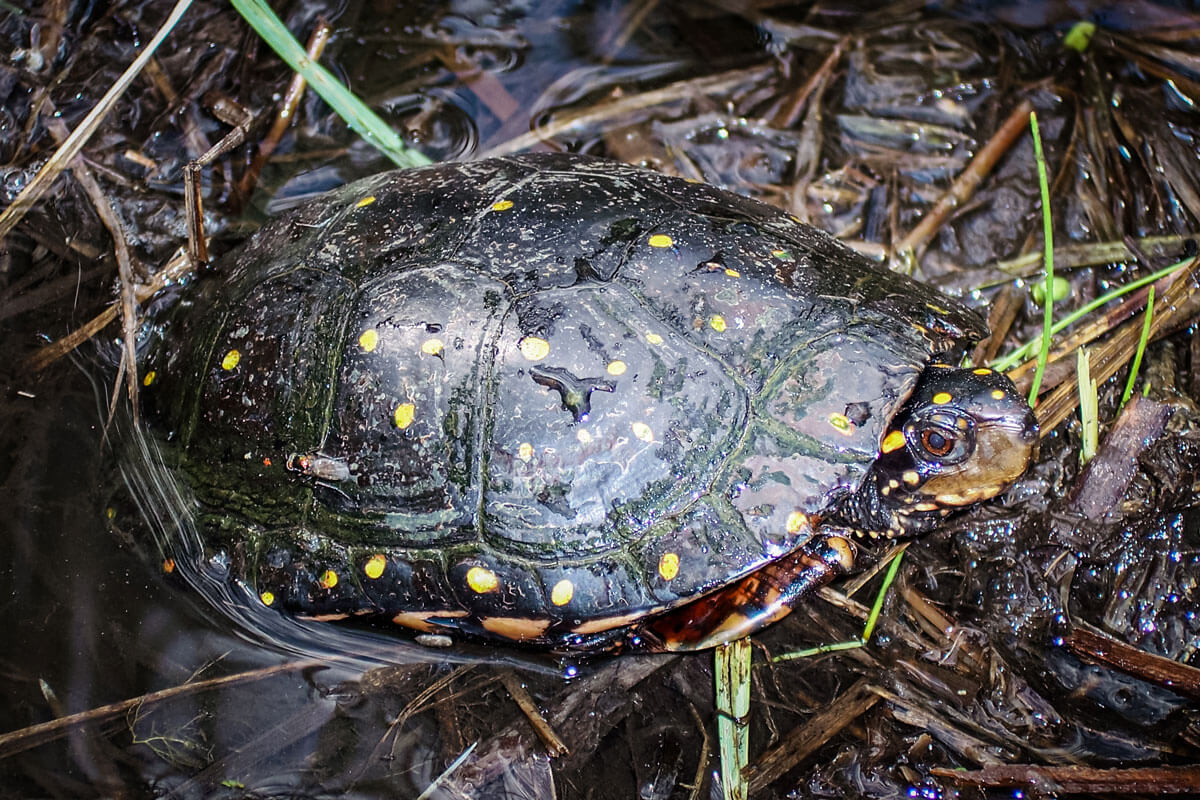
Spotted Turtle
(Clemmys guttata)

River Cooter
(Pseudemys concinna)
LIZARDS:
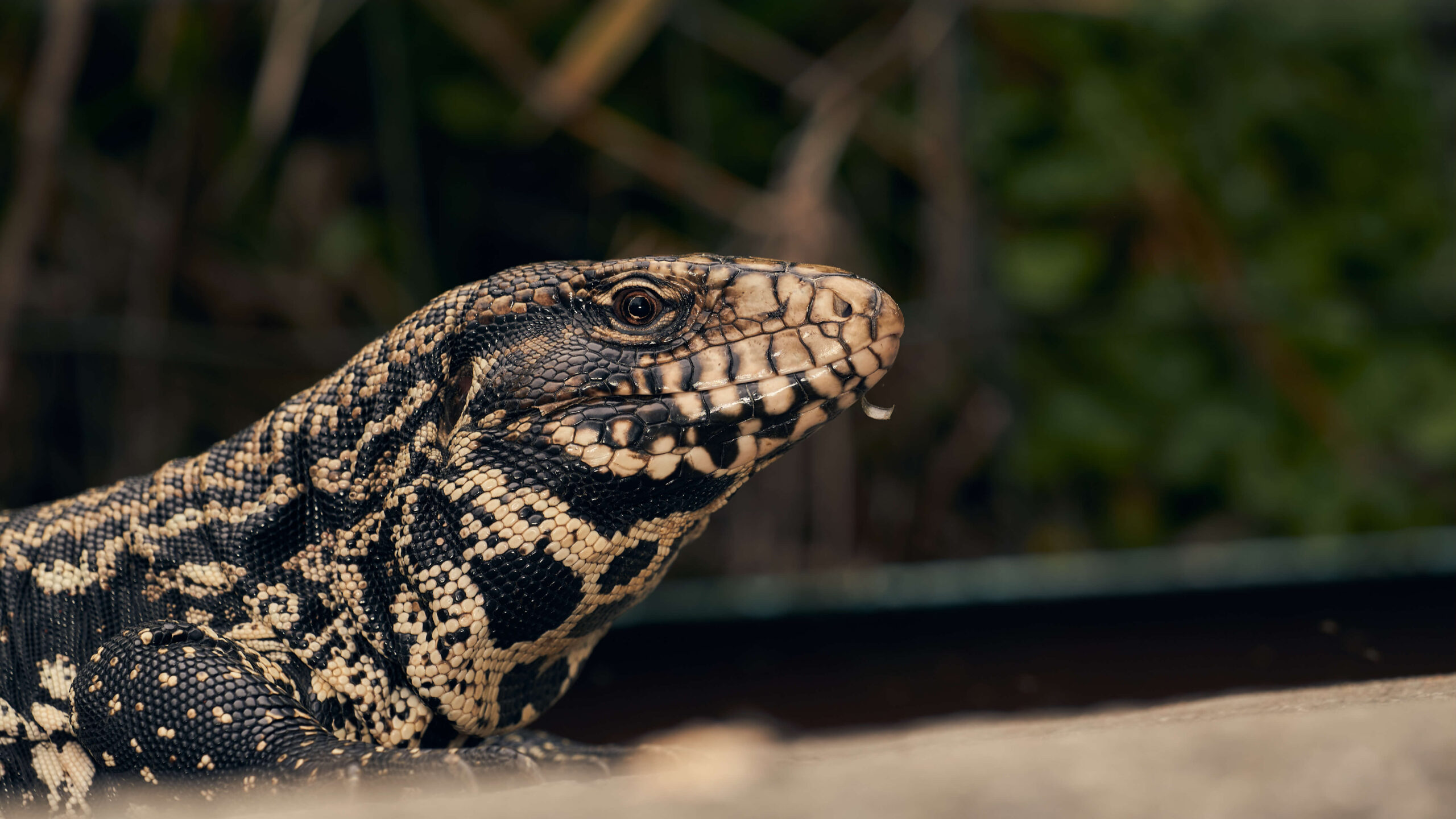
Argentine Tegu
(Salvator merianae)

Plated Lizard
(Gerrhosaurus major)
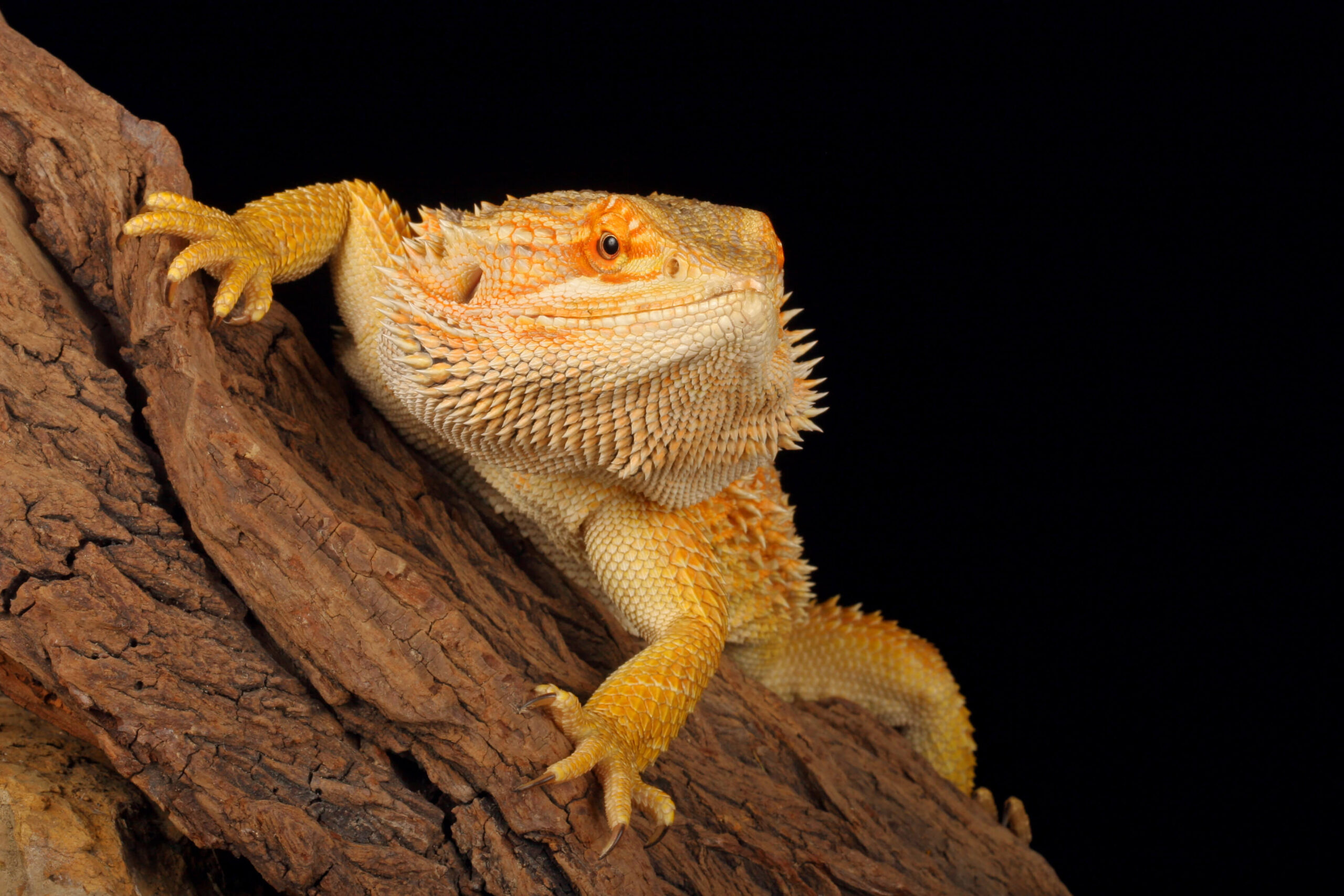
Bearded Dragon
(Pogona vitticeps)
ARTHROPODS:

Desert Millipede
(Orthoporus ornatus)
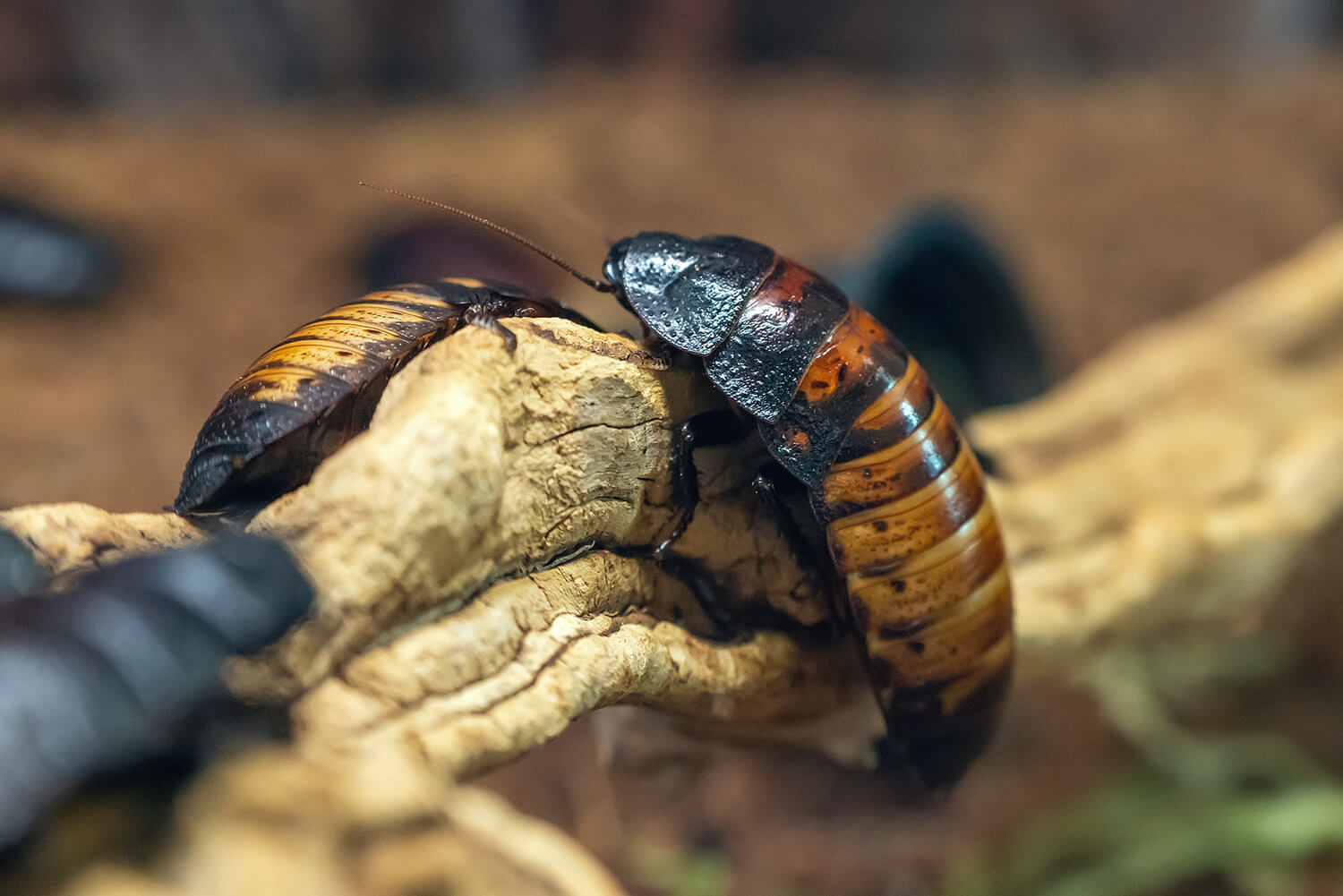
Madagascar Hissing Cockroach
(Gromphadorhina portentosa)
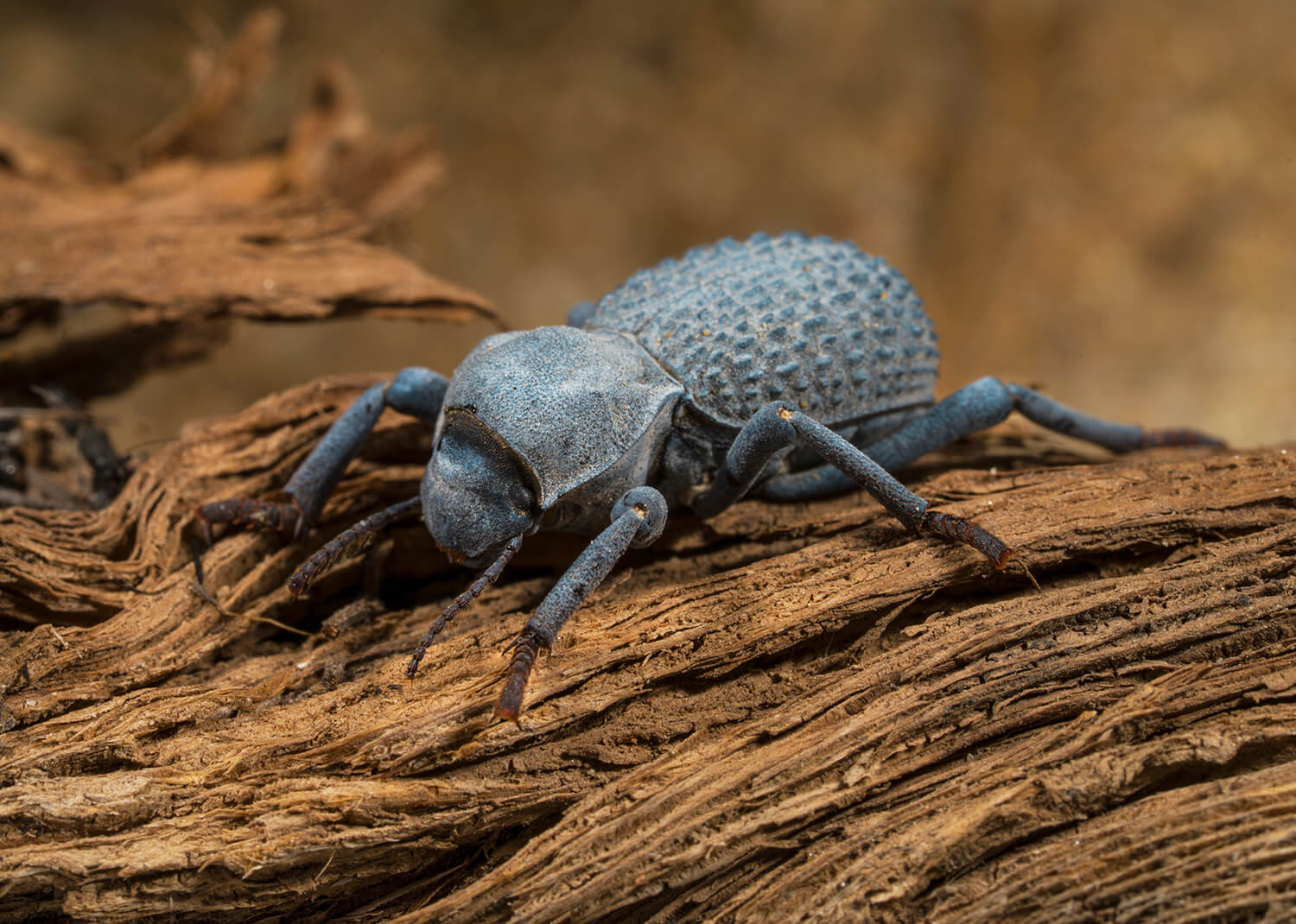
Blue Death Feigning Beetle
(Asbolus verrucosus)