
Corn × Great Plains Rat Snake Hybrid
Pantherophis guttatus × Pantherophis emoryi
Quick Facts:
Common Name: Creamsicle Snake
Scientific Name: Salvator merianae
Native Range: This animal will not be found in the wild
Meet Our Resident
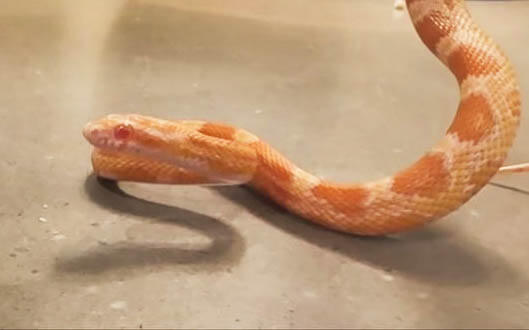
This snake is one of Burpee Museum’s most visually striking snakes, with vivid orange and white coloration. This color pattern results from deliberate selective breeding between an Amelanistic Corn Snake (Pantherophis guttatus) and a Great Plains Rat Snake (Pantherophis emoryi). He joined the museum in 2025 as part of the genetics and hybridization education program. Visitors are often surprised to learn that hybrids like this can thrive and reproduce, providing a useful model for discussions about natural versus human-directed evolution.
Connections to the Museum
Creamsicle’s story bridges genetics, evolution, and conservation ethics. At Burpee, this snake helps illustrate how humans influence species variation through selective breeding—contrasting artificial selection with the natural evolutionary processes shown in the fossil record. Creamsicle connects directly to lessons from the “Windows to the Wilderness” and “Post-Ice Age Illinois” exhibits, where visitors explore how environmental pressures and adaptation shape life over time.
Natural History & Behavior
Although Creamsicle snakes do not exist in the wild, their parent species share many behavioral traits. Corn and rat snakes are excellent climbers and constrictors that help control rodent populations. They are active primarily at dusk and dawn, using chemical scent trails to locate prey. These snakes are gentle by nature, relying on camouflage rather than aggression. Creamsicle displays the calm disposition of both parent species, making it ideal for demonstrations and close encounters.
Evolutionary Connections
The Pantherophis group belongs to the large colubrid family, the most diverse branch of snakes today. Fossil relatives from the Miocene and Pliocene show early examples of constriction and specialized jaw structures. Creamsicle’s hybrid lineage offers a modern educational perspective on genetic variation and speciation—the same mechanisms that produced the incredible diversity of reptilian forms documented in Burpee’s paleontological collections.
Wild Habitat & Distribution
While Creamsicle snakes are human-bred, their parental species inhabit much of the central and southeastern United States. Corn snakes occupy woodlands and fields, while Great Plains Rat Snakes prefer open grasslands and rocky slopes. Both species are adaptable and frequently found near farms or human dwellings, where they play a vital ecological role as rodent predators.
SNAKES:

Ball Python
(Python regius)
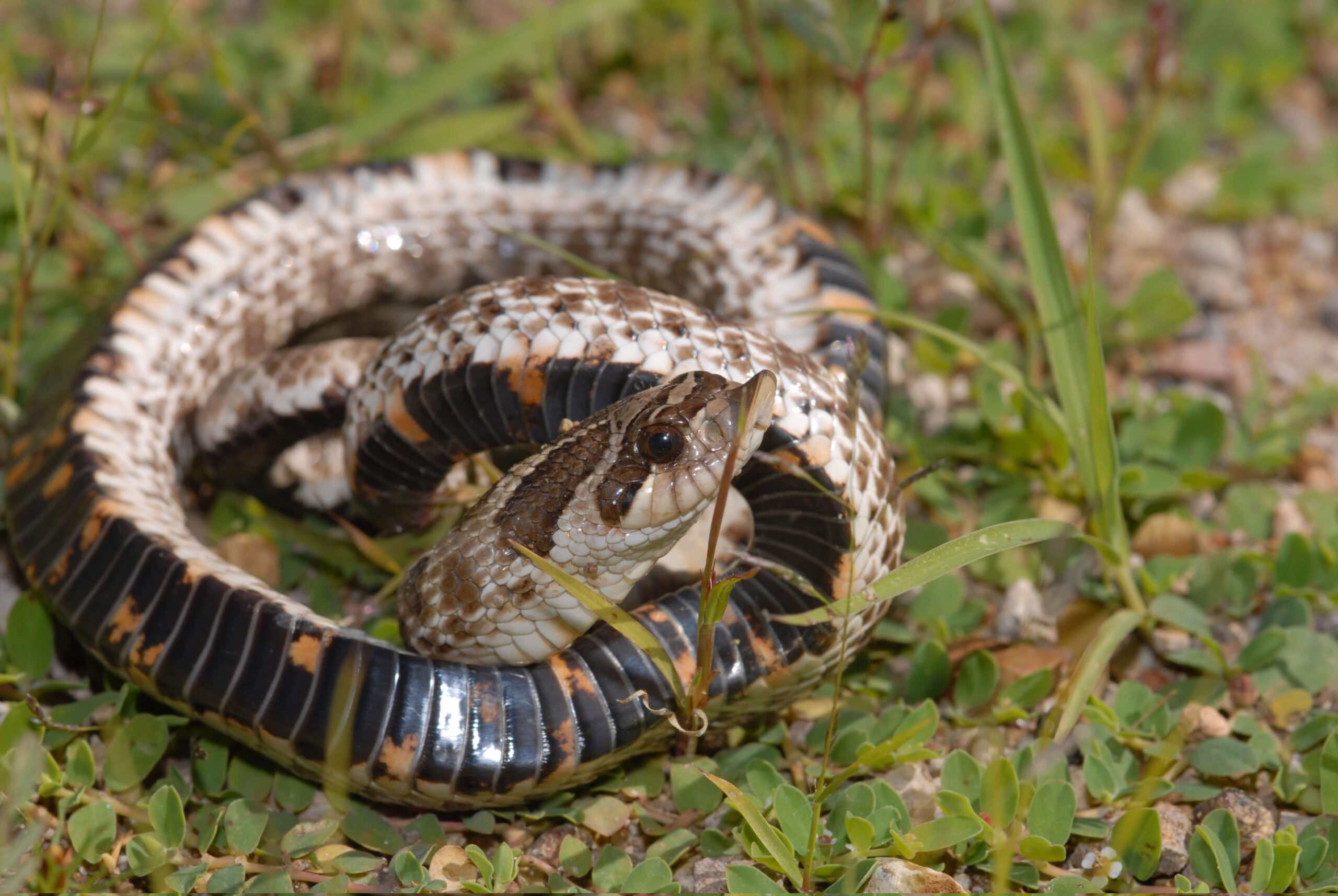
Western Hognose Snake
(Heterodon nasicus)
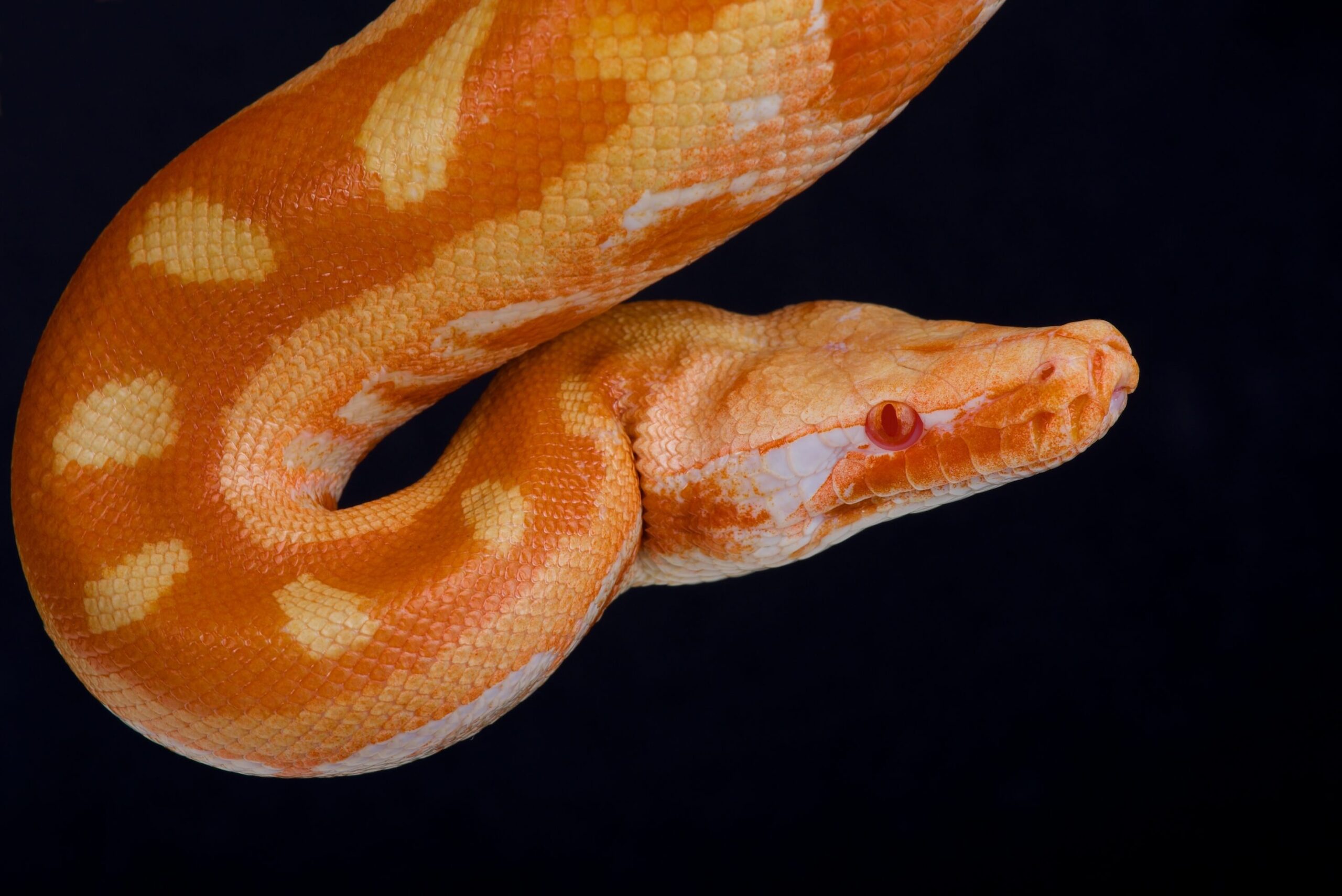
Blood Python
(Python brongersmai)
TURTLES:

Sulcata Tortoise
(Centrochelys sulcata)
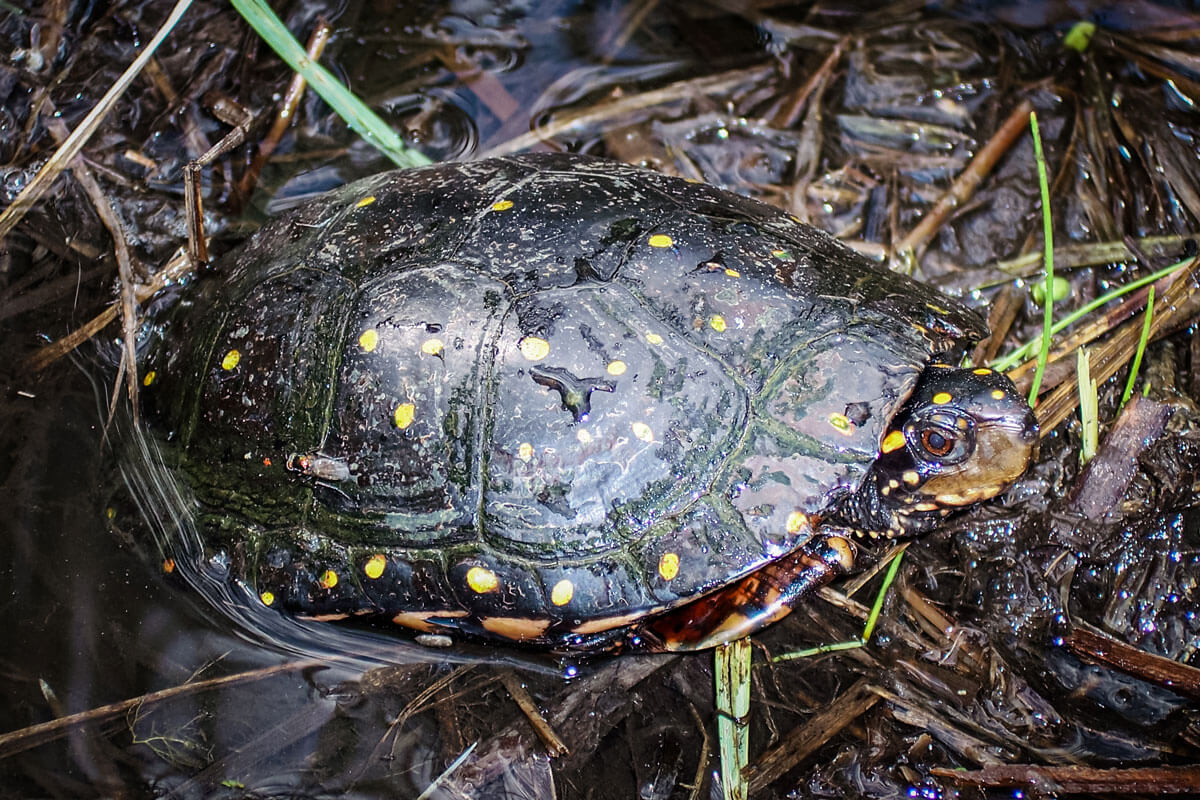
Spotted Turtle
(Clemmys guttata)

River Cooter
(Pseudemys concinna)
LIZARDS:
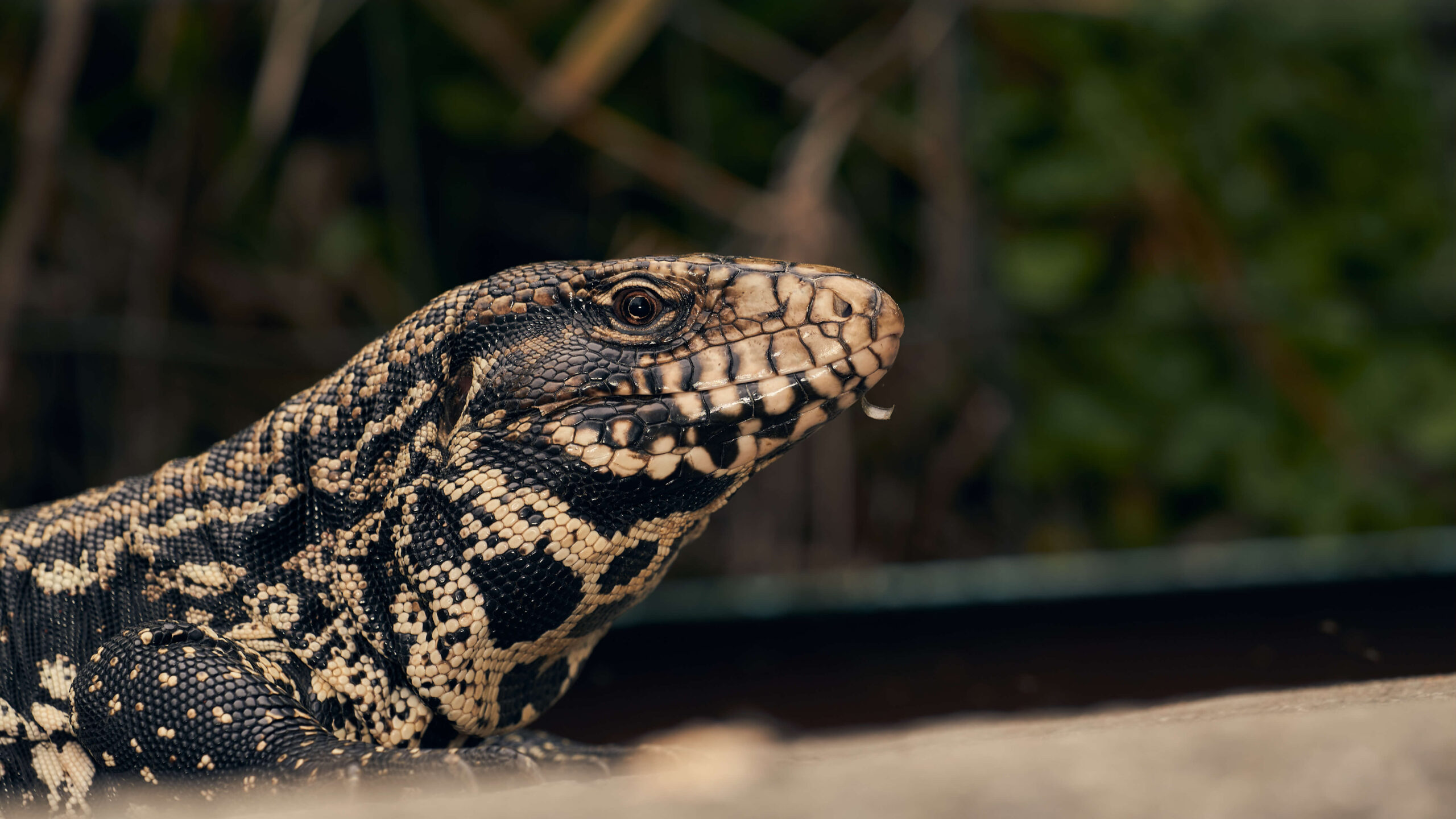
Argentine Tegu
(Salvator merianae)

Plated Lizard
(Gerrhosaurus major)
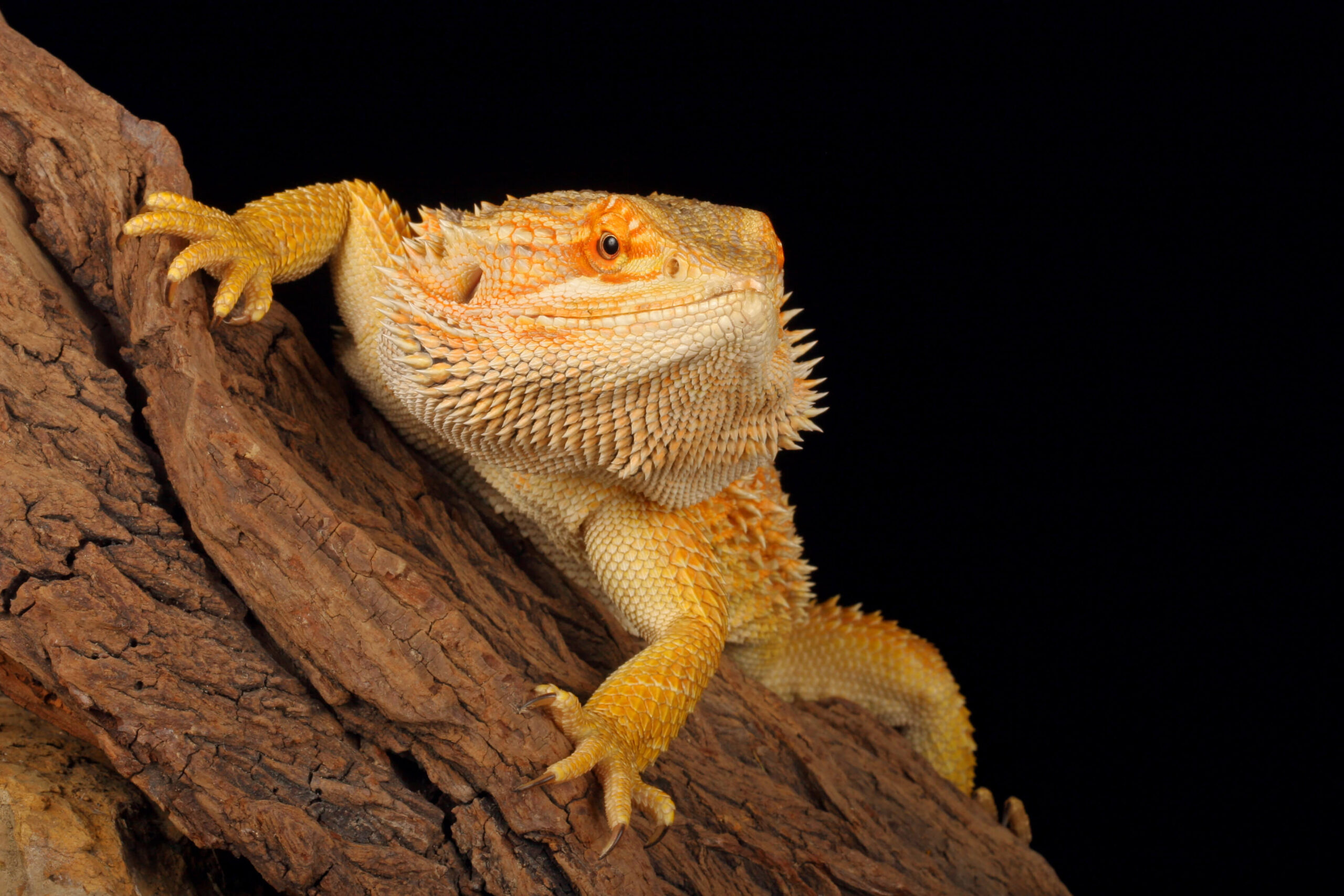
Bearded Dragon
(Pogona vitticeps)
ARTHROPODS:

Desert Millipede
(Orthoporus ornatus)
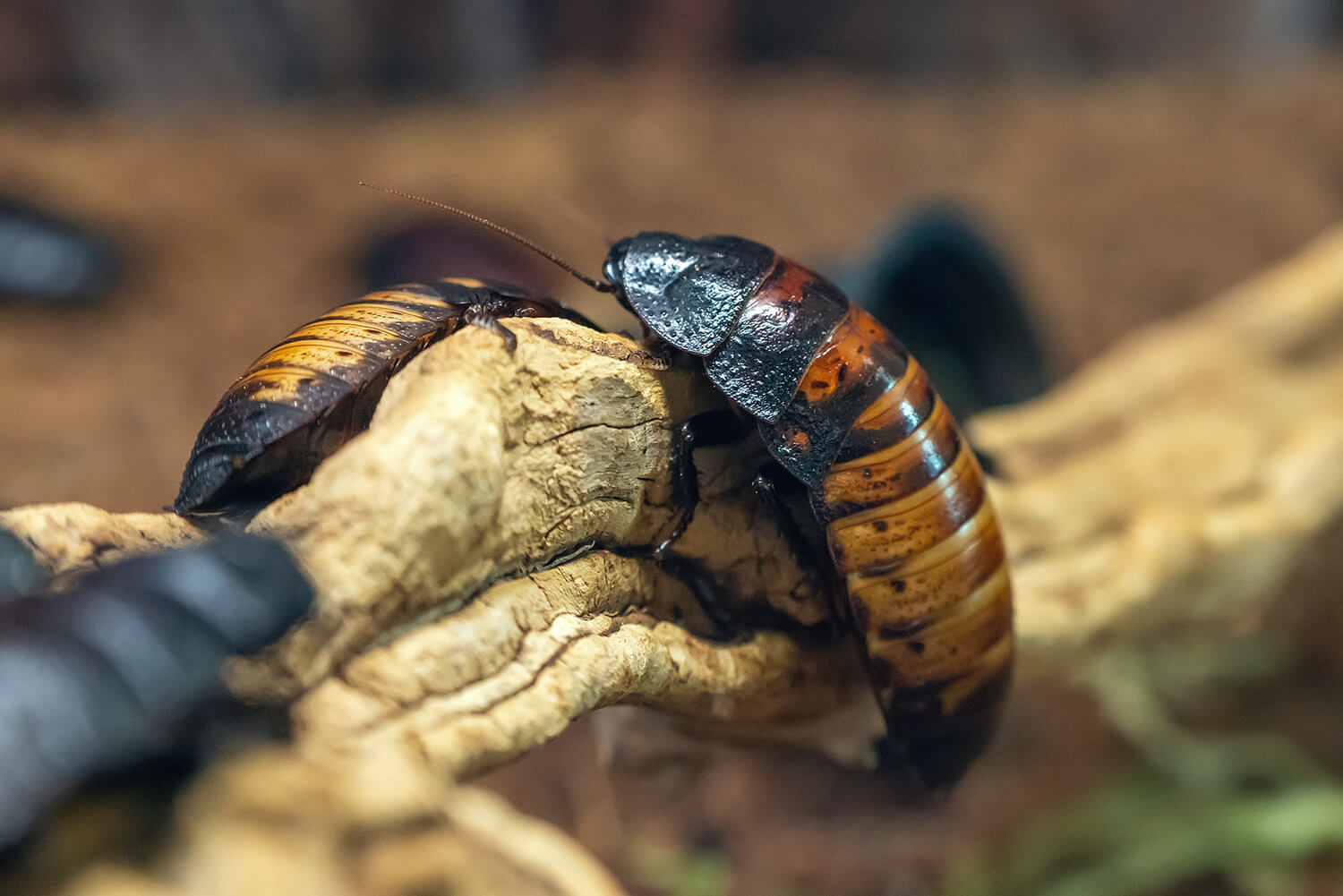
Madagascar Hissing Cockroach
(Gromphadorhina portentosa)
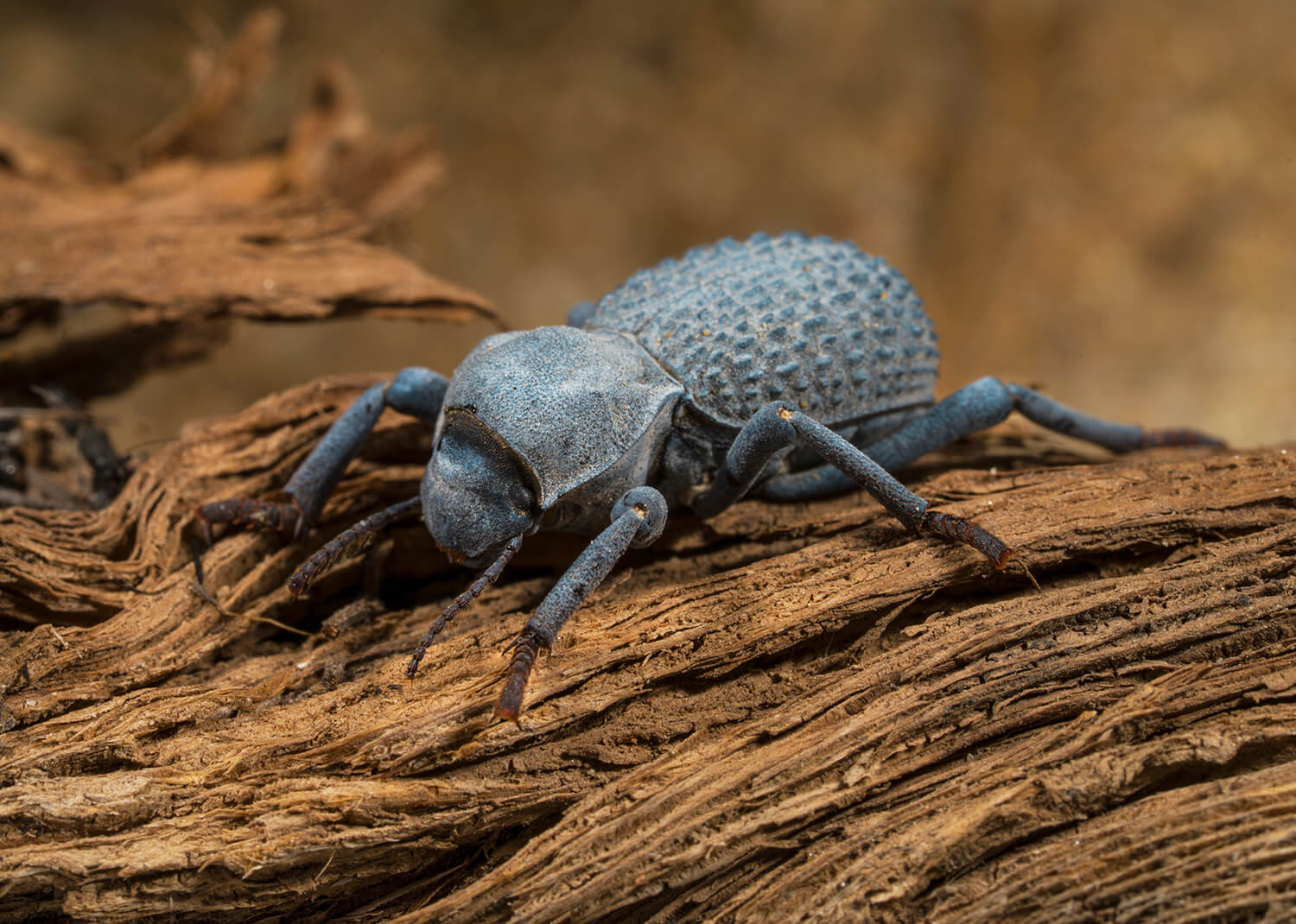
Blue Death Feigning Beetle
(Asbolus verrucosus)