
Plated Lizard
(Gerrhosaurus major)
“Smog”
Quick Facts:
Common Name: Plated Lizard
Scientific Name: Gerrhosaurus major
Native Range: Southern Africa
Habitat: Savannas, rocky outcrops, and scrubland
Diet: Omnivorous—insects, vegetation, and fruit
Conservation Status: Least Concern (IUCN)

Meet Our Resident
Burpee’s Plated Lizard is a hardy, gentle reptile with a body covered in thick, armor-like scales. It spends much of its time basking or digging shallow retreats. Its calm disposition makes it an excellent ambassador for reptile education programs. The Plated Lizard at Burpee was a resident of another museum that subsequently closed. She has a tail injury that required amputation.
Natural History & Behavior
Plated Lizards are ground-dwellers that bask in full sun, retreating to cracks and burrows when threatened. They feed opportunistically on insects and vegetation, helping control pest populations while distributing plant seeds. She is a great animal to highlights the theme of adaptation through defense. Its heavy scales recall the armored dinosaurs and prehistoric reptiles featured in Burpee’s fossil exhibits, linking skin and scale evolution through deep time.
Evolutionary Connections
Members of the Gerrhosauridae family diverged early from other lizard groups. Their reinforced body armor resembles that of ancient reptiles from the Permian period—evidence that similar protective adaptations evolved repeatedly.
Wild Habitat & Distribution
Widespread across southern Africa, especially in rocky, semi-arid regions.
Conservation & Status
Stable throughout range. Burpee’s individual demonstrates structural adaptation and resilience, encouraging visitors to explore how reptile body plans reflect ancient survival strategies.
Evolutionary Connections
Modern dragons belong to the Agamidae family, a lineage stretching back to the Paleogene epoch. Fossil relatives reveal similar cranial ornamentation and spiny scales, evidence of a long evolutionary experiment in thermoregulation and display. At Burpee, the Bearded Dragon serves as a living counterpart to extinct reptiles that occupied comparable ecological niches millions of years ago.
Wild Habitat & Distribution
These lizards inhabit most of inland Australia, preferring semi-deserts and open forest edges. They are resilient generalists that tolerate wide temperature ranges.
Conservation & Status
Not endangered in the wild, Bearded Dragons are nonetheless affected by habitat degradation and pet trade pressures. Captive-bred individuals like “Smog” help educate visitors about sustainable animal care and the ethics of wildlife collection.
SNAKES:

Ball Python
(Python regius)
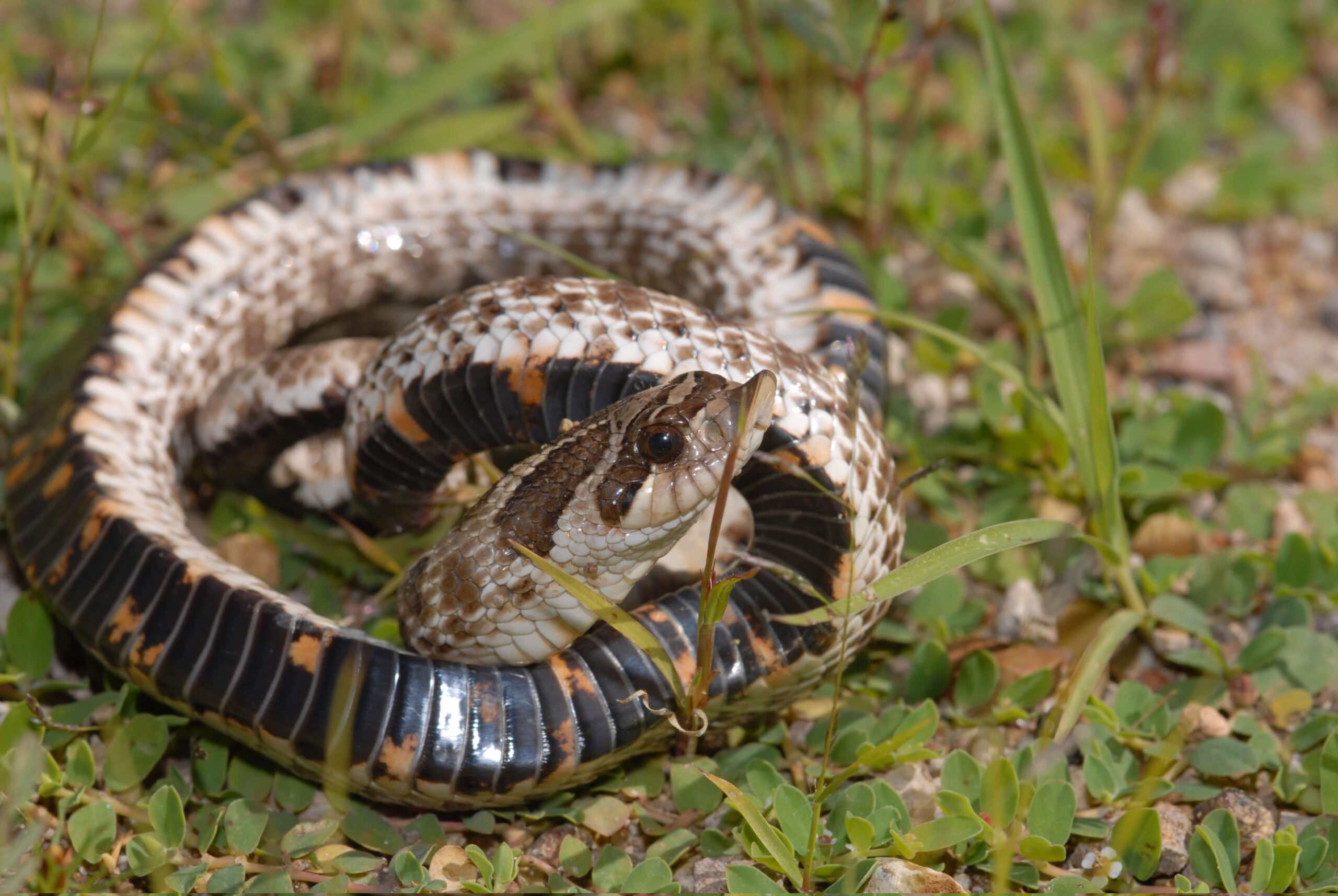
Western Hognose Snake
(Heterodon nasicus)
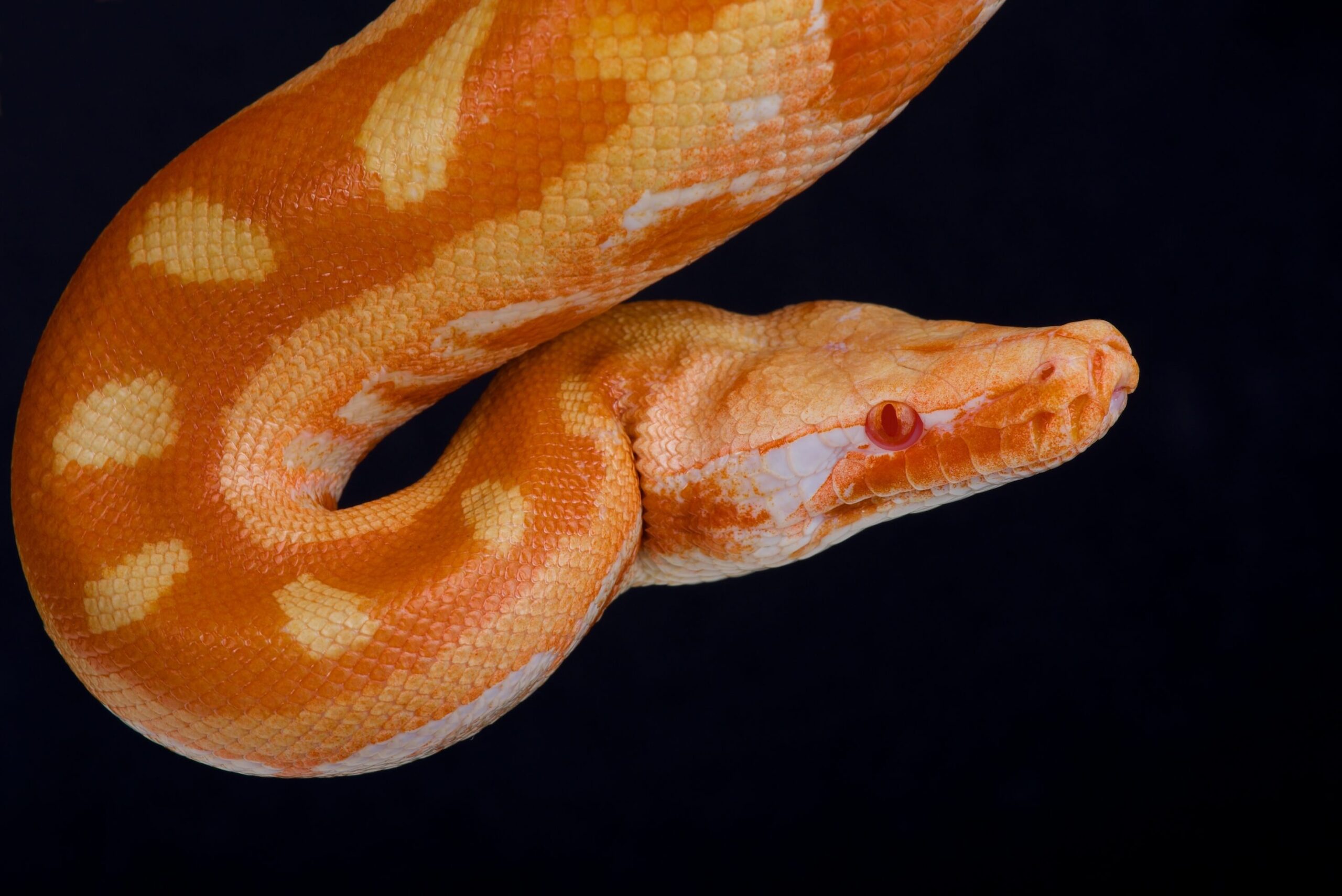
Blood Python
(Python brongersmai)
TURTLES:

Sulcata Tortoise
(Centrochelys sulcata)
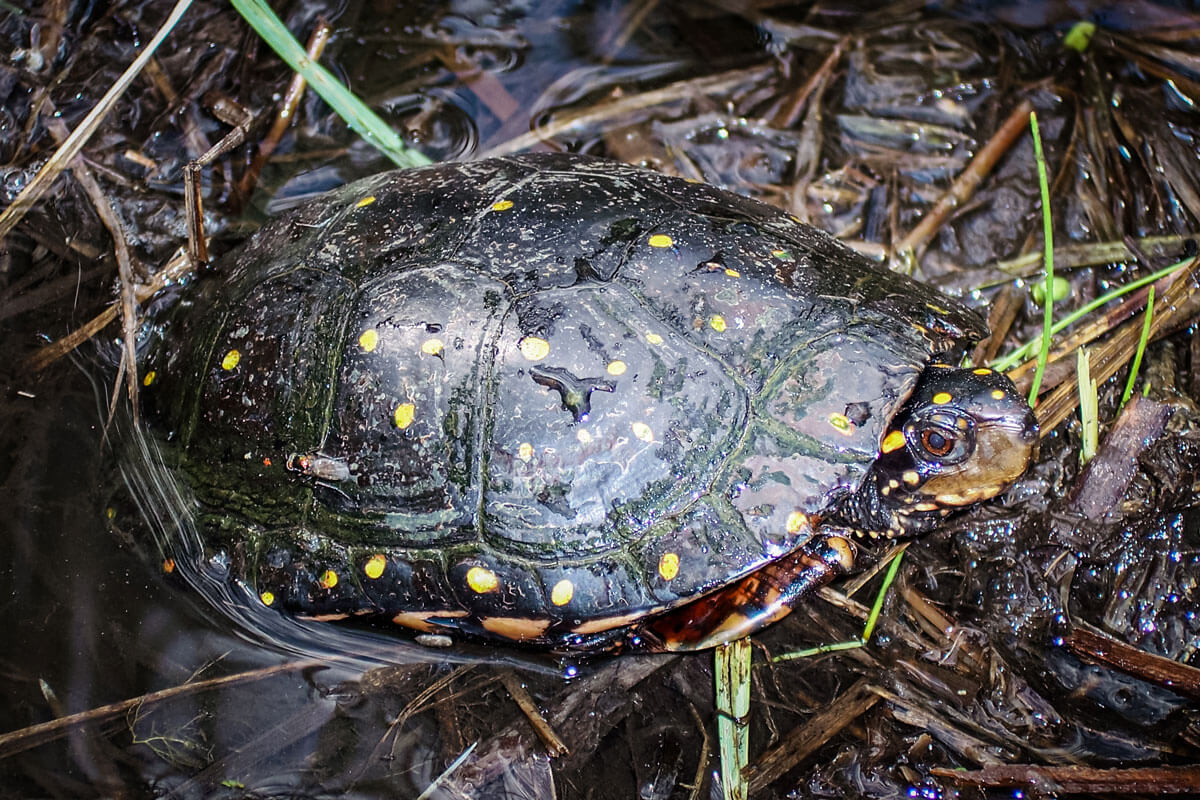
Spotted Turtle
(Clemmys guttata)

River Cooter
(Pseudemys concinna)
LIZARDS:
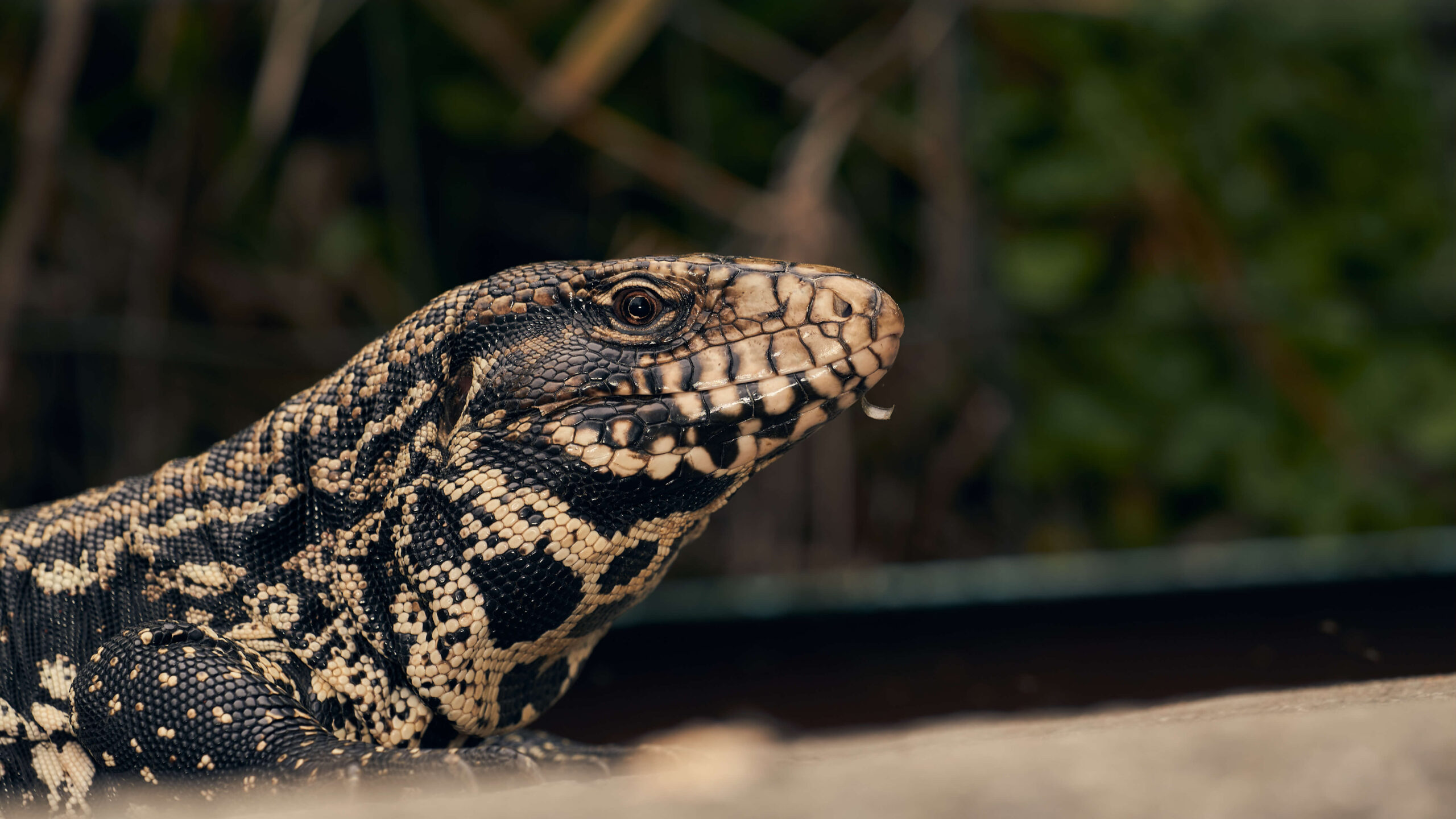
Argentine Tegu
(Salvator merianae)
Plated Lizard
(Gerrhosaurus major)
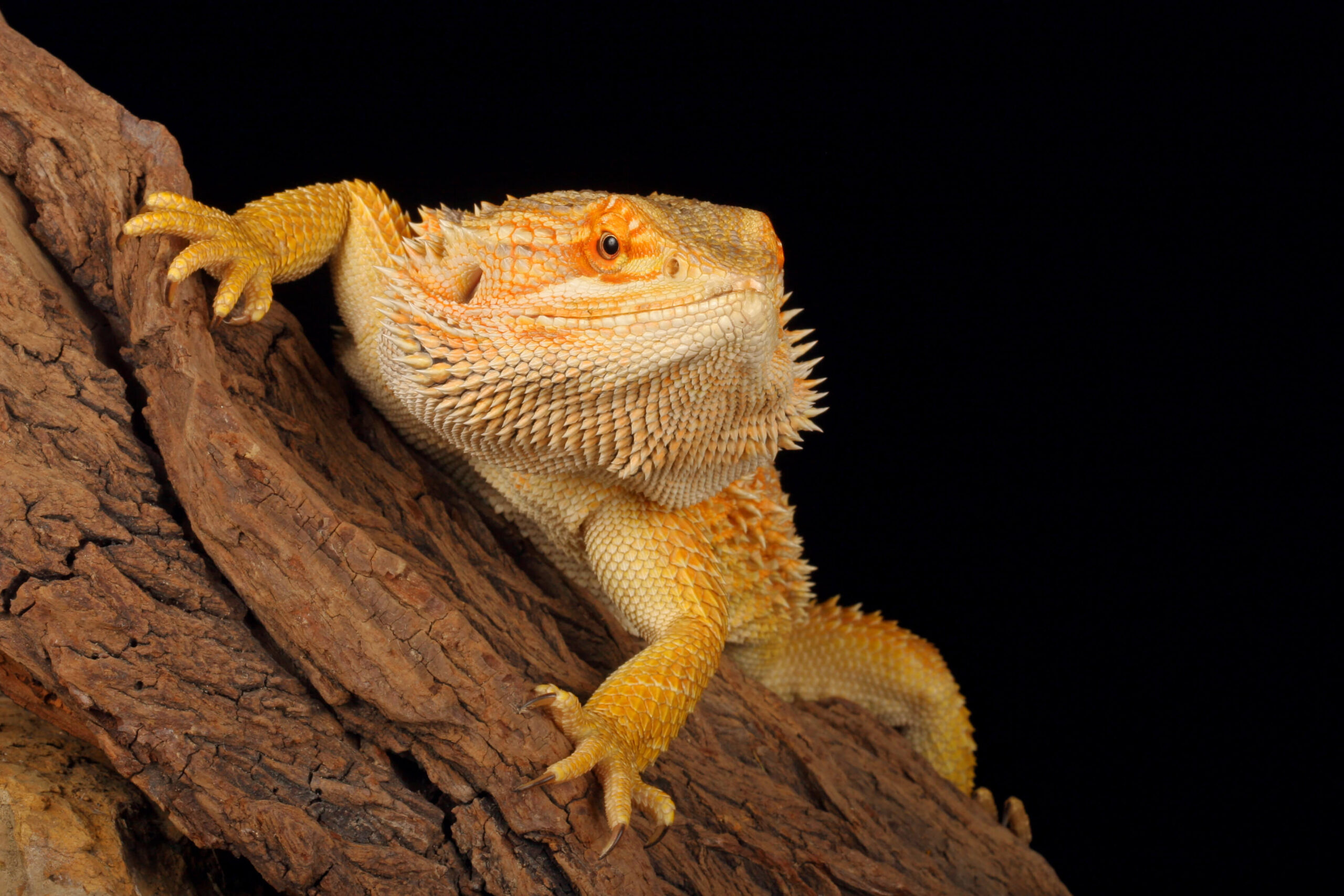
Bearded Dragon
(Pogona vitticeps)
ARTHROPODS:

Desert Millipede
(Orthoporus ornatus)
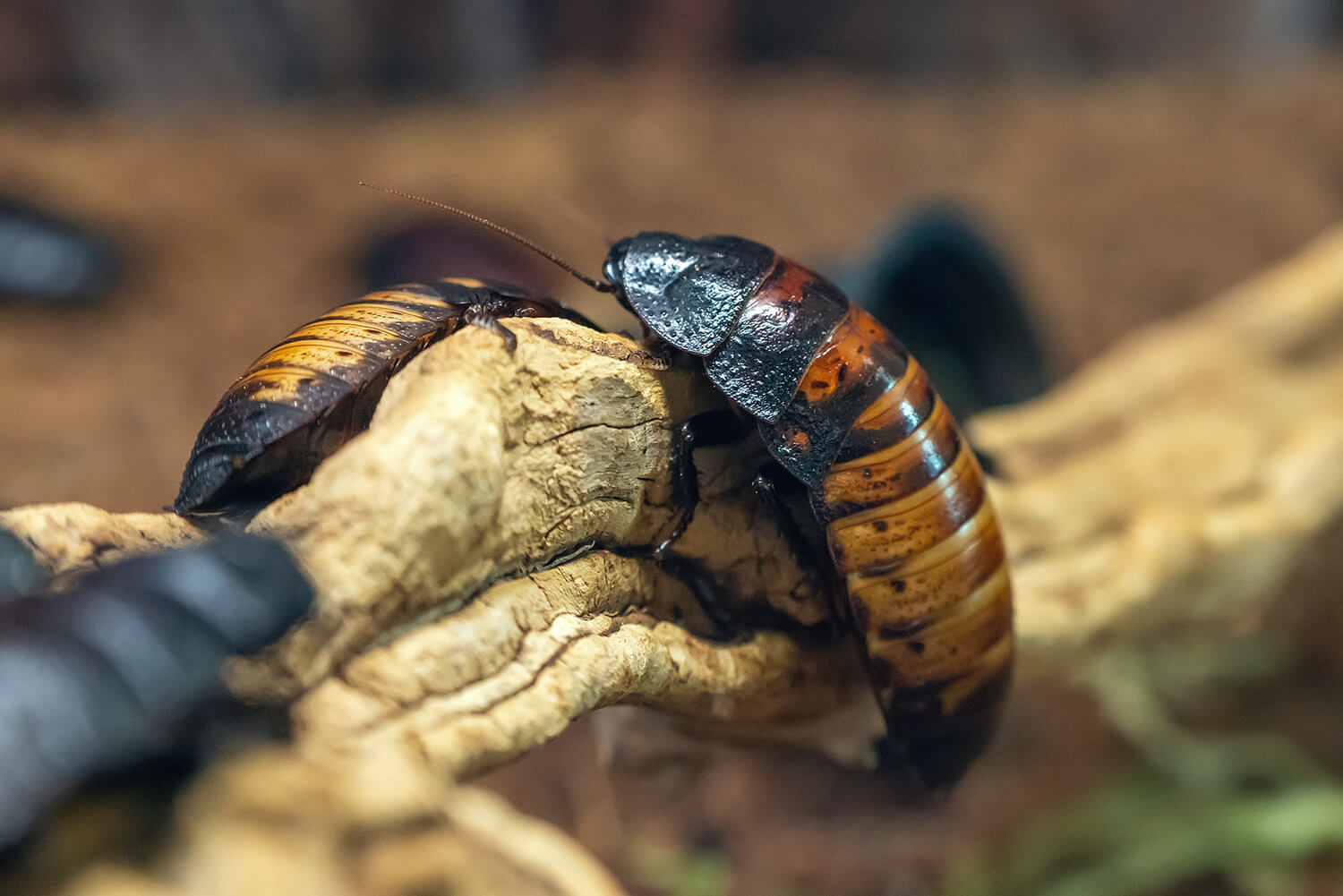
Madagascar Hissing Cockroach
(Gromphadorhina portentosa)
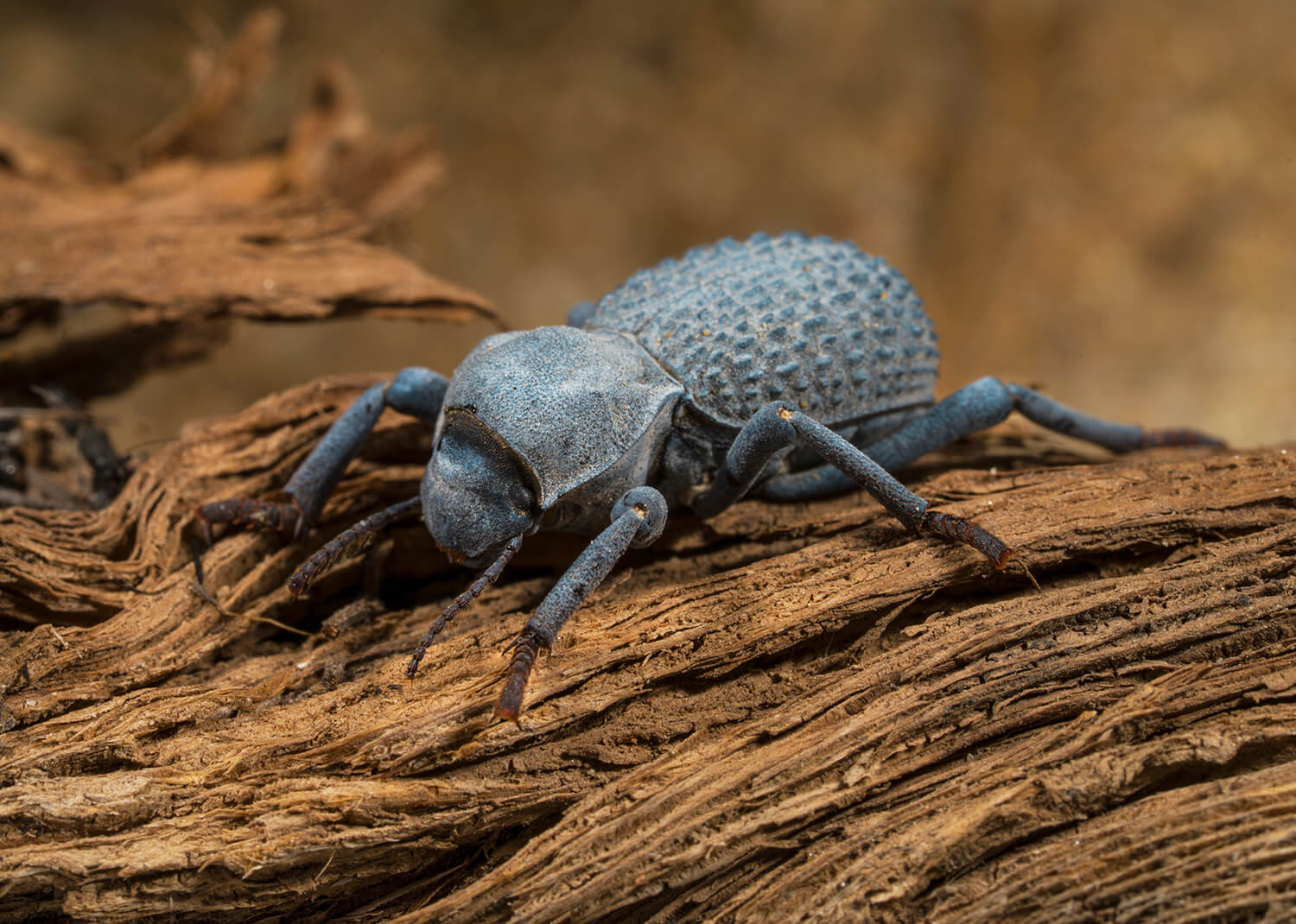
Blue Death Feigning Beetle
(Asbolus verrucosus)