
Madagascar Hissing Cockroach
(Gromphadorhina portentosa)
Quick Facts:
Common Name: Madagascar Hissing Cockroach
Scientific Name: Gromphadorhina portentosa
Native Range: Madagascar
Habitat: Tropical forests and leaf litter
Diet: Decaying vegetation, fruits, and organic debris
Conservation Status: Not Evaluated (IUCN); common in captivity for education and research.
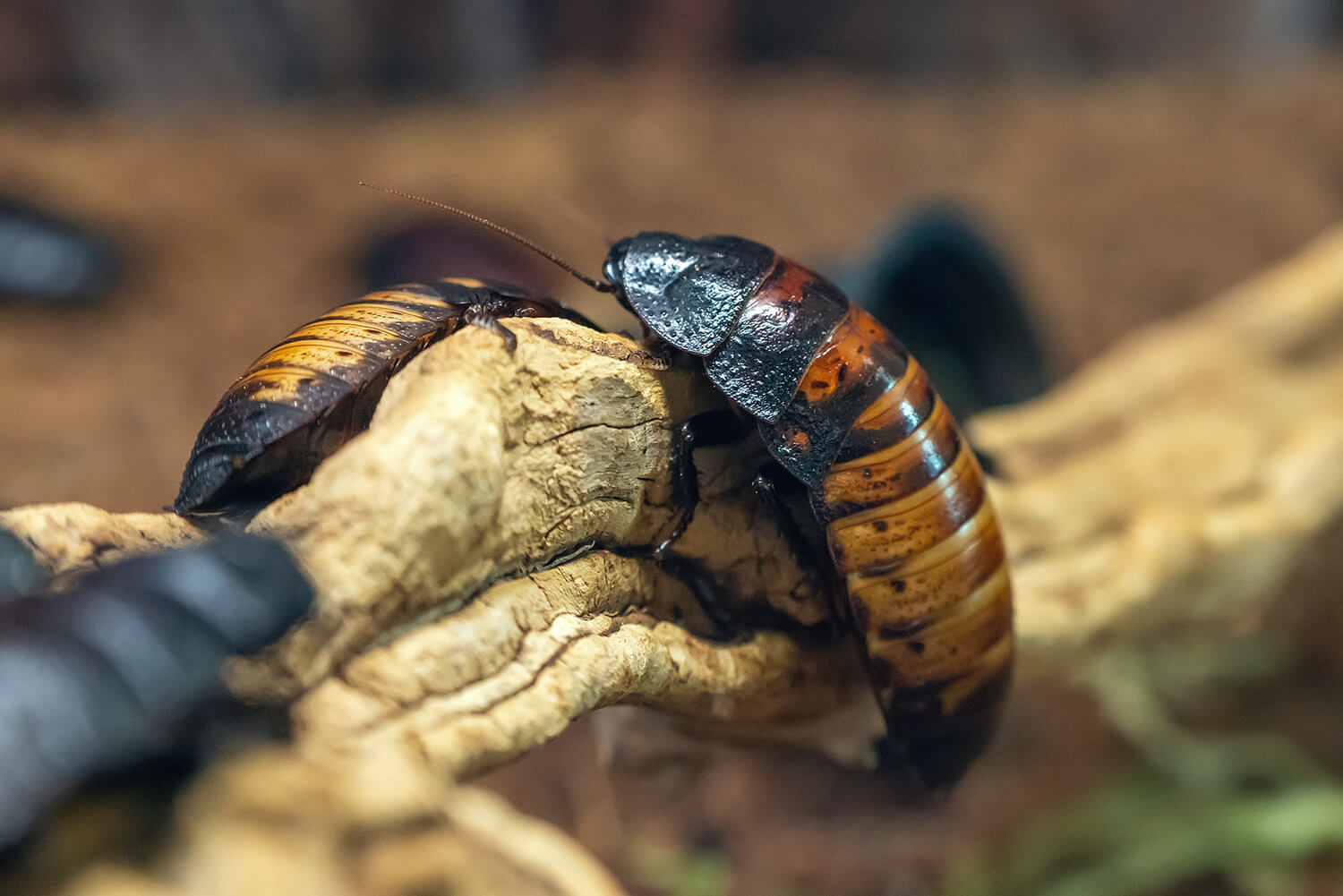
Meet Our Residents
Burpee’s colony of Madagascar Hissing Cockroaches is used frequently in outreach and educational programs to introduce visitors to invertebrate ecology. Known for the distinctive hissing sound produced by expelling air through spiracles, these insects demonstrate communication and defense behaviors unique among cockroaches. Their calm temperament makes them ideal for handling demonstrations, helping guests overcome fear and appreciate the ecological value of decomposers.
Connections to the Museum
These cockroaches represent decomposition and nutrient cycling—core components of ecosystem balance featured in Burpee’s educational programs. They are part of the “invisible recyclers” theme connecting insects, soil, and plant life to larger conservation systems in both Nature Nook and classroom programming.
Natural History & Behavior
Unlike most cockroaches, Madagascar Hissers are wingless and rely on armor-like exoskeletons for protection. They hiss during social encounters, mating rituals, and defense. They are communal, living in groups and reproducing through live birth rather than egg cases. Their diet of decaying matter recycles nutrients, illustrating the critical ecological role of detritivores.
Evolutionary Connections
Cockroaches are ancient insects dating back more than 300 million years—older than dinosaurs. Fossil evidence from the Carboniferous period shows nearly identical body forms, making them one of the planet’s most enduring lineages. The persistence of this design connects directly to Burpee’s story of evolutionary success.
Wild Habitat & Distribution
Native to Madagascar’s tropical forests, these cockroaches live under leaf litter and logs. In captivity, they thrive in bioactive enclosures that mimic natural humidity and warmth.
Conservation & Status
While not endangered, Madagascar Hissing Cockroaches illustrate the importance of maintaining decomposition processes in natural ecosystems. Burpee uses them to teach visitors about biodiversity, recycling, and the ecological importance of even the smallest species.
SNAKES:

Ball Python
(Python regius)
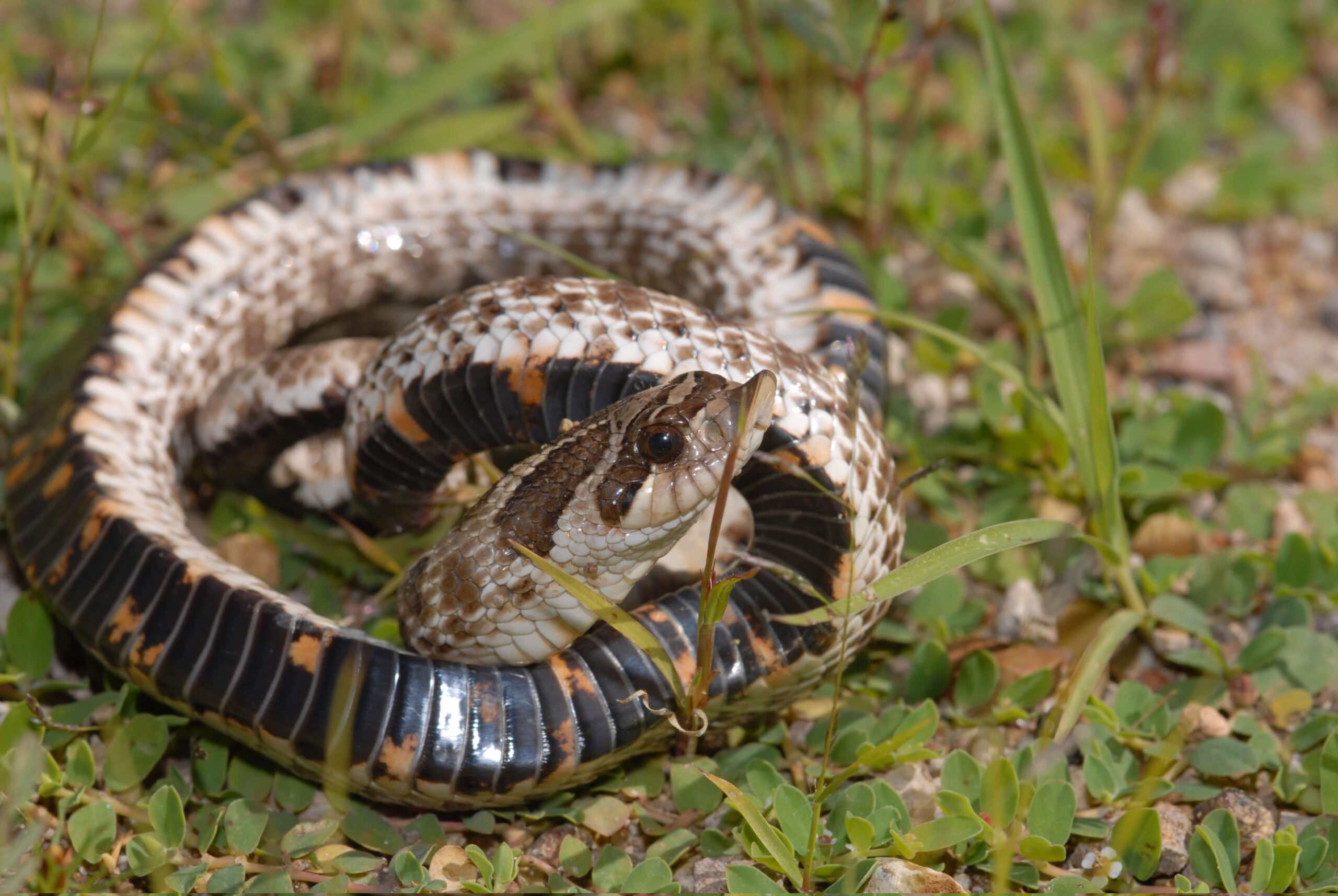
Western Hognose Snake
(Heterodon nasicus)
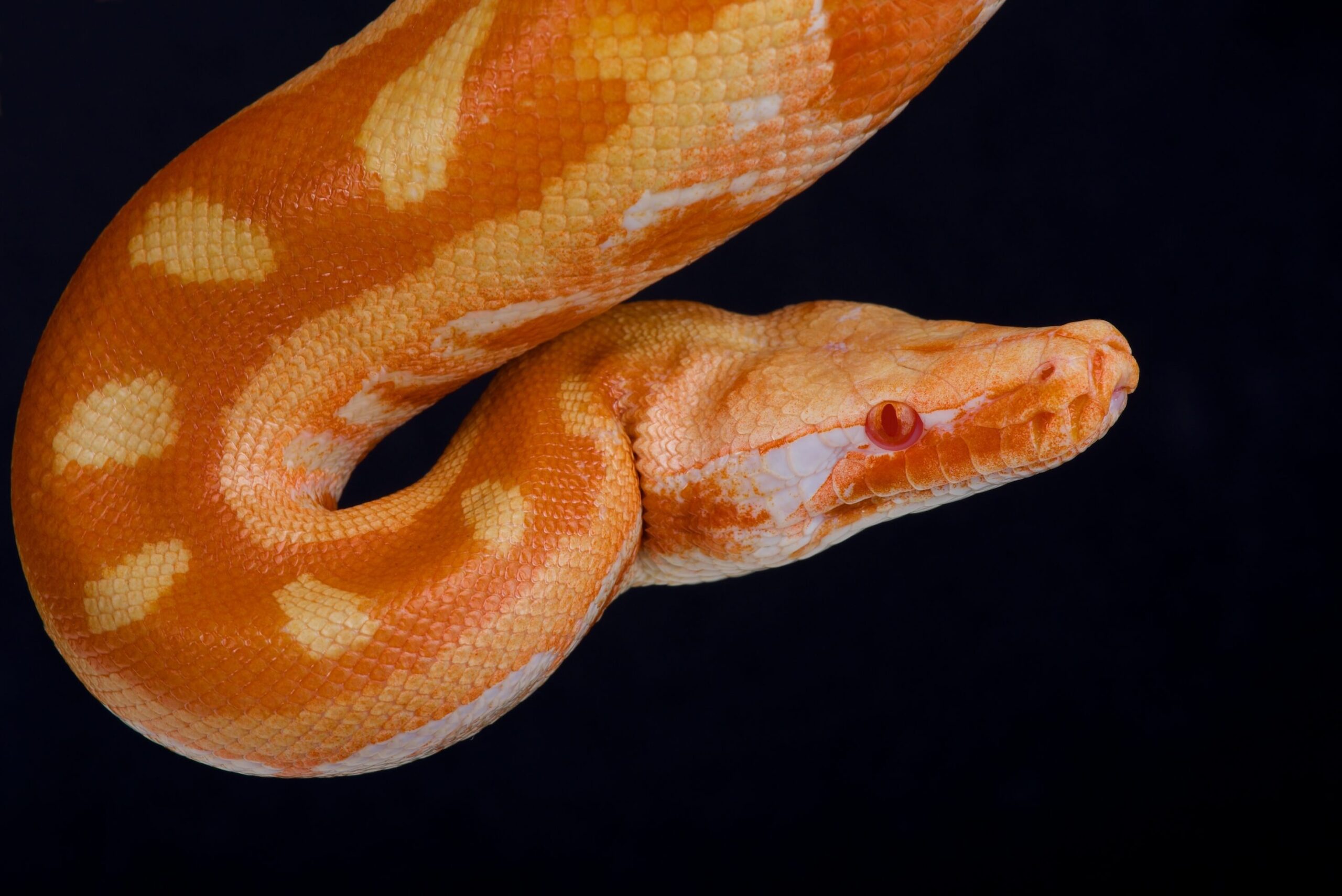
Blood Python
(Python brongersmai)
TURTLES:

Sulcata Tortoise
(Centrochelys sulcata)
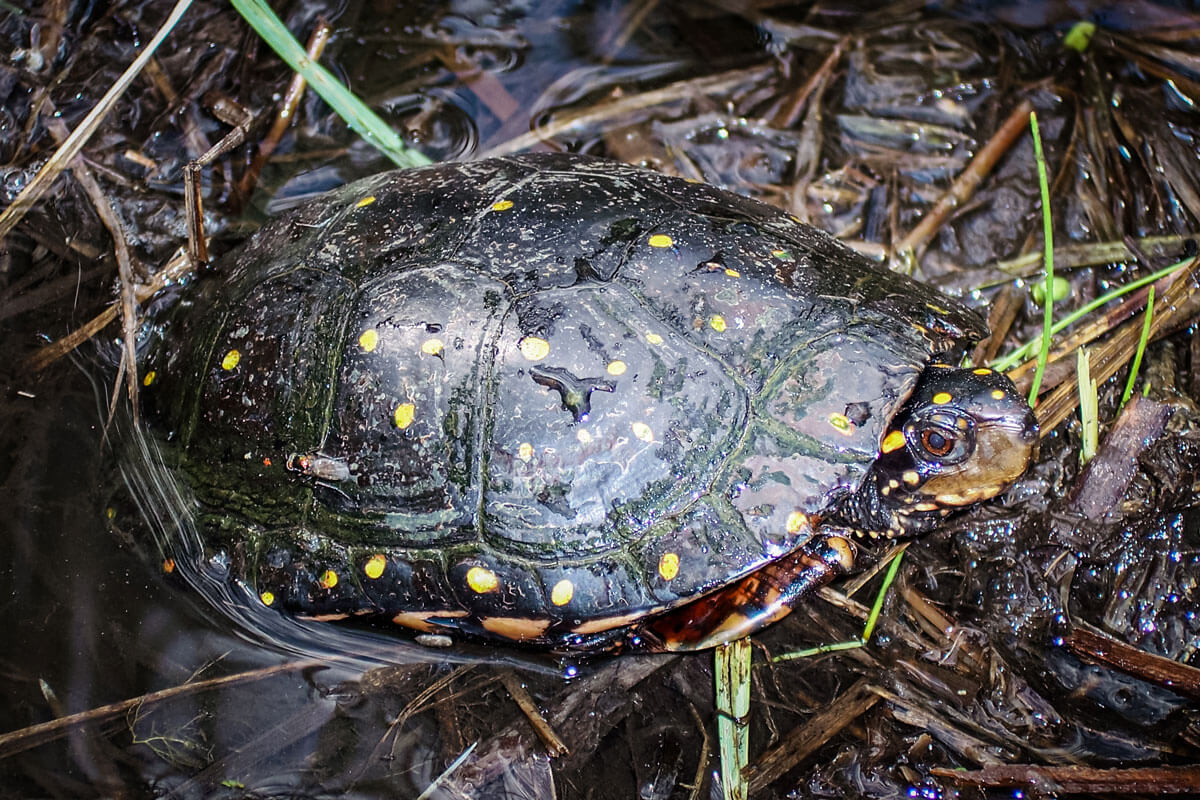
Spotted Turtle
(Clemmys guttata)

River Cooter
(Pseudemys concinna)
LIZARDS:
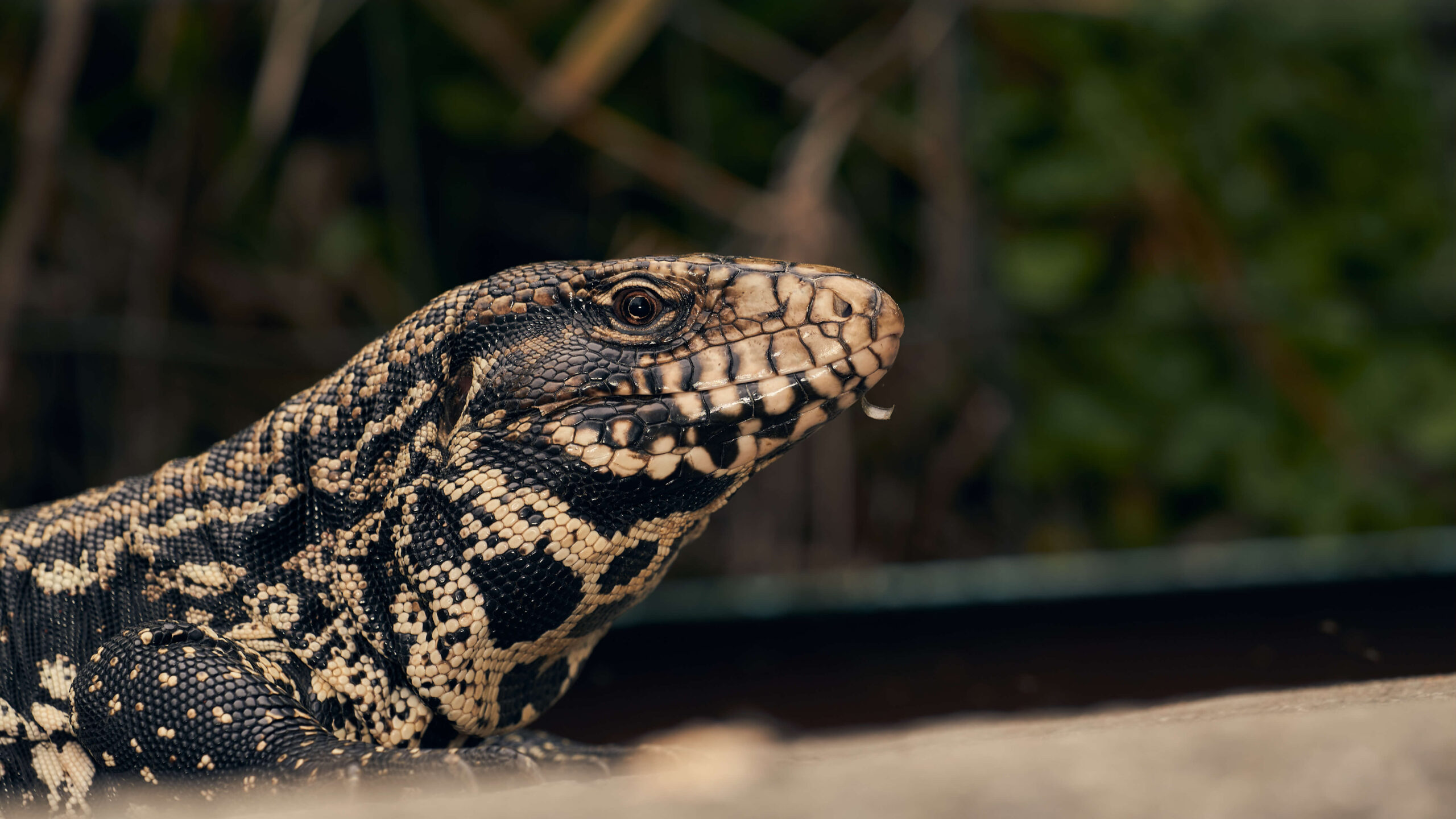
Argentine Tegu
(Salvator merianae)

Plated Lizard
(Gerrhosaurus major)
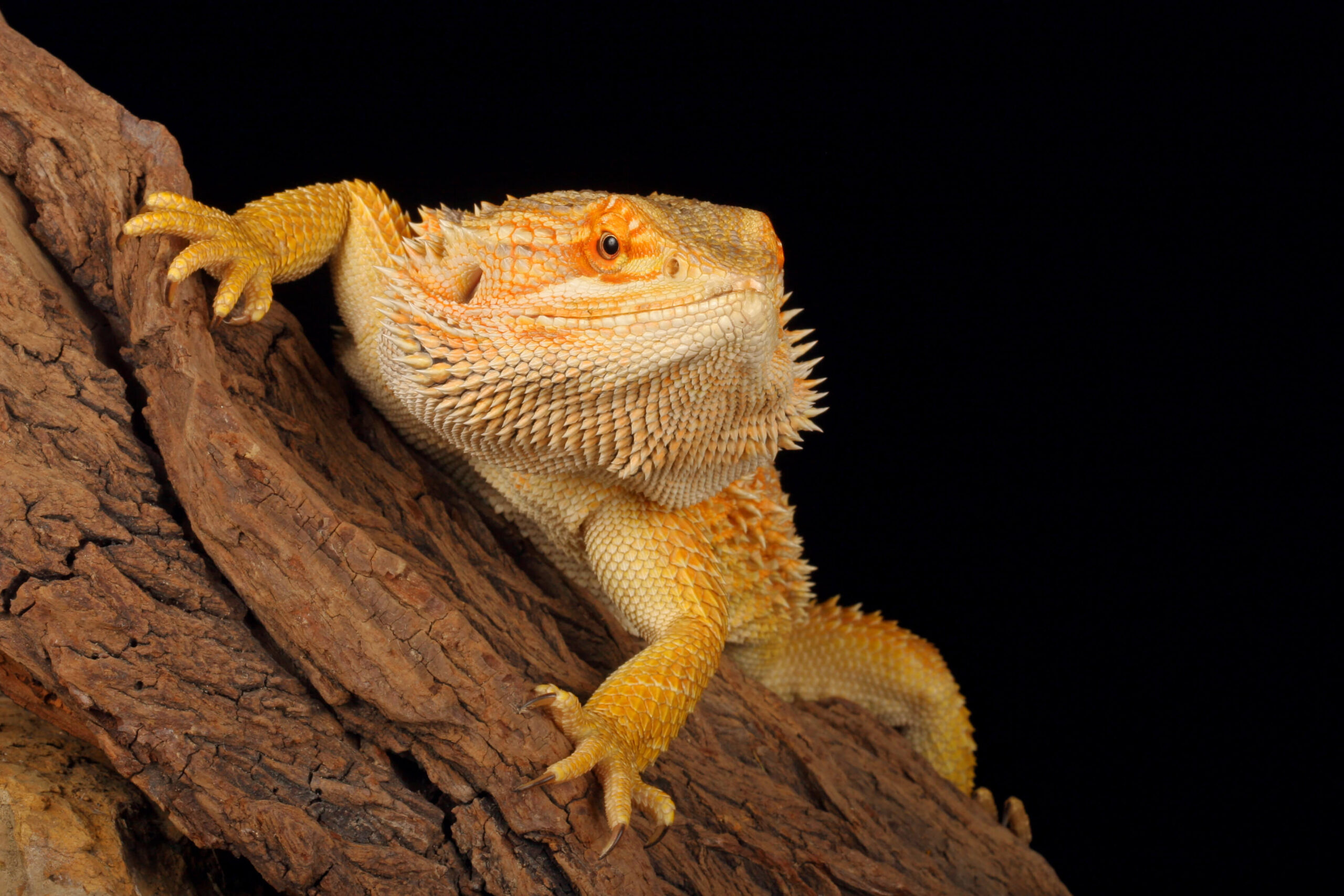
Bearded Dragon
(Pogona vitticeps)
ARTHROPODS:

Desert Millipede
(Orthoporus ornatus)
Madagascar Hissing Cockroach
(Gromphadorhina portentosa)
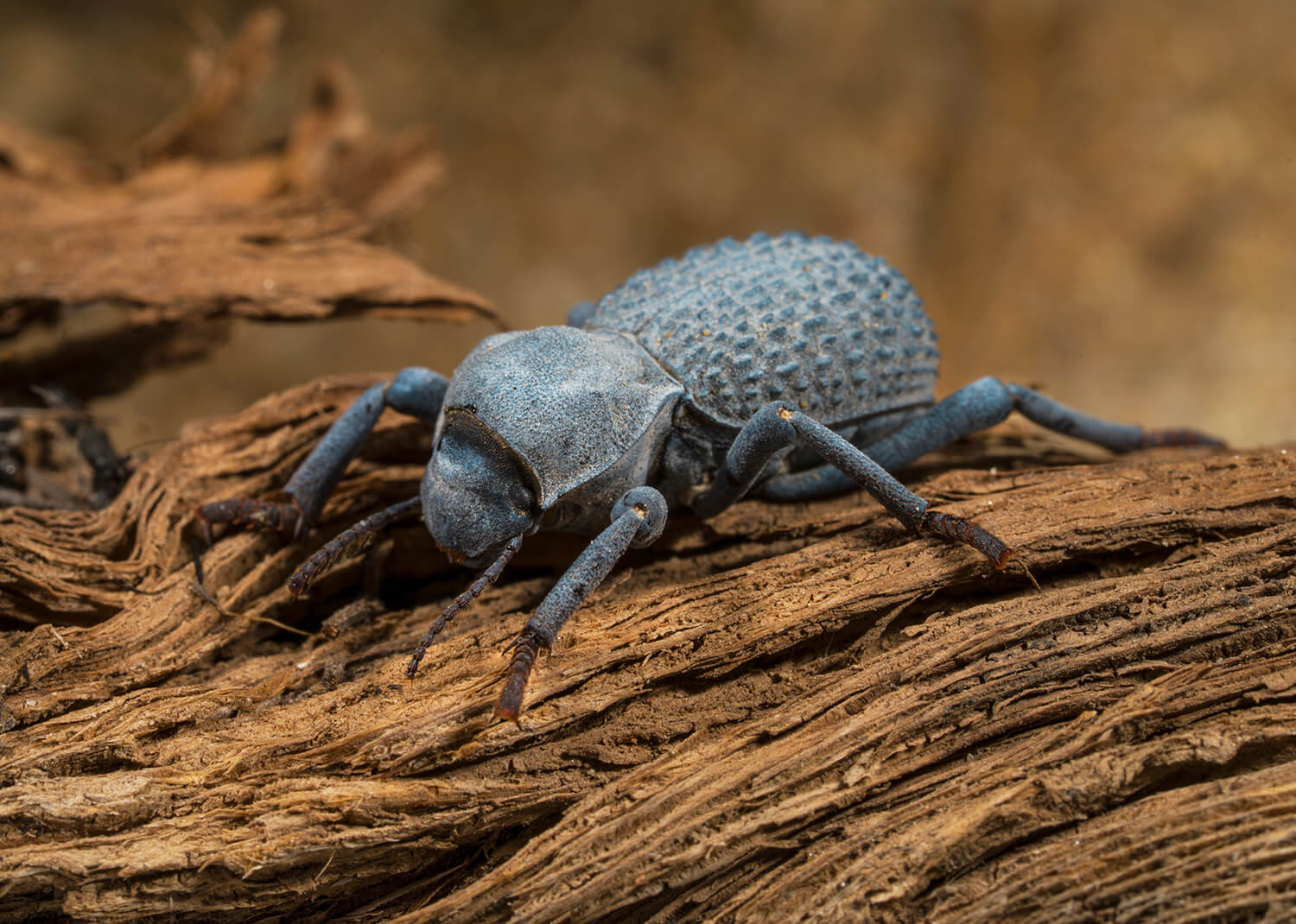
Blue Death Feigning Beetle
(Asbolus verrucosus)