
Russian Tortoise
(Testudo horsfieldii)
“Speedy”
Quick Facts:
Common Name: Sulcata Tortoise or African Spurred Tortoise
Scientific Name: Centrochelys sulcata
Native Range: Southern edge of the Sahara Desert in Africa
Habitat: Arid grasslands and savanna
Diet: Herbivorous—grasses, weeds, and succulents
Conservation Status: Vulnerable (IUCN)

Meet Our Resident
This small, charming tortoise delights in “fast” running against walls, windows, or other objects! That is how he got the name “Speedy.” Speedy once lived at a local elementary school, but during the COVID 19 pandemic, he needed a home. He never moved back to the school, and is a great part of the Burpee Museum Team!
Natural History & Behavior
Russian Tortoises are hardy, long-lived reptiles that tolerate wide temperature swings. They hibernate during cold months and aestivate during extreme heat, conserving energy and water.
Evolutionary Connections
The Testudo lineage stretches back to the Miocene and is well represented in the fossil record. Their consistent morphology across millions of years highlights evolutionary success in simplicity and endurance.
Wild Habitat & Distribution
Native to dry grasslands and rocky foothills of Central Asia, favoring loose soil for burrowing.
Conservation & Status
Wild populations are declining due to overcollection and habitat conversion. Burpee’s captive-bred specimen encourages visitors to consider ethical pet trade practices and the fragility of arid ecosystems.
SNAKES:

Ball Python
(Python regius)
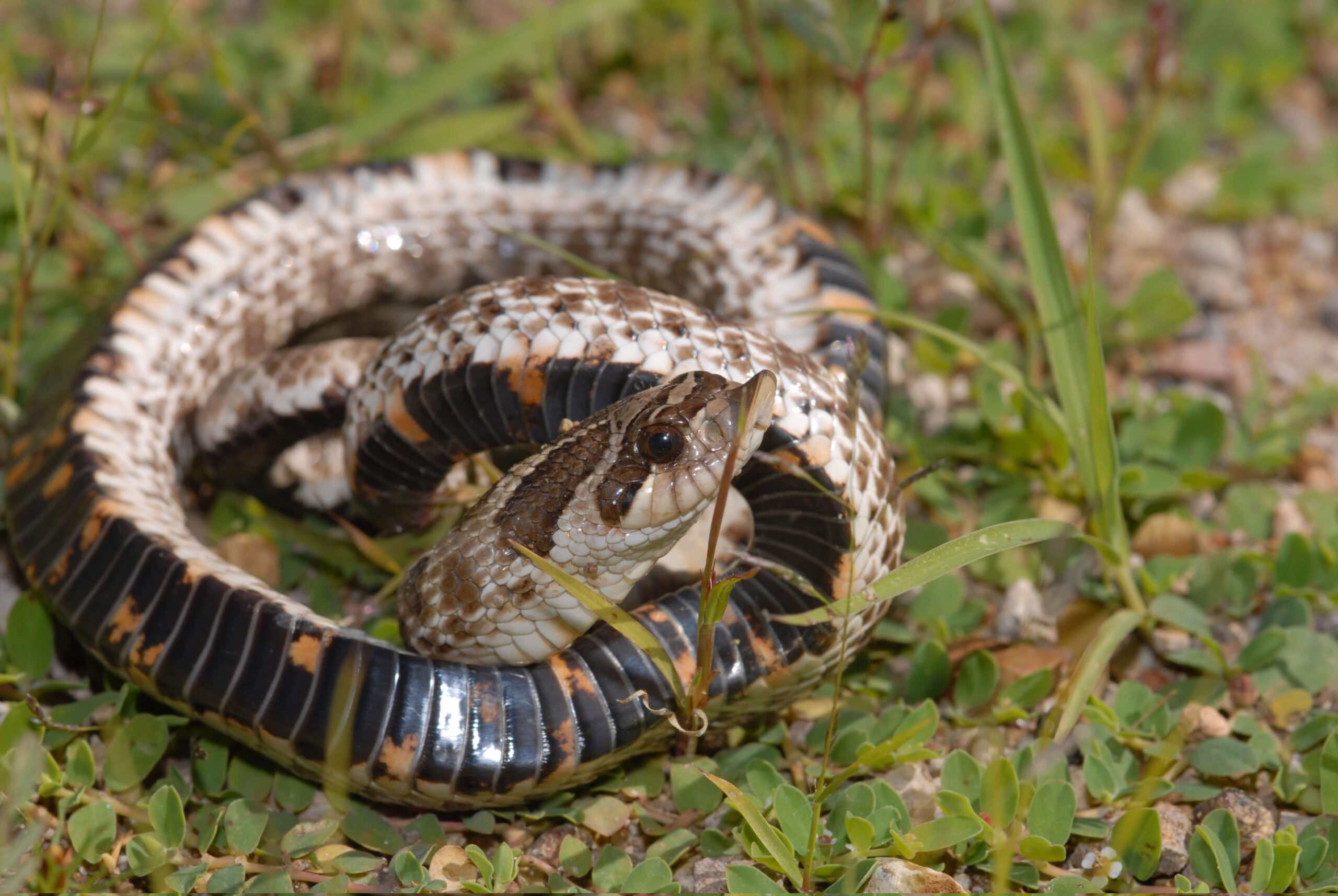
Western Hognose Snake
(Heterodon nasicus)
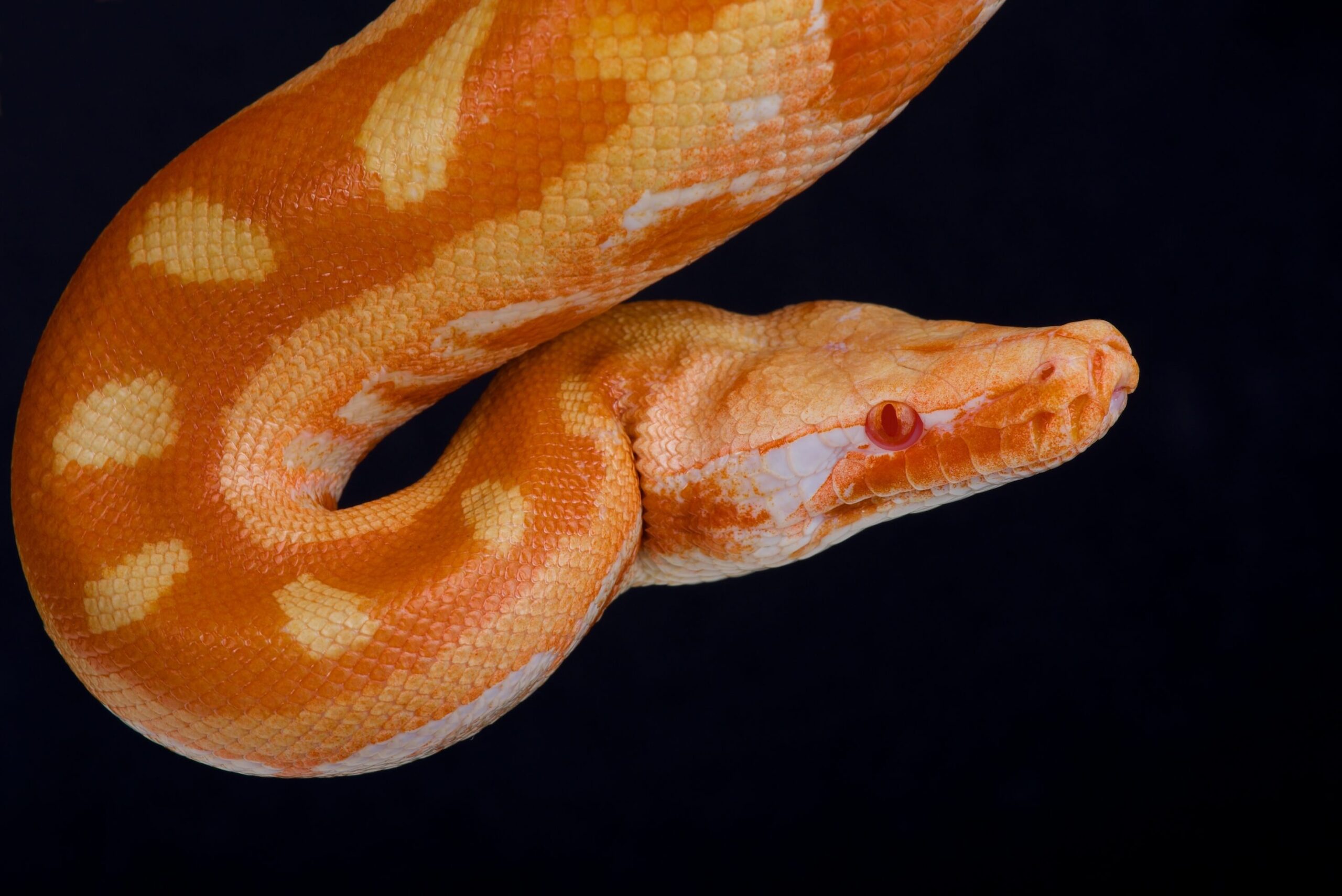
Blood Python
(Python brongersmai)
TURTLES:

Sulcata Tortoise
(Centrochelys sulcata)
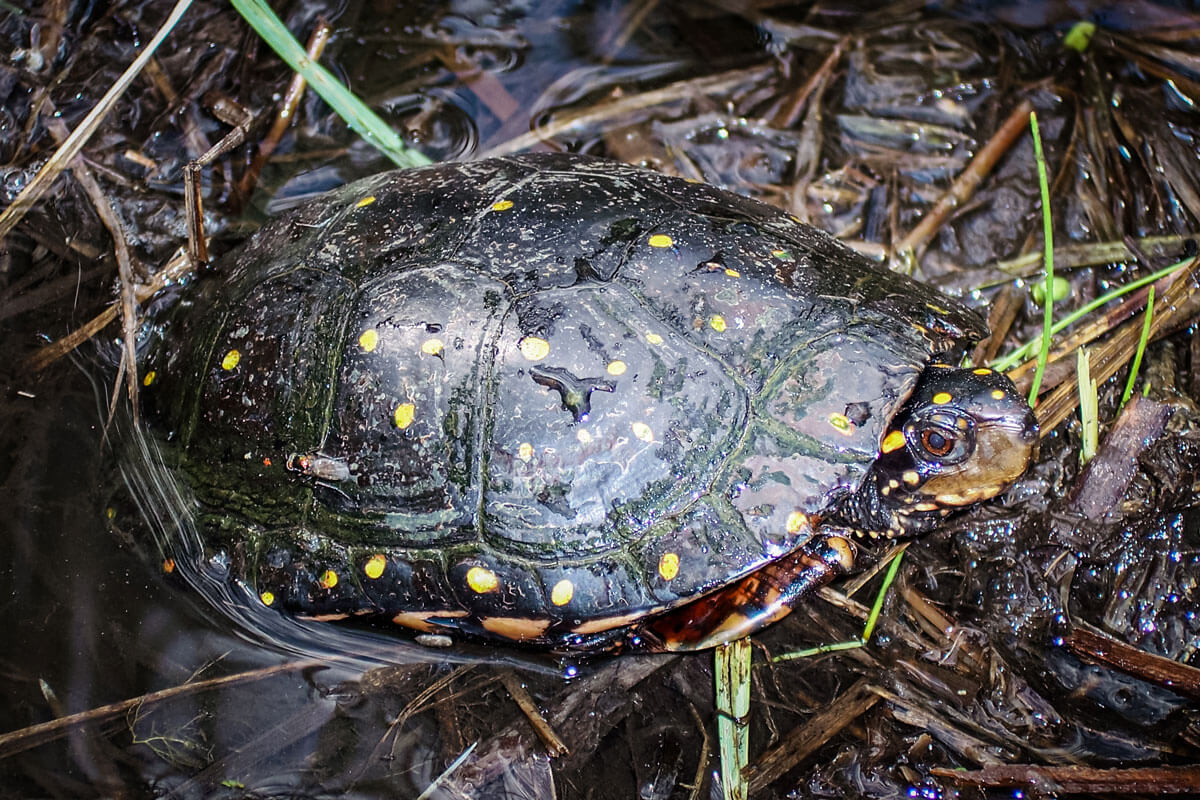
Spotted Turtle
(Clemmys guttata)

River Cooter
(Pseudemys concinna)
LIZARDS:
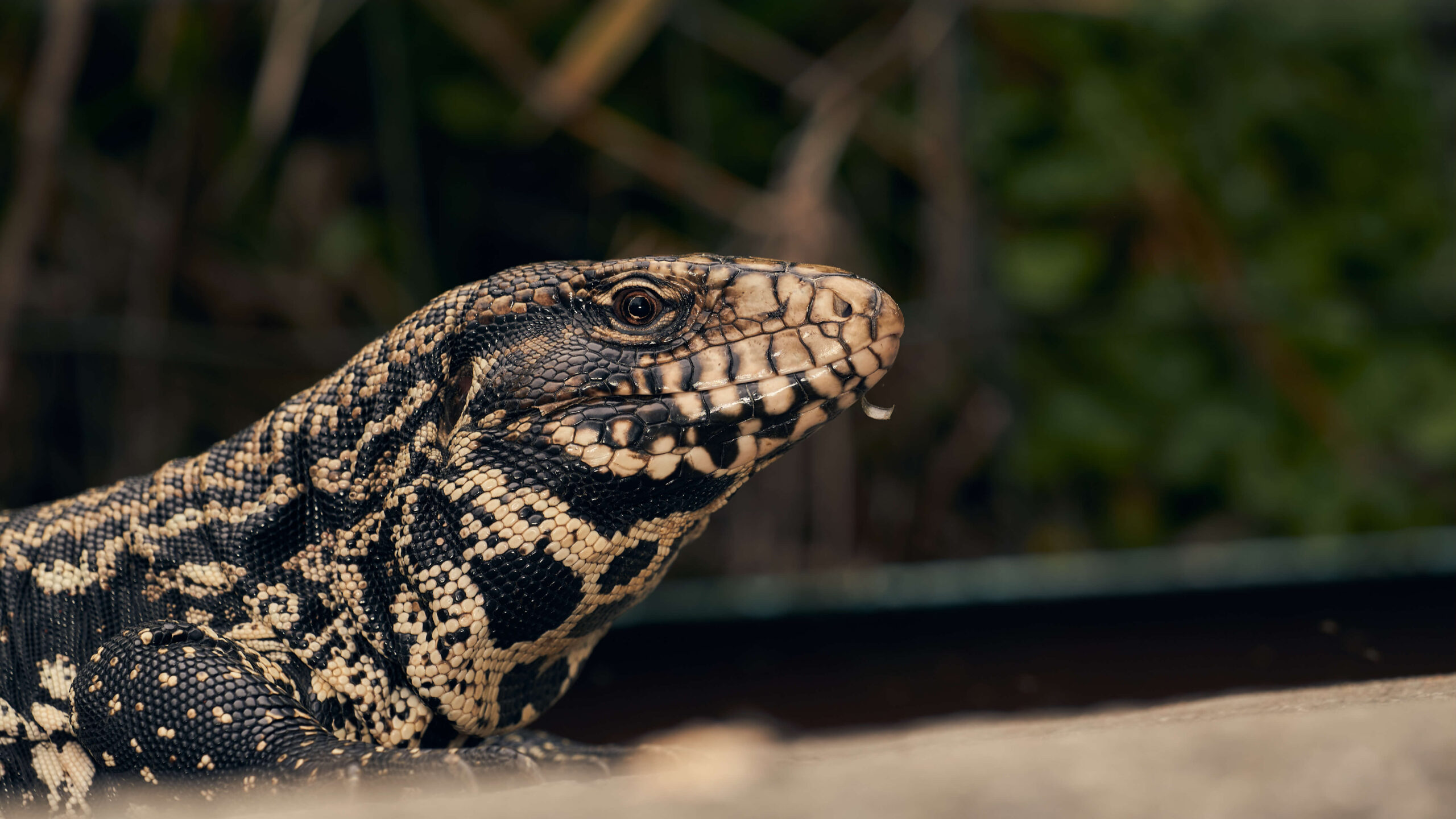
Argentine Tegu
(Salvator merianae)

Plated Lizard
(Gerrhosaurus major)
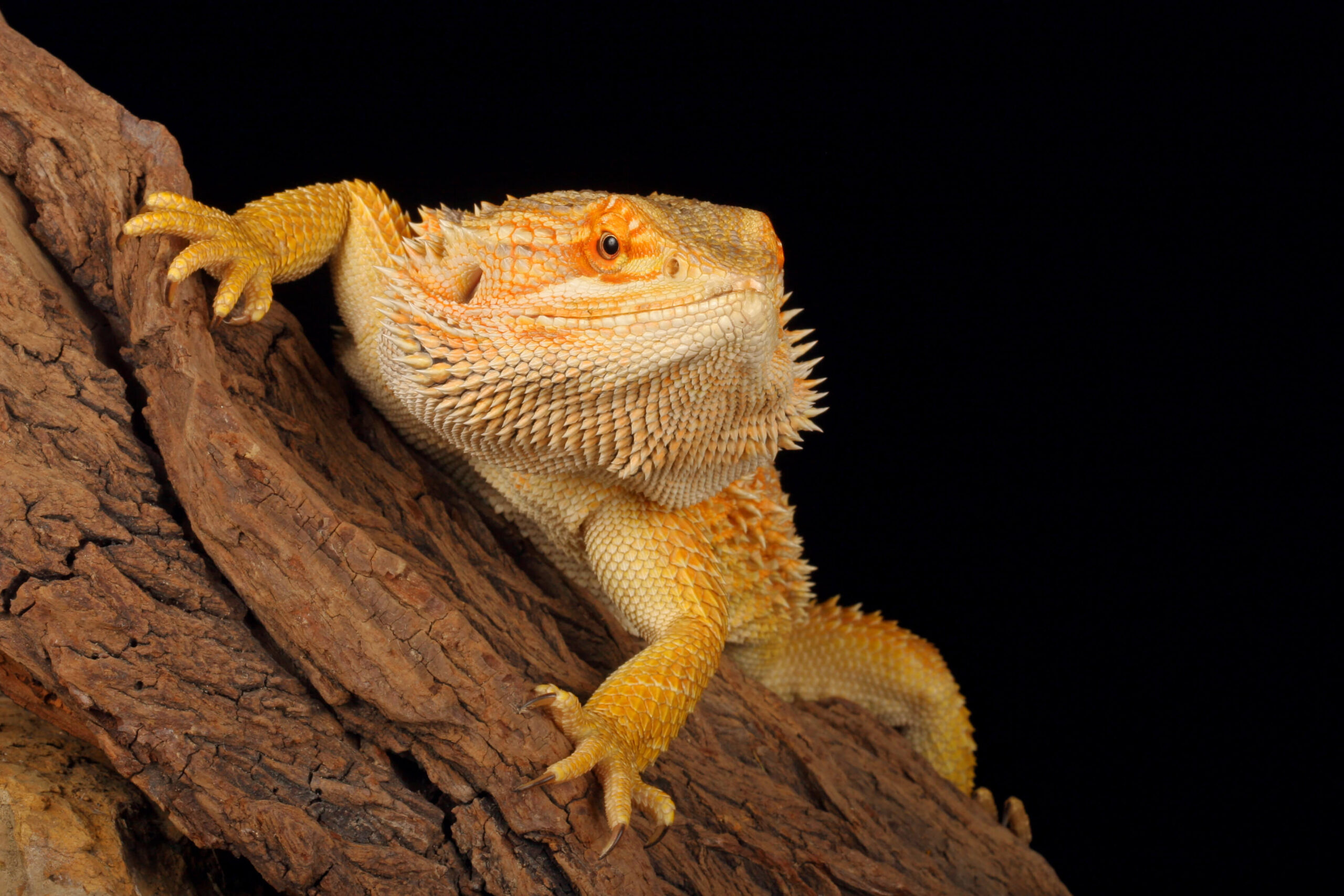
Bearded Dragon
(Pogona vitticeps)
ARTHROPODS:

Desert Millipede
(Orthoporus ornatus)
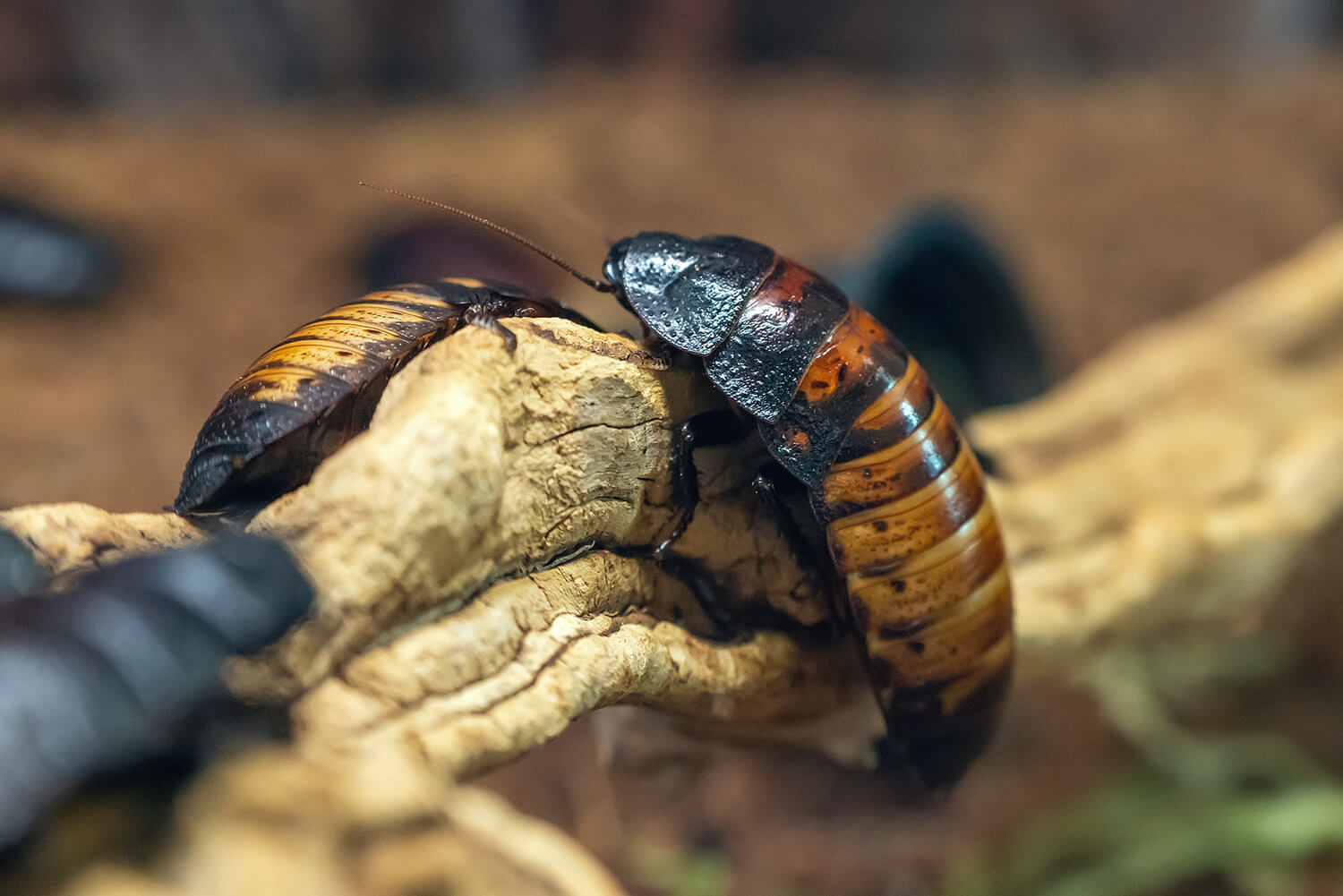
Madagascar Hissing Cockroach
(Gromphadorhina portentosa)
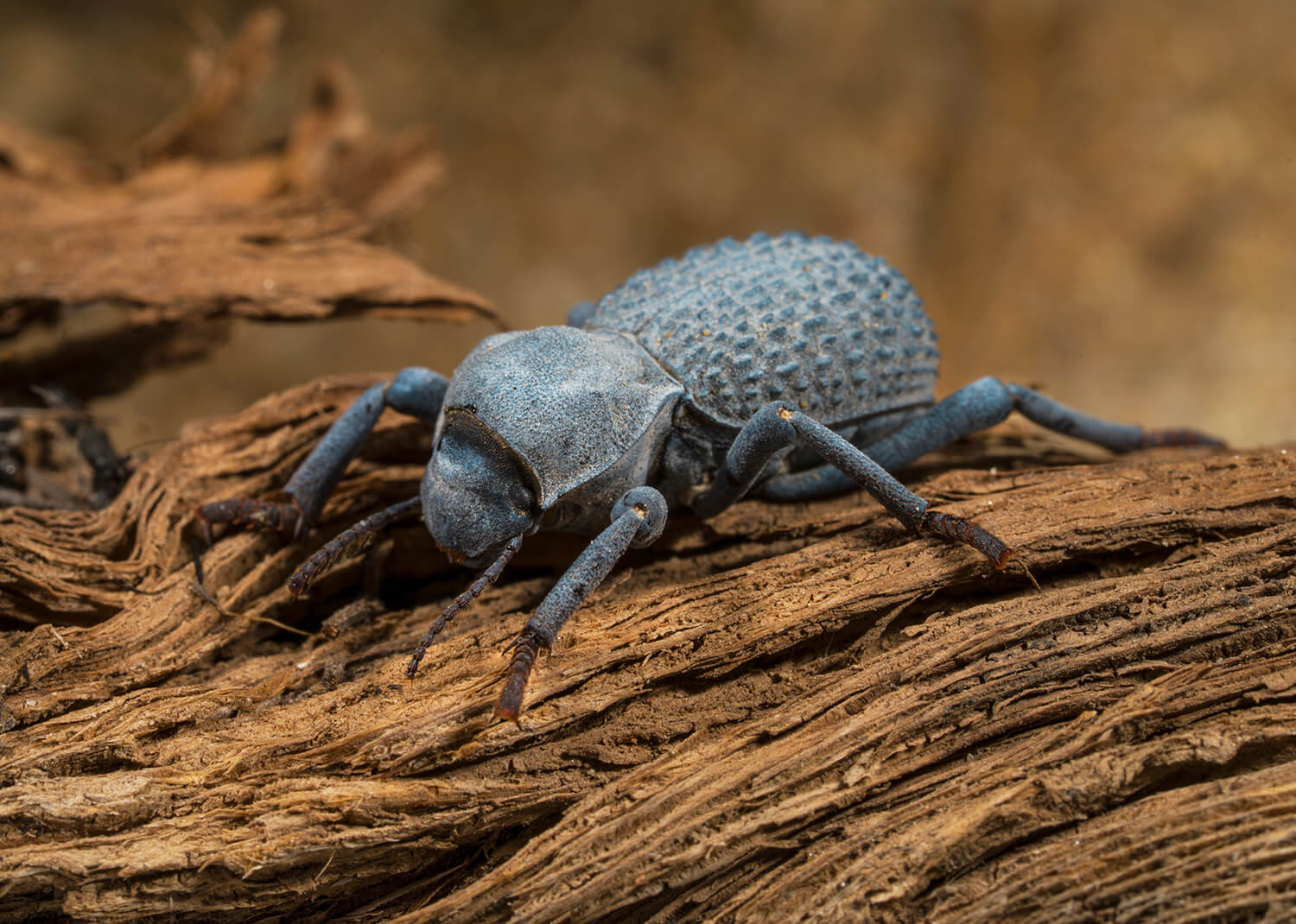
Blue Death Feigning Beetle
(Asbolus verrucosus)