
Threatened, Endangered, and Extinct Plants of Illinois
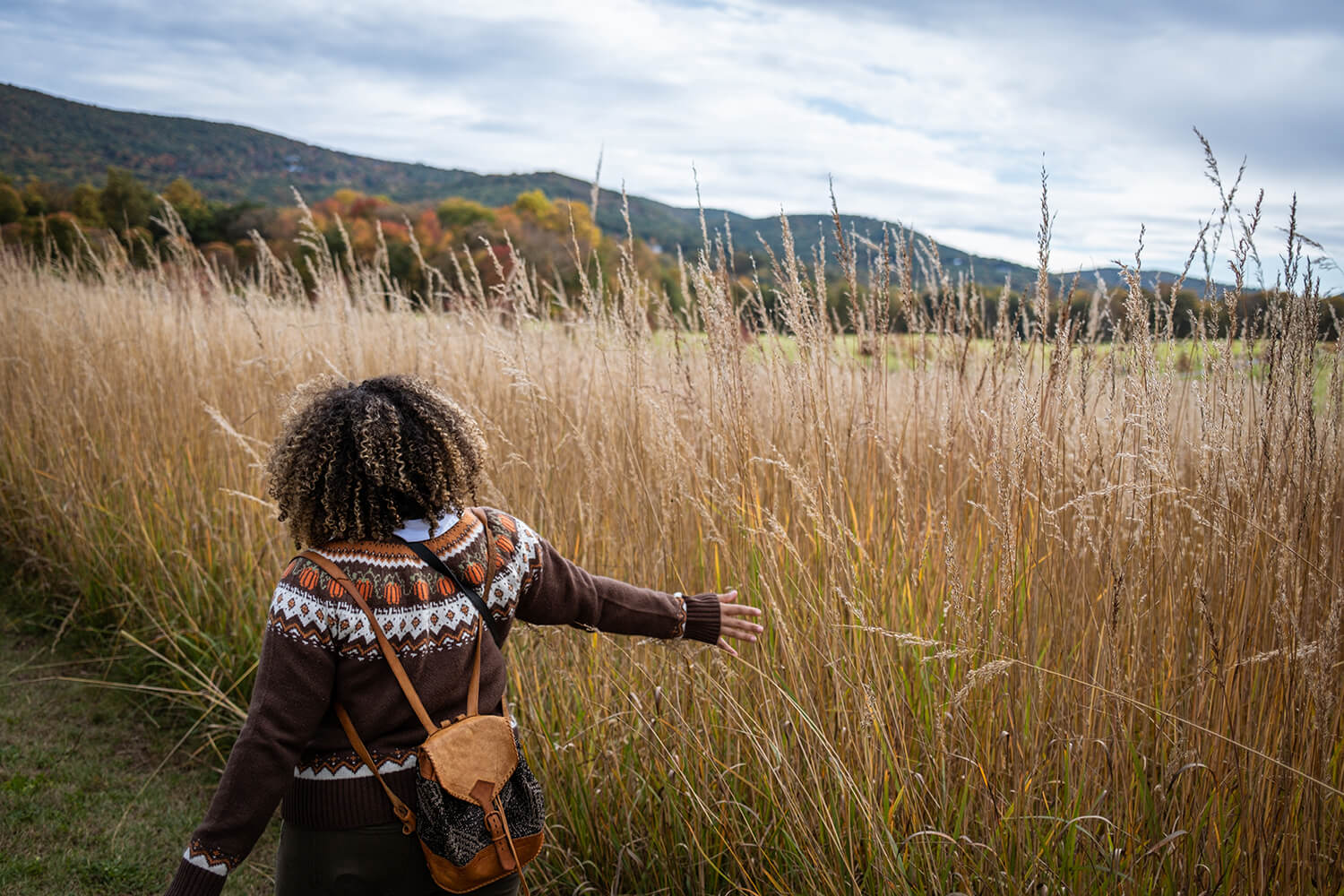
Illinois was once a landscape of sweeping prairies, rich wetlands, and diverse woodlands. Today, less than one-tenth of one percent of original prairie remains, and many native plants that shaped these ecosystems now survive only in scattered remnants or not at all. The state’s official lists of threatened, endangered, and extirpated plants offer a window into both loss and resilience.
Plants on the Edge
Threatened and endangered plants are species at risk of disappearing from Illinois. Many are specialists, adapted to the unique soils, hydrology, and fire cycles of the region’s original habitats. Species like eastern prairie fringed orchid, prairie bush clover, and kittentails persist only where high-quality prairies, fens, or savannas remain intact. Their vulnerability reflects the pressures of habitat conversion, invasive species, and altered fire and water regimes.
Silent Extinctions
Some plant species have already been lost from the state’s landscape. These extirpated species, once part of Illinois’s natural heritage, include plants of sand prairies, hill prairies, and wetlands that were destroyed or fragmented beyond recovery. Their disappearance underscores how quickly unique ecosystems can vanish once disrupted.
Why Their Survival Matters
Native plants hold ecosystems together. They support pollinators, stabilize soil, filter water, and provide food and habitat for wildlife. When plant diversity declines, entire communities unravel. Protecting rare species helps safeguard the intricate ecological relationships that define Illinois’s natural areas.
Restoration and Hope
Across the state, conservationists, land managers, and volunteers are restoring prairies, managing invasive species, and reintroducing fire — essential steps in giving these plants a future. Each protected remnant and every restored acre is a living archive, preserving the botanical legacy of Illinois and the possibility of recovery for its rarest species.
Saving plants means saving ecosystems and preserving the stories of Illinois’s natural world for generations to come.
On exhibit in Conservation Corridor:
Species:Synthyris bulli
Common Name: Kitten Tails
Synthyris bullii is a rare perennial wildflower in the family Plantaginaceae. Historically it has also been classified under names such as Besseya bullii or Veronica bullii, but modern treatments generally place it within the genus Synthyris. It is endemic to and only naturally found in the Midwest in the United States.
Synthyris bullii grows as an erect forb, typically reaching about 20–40 cm in height. It bears a basal rosette of hairy, broadly oval leaves, with deeply veined surfaces and rounded-toothed margins; petioles are long.
In late spring, it produces a single, unbranched, hairy flower stalk, often 5–15 cm long, bearing many small, yellow, bilabiate flowers clustered densely toward the top. After flowering, the plant forms small dry capsules (fruits) covered in fine, stiff hairs, from which seeds are released.
Habitat & Ecology
Synthyris bullii is adapted to dry, sandy or gravelly soils typically found in prairies, oak savannas, dry-mesic sand prairies, & woodland openings or bluff-edge habitats. Many of its remaining populations are restricted to remnant prairie and savanna fragments, often on sandy or gravelly hillsides or glacial deposits.
The plant is pollinated primarily by small bees, and its flowers are protogynous (stigmas receptive before pollen is released), which can encourage cross-pollination.
Conservation Status and Challenges
Synthyris bullii is considered rare throughout its range and is listed as threatened in Illinois.
Major threats include loss or fragmentation of its prairie and savanna habitats due to development or land-use change,“Woody encroachment”, where overgrowth of shrubs or trees into formerly open savanna/prairie habitat reduces the sunlight and alters microhabitat conditions and low recruitment rates. While seeds can remain viable for years under storage, germination rates in greenhouse studies have been modest, particularly for older seeds or seeds from shaded/shrub-encroached habitats.
Why It Matters
Although inconspicuous compared to showy wildflowers, Synthyris bullii is an important relic of the native prairies and savannas that once covered much of the Upper Midwest. Its presence and continued survival provides a window into the ecological diversity of those ecosystems before widespread agriculture, development, and fire suppression reshaped the land.
Protecting and managing remnant prairie and savanna habitats (by preventing woody encroachment, using careful prescribed burning, and minimizing disturbances) is critical for the survival of Synthris bulli.
Species:Asclepias lanuginosa
Common Name: The Woolly Milkweed of the Prairie
Asclepias lanuginosa, commonly known as woolly milkweed, is a small, softly pubescent perennial native to the prairies and open savannas of central North America. Though less familiar than its showier relatives, this compact milkweed holds an important ecological niche within mixed-grass and tallgrass ecosystems.
Botanical Characteristics
Woolly milkweed typically grows 15–40 cm tall, with narrow, opposite leaves covered in fine, downy hairs that help reduce moisture loss in windy, sun-exposed landscapes. Its spherical clusters of pale lavender to light pink flowers appear in early to midsummer. Like all milkweeds, the flowers are intricately structured, relying on insect visitors to transfer pollinia from plant to plant.
Ecological Role
Despite its modest size, A. lanuginosa is a valuable resource for prairie pollinators. Bees, wasps, and small butterflies visit its nectar-rich blossoms. Its foliage provides a host plant for monarch butterfly caterpillars, though the species is generally less abundant than common or swamp milkweed. Its seed pods, small, smooth, and lightly hairy, release silky, wind-borne seeds that contribute to the plant’s dispersal across open grasslands.
Conservation and Habitat
Woolly milkweed prefers dry prairies, sandy hills, and lightly disturbed grasslands. While not considered widespread, it persists in remnant prairie fragments where native vegetation remains intact. Habitat loss and conversion of prairies to agriculture have reduced its range in some areas, underscoring the importance of conservation and restoration of native grasslands. It is considered threatened in Illinois.
A Subtle Prairie Specialist
Asclepias lanuginosa may lack the dramatic appearance of more familiar milkweed species, but its understated beauty and ecological significance embody the quiet resilience of prairie flora. It stands as a reminder of the biodiversity supported by North America’s remaining grasslands.