PaleoFest Speaker Lineup
PaleoFest 2026 Speaker Lineup (Bios Below)
This year’s PaleoFest lecture series showcases a dynamic mix of researchers whose work ranges from legendary dinosaurs to the earliest traces of complex life on Earth. Through discoveries made in deserts, caves, polar ice, and museum collections, our speakers reveal how ancient ecosystems functioned and how new evidence continues to challenge long-held ideas. Expect talks that are insightful, surprising, and deeply rooted in the excitement of scientific discovery.
Click a date to see schedules:
Friday, March 6, 2026
Members Honorary Kick Off Event
- 5:30 pm – Main Museum Open
- Doors Open for Reception: Appetizers & Cash Drinks
- Will Call Open to pick up tickets and pre-purchased merchandise
- 6:00 pm – Check-in for Nano vs. T. rex Dino Craft Lab. Child drop offs permitted–enjoy the talk while your children learn at their own pace about the same topic!
- 6:15pm: Nano vs. T. rex Dino Craft Lab Begins.
- 6:15pm Dr. James Napoli: “Nanotyrannus lethaeus: how new evidence revealed Rockford’s own tyrannosaur species was hiding in plain sight”
- Join one of the lead authors of the groundbreaking 2025 Nature paper on the reclassification of “Jane.” from Stonybrook University.
- Hear the inside story of how Nanotyrannus was officially recognized as a distinct species.
- 7:30 pm – Museum Closes
The Scientist Who Solved the Mystery of “Jane”
Dr. James Napoli is an evolutionary biologist and vertebrate paleontologist at Stony Brook University who has spent years investigating one of science’s most heated debates: Was “Jane” a baby T. rex, or something entirely new?
In a historic Nature paper (October 2025), Dr. Napoli and his team provided the definitive answer. By examining over 200 tyrannosaur fossils and using cutting-edge 3D modeling, he proved that Nanotyrannus is a real, distinct species—not just a young T. rex.
Why you can’t miss this session:
The Inside Story of Nanotyrannus lethaeus: Dr. Napoli named this new species after the River Lethe (the river of forgetfulness), a nod to how this predator remained “hidden in plain sight” for decades.
Rewriting the History Books: For 30 years, scientists modeled T. rex growth using these fossils. Dr. Napoli will explain why he says paleontology now needs to “demolish the building and rebuild it” to correct our understanding of the dinosaur world.
The “Dueling Dinosaurs” Connection: Hear the high-stakes details of his work with the Dueling Dinosaurs specimen—a Nanotyrannus and Triceratops locked in a prehistoric battle—and how it helped confirm Jane’s true identity.
Join us at the Friday Honorary Member Kick-Off to meet the man who officially gave Rockford’s favorite dinosaur a name of her own.
Pro-Tip: Dr. Napoli is a master at making complex anatomy sound like a detective story. This is the perfect talk for anyone who loves a good scientific mystery or wants to know how new technology is changing what we know about the past.
🎟️ Tickets that include Friday Night Talk
Saturday, March 7 Lecture Schedule
| 8:30 am | Doors Open for Research Ticket Holders | Main Museum | |
| 9:15 am | Lecture Hall Opening Remarks | Riverview Room | |
| 9:30- 10 am |
Willie Friemuth, North Carolina State University “Utah’s Sister Sickle-Makers: paleobiological insights from two therizinosaurian bonebeds”
|
Riverview Room | |
| 10- 10:30 am |
Mary Droser “Animals, Sediments, Slime, Muck and Goo: The Record of Earth’s Early Animals and their Environments with Implications for Discovering Life Elsewhere” |
Riverview Room | |
| 10:30-11 am | Lecture Break | ||
| 11:00-11:30 am |
John Moretti, University of Texas “Exploration of water caves in central Texas reveals previously unknown aspects of the Ice Age animal community” |
Riverview Room | |
| 11:30-12 pm |
Madelyn Turala, East Tennessee State University “Estimating body size of extinct crocodilians based on skeletal remains ” |
Riverview Room | |
| 12:00-1 pm | Lunch Break | Mahlburg Auditorium | |
| 1:30-2 pm |
Mitchell Riegler, University of Florida “Hidden Anatomy of Worm Lizards: New Insights from Modern Imaging and 56 Million years of Fossils” |
Riverview Room | |
| 2:oo -2:30 pm |
Courtney Sprain, University of Florida “T-Rex and the Crater of Doom?” |
Riverview Room | |
| 2:30-3:00 pm | Lecture Break | Main Museum | |
| 3:00-3:30 pm |
Fatima Husain, MIT “Eukaryotic life from a Snowball Earth analogue environment on the McMurdo Ice Shelf, Antarctica” |
Riverview Room | |
| 4:00-4:30 pm |
Dr. Thomas Dudgeon, Royal Ontario Museum “TBD” |
Riverview Room | |
| 5:00 pm | Museum Closes to non dinner & Keynote Guests | Main Museum |
Saturday Evening, March 7th, 2026
Location: Burpee Museum Woodward Traveling Exhibition Hall
| 5:00 pm | PaleoReception in Museum Halls including cash bar, networking, and music | ||
| 5:30 pm | VIP Doors Open for Dinner Seating | ||
| 6:00pm | Doors Open for All to PaleoReception & Dinner Seating | ||
| 6:30 pm | Dinner Service | ||
| 7:30 pm | Keynote- Dr. Jingmai O’Connor: “Archaeopteryx: Food for flight“ | ||
| 8:30-9:00pm | Live Auction of Special Paleo Items |
- The “Holy Grail” of Fossils: Jingmai served as the lead scientific advisor for the Chicago Archaeopteryx—one of only 13 specimens ever found and arguably the most important transitional fossil in history.
- Breaking News Research: Hear firsthand about her latest study published in Nature (May 2025), which used UV light and CT scans to reveal “invisible” feathers and soft tissues that prove exactly how this “missing link” used its wings to fly.
- A “Researchaholic” with Style: Jingmai is famous for her high-energy, relatable speaking style that bridges the gap between hard science and pure wonder. Whether she’s discussing “dead bird nerd” facts or how birds survived the asteroid that killed T. rex, her passion is contagious.
🎟️Tickets that include the PaleoFest Keynote & Dinner
Sunday, March 8 Lecture Schedule
Sunday 3/8/2026
| 9:00 am | Doors Open for Research Ticket Holders | Main Museum | |
| 9:45 am | Lecture Hall Opening Remarks | Riverview Room | |
| 10:00- 10:30 am |
Dr. Kimi Chappelle, Stony Brook University “Life at the dawn of dinosaur reproduction: growth and faunal diversity from one of the oldest known dinosaur nesting sites” |
Riverview Room | |
| 10:30- 11:00 am |
Lauren Wilson, Princeton University “The evolution of palatal development in the common ancestor of living birds” |
Riverview Room | |
| 11:00-11:30 am | Lecture Break | ||
| 11:30-12:00 pm |
Lee Hall, Museum of the Rockies “A Science Passed by Hand: Why Informal Training In Paleontological Conservation Is No Longer Enough”“ |
Riverview Room | |
| 12:00-12:30 pm |
Dr. Kelsey Arkle “Applying a Modern Analog Technique to Foraminifera to Track Neogene Paleo-Water Depths of the Southern Basin in Trinidad” |
||
| 12:30-2 pm | Lecture Lunch Break | Mahlburg Auditorium | |
| 2:00-2:30 pm |
Henry Thomas, Idaho State University “Dawn of the Feathered Serpents: The Evolution and Diversity of Azhdarchid Pterosaurs” |
Riverview Room | |
| 2:30-3:00 pm |
Joshua Mathews, Burpee Museum “TBD” |
Riverview Room | |
| 3:00-3:30 pm | Lecture Break | Main Museum | |
| 3:30-4:00 pm |
Lena Cole, University of Oklahoma “Going with the flow: reconstructing ancient communities and ecological evolution from the crinoid fossil record” |
Riverview Room | |
| 4:00-4:30 pm |
Dr. Thomas Holtz, University of Maryland “A Small State with Some Big Dinosaurs: Maryland in the Mesozoic” |
Riverview Room | |
| 5:00 pm | Museum Closes | Main Museum |
Stonybrook University
“Nanotyrannus lethaeus: how new evidence revealed Rockford’s own tyrannosaur species was hiding in plain sight”
North Carolina State University
“Utah’s Sister Sickle-Makers: paleobiological insights from two therizinosaurian bonebeds”
“Animals, Sediments, Slime, Muck and Goo: The Record of Earth’s Early Animals and their Environments with Implications for Discovering Life Elsewhere”
University of Texas
“Exploration of water caves in central Texas reveals previously unknown aspects of the Ice Age animal community”
East Tennessee State University
“Estimating body size of extinct crocodilians based on skeletal remains”
University of Florida
“Hidden Anatomy of Worm Lizards: New Insights from Modern Imaging and 56 Million years of Fossils”
University of Florida
“T-Rex and the Crater of Doom?”
MIT
“Eukaryotic life from a Snowball Earth analogue environment on the McMurdo Ice Shelf, Antarctica”
Royal Ontario Museum
“The costs of beauty in duck-billed dinosaurs: relationships between cranial display structures and feeding function”
Stony Brook University
“Life at the dawn of dinosaur reproduction: growth and faunal diversity from one of the oldest known dinosaur nesting sites”
Princeton University
“The evolution of palatal development in the common ancestor of living birds”
Museum of the Rockies
“A Science Passed by Hand: Why Informal Training In Paleontological Conservation Is No Longer Enough”
Augustana College
“Applying a Modern Analog Technique to Foraminifera to Track Neogene Paleo-Water Depths of the Southern Basin in Trinidad”
Idaho State University
“Dawn of the Feathered Serpents: The Evolution and Diversity of Azhdarchid Pterosaurs”
Burpee Museum of Natural History
University of Oklahoma
“Going with the flow: reconstructing ancient communities and ecological evolution from the crinoid fossil record”
University of Maryland
“A Small State with Some Big Dinosaurs: Maryland in the Mesozoic”
PaleoFest 2026 Speaker Lineup
PaleoFest brings together an exceptional and wide-ranging group of paleontologists whose work spans deep time, diverse ecosystems, and cutting-edge research approaches. From iconic dinosaurs and Ice Age mammals to early animal life, ancient climates, and the origins of flight, these lectures explore how fossils, sediments, and new technologies continue to reshape our understanding of Earth’s past.

Dr. James Napoli
Instructor of Anatomical Sciences, Stony Brook University
Date: Friday March, 6 (learn more here)
Talk Title: “Nanotyrannus lethaeus: how new evidence revealed Rockford’s own tyrannosaur species was hiding in plain sight”
Abstract:
Since 2001, Jane – a small, lightly built tyrannosaur from the Late Cretaceous of Montana – has been the center of a fierce scientific debate: the status of the controversial tyrannosaur species Nanotyrannus lancensis. Some paleontologists have always considered these fossils to be Nanotyrannus individuals, but for years, most maintained that they were nothing more than teenaged Tyrannosaurus rex. While the debate raged on, more and more scientists favored the second hypothesis, and the identification of these fossils as T. rex juveniles became the field consensus. However, new evidence has shown that this consensus was incorrect, and resurrected the species Nanotyrannus lancensis as a sleek, swift predator that lived alongside Tyrannosaurus rex. But these results have also shown something even more surprising: Jane is neither Nanotyrannus lancensis, nor a T. rex juvenile. Jane is, instead, the only known member of a new species, called Nanotyrannus lethaeus. In this talk, we will explore the history of the Nanotyrannus debate, the evidence that shows Nanotyrannus was not the juvenile form of Tyrannosaurus rex, and what data led us to the surprising conclusion that Jane was an entirely new species of tyrannosaur that had spent years hiding while on display at the Burpee Museum of Natural History.
Bio:
Dr. James Napoli is a paleontologist who specializes in the taxonomy (species identification) and systematics (evolutionary relationships) of dinosaurs, especially theropod dinosaurs like T. rex, Velociraptor, and birds – their modern descendants. His work uses both fossils and modern animals to develop new tools that allow paleontologists to distinguish between the different kinds of variation that exist within and between species – allowing them to determine which traits are least likely to change during an animal’s growth, and are therefore most useful for identifying what species a fossil belongs to and where it fits into the tree of life. He is an instructor at Stony Brook University, where he teaches human anatomy to medical and dental students. He received his undergraduate degree from Brown University, his PhD from the Richard Gilder Graduate School at the American Museum of Natural History, and before starting at Stony Brook was a postdoctoral researcher on the Dueling Dinosaurs project based at the North Carolina Museum of Natural Sciences.
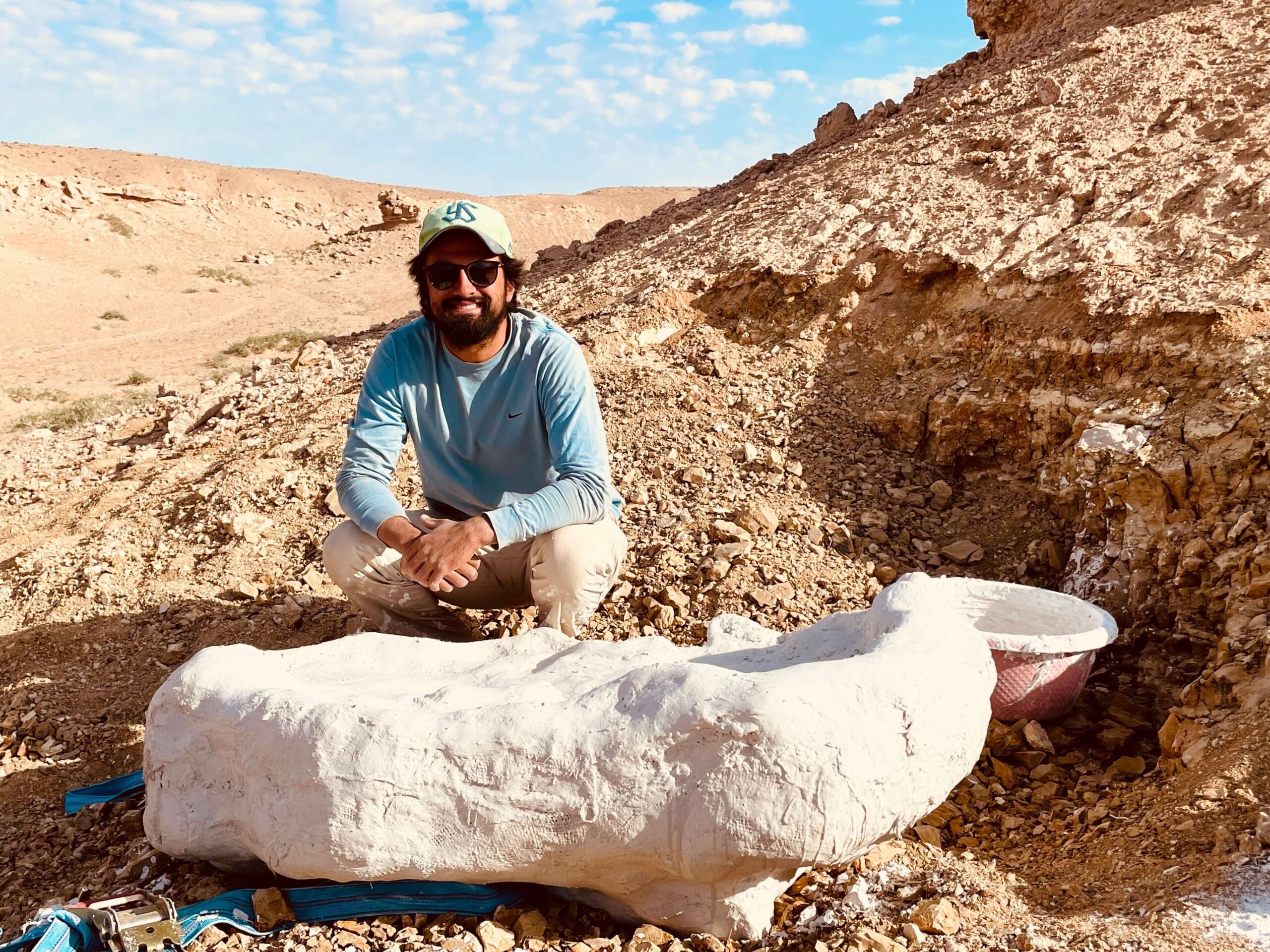
Willie Friemuth
North Carolina State University
Talk title Utah’s Sister Sickle-Makers: paleobiological insights from two therizinosaurian bonebeds
Abstract
Bonebeds—multi-individual fossil “graveyards”, sometimes of a single species—are exceptional fossil deposits that provide clues into social behaviors, growth, and variation of extinct animals. Although relatively common in the fossil record of non-avian dinosaurs, bonebeds for closely related dinosaur species are rare, which obscures any behavioral or developmental differences that could have promoted ecological and evolutionary changes in close relatives. Two bonebeds from the Early Cretaceous Cedar Mountain Formation of Utah capture population “snapshots” of two therizinosaur species—early members of the bird-like maniraptorans that famously evolved large bodies, beaked faces, long-clawed hands, and four-toed feet. The first site, the Crystal Geyser Quarry (CGQ), entombs >5,000 disarticulated bones of the primitive therizinosaurian, Falcarius, likely derived from a mass mortality event. The second bonebed, the Suarez Site, records a similar deposit (>2,000 specimens) of a distinct, closely related therizinosaurian,
“Geminiraptor”. Together, these sites offer a unique study system to explore fine-scale differences in morphology, growth, and behavior between closely related species. A series of new cranial bones from each site allowed us to digitally reconstruct the skulls of these species, which frame the evolutionary timing and pattern of the unique therizinosaurid skull. We also generated one of the largest bone histology datasets among theropod dinosaurs (≥ 31 femora) to compare microstructural growth patterns. We identified a greater number of “mature” individuals at the Suarez Site compared to CGQ, implying each bonebed represents a different social behavior (possibly reproductive vs. foraging/anti-predator reasons). By tracking the appearance of different bone tissue types along individual growth trajectories, we estimated the timing of reproductive maturity and quantified growth variability in these two species, which may approximate the ancestral condition for maniraptorans. Combined, these bonebeds offer an unprecedented window into the paleobiology of Utah’s earliest “sickle-maker” dinosaurs.
Bio:
William “Willie” Freimuth is a recent Ph.D. graduate from North Carolina State University and the NC Museum of Natural Sciences. His dissertation research focused on the anatomy, systematics, and paleobiology of therizinosaurians from the Early Cretaceous of North America. Willie received a master’s degree from Montana State University, where he described the taphonomy and ichnology of Cretaceous mammals and invertebrates from “Egg Mountain”, a dinosaur nesting site. He earned a bachelors degree in Geology from Carleton College, where he also played varsity baseball. Willie currently works at Duke University as an instructor of microbiology. Outside of the lab, field, or classroom, you may find Willie competing at trivia at the local brewery, bird watching, or rooting for the Milwaukee Brewers.
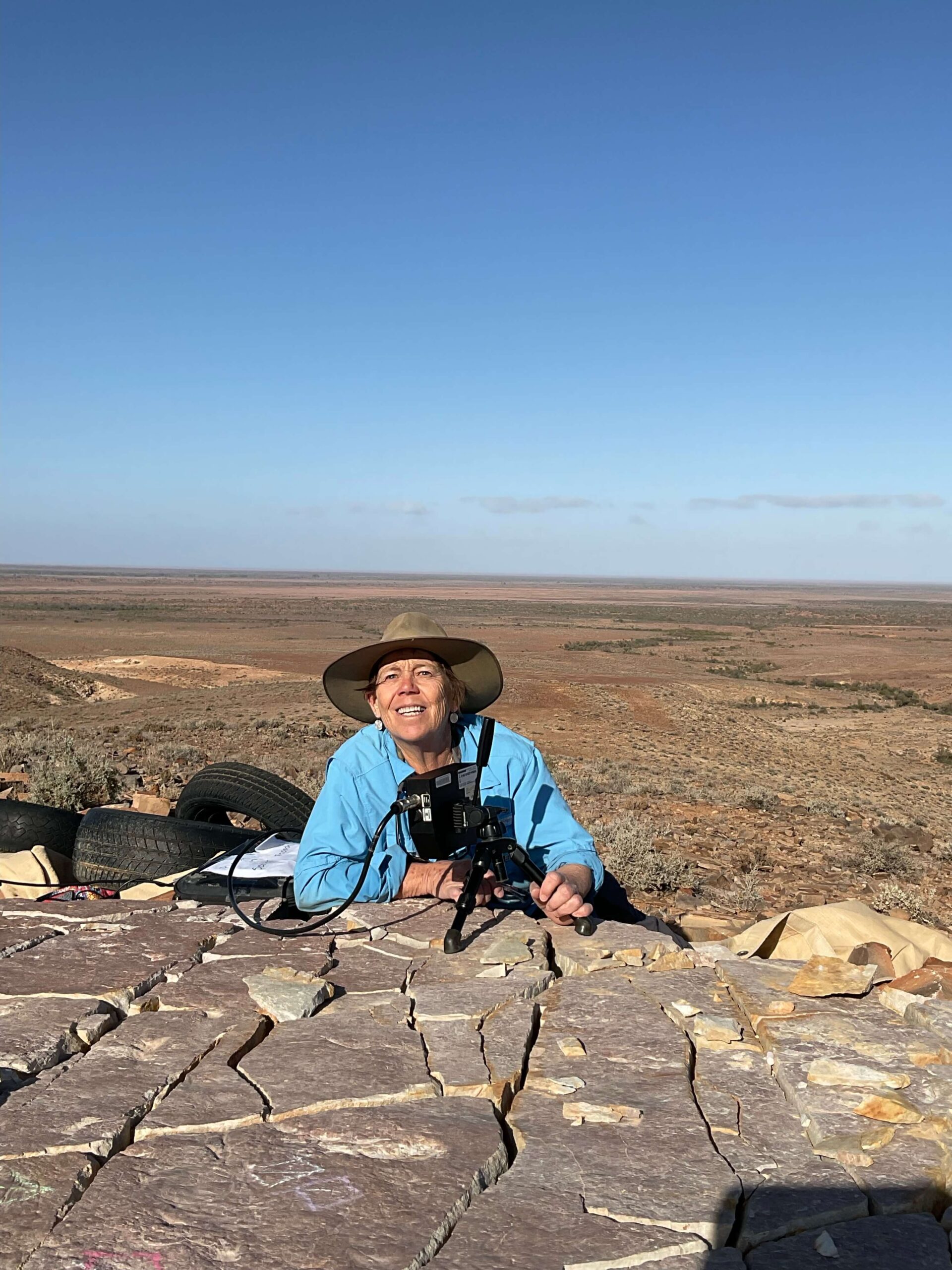
Dr. Mary Droser
Talk Title: Animals, Sediments, Slime, Muck and Goo: The Record of Earth’s Early Animals and their Environments with Implications for Discovering Life Elsewhere
Abstract: Patterns of origination and evolution of early complex life on this planet are interpreted largely from the fossils of the Precambrian soft-bodied Ediacara Biota. Excavation and reconstruction of beds of the Ediacara Member of the Rawnsley Quartzite at the Nilpena Ediacara National Park fossil site in the Flinders Ranges area of South Australia has exposed nearly 400 square meters of fossiliferous bedding planes. As a result, the taphonomy and sedimentology of the succession are well-constrained, rendering it possible to disentangle ecological from environmental and taphonomic signals. The excavation and reconstruction of beds at Nilpena yields an exceptional and unique opportunity to examine not only the taxonomic composition of Ediacara communities but also their ecological character at various stages of development and the nature of the complex and diverse organic mat structures. Preserved ecological ‘snapshots’ of fossil assemblages range from immature communities of small-bodied individuals, associated with poorly developed organic mats to communities characterized by a high diversity of macrofaunal taxa, wide range of body sizes and the presence of dense textured organic surfaces. Animals of the Ediacara Biota had an intimate relationship with the organic mats which acted as a food source for early motile organisms and as a place of attachment for sessile organisms living in high energy conditions. Mapping of fossil beds has revealed ecological interactions such as self- thinning and commensalism as well as new body plan – most recently, the oldest ecdysozoan and evidence of chirality. Together with data from other fossil sites around the world, it is very clear that the dawn and early evolution of the animal life is recorded in the Ediacaran Period.
Bio:
Mary Droser is a Distinguished Professor at the University of California, Riverside. Droser has worked for several decades on the fossil record of the Ediacara Biota in South Australia. Along with students and colleagues from the South Australia Museum, Droser has described the oldest sexual reproduction, the oldest evidence of mobility, the oldest animal to live in the water column and our oldest relative – all from South Australia. Droser has also been deeply involved with STEM education and outreach in the US and more recently in South Australia – working to increase awareness of the Earth Sciences as a pathway and career as well as to increase diversity and representation in the Earth Sciences. Droser is the recipient of the 2022 National Academy of Sciences Walcott Medal, the 2024 Paleontological Society Medal and was elected to the National Academy of Sciences in 2025.
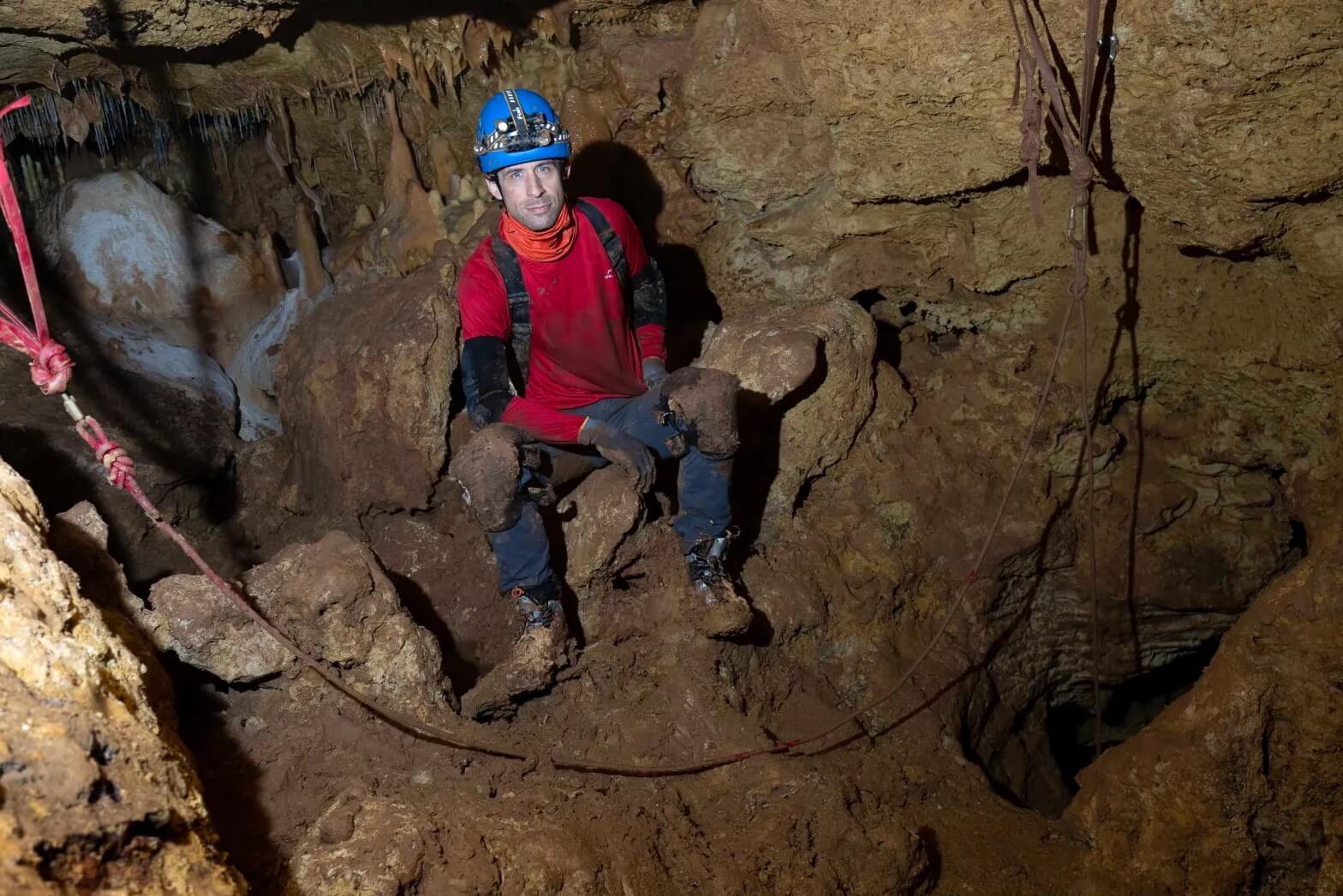
Dr. John Moretti
University of Texas
Talk Title: “Exploration of water caves in central Texas reveals previously unknown aspects of the Ice Age animal community”
Abstract: Fossils preserved in caves on the Edwards Plateau of central Texas were influential in developing our understanding of faunal change and extinction during the Late Pleistocene across North America. That seminal record of the Late Pleistocene was based on materials from dry caves, yet a distinct perspective of the past is now emerging from research in regional water caves. The vertebrate paleontology of these water caves, underground stream systems that act as conduits for groundwater flow and spring discharge, was previously unstudied. We are investigating Late Pleistocene fossils preserved in multiple water caves throughout the Texas Hill Country. Fossils of extinct megafauna and a range of other vertebrates occur underwater, mostly scattered across the floor of the stream passage in each cave. Other fossils occur in submerged layers of breccia or ancient pond deposits. The fossils include megafauna that are exceedingly rare (e.g., mastodon and tapir), or were previously unknown (e.g., pampatheres and giant tortoises) from the region and appear inconsistent with existing paleoenvironmental data. The fossils in each cave also exhibit unique taphonomic patterns that reflect the groundwater dynamics of the underground streams. Yet, the unusual setting and depositional histories of those caves challenge straightforward interpretation of the associated novel fossil records. Accessing and navigating these cave systems presents a different set of challenges, requiring technical caving skills, grit and determination, and very reliable headlamps! In this talk, I will introduce you to the water caves of Texas and cover all aspects of their exploration, including the latest results of our ongoing research.
Bio:
John A. Moretti is a Research Associate in the Jackson School Museum of Earth History Vertebrate Paleontology Laboratory at The University of Texas at Austin. John is a paleontologist studying Quaternary vertebrate dynamics in southwestern North America and his research combines traditional morphological analysis with advanced, multidisciplinary tools (e.g., aDNA, U-Th, 14 C) to glean fresh insights into the origins of extant biodiversity. That research is motivated by broad questions about how biotic communities respond to global change and the need to document how and when communities in North America changed over time. John holds a B.A. in Anthropology and an M.S. in Interdisciplinary Studies from Texas Tech University and recently completed his Ph.D. work at The University of Texas at Austin. He has produced or contributed to 11 scholarly publications, regularly presents at major conferences, and maintains an active science communication/outreach program in central Texas, where he is based.
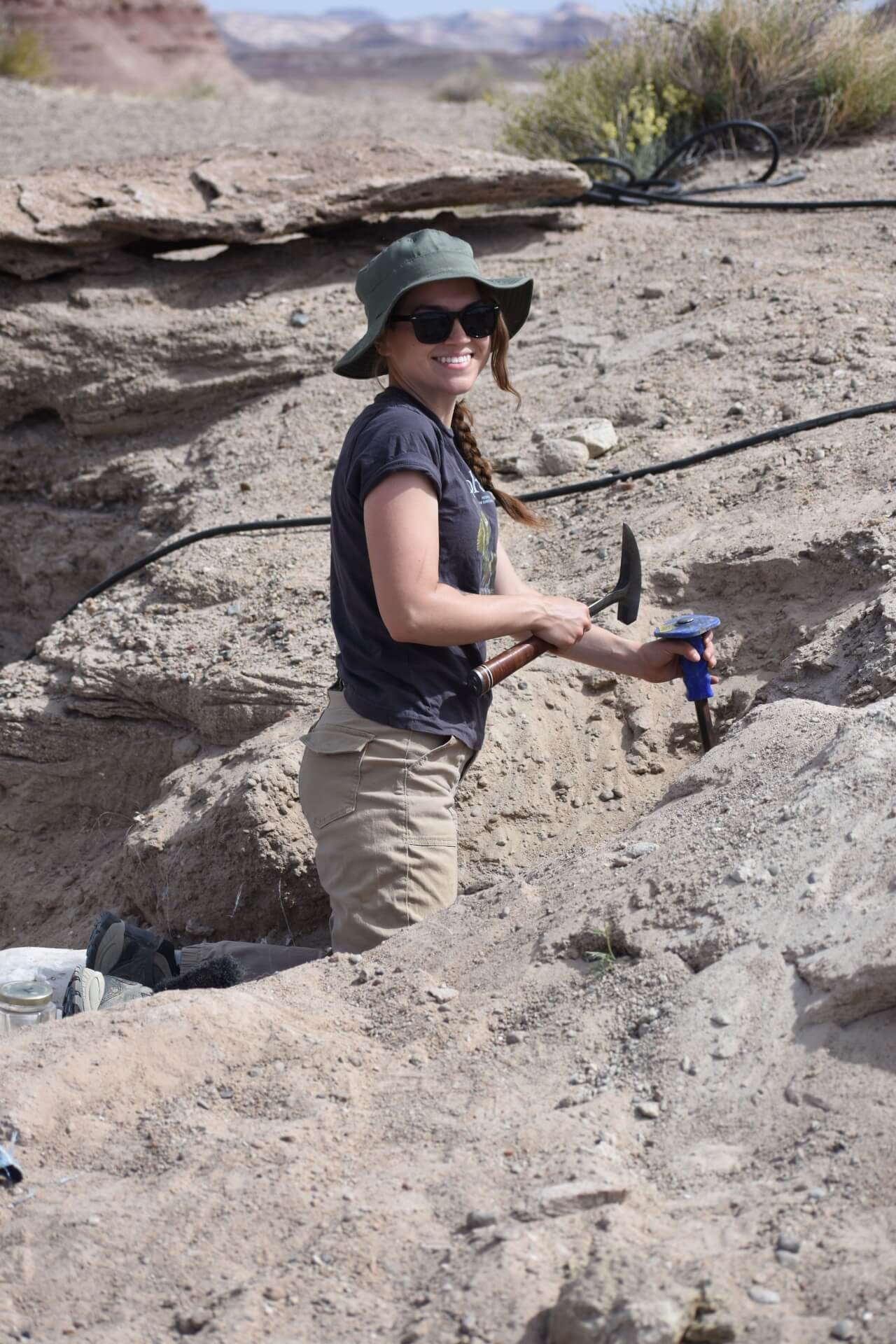
Madelyn Turala
East Tennessee State University
Talk Title: Estimating body size of extinct crocodilians based on skeletal remains
Abstract: Body size is associated with nearly every aspect of an organism’s biology, and estimation of size in extinct animals is regularly used to characterize their life histories. Prior studies have examined correlation of total body length (TL) to skeletal measurements in the American alligator (Alligator mississippiensis), with some measurements being better predictors of total length than others. Femur length (FL) has been found to be tightly correlated with total body length in A. mississippiensis, and this relationship has often been used to estimate the body size of extinct crocodilians. In this study, we examine correlations of other limb elements (humerus, radius, ulna, and tibia) with TL in a large sample of modern A. mississippiensis and their utility for body size estimation of extinct crocodilians. This new approach expands the tool kit available to paleontologists and will facilitate total length estimation for some extinct crocodilians known from fragmentary remains. Results show multiple limb elements are effective proxies for estimation of size. Application of regression equations to fossil taxa yields estimates that provide new insights into the paleobiology of prehistoric crocodilians.
Bio:
Maddie Turala is a master’s student in paleontology at East Tennessee State University and conducts research at the Gray Fossil Site. Her work centers on fossil crocodilians, with a particular focus on the genus Alligator. She is currently describing a new species from the Gray Fossil Site and developing methods to estimate body size from isolated skeletal elements. In addition to her work on fossil crocodilians, Turala has pursued research in cave paleontology, including the preparation and conservation of fossil resources from North American cave systems. She earned her bachelor’s degree in Geosciences at ETSU, concentrating in Paleontology and minoring in Geology, GIS, and Geography. Turala serves as Head Teaching Assistant in the paleontology program at ETSU and is actively involved in science outreach, regularly engaging with local schools, community events, and visitors at the Gray Fossil Site. She is also president of the ETSU Geosciences Club, organizing interdisciplinary events that connect students and faculty across paleontology, geology, and GIS.
A special Burpee Museum expedidtion and PaleoFest veteran, we are excited to welcome her back for the first time in a speaker capacity!
in 2019, while participating in a Burpee Museum excavation in the Morrison Formation, she discovered and excavated a large Allosaurus premaxilla complete with teeth, the first adult specimen recovered from the site, which is now on display at the Burpee Museum of Natural History.

Mitchell Riegler
University of Florida PhD Student
Talk Title: Hidden Anatomy of Worm Lizards: New Insights from Modern Imaging and 56 Million years of Fossils
Abstract: Worm lizards are small, secretive reptiles that live underground and look more like earthworms than typical lizards. Most species have no limbs and spend nearly their entire lives
burrowing through soil. One family of worm lizards, the Rhineuridae, is especially intriguing because today it is represented by a single species found only in Florida, yet its fossil relatives were once widespread across North America.
Despite their long fossil history, worm lizards are notoriously difficult to study. Their skulls are tiny, delicate, and packed with tightly fused bones, making it hard to see important anatomical details using traditional methods. As a result, scientists have sometimes disagreed about how different species are related to one another and how they lived. In this study, we used an advanced imaging technique called contrast-enhanced CT scanning to create detailed 3D models of the skulls of living worm lizards from five different families. This allowed us to see not only the bones, but also how nerves, muscles, and other soft tissues fit
together. We focused especially on the Florida worm lizard, the only living member of Rhineuridae. We discovered that this species has a unique set of skull and neck features that appear to be specialized for digging. These include openings in the skull that house sensory nerves likely used to detect movement underground, as well as distinctive muscle attachment sites that help power its shovel-like burrowing style. We then compared these features with new CT scans of fossil worm lizard skulls dating back more than 50 million years. Remarkably, we found that many of the same digging adaptations seen in the modern Florida species were already present in fossils from the early Eocene, and possibly even earlier. This suggests that Rhineuridae adopted their underground lifestyle very early in their evolutionary history. Because the oldest and most primitive members of this group are found only in North America, our results support the idea that worm lizards likely originated on this continent before
spreading elsewhere. By combining modern imaging with fossils, this study provides a clearer picture of how these unusual reptiles evolved and how their hidden anatomy shaped their
success underground.
Bio:
Mitchell has been interested in paleontology from the very beginning. He attended the University of Texas at Austin with one goal in mind, to become a paleontologist. While in Austin, he developed an interest in the squamate fossil record almost immediately, leading him to pursue a Masters’ degree at Virginia Tech. Mitchell’s interests expanded while in Virginia to
include systematic paleo, isotopic geochemistry, and paleoecology. His project on lizard response to the Paleocene-Eocene Thermal Maximum has led him to his current institution, the University of Florida, to pursue a PhD. At UF, Mitchell has worked on projects looking at fossil porcupines, fossil alligators, and as always, fossil lizards. When not doing research, he enjoys
baking, hiking, and gardening.
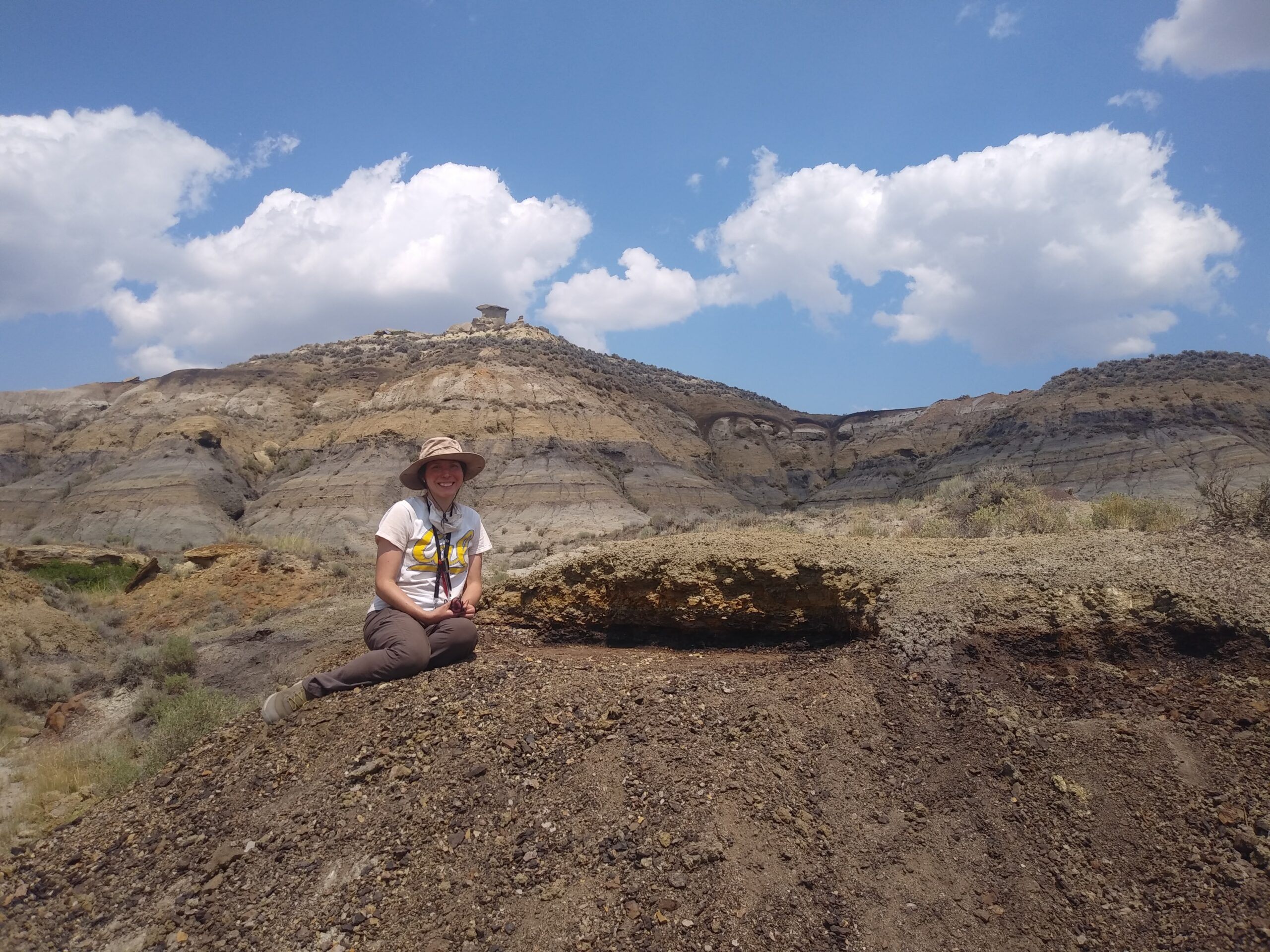
Dr. Courtney Sprain
Assistant Professor, University of Florida
Talk Title: T-rex and the Crater of Doom?
Abstract: Since the Cambrian explosion roughly 541 million years ago, the proliferation of life on Earth has been interrupted by five major mass extinctions events, marked by the sudden loss of 50 to 96% of all species on Earth. In general, these extinction events share many common factors: they are all geologically abrupt (occurring on timescales on the order of a few million years or less), they are commonly associated with major shifts in climate, and four out of the five mass extinction events correlate in time with the eruption of large volcanic centers. However, to properly understand the ingredients that are necessary to cause large-scale ecosystem collapse, and to what extent these ancient events can inform our modern ecological crises, we have to step back from these broad generalizations and look into these extinction events in more detail. This presentation gives an overview of recent advances on this topic, specifically focused on the Cretaceous-Paleogene extinction event, that are helping to clarify what really killed the dinosaurs.
Bio:
Dr. Sprain is an Assistant Professor at the University of Florida. For her research, she is interested in examining the path Earth has taken from its early stages of development to what we see today, investigating changes occurring both within the deep interior and on Earth’s surface. She is a geochronologist (she determines the ages of rocks) and a paleomagnetist (she studies the ancient magnetic field as recorded in rocks). She grew up in MN and went to the University of Minnesota for her undergrad. She has also lived in CA and England.
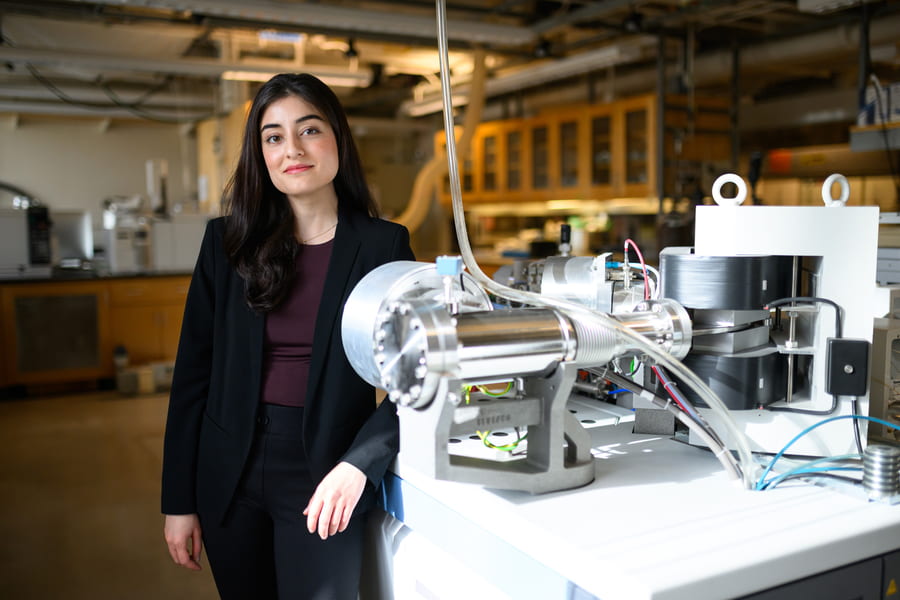
Dr. Fatima Husain
MIT
Talk Title: “Eukaryotic life from a Snowball Earth analogue environment on the McMurdo Ice Shelf, Antarctica”
Abstract: Prolonged planet-scale glaciations impose significant constraints on habitability. Yet, the Snowball states of Earth’s Cryogenian period (720-635 Ma) preceded a dramatic diversification of early complex life, which culminated in the first appearances of Earth’s earliest animals in the fossil record. The mechanisms underlying this diversification remain enigmatic due to the paucity of Cryogenian fossil assemblages. Where did complex life persist during Earth’s Snowball states? In this talk, I will discuss lipid biomarker informed findings for one proposed Cryogenian refugium, supraglacial meltwater ponds, analogs of which form today atop Antarctica’s McMurdo Ice Shelf within the ‘Dirty Ice’ region.
Bio:
Dr. Fatima Husain is a Postdoctoral Associate in the Summons Lab for Geobiology and Astrobiology at the Massachusetts Institute of Technology. As an organic geochemist, Dr. Husain examines the lipids produced by modern organisms and those preserved in the rock record to improve our understanding of the evolution of complex life and planetary habitability.
Dr. Thomas Dudgeon
Royal Ontario Museum
Talk Title: ““The costs of beauty in duck-billed dinosaurs: relationships between cranial display structures and feeding function”
Abstract: TBD
Bio: TBD
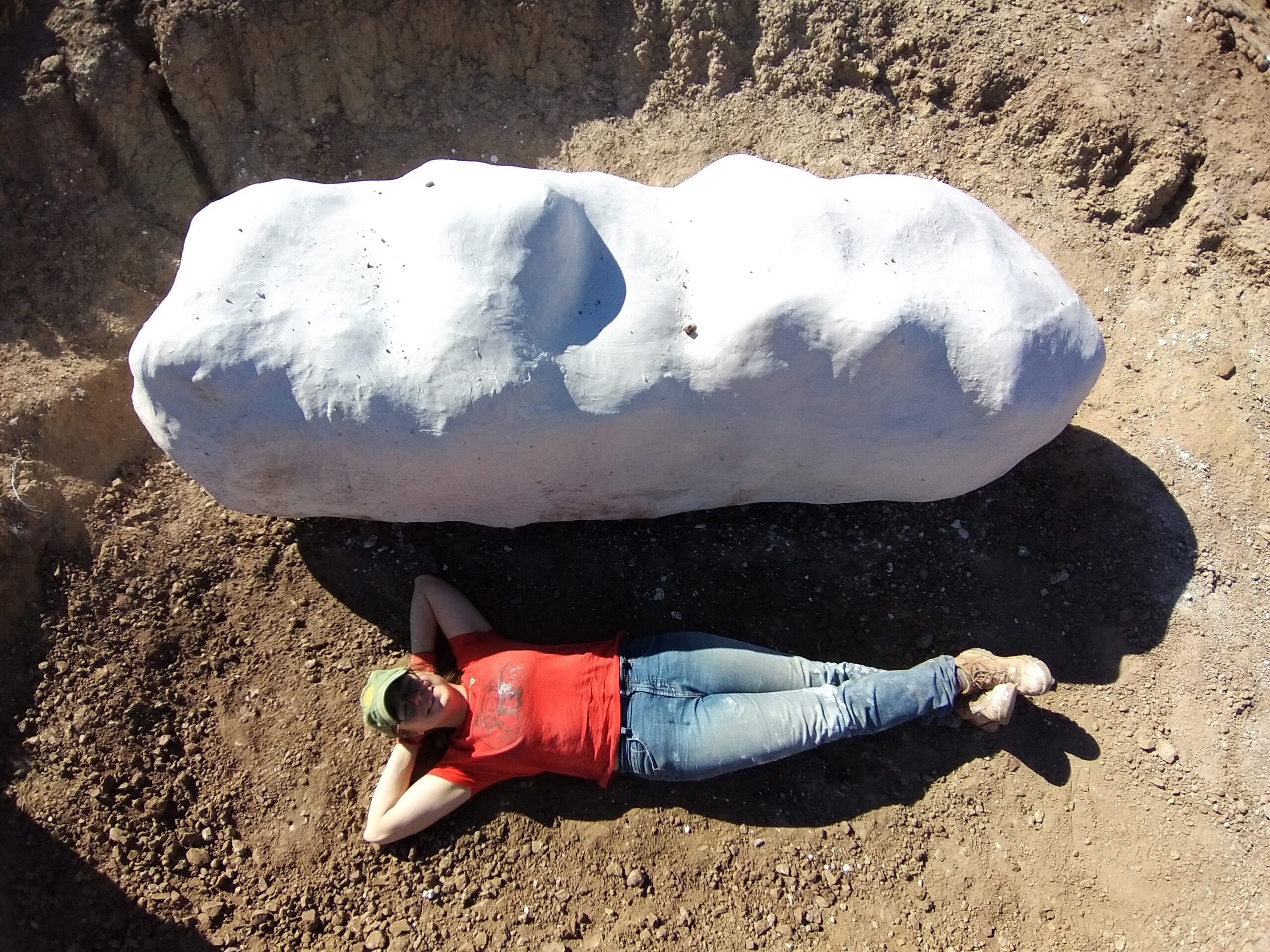
Dr. Kimberley Chapelle
Stony Brook University
Talk Title: “Life at the dawn of dinosaur reproduction: growth and faunal diversity from one of the oldestknown dinosaur nesting sites”
Abstract: The End-Triassic Extinction saw the disappearance of approximately 76% of Earth’s terrestrial and marine species, profoundly restructuring ecosystems at the dawn of the Jurassic. Sauropodomorph dinosaurs appear unaffected by this event, remaining dominant large-bodied herbivores in many terrestrial environments. Several factors play a role in a species’ ability to thrive in post-extinction periods when reproductive pressure is increased. These include faster incubation periods, developmental plasticity, eggshell structure, and rapid growth rate.
The Early Jurassic sauropodomorph Massospondylus carinatus is the most abundant dinosaur species from southern Africa, represented by hundreds of specimens spanning embryos to adults. Nearly 100 fossil eggs and over a dozen embryos attributed to Massospondylus have been recovered from the Rooidraai site in South Africa’s upper Elliot Formation, making it one of the oldest known dinosaur nesting sites in the world. In addition to the nesting material, Rooidraai preserves a diverse assemblage of other vertebrate fossils.
Using a multidisciplinary approach that includes micro-computed tomography (CT) scanning,we reassess longstanding hypotheses concerning the identity, growth strategies, and ontogeny of Massospondylus, and discuss their implications for early dinosaur macroevolution. We also document a rich vertebrate fauna, including theropods, sauropodomorphs, ornithischians, cynodonts, and multiple small “protosuchian” crocodyliforms. Together, these data reveal previously unrecognized taxonomic diversity and ecosystem structure at an early dinosaur nesting site, providing new insights into an undersampled and poorly understood post–End-Triassic small-bodied fauna.
Bio:
Kimi Chapelle is a South African vertebrate palaeobiologist whose research programme seeks to understand the development, growth, and adaptation of the vertebrate skeleton and the sensory structures it houses. She completed her PhD at the University of the Witwatersrand in Johannesburg and went on to do a postdoctoral fellowship at the American Museum of Natural History in New York City. She is currently an assistant professor in the Department of Anatomical Sciences at Stony Brook University. Using a multidisciplinary toolkit comprising micro-computed tomography scanning, osteohistology, multivariate statistics, along with functional and comparative anatomy, Dr Kimi Chapelle explores how dinosaurs, and their close relatives grew, moved, and evolved. One of her main academic focal areas is early branching sauropodomorph dinosaurs. Sauropodomorphs include the largest terrestrial
Dr. Lauren Wilson
Princeton University
Talk Title: “The evolution of palatal development in the common ancestor of living birds”
Abstract:The origin of living birds from their reptilian ancestors is one of the most striking transitions in vertebrate evolution and constraining the ancestral avian state is a key component of understanding this transition. The earliest divergence of crown birds (Neornithes) produced two lineages, the Pan-Palaeognathae (‘ratites’ and their kin) and Pan-Neognathae (all other crown birds). Paleognaths have a more rigid palate, a condition long maintained to be ancestral, whereas the neognathous condition is better suited for cranial kinesis. Surprisingly, a recently discovered Cretaceous toothed bird, Janavis finaldens, was found to possess a pterygoid which is remarkably similar to those of living galloanserans (fowl), suggesting that the ancestral condition for living is more similar to the neognathous condition, with the paleognathous palate being derived. To investigate the ancestral avian palatal condition in an evolutionary developmental context we characterized the three-dimensional anatomy of developing musculoskeletal tissues. We employ a novel high-fidelity clearing and immunostaining pipeline with lightsheet microscopy to visualize more early embryonic palatal tissues than previously possible. Characterizing early palate development in neognaths and paleognaths will phylogenetically bracket the ancestral avian developmental condition, informing upon the developmental and evolutionary origins of their distinct palatal configurations. Constraining the ancestral avian palatal condition will have important implications for the diagnosis of stem palaeognaths and characterize the origin of a key avian feature, the kinetic palate.
Bio:
Lauren is a PhD student in the Department of Geosciences at Princeton University. Her research includes work on Mesozoic avialan evolution and paleobiology, dinosaur and mammal body size evolution, and other broad evolutionary topics. Before coming to Princeton, Lauren earned a B.S. in Earth Sciences with a focus in Paleontology from Montana State and an M.S. in Geosciences from the University of Alaska Fairbanks.
Lee Hall
Museum of the Rockies
Talk Title: “A Science Passed by Hand: Why Informal Training In Paleontological Conservation Is No Longer Enough”
Abstract: Paleontology is a collaborative science built largely on three interconnected pillars: research, collections, and conservation, yet formal training pathways exist for only two of these. Academic programs traditionally emphasize research through hypothesis-driven study and publication, while collections management is supported by established graduate-level museum studies programs. Paleontological conservation plays a uniquely hands-on and foundational role, encompassing fossil collection, preparation, stabilization, repair, and long-term care, while remaining largely absent from formal academic curricula. This work requires extensive expertise in conservation methodologies, archival materials, adhesive chemistry, laboratory equipment, and safety practices—knowledge and skills that have historically been transmitted through apprenticeship. From Cuvier’s early fossil preparation efforts over two centuries ago to the highly specialized discipline it is today, paleontological conservation has evolved alongside the science itself. Whereas early conservators developed techniques through trial and error, modern practitioners now benefit from published standards and best practices, professional organizations, and digital reference resources. Despite these advances, no standardized academic or certification pathways exist to train and credential paleontological conservators. Outside of a limited number of undergraduate courses in fossil preparation, the field remains heavily reliant on volunteer labor and informal mentorship to develop new professionals. At the same time, modern conservators face increasing demands driven by technological innovation, institutional administrative responsibilities, and heightened expectations for risk management and safety in both laboratory and field environments. This growing mismatch between professional expectations and available training raises pressing concerns about accessibility, workforce sustainability, and equity within the field, while also posing long-term risks to the stewardship of irreplaceable fossil collections. Addressing this gap through the development of formalized educational pathways and professional recognition is essential not only for the future of paleontological conservation, but for the integrity, inclusivity, and sustainability of paleontology as a whole.
Bio:
Kelsey Arkle
Augustana College
Talk Title: “Applying a Modern Analog Technique to Foraminifera to Track Neogene Paleo-Water Depths of the Southern Basin in Trinidad”
Abstract: Characterizing paleo–water depth is fundamental to interpreting sedimentary basin evolution, as it constrains depositional environments, faunal distributions, and basin dynamics through time. Establishing absolute depth, however, remains challenging. Here, we present a novel application of the Modern Analogue Technique, comparing the modern depth distributions of extant benthic foraminifera with their Neogene assemblages across several vertical miles of semi-continuous core in the Southern Basin of Trinidad to quantify paleo–water depth. Preliminary results indicate predominantly deep (middle bathyal) conditions, with progressive shoaling from the mid-Miocene followed by renewed deepening in the latest Miocene. This trend corresponds with regional tectonic transitions from compression and uplift to later extension. At finer scales, semi-rhythmic shallowing–deepening cycles are evident and may reflect climatically driven Milankovitch forcing and associated variations in sediment flux, although a fully resolved temporal framework is still in development. For relatively young fossil assemblages that include extant taxa—not limited to foraminifera—this approach provides a transferable framework for estimating absolute paleo–water depths in marginal marine basins.
Bio:
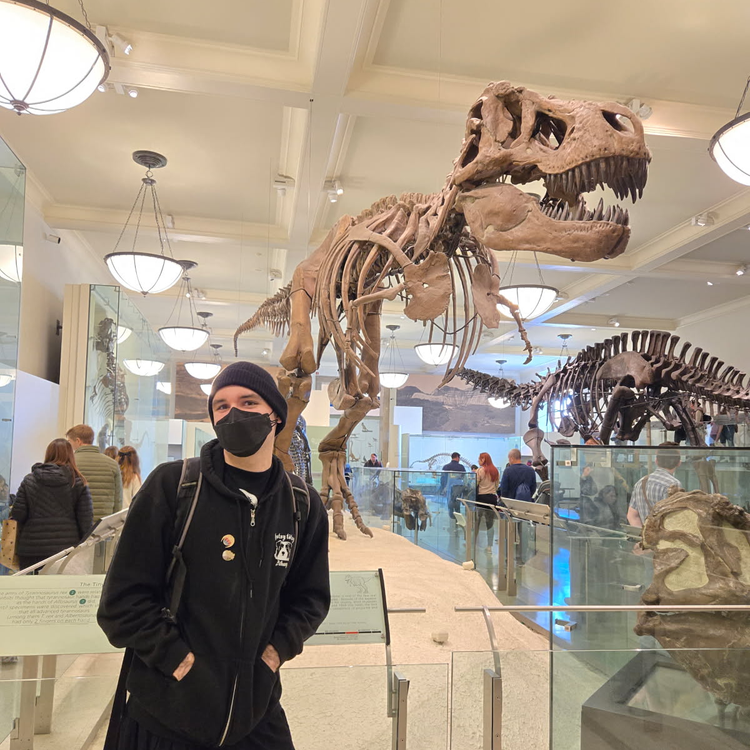
Henry Thomas
Idaho State University
Talk Title: “Dawn of the Feathered Serpents: The Evolution and Diversity of Azhdarchid Pterosaurs”
Abstract: Azhdarchidae was the most diverse pterosaur clade of the latest Cretaceous period. The clade contains the largest known pterosaurs, including Quetzalcoatlus, Arambourgiania, and Hatzegopteryx. However, azhdarchids have been difficult to study owing to the fragmentary nature of their fossil remains. Recently, many new azhdarchid species have been recognized (including the Burpee Museum’s very own Infernodrakon), and extensive revisions to their phylogeny outline numerous azhdarchid lineages with different morphologies and probable ecologies. This new work reveals how the clade first appeared in the middle of the Cretaceous, came to dominate pterosaur faunas, and evolved into the largest flying animals ever.
Bio: Henry Thomas is a paleontologist who has done work with pterosaurs, protomammals, and Carboniferous plants, focusing on their diversity, evolution, and paleoecology. They received their Master’s at Idaho State University in 2024. They’ve named two new species, the pterosaur Infernodrakon hastacollis and the dicynodont Aulacephalodon kapoliwacela.
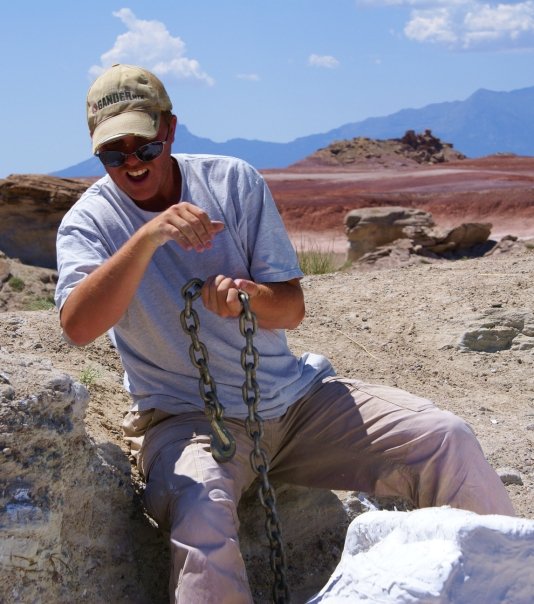
Dr. Joshua Mathews
Burpee Museum
Talk Title: “Hell Creek underfoot: A look at the geology and microfauna of Carter County, Montana”
Abstract:
Bio: Josh is currently the Vice President of Research & Collections and the Director of Paleontology at the Burpee Museum of Natural History where he runs the Jay & Barbara Brost Paleo Viewing Lab, manages the permanent collection, conducts research and prepares and leads summer expeditions to field sites in southeastern Montana and southern Utah.
Growing up in southern Wisconsin, he attended the University of Wisconsin-Whitewater double majoring in Biology and Geology. He earned a Master’s degree from Northern Illinois University studying a Triceratops bonebed from Carter County, Montana. During this time he began volunteering as a fossil preparator in the paleontology lab at the Burpee Museum. He accepted the position of Chief Fossil Preparator and Research Assistant to Dr. William Hammer in the Geology Department at Augustana College where he was part of the Transantarctic Vertebrate Paleontology Project joining an expedition to search for dinosaurs in Antarctica in the winter of 2010/2011. He returned to NIU to work on his PhD in the Department of Biological Sciences. As a PhD student working for Dr. Karen Samonds, he spent two field seasons searching and excavating fossils in Cenozoic deposits in Madagascar. For his doctoral research, he studied the biostratigraphy of the Hell Creek Formation in Carter County, Montana and documenting faunal change throughout the formation up to and across the K/Pg boundary.
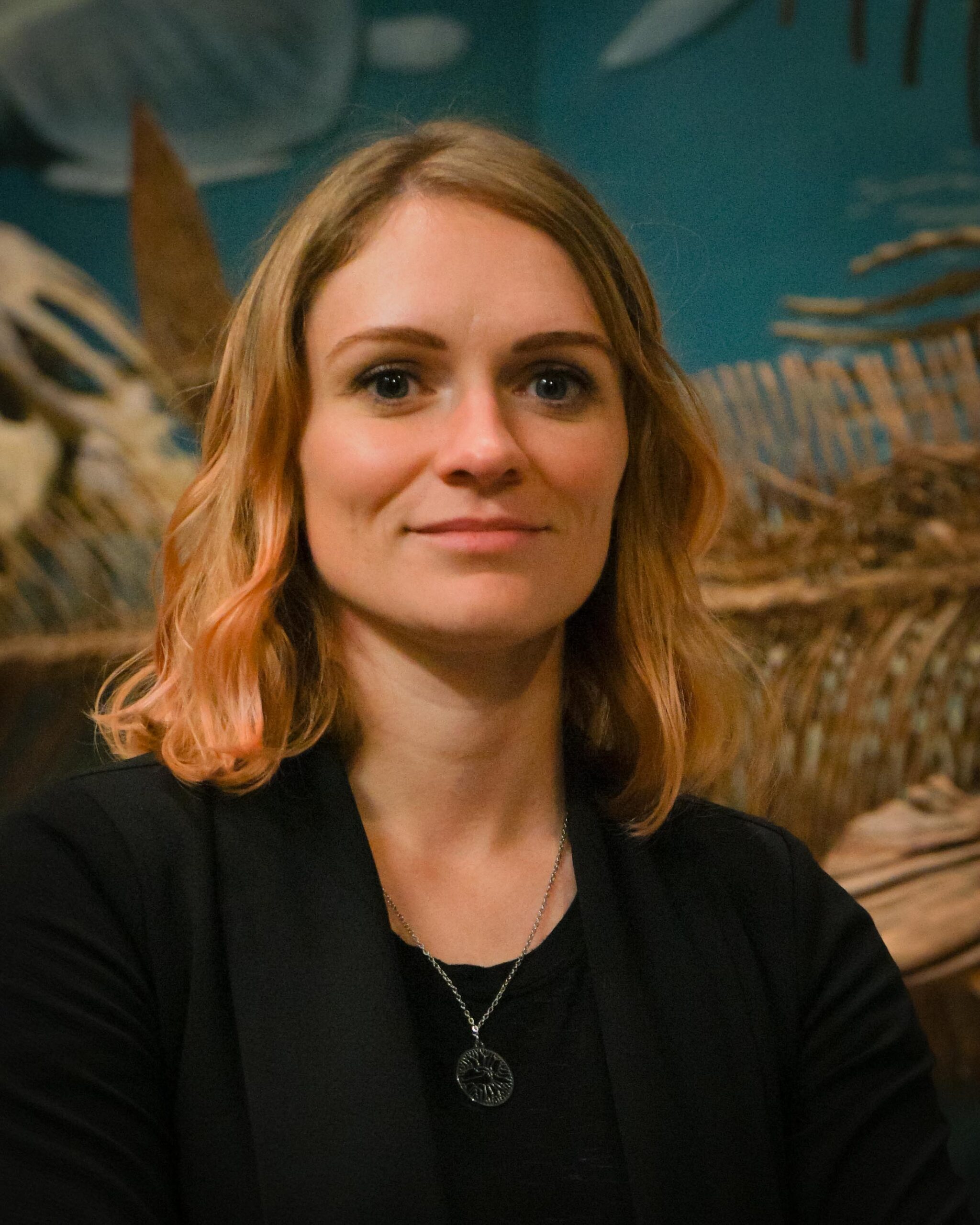
Lena Cole
University of Oklahoma, Sam Noble Oklahoma Museum of Natural History
Talk Title: “Going with the flow: reconstructing ancient communities and ecological evolution from the crinoid fossil record”
Abstract: Ecology has played a major role in shaping the history of life. Species’ interactions with each other and with their environments have affected diversity and abundance patterns, driven the evolution of new innovations, and shifted the structure and complexity of communities through time. However, it is often challenging to extract ecological information from the fossil record to understand how these extinct organisms functioned, interacted with each other, formed ancient communities, and changed over millions of years.
Fossil crinoids (feather stars and sea lilies) and other stalked echinoderms are uniquely well-suited for studying paleoecology in deep time because their fossilized skeletons preserve many features that reflect the environments they lived in, their feeding habits, and their interactions with other species. This talk will discuss recent advances in understanding crinoid functional ecology based on soft tissues, exceptionally-preserved specimens, biomechanical studies, observations of living crinoids, and more. By quantifying crinoids’ feeding strategies, ecological roles, and interactions with other species, this ecological framework is used to illuminate the evolution of crinoid communities from their initial rise in the Ordovician to their dominance during the Mississippian “Age of Crinoids.”
Bio:
Dr. Lena Cole is an Assistant Curator of Invertebrate Paleontology at the Oklahoma Museum of Natural History and an Assistant Professor of Geosciences at the University of Oklahoma. Her research focuses on mass extinctions, ecology, and macroevolution in deep time using the fossil record of crinoids and other marine invertebrates. Currently, her work uses a combination of fieldwork and museum research to investigate the evolution of marine invertebrate communities during the Ordovician Radiation and their response to the Late Ordovician mass extinction.
Cole received an A.A. in Science from Danville community college in 2009, a BS in Geology from James Madison University in 2012, and her PhD in Geology from The Ohio State University in 2017. She then went on to complete postdocs at the American Museum of Natural History and Smithsonian National Museum of Natural History.
As a museum scientist, Cole’s work also emphasizes the importance of natural history museums and their collections as critical centers for research, education, and cross-disciplinary collaboration. She is passionate about increasing the accessibility and support of museum collections and training the next generation of museum scientists.
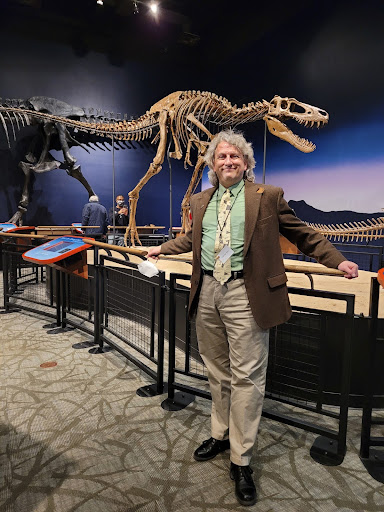
Dr. Thomas Holtz
Principle Lecturer, Department of Geology, University of Maryland
Talk Title: A Small State with Some Big Dinosaurs: Maryland in the Mesozoic
Abstract: With the discovery of Astrodon (the first sauropod dinosaur named in the US) in the 1850s, Maryland has played a small but important role in our understanding of Mesozoic life in North America. Recent finds of dinosaurs and other vertebrates from the Arundel Formation in the Maryland suburbs of Washington, D.C. help to document the eastern equivalent of better known mid-Cretaceous sites in Wyoming, Montana, Utah, Texas, and Oklahoma.
Bio
Thomas R. Holtz, Jr. is Principal Lecturer in Vertebrate Paleontology at the Department of Geology, University of Maryland, College Park. His research focuses on the origin, evolution, adaptations, and behavior of carnivorous dinosaurs, and especially of tyrannosauroids (Tyrannosaurus rex and its kin). He received his Bachelors in Earth & Planetary Geology at Johns Hopkins in 1987 and his Ph.D. from the Department of Geology & Geophysics at Yale in 1992. He is also a Research Associate of the Department of Paleobiology of the Smithsonian Institution National Museum of Natural History and serves on the Scientific Council of Maryland Academy of Science (which operates the Maryland Science Center (Baltimore, MD). He is also the creator and Faculty Director of the College Park Scholars-Science & Global Change program. In addition to his dinosaur research, Holtz has been active in scientific outreach. He has been a consultant on museum exhibits around the world, and on numerous documentaries. He is the author of the award-winning popular audience books.

About Burpee Museum’s PaleoFest
Since 1999, PaleoFest has become an internationally recognized and respected program that celebrates the science of Paleontology. PaleoFest is an exemplary program to excite, educate, and inspire all people in science. This 3-day event includes many educational programs and activities for all levels of interest in paleontology. Each year, PaleoFest attracts nearly 2,000 visitors and some of the biggest names in the field.